REVIEW · NARA
Private Journey in Nara’s Historical Wonder
Book on Viator →Operated by Opatrip.com Japan · Bookable on Viator
Nara temples are big, but this day runs smart. This private Nara journey strings together world-famous sights and quieter temple corners, with a family-friendly rhythm and pickup from Osaka.
I especially like the range: you get the big-ticket icons like Todai-ji and UNESCO-listed Horyu-ji, then you slow down for gardens and museum time. I also like that this feels built for a group of your own, so the pace can match kids, elders, and your level of temple stamina.
One thing to consider: with 14 stops in about 8 hours, it’s a full day. Even though most admissions are listed as free, you’ll still be walking and stepping in and out often, so comfortable shoes matter.
In This Review
- Key highlights before you go
- How this private Nara day works from Osaka
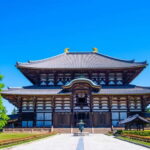
- Todai-ji: the Great Buddha in a wall of wood
- Nara Park, Wakakusayama Hill, and the nature break that actually matters
- Kasuga Taisha lanterns: one hour to slow your eyes down
- Horyu-ji and UNESCO-level wood history
- Naramachi streets: traditional merchant-house vibes
- Kofuku-ji, Yakushiji, and Shinyakushiji: the Buddha-building marathon (with stops that breathe)
- Nara National Museum: where the story snaps into focus
- Heijō Palace Site Historical Park: imagining a capital again
- Toshodai-ji plus gardens: calm that finishes strong
- Price and logistics: when $1,207.46 makes sense
- Who this Nara tour is best for
- Should you book this private Nara tour?
- FAQ
- Is this a private tour?
- How long is the Nara experience?
- Where does the tour start?
- Is pickup offered?
- Are tickets included or are admissions free?
- Do I get a mobile ticket?
- How far in advance is it usually booked?
- Is it near public transportation?
- What is the cancellation policy?
Key highlights before you go
- Todai-ji’s Great Buddha: the world’s largest bronze Buddha sits in a massive wooden temple.
- Kasuga Taisha’s stone lantern world: hundreds of lanterns make the shrine feel otherworldly.
- UNESCO Horyu-ji: the world’s oldest wooden building adds serious wow without needing extra planning.
- Nara National Museum: a strong context stop that helps everything else make sense.
- Heijō Palace Site + gardens: history and calm in the same day, not just temple after temple.
- Private pacing from Osaka: pickup offered and only your group rides together.
How this private Nara day works from Osaka
This is an 8-hour private outing based in Nara, with a start point in Osaka, Japan and pickup offered. Because it’s private, you’re not trying to keep up with a big bus crowd, and that makes a difference with kids, strollers, or anyone who simply hates sprinting between gates.
You’ll also notice the structure: the day mixes heavyweight temple architecture with shorter neighborhood-style breaks and a couple of garden pauses. That matters because Nara can feel repetitive if you only do the obvious sights. Here, you get variety—temples, shrine lanterns, a museum, palace ruins, and traditional garden design—so the day doesn’t blur together.
Pricing is $1,207.46 per person. For a private day, that cost can feel steep at first. But when you compare it to the effort of arranging your own transport plus timed entry hunting plus a lot of transit juggling, the value usually depends on one thing: your group’s size and whether you’ll actually use the day to the fullest. Since this includes listed stops and a mobile ticket, you’re buying smooth execution, not just sightseeing.
One practical note for expectations: this tour is listed as having mobile ticket and group discounts. That suggests the provider is set up for you to coordinate easily if you’re traveling with more than one party member. Also, it’s described as near public transportation, which can help if you need a backup route or a quick convenience stop.
You can also read our reviews of more private tours in Nara
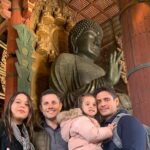
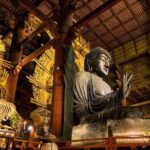
Todai-ji: the Great Buddha in a wall of wood
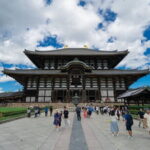
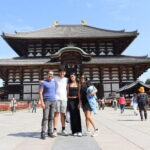
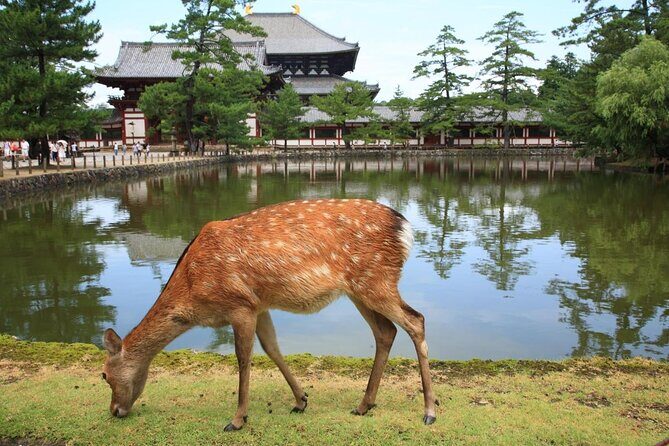
Todai-ji is your first major anchor, and it’s chosen for a reason. This is where you see the world’s largest bronze Buddha, set inside a monumental wooden temple. The contrast is part of the magic: the Buddha is huge, but the space feels carefully built, with wooden architecture doing a lot of the work.
Your time here is listed at 1 hour. That’s enough to look, orient yourself, and take in the scale without feeling like you’re being rushed through. It’s also a good entry point for families. Even if you’re not a hardcore temple person, “largest bronze Buddha” is a simple hook kids can grasp, and adults still get the architectural wow.
The only drawback with a stop like this is crowding risk on busy days—especially on a full-day itinerary. This tour’s private format helps, but you still want to plan for lines and the general theater of a major landmark. If you hate waiting, the later rhythm of the day (shorter stops, quieter corners) will feel like a relief.
Nara Park, Wakakusayama Hill, and the nature break that actually matters

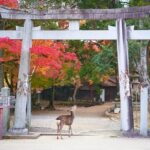
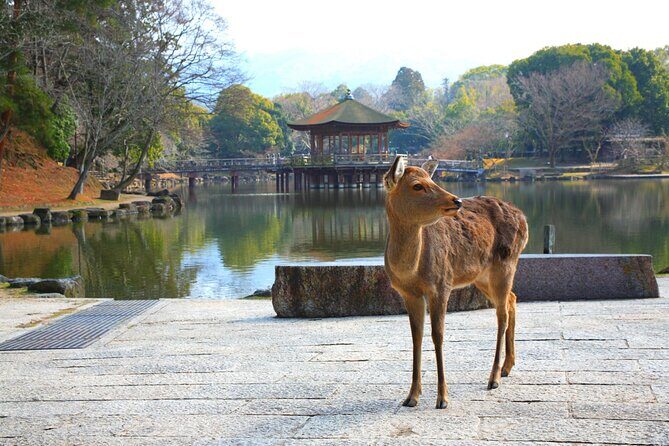
Next comes Nara Park, where deer roam freely. The tour gives you a short, easy 20-minute walk time. That brief window is smart. You get the iconic Nara atmosphere without turning the park into a long detour that steals time from the temples.
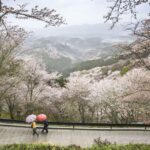
Then you climb to Wakakusayama Hill for 20 minutes. This is where you trade “looking at things” for “taking in the view.” It’s also a helpful mid-day reset if your feet are getting tired. The hill stop is short enough to fit the schedule, but it gives you that satisfying feeling that you got out of the city-scape grid and earned a panorama.
Practical tip: since it’s only 20 minutes, you’ll want to treat it like a quick hike rather than a sightseeing picnic. Bring water if you’re sensitive to heat or sun, and keep an eye on shoes because you’ll want traction.
Kasuga Taisha lanterns: one hour to slow your eyes down
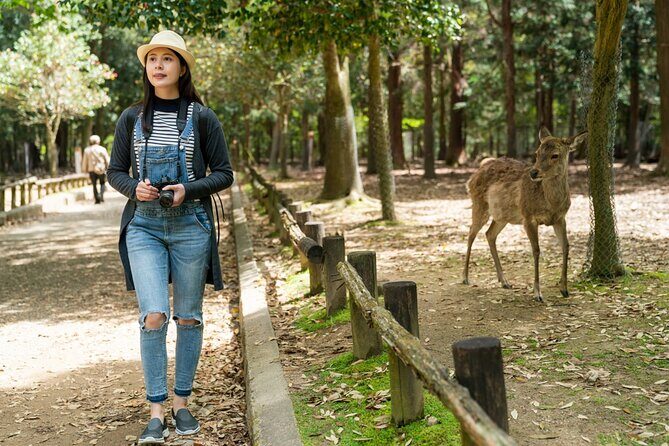
Kasugataisha Shrine comes next, with 1 hour on the clock. This shrine is known for being adorned with hundreds of stone lanterns, and that density changes how you experience the place. Instead of one focal object, your attention keeps shifting across layers of lanterns, stone, and sacred space.
For many people, this is the emotional centerpiece of the day. The tour lists this as Shinto tradition and a serene sanctuary, and that matches how it tends to land: less about rushing, more about letting the visual rhythm do its job.
Because your time is an hour, you can do two things: look closely at the lanterns and still step back to take in the overall feel of the shrine grounds. If you only had 20 minutes here, you’d miss the slow settling effect. This stop is paced so you don’t have to choose between detail and atmosphere.
Horyu-ji and UNESCO-level wood history
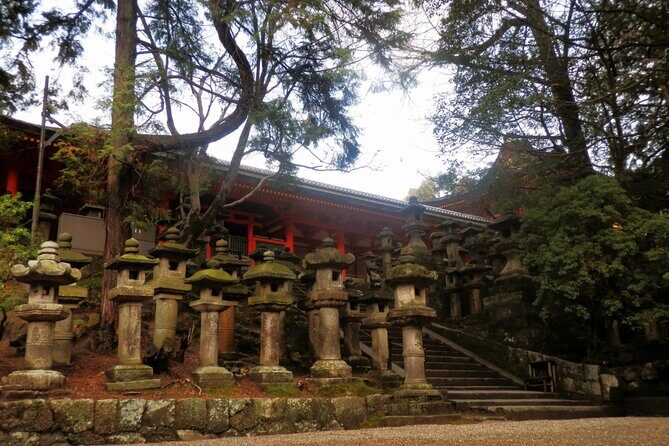
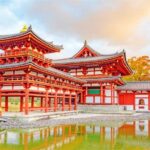
Then you get to Horyu-ji, listed as the world’s oldest wooden building and marked as a UNESCO World Heritage site. Your time is 1 hour, which is perfect for something so specific. When a building is that old, you’ll want time for orientation—where you are, what you’re looking at, and how the pieces relate.
The real value here is context. Seeing something described as the oldest wooden building is impressive, but understanding why it matters makes it stick. That’s where a good guide-style explanation helps, even if you don’t consider yourself a history person. The architecture becomes a story you can physically point to: old materials, old design choices, old spiritual priorities.
If you’re traveling with kids, this is also a “count the parts” kind of stop. You can turn it into a scavenger-style moment: look for patterns, notice symmetry where you see it later in the day, then circle back to compare how each temple handles space.
You can also read our reviews of more historical tours in Nara


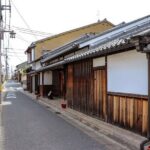
Naramachi streets: traditional merchant-house vibes
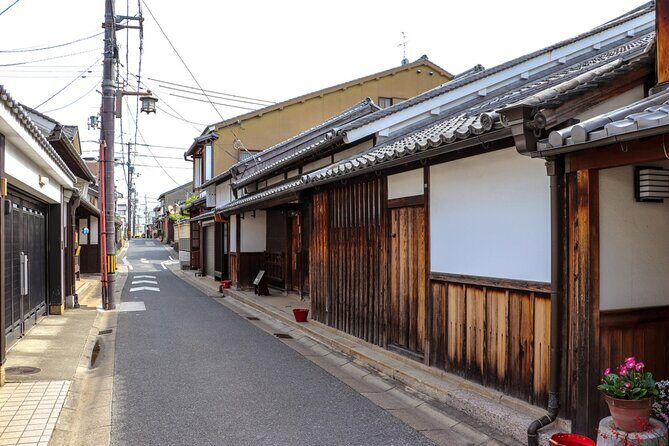
A shorter break comes with Naramachi for 20 minutes. This is a charm stop, yes—but it also adds something the temples don’t. Traditional merchant houses give you the sense that Nara wasn’t only sacred spaces. It was also homes, commerce, and everyday life moving around the religious landmarks.
Your best move in a stop like this is to treat it like orientation for the rest of the day’s setting. You’ll start to notice design details in doorways, rooflines, and street angles that make the city feel coherent. When you return to a temple later, you’ll feel the connection between the spiritual and the ordinary.
Short timing means you’ll only skim the surface, but the tour doesn’t pretend you can do everything in 20 minutes. Instead, it keeps the day moving and leaves you with enough flavor to come back later if you want more.
Kofuku-ji, Yakushiji, and Shinyakushiji: the Buddha-building marathon (with stops that breathe)
After Naramachi, the day keeps its Buddhist momentum with three temple visits plus another short “quiet corner” moment.
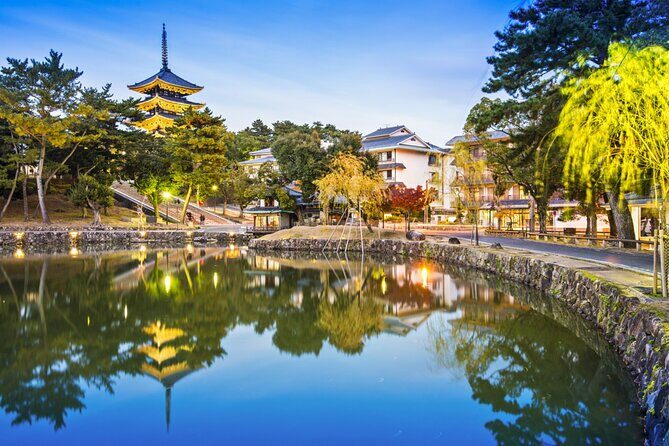
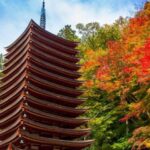
- Kofuku-ji: 30 minutes, known for its impressive five-story pagoda and peaceful grounds.
- Yakushi-ji: 30 minutes, with symmetrical design and serene gardens.
- Shinyakushiji: 20 minutes, described as intimate and centered on exquisite Buddhist sculptures.
This sequence works because each stop offers a different type of wow. Kofuku-ji gives you a skyline marker (that pagoda feeling). Yakushi-ji shifts you toward balance and garden calm, which is a nice mental change of pace after heavier temple architecture. Then Shinyakushiji brings you into a smaller, more contained mood—where sculptures can feel like quiet conversations rather than big spectacle.
One consideration: by this point, your body is doing the work of the day. The schedule is packed, so the benefit of having a private format is bigger. You can pause when someone needs a bathroom break, regroup when the group is tiring, and avoid the frantic “keep up or fall behind” energy.
If you’re sensitive to temple fatigue, this is where you’ll want your “breathing moments” to matter. Since the next big anchor is museum time, try to keep your energy for it.
Nara National Museum: where the story snaps into focus
The Nara National Museum gets 30 minutes, and it’s the kind of stop that changes how you understand everything else. When you see so many temples in one day, your brain starts sorting sights by impression: big, beautiful, crowded, quiet. The museum helps you sort those impressions by cultural purpose and art.
This is also a strong family-friendly choice. The museum collections are described as showing classical art and Buddhist relics, and that educational angle is where kids can learn without the day turning into a lecture. Even adults who think they’re not museum people often find it helps them feel like they didn’t just “see temples,” but actually understood what they were looking at.
A practical way to use your 30 minutes well: don’t try to absorb everything. Let your guide explanation (or your own reading of key displays) pick a few themes—temple history, Buddhist art, relic context—then use those themes as a lens for the rest of the day.
Heijō Palace Site Historical Park: imagining a capital again
Next is Nara Palace Site Historical Park, scheduled for 1 hour. This is where you trade temple details for a wider sense of city planning and former power. Walking a historical park that represents a former capital site helps you understand that Nara wasn’t just a religious destination. It was a center of government and influence.
A palace site can feel abstract if you rush. So the hour matters. You get enough time to connect the scale of the space to what you’ve seen at the temples—because the religious buildings and civic planning are related. Even if you don’t know every term, you can sense how the city was laid out to express importance.
This is also a good moment to slow down if your legs are tired. Parks and open spaces let you stand back, look around, and reset your pacing without constant indoor stairs and gates.
Toshodai-ji plus gardens: calm that finishes strong
The final stretch is split between another temple and traditional garden time.
- Toshodai-ji Temple: 30 minutes
This is described as a testament to Nara-era Buddhist architecture, with tranquility and historical significance. It’s a nice closing chapter because it’s not trying to out-muscle Todai-ji. It gives you a more reflective end to the day.
- Isuien Garden: 20 minutes
Listed as Japanese landscape art with a serene setting. Gardens are where your eyes and feet finally get a break from architectural intensity.
- Yoshikien: 20 minutes
This garden area is described as having three unique gardens, each offering a different traditional Japanese garden experience.
This ending trio is one of the smartest parts of the day. Temples can overwhelm your senses in a good way, but gardens bring the volume down. If you’re traveling with children, gardens are also where they often get to run a little (within safe boundaries) while still feeling like the day has cultural substance.
If you want souvenirs, this is also the part where you may start thinking ahead: what did you love most, what do you want to photograph more carefully next time, and what do you want to revisit at a slower pace?
Price and logistics: when $1,207.46 makes sense
At $1,207.46 per person, this is not a “cheap day trip.” So you should treat it like a convenience upgrade.
Here’s where the value can click:
- You’re getting a private format with a tight sequence of major Nara highlights.
- Pickup is offered from Osaka, which saves you the hassle of figuring out timing and connections.
- A mobile ticket is included, so you’re not spending your day on extra printing.
- Most listed admissions are marked free, which helps you avoid surprise entry costs during the day.
Where you might rethink it:
- If you’re traveling solo on a tight budget, the price can be hard to justify versus taking a train and choosing just two or three stops.
- Because the day is packed, you’ll feel the “full-day tour” effect. If you hate schedules, you may prefer a lighter version with fewer stops.
Also, plan ahead. It’s described as being booked on average 77 days in advance, which suggests you’ll want to secure your dates early—especially if you’re traveling during peak seasons or with a family schedule that can’t flex.
And one more real-world note: this experience is listed as non-refundable and cannot be changed for any reason. If your travel plans might shift, only book if you’re fairly confident your day is locked in.
Who this Nara tour is best for
This private route fits best if you want:
- A family-friendly day that balances major sights with calmer breaks.
- A structured way to see Nara without doing the planning grind.
- A guide-style experience where the museum stop and UNESCO building add meaning, not just photos.
It’s also a good fit if you’re staying in Osaka or Kyoto, and you want Nara to feel like a complete day rather than an “overnight attempt” between train times. With pickup offered and a clear circuit, you’ll use your time efficiently.
If you’re the type who wants to wander at your own tempo for hours, you might feel constrained by the stop-and-go flow. But if you like a strong itinerary with room to breathe, this hits the sweet spot.
Should you book this private Nara tour?
If your priority is seeing the major Nara landmarks in one smooth day—Todai-ji, Kasuga Taisha, Horyu-ji, the palace site, plus museum and gardens—this is a strong choice. The private format and the way it mixes big icons with quieter corners make it more satisfying than a simple checklist.
I’d book it if:
- Your group wants convenience from Osaka and hates transit stress.
- You want museum context, not just temple photos.
- You’re traveling with family and need a pace that can work for more than one energy level.
I’d think twice if:
- You’re on a tight budget and prefer train-and-go sightseeing.
- You strongly dislike packed schedules and prefer long, slow wandering.
- Your dates aren’t fully certain, since the tour is listed as non-refundable.
FAQ
Is this a private tour?
Yes. It’s a private tour/activity, and only your group will participate.
How long is the Nara experience?
The duration is listed as about 8 hours.
Where does the tour start?
The start location is Osaka, Japan.
Is pickup offered?
Pickup is offered.
Are tickets included or are admissions free?
The tour details list admission tickets as free for the stops shown.
Do I get a mobile ticket?
Yes. Mobile ticket is listed as a feature.
How far in advance is it usually booked?
On average, it’s booked 77 days in advance.
Is it near public transportation?
Yes, it’s described as near public transportation.
What is the cancellation policy?
The experience is non-refundable and cannot be changed for any reason. If you cancel or request an amendment, the amount you paid will not be refunded.