Tokyo in one day is a lot, and that’s why this full-course tour works. You’ll move fast through classic sights and quieter local corners with a small-group guide who explains what you’re seeing as you go. Expect a walk-and-metro day that still leaves room for real Tokyo moments, like sushi at Tsukiji and drinks at an izakaya bar.
Two things I really like: first, the route hits the major neighborhoods in a sensible order, so you’re not zigzagging the city for hours. Second, the guide connects places to Japanese culture and everyday life, which makes stops like Meiji Jingu, Shibuya, and Asakusa feel more personal than just photo ops.
One consideration: you’re committing to a 10-hour day with a moderate fitness level, and the tour starts on time with no late arrivals. Also, transportation and food aren’t included, so you’ll want a plan (and cash) for getting around and eating.
In This Review
- Key Points You’ll Care About
- How a 10-Hour Small-Group Day Works in Tokyo
- From Yoyogi to Meiji Jingu: Tokyo’s Quiet Start
- Harajuku, Hachiko, and Shibuya Crossing: Pop Culture in Real Time
- Tsukiji Hongwanji and the Fish Market: What to Do There
- Imperial Palace Area and Marunouchi: Green and Power in the Middle
- Akihabara and Ueno Park: Tech Meets Traditional Streets
- Ameyoko Shopping Street to Asakusa: Market Energy, Then Temple Calm
- Price and Value: Is $104.34 a Good Deal?
- What to Bring and How to Get Ready
- Guide Quality: Why Names Like Yasuko and Michiko Matter
- Who This Tour Fits Best—and Who Should Skip It
- Should You Book This Tokyo Full-Day Tour?
- FAQ
- How long is the Tokyo full-day tour?
- What’s the group size?
- What does the tour price include?
- Do I need to pay for admission tickets?
- Is food included?
- Where do I meet the tour?
- Where does the tour end?
- Do I need a transit IC card?
- What’s the refund and change policy?
Key Points You’ll Care About
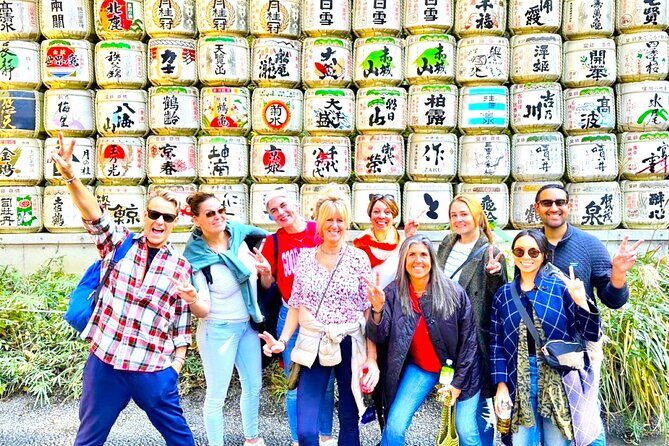
- Small group max of 5 travelers keeps it interactive instead of a lecture
- 15 stops across Tokyo covers shrine, shopping, market, tech, and old-city temples
- Foot + metro routing helps you see more without feeling stuck on buses
- Tsukiji fish market stop with sushi lunch time (you pay your own food)
- Akihabara and Ameyoko shopping streets give you Tokyo’s modern and bargain-hunting energy
- Izakaya drinks and appetizers are part of the fun, not an afterthought
How a 10-Hour Small-Group Day Works in Tokyo
This tour is built for people who want a lot of Tokyo, but still want a guide in your ear. You’ll be out roughly 10 hours, on foot and using the metro as needed, with a maximum group size of 5 travelers. That small number matters because you can ask questions, get directions, and adjust when crowds hit.
The day also has a real rhythm: you start in Shibuya’s Yoyogi area and finish in Asakusa. That means you’re traveling with the city’s geography instead of bouncing back and forth. It’s a full-on sampler: shrines and history early, big-city icons mid-day, and old Tokyo atmosphere as you wind down.
One more practical note: the program starts right on time and late arrivals can’t join. Plan to get to the meeting area early and don’t cut it close. You’ll also need to stay with your host; if you break away, the host can’t go looking for you.
You can also read our reviews of more tours and experiences in Tokyo.



From Yoyogi to Meiji Jingu: Tokyo’s Quiet Start
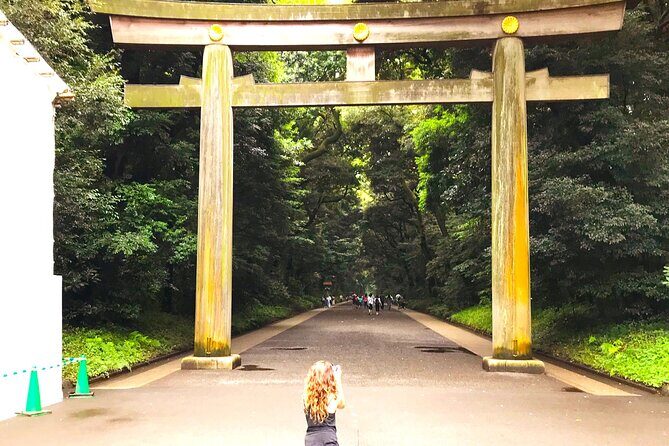
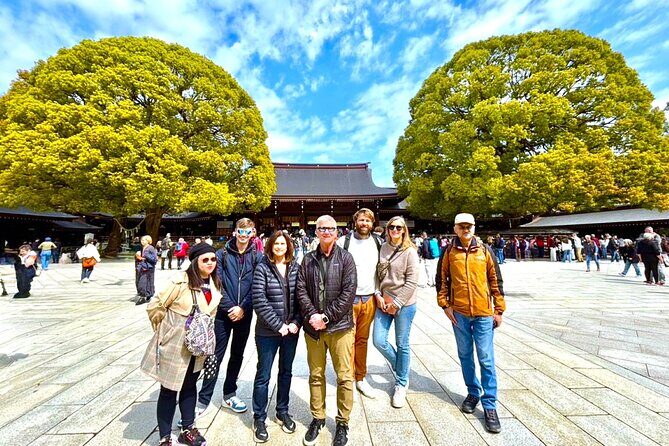
Meiji Jingu is the kind of stop that changes your mood on purpose. You get a 30-minute visit to one of Tokyo’s most important shrines, and the ticket cost is free for this stop. What I like about starting here is contrast: you begin in one of the calmest pockets in the city before the day shifts into neon, markets, and nonstop movement.
At Meiji Jingu, your guide’s job is to point out what you might otherwise gloss over—how the shrine setting works, what ceremonies and traditions mean, and how this space fits into Japan’s social and historical identity. You’re not just walking through trees; you’re learning how people relate to sacred spaces in everyday Tokyo.
If you’re sensitive to crowds, go in with the expectation that Shinto sites can still get busy. But compared to the later stops, it’s a gentler introduction and a nice reset before heading toward Harajuku and Shibuya.
Harajuku, Hachiko, and Shibuya Crossing: Pop Culture in Real Time
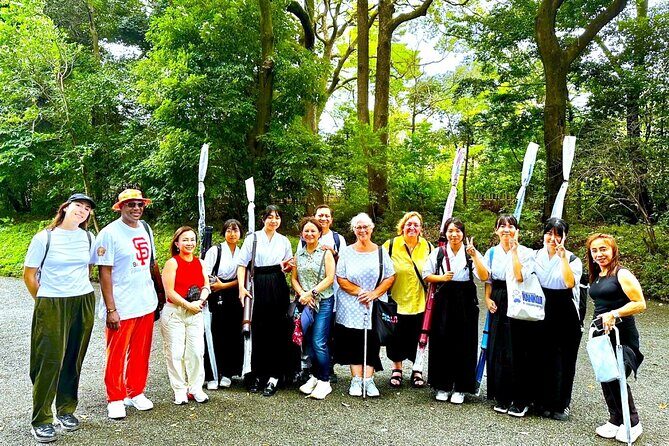
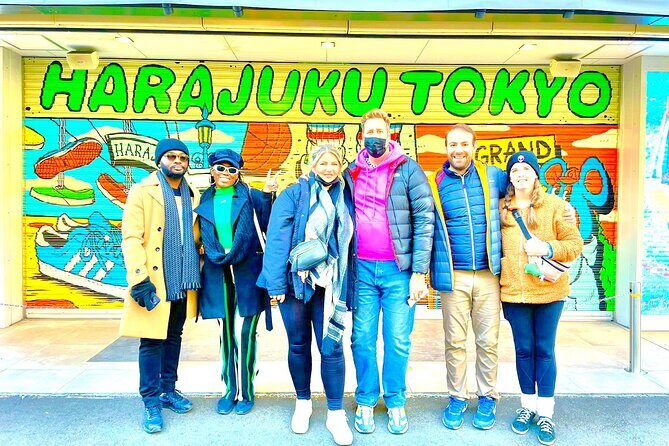
After the quiet start, you head straight into Tokyo’s “look at me” mode. Harajuku is next, with a 30-minute window at the fashion-street area. This is a great place to see how Tokyo fashion and youth culture show up in real life—people-watching with context instead of just sightseeing.
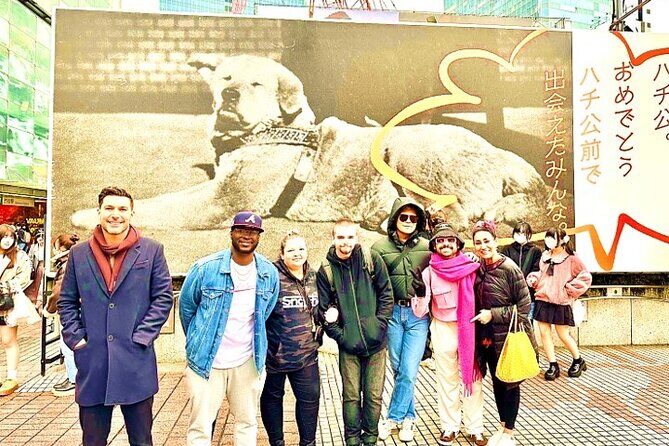
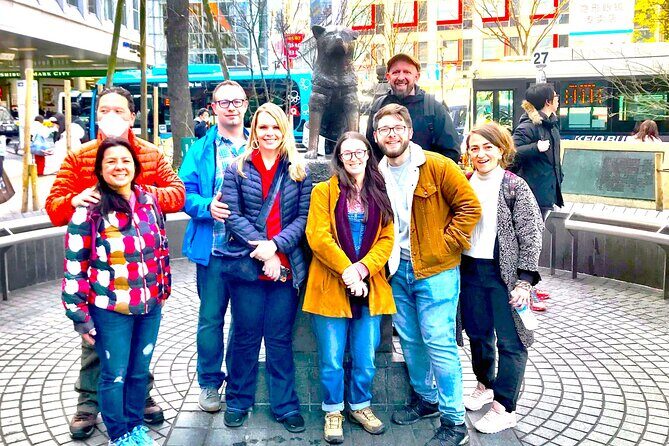
Then comes Hachiko, the beloved Shibuya dog. It’s a quick stop—about 10 minutes—but it’s iconic for a reason. Your guide can explain why the story matters and how it ties into Shibuya’s identity. It’s one of those moments where you’ll see the photo angle instantly, but the meaning lands after the explanation.
Finally, Shibuya Crossing. Another 10 minutes. This isn’t about lingering; it’s about catching the moment and understanding how the crossing works as public space. If you want the best photos, the key is timing and positioning—your guide can help you get to a spot that shows the flow of people without you having to fight for a view.
Tsukiji Hongwanji and the Fish Market: What to Do There
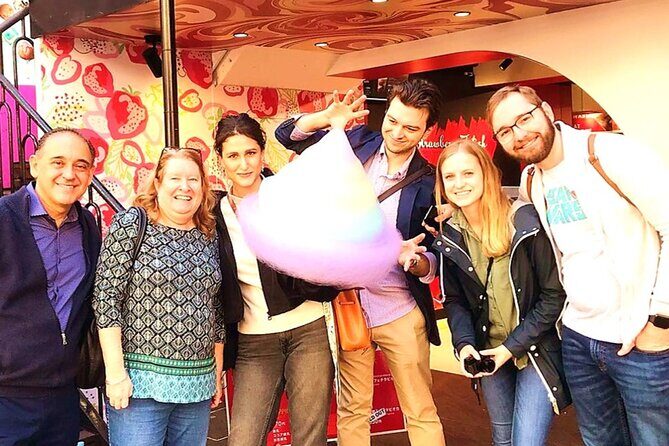
Tsukiji is split into two parts on this tour: first Tsukiji Hongwanji Temple for 30 minutes, then the fish market area for 1 hour 30 minutes, with sushi lunch time included as a chance to eat at a good restaurant.
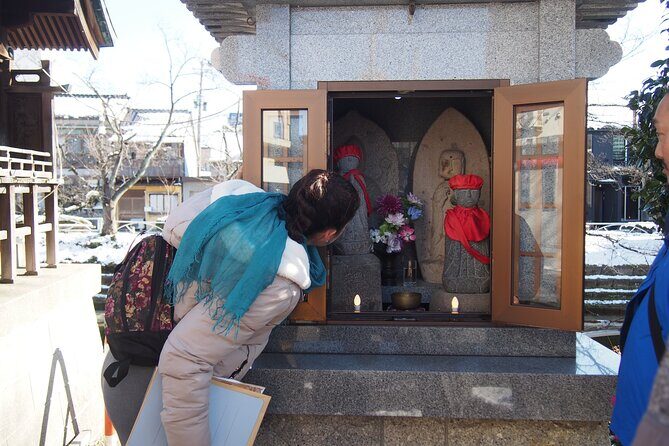
The temple stop matters because Tsukiji is more than seafood. The guide’s explanations help you understand why this area is tied to Japanese food culture and how religious sites exist alongside the city’s working life. It’s a grounding pause before the market chaos.
At the Tsukiji Fish Market stop, you’ll have time to walk through the traditional market atmosphere. The tour includes admission tickets as free for this stop, but food isn’t included. The tour often lines up sushi lunch at a nice sushi restaurant during this segment, so you’ll want cash or a card ready for your meal.
What I’d watch for: this part of the day can feel fast and busy. If you’re the type who likes to take notes or really study details, ask your guide when to slow down. Because you’re short on time, you’ll get the most out of it by focusing on the sights and the explanations rather than trying to see every stall.
Imperial Palace Area and Marunouchi: Green and Power in the Middle
Next you move into the Imperial Palace area. You’ll spend about 15 minutes walking outside, with no admission ticket cost for this stop. This time window is short, but it’s long enough to appreciate scale and the way Tokyo’s “center” blends order, space, and formality.
Then you head to Marunouchi, another 15 minutes on a major business-street area. This is one of the city’s clean, orderly stretches, and it gives you a different Tokyo flavor than Harajuku or Shibuya. You’ll also stop near Tokyo Station at the Marunouchi Ekimae Hiroba area for 15 minutes—Tokyo Station’s grand presence is hard to miss, and the guide can point out architectural cues and how the area functions.
A quick word on expectations: this segment is more about orientation and context than deep museum-style stops. If you love architecture and street design, you’ll enjoy this section a lot. If you hate short stops, it might feel like you’re moving through too quickly—but the tradeoff is you still get plenty of time later for neighborhoods you can linger in.






Akihabara and Ueno Park: Tech Meets Traditional Streets
Akihabara is a 30-minute stop, and it’s the perfect switch after the formal center of Tokyo. Even if you’re not a hardcore electronics fan, Akihabara is fun because it shows how geek culture and consumer tech mix with everyday browsing. Your guide’s commentary helps you understand what you’re seeing so it doesn’t become random storefront scanning.
Then you move to Ueno Park for 30 minutes. This is another smart contrast stop: the park gives you a breather and a look at how Tokyo’s “greens” work next to the city’s busy edges. It’s a good time to reset your legs before heading into the streets that feel more like a living market.
If you’re traveling with limited time, this pair works well: Akihabara shows the future-facing side of Tokyo, and Ueno gives you a softer, slower pace. You won’t get a long stay in each place, but you’ll leave with a stronger sense of what each neighborhood stands for.
Ameyoko Shopping Street to Asakusa: Market Energy, Then Temple Calm
Ameyoko Shopping Street comes next for 15 minutes. This is the kind of stop that’s great for quick scanning—snacks, shopping lanes, and the busy, practical side of Tokyo life. The tour’s short timing is intentional: you get a feel for the vibe without spending the whole day trapped in one shopping corridor.
Then you head to Asakusa Higashi Hongan-ji Temple for 30 minutes. After the commercial streets, the temple setting slows your pace in the best way. The guide’s explanations help you connect why Asakusa is such a magnet for visitors and locals alike.
Finally, you visit Asakusa Shrine for about 10 minutes at the Sensoji/Asakusa area. This is the photo-and-mood stop that caps the old-city feel. Even with a short visit, it’s enough to appreciate the approach, the crowds, and the way the street energy funnels toward sacred space.
One practical tip: Asakusa is a great place to keep walking after the tour if your feet can handle it. This tour ends near Asakusa Station, so you’ll be well positioned to wander for another hour if you want souvenirs, snacks, or just one more look at the lantern-and-temple atmosphere.
Price and Value: Is $104.34 a Good Deal?
At $104.34 per person, this tour competes in the “value for your time” category. Here’s why it can feel worth it:
- You’re getting a 10-hour day with a local guide handling routing, explanations, and pacing across many neighborhoods.
- Admission is listed as free for every major stop shown, and the tour includes consumption tax.
- You cover 15 key stops, including major icons plus market and shopping areas, which is hard to replicate on your own in one efficient day.
What keeps the price honest: transportation and food aren’t included. That’s normal for Tokyo walking tours, but it’s important for budgeting. You’ll want an IC card like SUICA or PASMO ready and cash on hand, since the tour recommends having cash ready.
So is it a bargain? For first-timers, I think it often is—especially if you’d otherwise pay for separate guided half-days. If you’re an independent traveler who loves building your own route, you can do it yourself. But if you want the city stitched together into one smooth story with a guide doing the heavy lifting, this is priced like you’re buying convenience plus context.
What to Bring and How to Get Ready
You’ll enjoy the day more if you prep like it’s a real hike day, not a museum day. This tour asks for moderate physical fitness, and you’ll be moving a lot between zones.
Bring:
- Comfortable walking shoes (you’ll be on your feet through multiple neighborhoods)
- Your transit IC card (SUICA/PASMO), since transportation expenses aren’t included
- Cash for food and any in-the-moment buys
- A phone battery that can survive a full day (you’ll use the mobile ticket)
Also note the rules: if you’re unwell or under the influence of alcohol, you won’t be allowed to participate. And because the tour can’t wait, arriving late is a no-go.
Weather matters too. The experience requires good weather, and if it’s canceled due to poor conditions, you’ll be offered another date or a full refund. If the minimum number of travelers isn’t met, you’ll also be offered an alternate or a full refund.
Guide Quality: Why Names Like Yasuko and Michiko Matter
This is one of those tours where the guide changes the experience. The reviews and guide mentions point to people like Yasuko and Michiko leading groups with strong explanations and a calm, supportive pace. There’s also a mention of Takashi adjusting the day when possible.
What you can expect from a good guide here is not just facts. It’s practical context: what to notice at each stop, how the city’s history shows up in everyday life, and how to move efficiently when crowds swell. With a group size of up to 5, you’re more likely to get personal answers instead of hearing one-size-fits-all commentary.
And food is part of the day’s texture too. Reviews mention eating sushi together at Tsukiji and ending with drinks and appetizers at an izakaya. Since food isn’t included, your guide’s restaurant choice still matters; you’re not guessing where to go in a market area you might not navigate well.
Who This Tour Fits Best—and Who Should Skip It
This tour is a strong match if:
- It’s your first or second day in Tokyo and you want a fast, guided city orientation
- You like a packed day with structured stops rather than long solitary wandering
- You want both famous landmarks and side streets, plus cultural explanations that make the sights click
- You prefer a small group over big coach tours (max 5 travelers helps)
It may not be the best fit if:
- You hate long days or lots of walking
- You want full control over your schedule (because the tour runs on a set time plan)
- You’re traveling without interest in food and neighborhoods and would rather do slower, single-area deep visits
Should You Book This Tokyo Full-Day Tour?
If you want Tokyo’s highlights plus local-feeling stops in one well-timed day, I’d book it. The pricing makes sense for the amount of ground you cover and the fact that you’re not doing the logistics puzzle yourself. You’re paying for routing, guidance, and culture you can’t easily piece together on your own in 10 hours.
Book it especially if you’ll appreciate a guide who helps you understand what you’re seeing at Meiji Jingu, Shibuya, Tsukiji, and Asakusa—then wraps the day with sushi and izakaya snacks.
Pass if you’re planning to stay in Tokyo for weeks and want a slower, neighborhood-by-neighborhood experience. In that case, you might do better picking one district and staying longer with no fixed pace.
FAQ
How long is the Tokyo full-day tour?
It runs about 10 hours.
What’s the group size?
The tour has a maximum of 5 travelers, so it stays small-group.
What does the tour price include?
The price includes the tour fee and consumption tax. It does not include transportation or food and beverage.
Do I need to pay for admission tickets?
The stops listed show free admission tickets for the main attractions on the route. One stop is marked as admission not included for Tokyo Station.
Is food included?
Food and beverage expenses aren’t included. The schedule includes time to eat sushi lunch at a restaurant during the market portion, so you should plan to pay for your meal.
Where do I meet the tour?
Start is at Yoyogi Station 1 Chome-34, Yoyogi, Shibuya, Tokyo 151-0053, Japan.
Where does the tour end?
The tour ends near Asakusa Station, at 1-chōme-1-3 Asakusa, Taito City, Tokyo 111-0032, Japan.
Do I need a transit IC card?
You’re recommended to prepare a transportation IC card such as SUICA or PASMO in advance.
What’s the refund and change policy?
This experience is non-refundable and cannot be changed. If canceled due to poor weather or if the minimum traveler requirement isn’t met, you’ll be offered a different date or a full refund.