REVIEW · TOYAMA PREFECTURE
Small Group Sightseeing Tour Visit to Toyama with Lunch Included
Book on Viator →Operated by Live Like a Local project · Bookable on Viator
A city where people bottle spring water daily. This small-group tour turns that daily habit into a walk you can taste and learn from: you ride local transit into Toyama’s neighborhoods, stroll past jizo statues and resident-tended gardens, and finish by making onigiri using spring water and locally sourced fillings. I especially like how the day feels practical and human, with time to talk with shopkeepers and see how locals use the water source.
The one possible drawback is that this is a walk-and-cook experience, not a whirlwind of big-ticket sights. If you dislike walking (or you want very little time in shops), plan for comfortable shoes and a slower pace that centers on food and everyday life.
In This Review
- Key highlights you’ll care about
- Toyama’s compact-city vibe: how the 3.5-hour plan flows
- From Toyama Station to Ishikura-machi: riverside walking and spring water basics
- Chuodori shopping street: where conversation is part of the tour
- Jibamonya grocery stop: choosing seasonal vegetables for your lunch
- Maruno-Uchi tram moment: quick, easy transit into the onigiri workshop
- Mebuki House onigiri workshop: spring-water rice, miso soup, and dessert
- Price and value: what $85.20 buys in real terms
- Who this Toyama slow-life tour is best for
- Practical tips before you go (so the day stays fun)
- Should you book this Toyama onigiri-and-spring-water tour?
- FAQ
- FAQ
- How long is the Toyama sightseeing tour?
- What time does the tour start?
- Where do I meet the tour?
- Where does the tour end?
- Is lunch included?
- Can I drink or bottle the spring water?
- Is the group size small?
- Are any parts of the tour free to enter?
- Do I need to bring anything for the cooking part?
- Can I tell them about dietary restrictions?
- What is the cancellation window?
Key highlights you’ll care about
- Spring water you can bottle and drink at a riverside source used by locals
- Hands-on onigiri making with miso soup and dessert included in lunch
- Small group of up to 5 people, so the guide can keep things personal
- Local shopping street + grocery stop, focused on seasonal vegetables
- Use of Toyama’s public transit, including a bus ride and a short tram segment
- Dietary restrictions handled when you tell them ahead of time
Toyama’s compact-city vibe: how the 3.5-hour plan flows
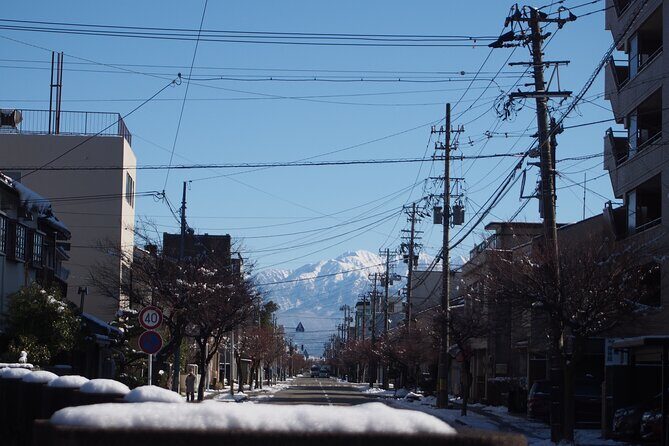
Toyama is the kind of place where you can cover a lot without stress. This tour uses that idea well: you don’t just get dropped at a famous spot and sent back out. Instead, you start at Toyama Station, hop on a bus to get into the riverside area, and then you keep moving on foot with short transit hops built in.
The tour lasts about 3 hours 30 minutes, starting at 9:00 am. That timing is useful because you’re up while daily routines are still fresh—especially around the spring water area, where locals come to bottle water throughout the day. For me, that’s when “slow life” stops being a marketing phrase and starts feeling real.
There’s also a smart value angle: you’re paying for more than sightseeing. Your lunch includes rice, miso soup, and dessert, and you’re participating in the onigiri process rather than just being handed a plate. If you like food that has a story attached—water source, seasonal vegetables, and local fillings—this fits.
You can also read our reviews of more tours and experiences in Toyama Prefecture.

From Toyama Station to Ishikura-machi: riverside walking and spring water basics
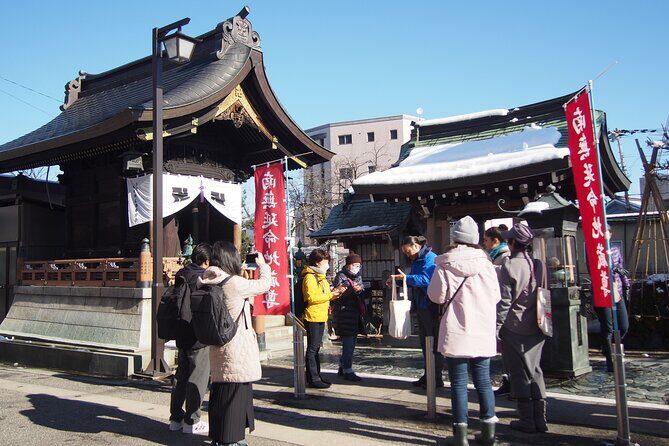
Your day begins close to Toyama Station, with the meeting point listed as Toyama Station (about a 7-minute walk away). The first stop gets you on the city bus, specifically the Maidohaya Bus East Route, with a ride that’s about 25 minutes. The idea is simple: get you out of the station area quickly, so the meaningful part of the day is spent on foot in neighborhoods.
Stop 2 is where the tour earns its reputation. You walk along the Itachigawa riverside neighborhood past jizo statues and small gardens tended by residents. These aren’t just background scenery. The point is to notice how ordinary spaces are cared for—something you usually miss when you’re only in transit from one headline attraction to another.
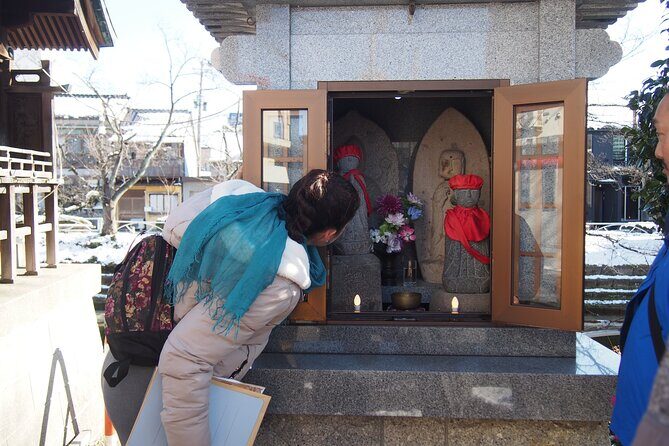
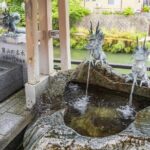
Then you reach the spring water source at Ishikura-machi Enmei Jizo. Here’s the practical part: you can bottle and drink the cold fresh water. You can bring your own bottle, or you can buy one to use. Since this is a working water spot locals visit all hours, it helps you understand why people treat this like part of daily life, not a tourist spectacle.
What to watch for: if you’re sensitive to cold water, you’ll still want to taste it—just take it slowly. And if you want photos, be respectful of people filling bottles and moving around.
Chuodori shopping street: where conversation is part of the tour
After the riverside stretch, you move into Chuodori, described as the heart of Toyama City’s shopping district with longstanding, traditional shops. This is one of my favorite types of stops: it’s not “shopping time” as entertainment. It’s shopping as culture, with time to see how local businesses operate and even talk with shopkeepers.
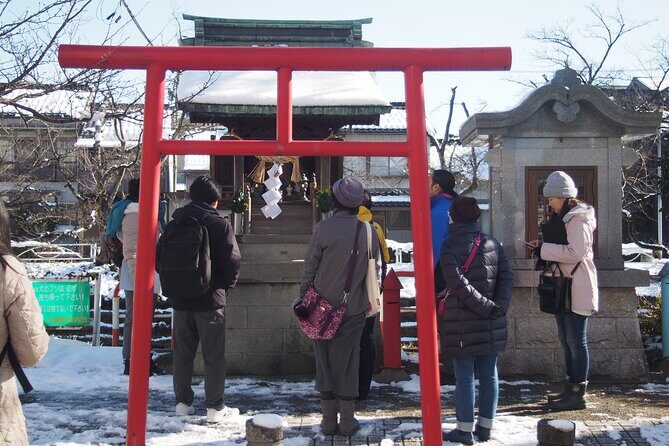
You’ll also pass Chukyoin shrine, described as the smallest shrine in Japan, plus a Kombu shop. Toyama is known for UMAMI culture and for having some of the highest Kombu consumption in Japan. Even if you’re not a kombu expert, you’ll get the idea fast: it’s not just an ingredient here; it’s part of the local identity.
Good to know: this segment is about 20 minutes, so you won’t feel like you’re being pulled in every direction. You can still pause for a quick look, read signs, and take in the small-scale rhythm of the area.
Jibamonya grocery stop: choosing seasonal vegetables for your lunch
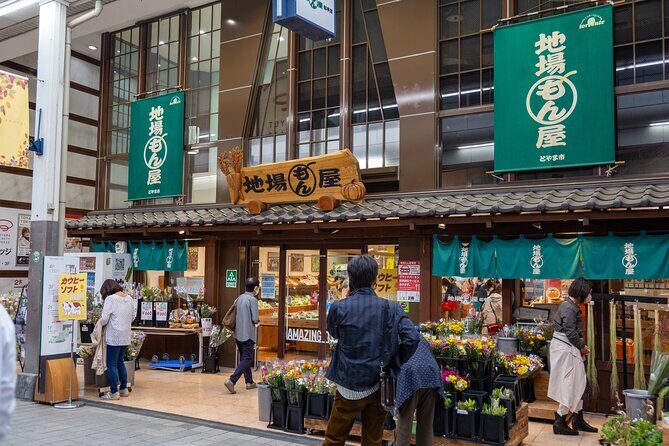
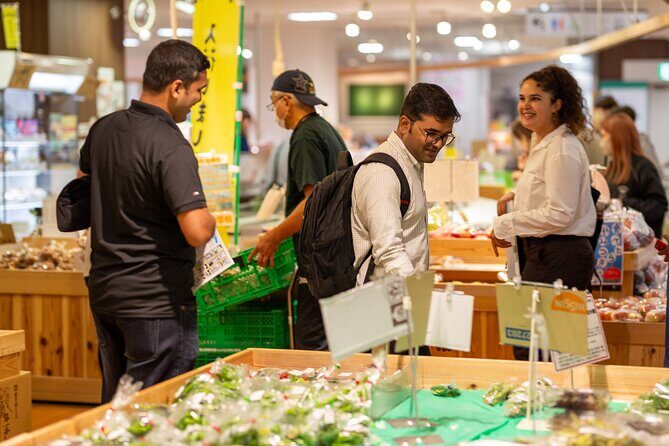
Next comes a stop that turns the food story from interesting into personal: 総曲輪通 leads you to the grocery store Jibamonya. The tour gives you about 30 minutes here, which is enough time to browse and pick vegetables for lunch.
Why this matters: onigiri gets better when it’s built around real ingredients. Jibamonya sells fresh local agricultural products and also processed goods within Toyama City, and the store is described as busy with local customers. That’s a good sign. It means people aren’t buying food here just to be seen—they’re buying it because it’s what’s good that day.
You’ll buy local vegetables for lunch, tying the earlier spring water theme to something you can actually taste. If you’re the type who likes to eat what the region would eat at home, this grocery stop is a win.
Small consideration: if you’re picky or have strong taste rules, tell your guide about preferences early. The tour explicitly asks you to let them know about dietary restrictions, which helps them plan fillings and soup components responsibly.
Maruno-Uchi tram moment: quick, easy transit into the onigiri workshop
Between the shopping and the final food-making stop, you ride one more local transit segment: the tour has you go to Maruno-Uchi Station and take the city tram, a defining part of Toyama’s compact-city transport.
This part takes about 5 minutes, with a tram ride that’s included. It’s brief, but it helps you feel Toyama moving like a local city rather than a place you only visit while standing still.
Practical tip: keep your camera away on the tram if it’s crowded. People may be getting on and off quickly, and it’s better to move with the flow than to hold up the aisle.

Mebuki House onigiri workshop: spring-water rice, miso soup, and dessert
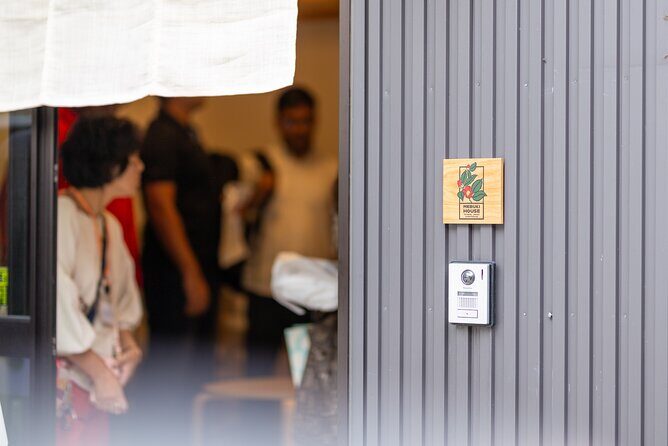
The heart of the tour happens at Mebuki House. You’ll arrive for 1 hour 25 minutes, including making your own onigiri, then eating your handmade lunch.
This is where your lunch stops being a side benefit and becomes the main event. You’ll learn how to make onigiri and choose your own fillings. After that, you enjoy what you made—served with miso soup and dessert.
Two details make this lunch feel special, based on what the tour highlights:
- The rice and miso soup are made with spring water.
- The soup includes local vegetables.
In the reviews, that combination shows up again and again. People call out the rice cooked with spring water and describe the onigiri lunch as standout or the best they had. They also mention that the host couple was friendly and honest, and that the lunch was delicious in a way that doesn’t feel gimmicky—more like food with a strong point of view.
What you’ll walk away with: even if you don’t remember every step, you’ll understand the logic of onigiri in everyday life. It’s portable, flexible, and built around simple ingredients. And because you chose fillings and used ingredients tied to the earlier stops, it tastes like your day, not a standard meal.
One consideration: because this is a hands-on activity, it helps if you’re comfortable with a bit of kitchen time and don’t mind getting slightly messy.
Price and value: what $85.20 buys in real terms
At $85.20 per person, this tour isn’t “cheap,” but it also doesn’t feel overpriced for what’s included—if you care about the food part.
You’re getting:
- Local bus and tram segments within the route
- Access to the spring water experience (with bottle options)
- A grocery stop tied to lunch ingredients
- A full onigiri workshop session
- Lunch: homemade onigiri + miso soup + dessert
What makes it good value is the balance: you’re not paying mostly for transport or mainly for standing at a view. You’re paying for the sequence of experiences that support lunch with a story—spring water → seasonal vegetables → rice and miso using those inputs → onigiri you shape yourself.
Also, the group size helps value feel better. With a maximum of 5 travelers, it’s easier to ask questions and keep the experience moving without waiting for the guide.
Who this Toyama slow-life tour is best for
This is a strong match if you like:
- Food experiences that are hands-on, not just tastings
- Small-group tours where you can ask questions
- Slow travel built around daily rituals, especially spring water use
- Walking at an easy-to-moderate pace with a few transit hops
It can be less ideal if you want only famous landmarks, or if you’d rather spend your time in one big museum or viewpoint. The emphasis here is everyday life—riverside water sources, local shopping streets, and cooking at Mebuki House.
Diet-wise, the tour asks you to communicate restrictions. If you can share what you need in advance, you’ll likely have a smoother experience.
Practical tips before you go (so the day stays fun)
- Wear comfortable shoes. You’ll be walking through a riverside neighborhood and backstreets.
- Bring a small bottle if you have one, especially if you’re picky about bottle type or want to save time buying one at the spring area.
- Tell the guide about dietary restrictions when you book, not after you arrive.
- Since it’s a small group, be ready to move at the group’s pace and keep your schedule flexible inside the 3.5 hours.
One more tip: if you’re curious about kombu and the UMAMI culture, don’t overthink it. Showing interest with simple questions is enough, and you’ll likely pick up useful context just by watching how people shop and talk.
Should you book this Toyama onigiri-and-spring-water tour?
If you’re in Toyama and you want more than photos, I’d book it. This tour gives you a complete arc: local transit + riverside spring water + seasonal grocery shopping + making lunch yourself. The spring water theme isn’t abstract either. You get to bottle and drink it, and then you eat with rice and miso made using that same water idea.
I’d skip it only if you strongly dislike hands-on cooking, or if you want a day packed with major attractions instead of a slow, food-centered route. If that’s your style, the tour fits Toyama’s pace perfectly.
FAQ
FAQ
How long is the Toyama sightseeing tour?
The tour is about 3 hours 30 minutes.
What time does the tour start?
The start time is 9:00 am.
Where do I meet the tour?
Meet at Toyama Station (listed as 1-225 Meirinchō, Toyama) and it’s about a 7-minute walk from Toyama Station.
Where does the tour end?
It ends at Mebuki House (2-chōme-1-3 Jinzūhonmachi, Toyama).
Is lunch included?
Yes. Lunch at Mebuki House includes the onigiri you make, miso soup, and dessert.
Can I drink or bottle the spring water?
Yes. You can bottle and drink cold fresh spring water at the spring water source at Ishikura-machi Enmei Jizo. You can bring your own bottle or buy one to use.
Is the group size small?
Yes. The tour has a maximum of 5 travelers.
Are any parts of the tour free to enter?
Several stops are described as admission ticket free, including the riverside walk, Chuodori sights, Chukyoin shrine, and the grocery store stop. Some segments have admission or tickets included, like the bus and tram components and the onigiri workshop.
Do I need to bring anything for the cooking part?
The tour advises you to wear comfortable shoes for walking. For dietary needs, it asks you to let the provider know beforehand. The data does not list any other required items for cooking.
Can I tell them about dietary restrictions?
Yes. The tour specifically asks you to let them know of any dietary restrictions.
What is the cancellation window?
You can cancel for a full refund up to 24 hours before the experience’s start time.