REVIEW · TOYAMA PREFECTURE
Japanese Traditional Dyeing in Toyama
Book on Viator →Operated by 藍染め屋aiya · Bookable on Viator
One-of-a-kind cloth starts with living indigo. This Japanese traditional indigo dyeing experience in Toyama focuses on the full link from seeding and growing to the color you see on your own item, plus you can add optional field time if you want a deeper look. I especially like the small-group feel (max 5) and the fact that the studio approach is described as rarely done consistently, so it’s more than a simple craft demo.
You’ll likely appreciate the cozy, hands-on guidance too—aprons and gloves are provided, and the tone is friendly and practical. The one thing to consider: you should come in clothes that can get dirty, because this is real dye work, not a hands-off show.
In This Review
- Key Things to Know Before You Go
- Indigo From Seed to Dye: What Makes Toyama’s Indigo Different
- 藍染め屋aiya Workshop Setup: Small Group, Real Hands-On
- What You Make: Your Original Item in Indigo
- Wear for Dyeing: Aprons, Gloves, and Getting Comfortable
- Optional Field Guidance: Seeing the Growing Link Up Close
- Time on the Clock: Making the Most of Two Hours
- Price and Value in Plain Numbers: Is $55 Fair?
- Weather, Pace, and Who This Workshop Suits Best
- Should You Book Japanese Traditional Dyeing in Toyama?
- FAQ
- FAQ
- Where does this experience start?
- How long does Japanese Traditional Dyeing in Toyama take?
- How much does it cost?
- What’s included in the $55?
- What’s not included?
- How many people can be in the group?
- Do I get a ticket I can show on my phone?
- What should I wear?
- Can I go to the field?
- What happens if the weather is poor?
- What is the cancellation policy?
Key Things to Know Before You Go
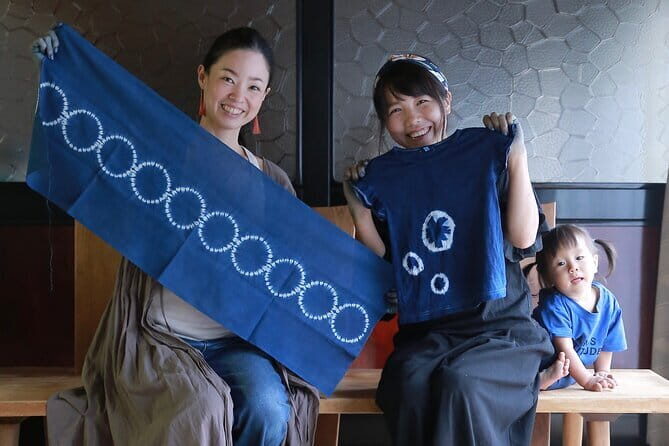
- Seed-to-dye indigo: the color comes from a process tied to seeding and growing, not just pre-made dye.
- Small group, big attention: up to 5 travelers means you get help when you need it.
- You make your own item: you’re not watching while someone else creates.
- Optional field guidance: you can be guided to the field if you want to see the link to farming.
- Wear-for-dyeing policy: aprons and gloves help, but your clothes may still take a hit.
Indigo From Seed to Dye: What Makes Toyama’s Indigo Different

Toyama’s indigo traditions aren’t just about producing blue cloth. The core idea here is that the dye comes from an indigo-growing process—described as being made from seeding and growing. That matters because it turns the workshop into a story you can feel in your hands, not just a technique you copy.
If you’ve done crafts in Japan before, you might be used to “step one, step two” instructions. This one pushes further. You’re guided through indigo dyeing while also learning how the growing side connects to the dyeing side, which is the part many short workshops skip entirely.
This is also why the experience is described as very rare for studios to do consistently. It suggests a steady, ongoing practice—something built on careful repetition rather than a one-off event. You’ll get better value when the method is real and maintained, not just performed.
You can also read our reviews of more tours and experiences in Toyama Prefecture.

藍染め屋aiya Workshop Setup: Small Group, Real Hands-On
The workshop runs from 1690 Kakuma, Uozu, Toyama, and it ends back at the meeting point. That simple “start and return” setup makes it easier to plug into a day in Uozu without overthinking transportation planning.
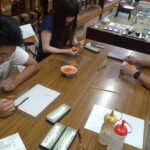
You’ll be in a group of up to 5 travelers, which is a big deal for something this hands-on. When there are fewer people, the guide can slow down for you if you’re unsure, and you’re more likely to get practical tweaks while you work on your own item.
The experience fee is $55, and materials cost is included in that package. In other words, you’re paying for the craft time plus what you need to make your own piece, not just for a guide who tells you what to do off-site.
And the provider is 藍染め屋aiya, a studio experience with the kind of focus you want if your goal is authenticity rather than a fast souvenir run.
What You Make: Your Original Item in Indigo
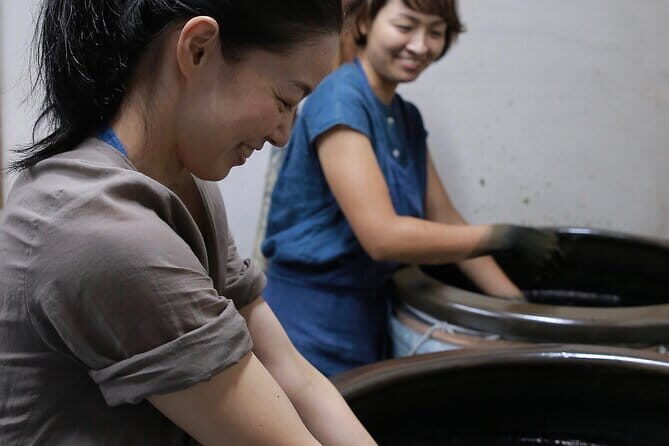
The workshop centers on one main promise: you’ll dye your own original item. The goal isn’t to make something identical to everyone else’s. Instead, it’s described as helping you create an item that’s one-of-a-kind.
Because the details of the item options aren’t spelled out in the info you provided, I can’t claim you’ll choose from a long list. But I can say the emphasis is on personal design and making something you care about enough to keep.
One of the reviews mentions designing a scarf with support from the hostess. That hints at clothing items being a natural fit for this kind of dyeing and design guidance. Even if you don’t choose a scarf, the spirit is the same: you’ll be guided so your item reflects your choices and your style.
Practical tip: if you’re the type who freezes when you get creative prompts, don’t worry. The guide support is included, and the environment is built for learning. Show up with a basic idea (shape, pattern direction, or what kind of look you want), and let the workshop help you refine it.
Wear for Dyeing: Aprons, Gloves, and Getting Comfortable
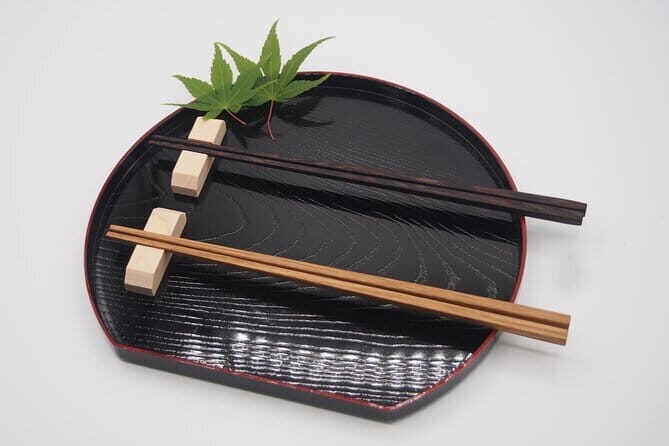
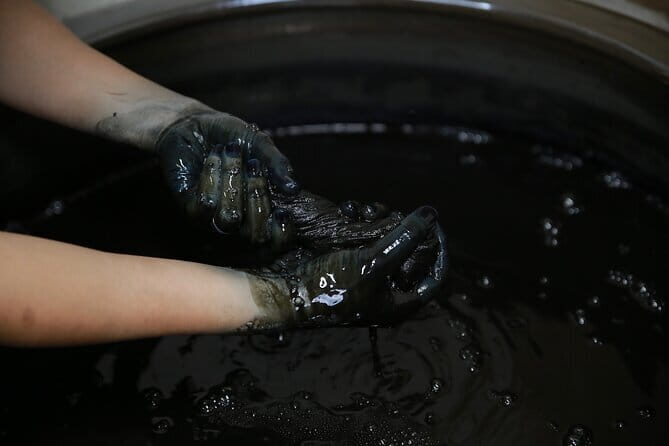
The experience includes aprons and gloves, but you still need to plan for messy potential. The info is clear: please come in clothes that can get dirty. That’s normal for dyeing work, and it’s part of why the results look real.
For your comfort, I’d suggest:
- Wear something you can wash later without guilt.
- Choose sleeves and shoes that won’t ruin your day if they stain.
- Skip delicate fabrics you’d hate to experiment on.
If you’re traveling light, this is where the math matters. Since you’ll be doing indigo dyeing, you may want a spare top or something easy to launder anyway. It’ll save stress, and you’ll enjoy the session more.
Also, since you might be handling dye-related processes, closed-toe footwear is a sensible call. You won’t regret being prepared for a workshop that feels like a working studio.
Optional Field Guidance: Seeing the Growing Link Up Close

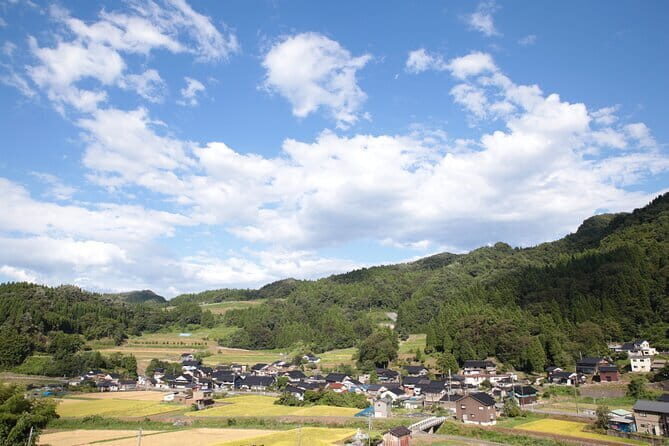
One of the more interesting features is the option to go to the field. The experience says you can be guided to the field if you want to see the process behind the dye. That connects directly back to the claim that indigo here is made from seeding and growing.
This is valuable if you enjoy learning by seeing. Field time can help you understand why dyeing is slow, why timing matters, and why the material quality matters. Even if you don’t go, you’ll still hear about the growing side as part of the overall explanation.
If you do choose field guidance, plan for the vibe to be more “outdoor farm walk” than “museum explanation.” It’s not described as strenuous, but it is described as going to the field, so it’s smart to treat it like outdoor time.
Practical choice: pick field time if you’re the type who remembers lessons better when you can picture the source. Skip it if you’re short on energy and want to focus fully on dyeing your item.

Time on the Clock: Making the Most of Two Hours
The workshop runs about 2 hours. That’s long enough to learn, dye, and make decisions, but short enough that you’ll want to stay mentally present.
The flow you can expect is:
- Start at the meeting point in Uozu (back to the same spot at the end).
- Get guidance and materials for the indigo dyeing process.
- Work on dyeing your own original item.
- Optionally, add field time if you want to see the seeding/growing link.
Because the exact sequence isn’t broken into minute-by-minute stops in the info you provided, I’m not going to pretend it’s rigid. But I can still help you prepare.
To get the most from your time:
- Arrive a little early so you can get settled.
- Decide your item preferences early so you’re not stuck thinking mid-process.
- Ask questions while you can still affect your technique. In dye work, clarity early often saves frustration later.
Also, this is an experience with a max group size of 5, so interaction time is your advantage. Use it. If you have questions about what you’re doing, ask during the hands-on parts, not at the very end.
Price and Value in Plain Numbers: Is $55 Fair?

At $55 for about 2 hours, this workshop is priced like a serious local craft experience, not a quick tourist activity. The key value point is what’s included:
- experience fee
- materials cost
- guide
That matters because dyeing isn’t just “instructions.” Materials can be a hidden cost in many workshops, and sometimes you only get them if you pay extra. Here, the info you shared says materials cost is included.
Then there’s the authenticity factor. The overview states that the studio’s consistent approach to this process is rare. Even without a long lecture, the emphasis on seed-to-dye connection suggests you’re paying for a workshop grounded in ongoing practice, not just a one-time demonstration.
One more value angle: the small group size of up to 5 means you’re more likely to get individualized help. Even if the hands-on steps are similar across participants, the guidance can make the difference between something you feel good about and something you wish you’d done differently.
If you’re comparing value, focus less on the dollar amount and more on the included materials, the small group size, and the field/growing link.
Weather, Pace, and Who This Workshop Suits Best

This experience requires good weather. If it’s canceled due to poor weather, you’ll be offered a different date or a full refund. That’s important because you may want optional field guidance, and dyeing work is affected by conditions.
In terms of participation, the info says most travelers can participate, and the experience is described as possible regardless of age. That suggests the workshop is designed with learning in mind rather than strict physical barriers.
Who tends to enjoy this most:
- People who like crafts with a story behind them, not just a finished product
- Anyone curious about how agriculture and dye connect
- Travelers who want fewer people and more guidance
- Folks who don’t mind getting a bit messy for a hands-on souvenir
Who might hesitate:
- If you hate stained clothing or aren’t willing to wear something disposable
- If you want a fully indoor, fully predictable schedule regardless of weather (because good weather is required)
Should You Book Japanese Traditional Dyeing in Toyama?
If your goal is an authentic craft that feels grounded in real process, I think this is a strong booking. The standout reasons are seed-to-dye indigo, the small group cap at 5, and the fact that the experience is described as something studios rarely do consistently. You’ll come away with more than a photo—you’ll understand the connection between growing and dyeing, and you’ll have a personal item you made yourself.
Book it if you:
- want hands-on learning
- like traditional techniques with practical guidance
- can wear clothes that can get dirty
- are traveling with enough flexibility for good weather
Skip it if you:
- need a totally mess-free craft
- dislike outdoor time enough to avoid field guidance
- can’t adjust your schedule if weather forces a date change
FAQ
FAQ
Where does this experience start?
The experience starts at 1690 Kakuma, Uozu, Toyama 937-0834, Japan.
How long does Japanese Traditional Dyeing in Toyama take?
It lasts about 2 hours.
How much does it cost?
The price is $55.
What’s included in the $55?
The experience fee, materials cost, and a guide are included.
What’s not included?
Private transportation is not included.
How many people can be in the group?
The maximum group size is 5 travelers.
Do I get a ticket I can show on my phone?
Yes. The tour uses a mobile ticket.
What should I wear?
Wear clothes that can get dirty. Aprons and gloves are provided, but dye work can still be messy.
Can I go to the field?
You can be guided to the field if you want to go.
What happens if the weather is poor?
The experience requires good weather. If it’s canceled due to poor weather, you’ll be offered a different date or a full refund.
What is the cancellation policy?
You can cancel for free up to 24 hours in advance for a full refund. Changes less than 24 hours before the start time aren’t accepted.