REVIEW · TOYAMA PREFECTURE
Japanese Chopsticks Making in Toyama with Guide
Book on Viator →Operated by 庄川ウッドプラザ · Bookable on Viator
A block of wood turns into your personal chopsticks. In Toyama’s Shogawa Wood Plaza, you get to choose from 10+ wood types and shape them with an easy planing method. I especially like that the process is beginner-friendly, and I also like that you can decide the length and thickness so the result actually fits you. The one thing to think about: some woods are harder than others, so your chopsticks may take more effort if you pick the toughest option.
This is a compact workshop in the woods, based in Shogawa-cho (Tonami City), a place known for wood culture and certified local brands. You’ll spend about an hour making chopsticks, and you’ll leave with a tangible souvenir you can use at home. If you’re only looking for quick photos and zero hands-on work, you might find this style of activity more work than you expected.
In This Review
- Quick hits before you go
- Shogawa Wood Plaza: a wood workshop you can feel
- Choosing your wood: where the whole experience starts
- Planing chopsticks your way: length, thickness, and real control
- The guide’s role: friendly help that keeps you moving
- What you’ll do on-site (and why each step matters)
- Duration, group size, and where it starts
- Price and value: why $14.33 can make sense
- Who should book this chopstick workshop?
- Small comforts that make the experience smoother
- Final advice: should you book Japanese chopsticks making in Toyama?
- FAQ
- FAQ
- What is the duration of the Japanese chopsticks making experience?
- Where does the tour start and end?
- How much does it cost?
- What is included in the price?
- What languages are available for the guide?
- Can I choose the size of my chopsticks?
- What kinds of wood can I choose from?
- Is there a cancellation option if plans change?
Quick hits before you go
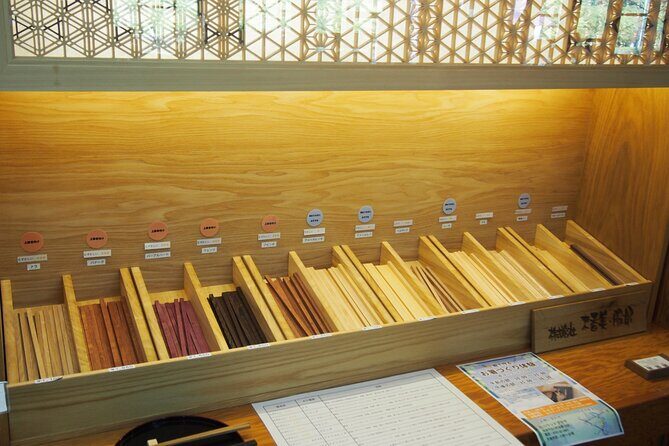
- Choose from 10+ woods such as cypress and hiba, with options that differ in hardness, color, and even aroma
- Pick your size: you control the chopstick length and thickness
- Planing-focused making: the workshop centers on using a 鉋 (kanna-style planer) with guidance
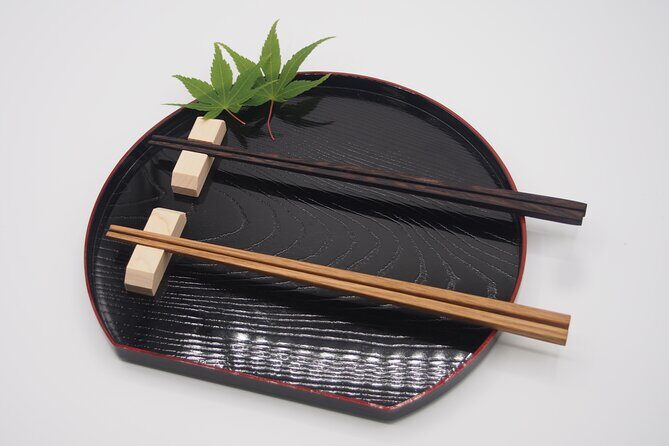
- One-of-a-kind result: you leave with chopsticks in the natural color of your selected wood
- Small group setting: up to 4 people, so you get real attention while you work
Shogawa Wood Plaza: a wood workshop you can feel
Toyama’s Shogawa area has a wood identity, and this workshop puts you right inside it. The experience is based around Shogawa-cho in Tonami City, home to Shogawa Woodturning that’s certified as a Tonami brand. That local branding matters because it usually means the workshop takes pride in materials and methods, not just the act of selling a souvenir.
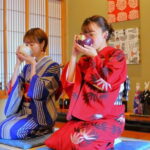
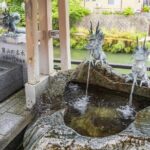
When you arrive, the setting helps you shift gears from travel mode to maker mode. One of the nice parts is that the workshop environment feels outdoorsy and rural, with references to a giant water mill and even a foot spa in the area. Even if you only use those extras lightly, the point is clear: this is a place about wood craft, not a generic shopping stop.
The experience itself is built to be doable in a single session. You’re in and out in about 1 hour, and the activity ends back at the meeting point, so you’re not left guessing what comes next. That makes it a solid choice when you want a memorable activity without losing half a day.
You can also read our reviews of more guided tours in Toyama Prefecture
Choosing your wood: where the whole experience starts
Your biggest decision comes early: what wood do you want your chopsticks to be made from? You’ll work with chopsticks made from more than 10 different types of wood, including cypress and hiba. That sounds like a lot, and in practice it’s a chance to personalize not just color, but also effort and final feel.
One of the most useful ways to think about this selection is to treat wood as three things:
- Hardness: softer woods usually plane more easily
- Color: natural tones show through as you shape the chopsticks
- Aroma and character: some woods have a noticeable scent, which adds to the sensory side of the workshop
I like that the workshop invites you to choose based on what you care about, not just what’s available. If you’re traveling with kids or anyone who hasn’t done hand tools before, you may want to steer toward softer woods, since harder types can take more control and strength with the tools.
Also, don’t underestimate how much this choice affects the fun factor. Picking a wood you’re curious about gives you a reason to pay attention during planing and shaping. And when you finish, you’ll notice the difference immediately every time you use the chopsticks.
Planing chopsticks your way: length, thickness, and real control
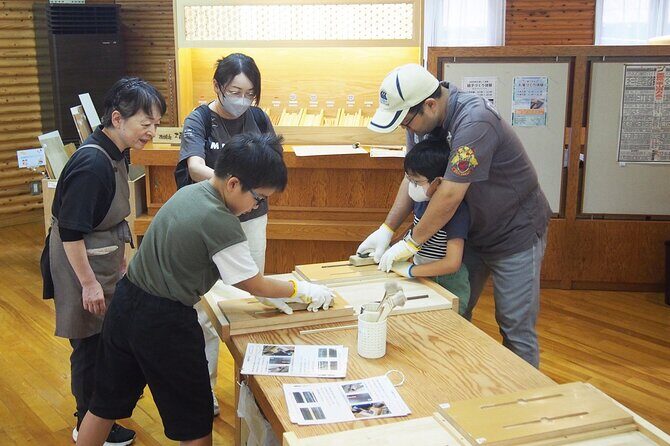
Here’s the heart of the experience: you’ll shape your chopsticks with a simple, controlled planing process. The core work is described as planing, using tools like a 鉋 (kanna-style planer), plus other support tools.
What I think is genuinely valuable for most people is that you’re not forced into a single shape. You can freely decide the length and thickness, which means your chopsticks can match your own style at the table. Tall person, short chopstick habit, thicker or thinner grip—this workshop lets you make that call.
The planing method also keeps the experience grounded and predictable. You’re not doing complex carving with lots of steps you can mess up. The workshop is built so that even beginners and children can participate with peace of mind, largely because the process is straightforward and guided.
A practical note: planing is work. It’s not heavy gym work, but it’s active handwork. If you choose a harder wood type, the effort can rise. That’s not a problem—just know that the activity is hands-on, not a passive demonstration.
After about 30 minutes of work, you’re set up to have the chopsticks shaped and looking like the real thing. The natural wood color shows through, and you end up with chopsticks that feel like yours, not like a mass-produced kit.
The guide’s role: friendly help that keeps you moving
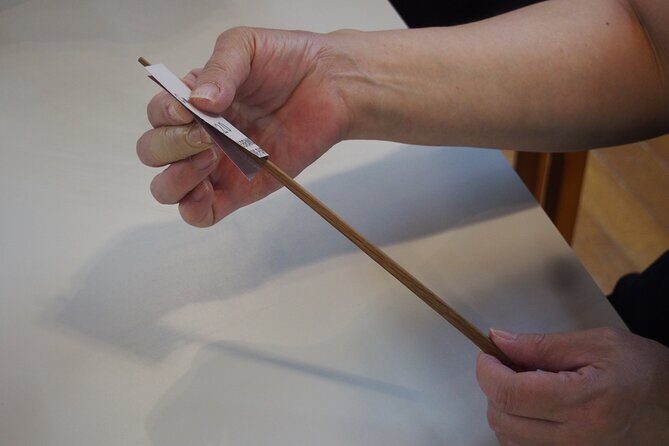
This is a guided activity, offered in Japanese or English, and it runs with a maximum of 4 travelers. Small group size is more than a comfort perk. It usually means you get help when you need it, instead of waiting your turn.
The vibe from the experience is described as patient and friendly. The guides help you enjoy the process, not just pass through the steps. There’s even a playful tone referenced in how instruction is delivered—think of it as coaching you through the moment so you don’t get stuck.
In plain terms, the guide is there to help you:
- start with the correct hand position and tool use
- keep your shaping on track
- make decisions easier when you’re choosing wood types or sizing
If you’re the type who worries about messing up, this kind of guidance is exactly what you want. It turns a potentially intimidating wood-tool moment into a satisfying skill-building experience.
What you’ll do on-site (and why each step matters)
You’re not given a long, multi-stop schedule, which is part of the charm. The activity is focused, and that makes it easier to fit into a day.
Here’s how the workshop experience typically unfolds:
First, you’ll be guided through selecting your wood. This step isn’t just a formality—it shapes the difficulty level and the final look. Since the wood options include multiple types with different hardness and character, it’s worth taking your time here.
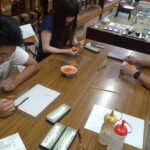
Next comes the shaping phase. You’ll start planning and planing the piece into chopstick form, using the tools provided. Because you can decide length and thickness, you’ll be actively shaping to your preferences, not following a fixed template.
Then you’ll finish the chopsticks. A common final touch mentioned is oil, which makes sense in a wood workshop: oil brings out the wood’s natural beauty and helps protect the surface. When you’re done, you should have a pair of chopsticks with the natural color of your wood choice.
Finally, you might have time to explore the area around the workshop. Some visitors mention exhibits, plus a café and local extras like sweets and cosmetics, and also viewing wooden kitchen/office tools. Even if you don’t spend long there, it’s nice to know this isn’t just a single activity in a vacuum.
The value here is that each step connects back to the end result. You pick wood → you shape based on your size choices → you finish in a way that improves what you made.


Duration, group size, and where it starts
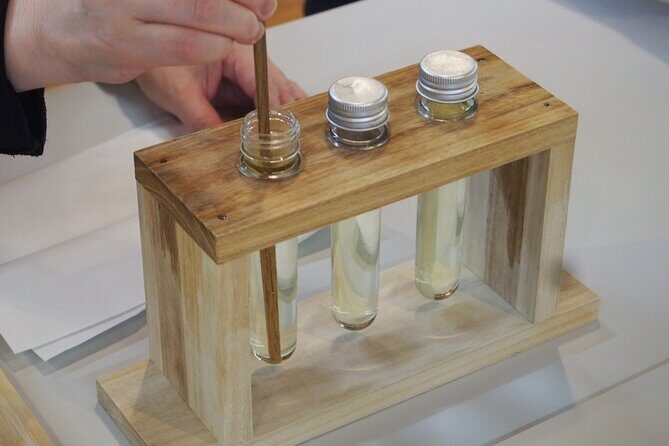
The workshop is about 1 hour (approx.), and the activity ends back at the meeting point. That makes planning easy. You don’t need to build a complicated schedule around it.
The group size is small: up to 4 travelers. If you care about hands-on attention, this matters. It also helps keep the tool work feeling calm instead of rushed.
The start and end point is:
1058 Shōgawamachi Kanaya, Tonami, Toyama 932-0305, Japan
The provider is 庄川ウッドプラザ (Shogawa Wood Plaza).
If you’re coming from Toyama Station, one practical note from planning perspective: it’s reported as roughly 28 km and about 45 minutes by car. That means you’ll probably want to treat this as a local excursion and plan transport accordingly.
Price and value: why $14.33 can make sense
The price is $14.33 per person, and it includes all fees and taxes plus the use of tools (including 鉋 and other tools). You also get a guide, and guide languages are Japanese and English.
When you compare that to typical souvenir spending, the value is clear: you’re not paying mainly for an object. You’re paying for guided, hands-on labor, plus materials (the wood types) and tool use.
There’s also an emotional value that doesn’t show up on a receipt. Chopsticks are a daily-life item. Having your own handmade pair makes the experience stick around long after the workshop ends—especially if you actually use them at home.
The only cost that isn’t included is personal expenses, which you might spend if you browse the café, shop local items, or add optional extras. But the core experience itself is straightforward: you pay the workshop price and you leave with chopsticks.
Who should book this chopstick workshop?
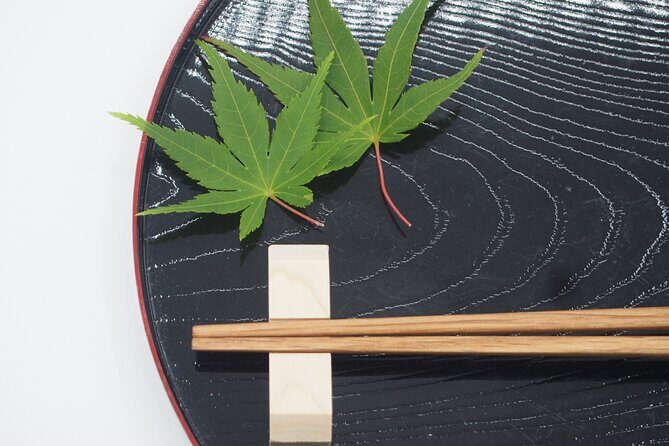
This is a great fit if you want:
- a hands-on cultural activity that’s beginner-friendly
- an item you can use later, not just a photo
- a family activity that can work for kids (with guide support)
- a chance to make choices based on real material properties like hardness and color
I’d also recommend it if you enjoy craft processes and want to understand wood selection in a practical way. Instead of reading about wood types, you get to feel the difference while planing.
It might be less ideal if:
- you hate tool work or get frustrated with manual tasks
- you want something purely scenic and passive
- you don’t like the idea that wood hardness affects effort
In other words, it rewards people who like doing. It’s not a spectacle tour.
Small comforts that make the experience smoother
A few details matter more than they seem.
Because the process is planing-based and guided, you’re not thrown into complicated steps. That’s why the workshop can work well for beginners and children with peace of mind.
Because it’s mobile-ticket based, you’re not juggling paper tickets at the door. That’s a small thing, but it keeps your arrival stress low.
Because the group stays small (max 4), the workshop doesn’t feel like a factory line. It feels like a guided craft session where your questions can actually be answered in the moment.
Final advice: should you book Japanese chopsticks making in Toyama?
Yes, I think you should book this if you want a short, meaningful activity in Toyama that turns wood into something personal. The combination of 10+ wood choices, the ability to set your own length and thickness, and the simple planing workflow creates a strong experience for both adults and kids.
I’d book it sooner rather than later if you’re traveling at busy times, since the average booking window is about 11 days in advance. And if you’re worried about difficulty, steer toward softer woods when you choose your material. That’s the easiest way to keep the experience fun from start to finish.
If you’re the type who likes hands-on crafts, this is one of those rare activities that gives you a usable souvenir and a real skill moment without needing prior experience.
FAQ
FAQ
What is the duration of the Japanese chopsticks making experience?
It lasts about 1 hour (approx.).
Where does the tour start and end?
It starts at 1058 Shōgawamachi Kanaya, Tonami, Toyama 932-0305, Japan, and it ends back at the same meeting point.
How much does it cost?
The price is $14.33 per person.
What is included in the price?
The price includes all fees and taxes, plus tools such as 鉋 (planer) and other tools, and a guide.
What languages are available for the guide?
Guide languages offered are Japanese and English.
Can I choose the size of my chopsticks?
Yes. You can freely decide the length and thickness of your chopsticks.
What kinds of wood can I choose from?
You can make chopsticks from more than 10 types of wood, including cypress and hiba.
Is there a cancellation option if plans change?
Yes. Free cancellation is available if you cancel up to 24 hours in advance for a full refund.