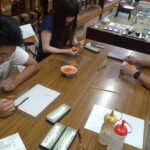
Toyama clicks when you walk it with a pro. I like how this licensed English guide keeps the day moving, with a plan built around Toyama’s real rhythms. Two highlights for me are the ride on the Toyama City Tram (it has been operating since 1912) and the hands-on herbal pill experience at Ikedaya Yasubei Shoten.
The main thing to plan for is that it is a true 6 hours of walking, and two of the big cultural stops require your own tickets. If you are trying to minimize walking or you hate paying separate admission fees, you’ll want to choose your 3–4 stops carefully.
In This Review
- Key things to know before you go
- Toyama City Tram first: why this tour starts you in motion
- Iwase’s Edo townscape: a merchant-port stroll you can actually feel
- Toyama Glass Art Museum: modern architecture with a ticket you should budget
- Ikedaya Yasubei Shoten: herbal pill-making is the hands-on payoff
- Fugan Unga Kansui Park: a peaceful break with a famous Starbucks
- Toyama Castle and the Local History Museum: the views plus the stories
- Toyama Kitokito Market: souvenirs and seafood you can taste
- Guides make the day: how Naoto and Yoshi shaped the experience
- Price and value: what you really pay for at $152.82 per person
- Practical tips so your 6 hours feel easy
- Who should book this Toyama private tour (and who should rethink it)
- Should you book this Toyama private tour?
- FAQ
- Is this a walking tour?
- How long is the tour?
- Do I choose which stops to visit?
- Which admissions are not included?
- Is this tour private?
- What is the cancellation window?
- Is lunch included?
Key things to know before you go
- Licensed, English-speaking guide to explain what you are seeing (and help you pick the best route)
- Tram time built in: a classic way to get oriented while moving between areas
- Iwase and other free stops: Edo-period streets, herbal shops, canal parks, and a market
- Ticketed museum choices: Toyama Glass Art Museum and the castle/folk museum area are not included
- Private format: your group sets the pace, and your guide can tailor the day
- A local guide style touch: at least one route ends at the Baba Family Residence when it fits the plan
Toyama City Tram first: why this tour starts you in motion
This is a private walking tour, so you do not share the day with other groups. That matters in Toyama, where getting from place to place efficiently can make the difference between seeing things and just moving around. Your guide meets you on foot within a designated area, and the tour is designed as walking-first, not car-first.
The Toyama City Tram is the perfect opener. It is a real part of daily life and has been running since 1912, which gives you that instantly-historical feeling without needing to “read” a museum label for everything. Even if you are only on it for a segment of the morning or afternoon, it helps you get your bearings fast and it breaks up the walking so the day feels doable.
One practical point: transportation fees are not listed as included, so plan for any extra transit costs or small fare differences that might come up. The good news is that the tour is structured to keep you from having to improvise too much.
You can also read our reviews of more guided tours in Toyama Prefecture
Iwase’s Edo townscape: a merchant-port stroll you can actually feel
Iwase is one of those places where the buildings and street layout do half the explaining. It used to be a prosperous kitamaebune merchant ship port, and the well-preserved Edo-period streets give you a clear sense of what trade towns looked like in earlier Japan.
What you get in practice is a calmer, more human-scale walk. The time block is about an hour, and admission is free for this stop. Since the focus is on the streets and traditional townscape, it tends to reward slower attention: you’ll notice the old wooden merchant-house feel more when you are not rushing to the next big sight.
If you like photography, Iwase is friendly for side streets and old façades. If you hate crowds, it can also be a relief compared with more famous urban hotspots—still, wear comfortable shoes. This is a walking tour, and the charm comes from moving at walking speed.
Toyama Glass Art Museum: modern architecture with a ticket you should budget
Toyama Glass Art Museum is where the day gives you a hard visual left turn. The museum building is designed by Kengo Kuma, and the style is striking even if you do not consider yourself an art person. Toyama is known as Japan’s City of Glass Art, and the museum’s glass-art collection is the point.
Here is the key practical detail: admission for this museum is not included, so you should budget for your ticket. The time on site is about an hour, which is usually just right for a focused look: you can see the main pieces, read the explanations your guide shares, and still have energy left for the next stops.
A good way to get value here is to ask your guide what to look for before you enter. You’ll often get more out of glass art when you know what kind of craftsmanship or design features to notice, instead of just drifting room to room.
Ikedaya Yasubei Shoten: herbal pill-making is the hands-on payoff
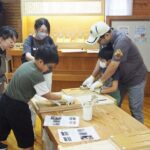
If you want one stop that turns the tour from sightseeing into doing, this is it. Ikedaya Yasubei Shoten is a historic pharmacy specializing in kanpo (traditional Japanese herbal medicine). It was founded in 1937, and the experience you can join is traditional maruyaku herbal pill-making.
This is the most “you can’t Google that” part of the day. Watching (and participating in, if offered for your group) in a traditional making process creates a memory that outlasts photos. Admission is free for this stop, which also makes it a strong value choice.
Time is about an hour. Don’t expect it to be a long workshop; it is more like an introduction into the craft and the thinking behind herbal medicine. Still, that introduction tends to stick, especially if your guide explains how kanpo fits into everyday wellness in Japan.
If you have any dietary or health concerns, it is smart to tell the guide ahead of time. The experience is herbal-based, and while the tour framing is cultural, you should still be cautious about anything you might consume (if your particular session includes tasting or taking something home).
Fugan Unga Kansui Park: a peaceful break with a famous Starbucks
After the more structured cultural stops, Fugan Unga Kansui Park slows you down. It is a tranquil waterfront park with canal views, and it is also home to the world-famous Starbucks that many people call the most beautiful Starbucks.
The stop lasts about an hour, and admission is free. The practical benefit is that it gives you a breather in the middle of a day that otherwise mixes museums, market time, and guided walking.
This is also a good spot for small decisions. If you feel like your feet are getting heavy, you can use the park time to rest without losing the tour. If you still have energy, it is a great place to enjoy the water views and let your guide fill in local context about the area.
Plan for photos, but also plan for calm. This stop is not just a selfie stop. The setting is the point.
You can also read our reviews of more private tours in Toyama Prefecture

Toyama Castle and the Local History Museum: the views plus the stories
Toyama Castle is a reconstruction of a 16th-century fortress, surrounded by a moat and park area. Even though it is a reconstruction, it is still a strong visual anchor for the day, and it helps connect the modern city to its earlier strategic role.
Inside the keep area, the Toyama City Municipal Folk Museum is where the learning deepens. Admission for this castle/museum stop is not included, so again, budget your ticket. Time is about an hour, which is enough to see the main exhibits without turning it into a full-day museum marathon.
One way to get value is to lean on your guide for comparisons. Castle towns worked differently than port towns, and hearing how Toyama’s role changed over time can help the morning’s Iwase story click.
If you prefer outdoors to indoors, you can also focus on the moat/park views during your time there. Just remember: you still have to walk to and around the keep and museum areas.
Toyama Kitokito Market: souvenirs and seafood you can taste
By the time you reach Toyama Kitokito Market, you are ready for food and practical shopping. The market is one of the best places to pick up souvenirs and sample local flavors without turning the day into a separate food quest.
This stop is about an hour, and admission is free. Your guide can point you toward local specialties—especially seafood. Toyama is known for dishes like shiroebi (white shrimp) tempura, and the market is also a good spot for items like local sake and handmade goods.
Even if you do not buy much, markets help you understand a place. You can smell what local cooks work with, see what families are shopping for, and compare souvenir styles in a way a store back in your hotel can’t replicate.
A realistic tip: lunch is not included, so plan whether you want market snacks to bridge the gap. The guide can help you time things so you are not stuck hungry while waiting for the next stop.
Guides make the day: how Naoto and Yoshi shaped the experience
The private format is only half the story. The other half is the guide’s style, and the comments from English-speaking licensed guides are clear: the best days feel personal, not scripted.
In one 5-star experience, Naoto was praised for being very knowledgeable and for making the tour feel customized. The guest said the guide surprised them with what to see beyond a basic Google list, and they finished at the Baba Family Residence, which is a beautiful example of traditional Japanese architecture. That kind of ending matters: it gives you a final “picture in your head” of what the neighborhood lifestyle used to look like.
Another 4-star review highlighted Yoshi as polite and patient, especially helpful for a visitor who came in after arriving on the Diamond Princess. That patience shows up in practical ways: pacing, clarifying directions, and adjusting when the day’s timing is not perfect.
So if you like control over your day—what you skip, what you slow down, and where you end—this tour format is exactly the right setup.
Price and value: what you really pay for at $152.82 per person
At $152.82 per person for a 6-hour private walking tour, you are not paying for a bus ride. You are paying for a licensed guide, the ability to pick 3–4 sites from the available list, and the friction-free route planning between those stops.
Here is how to judge value in your own head:
- You’re getting several free components (Iwase, Ikedaya Yasubei Shoten, Fugan Unga Kansui Park, and Kitokito Market), so your money does not disappear into every admission line.
- You’re still getting two major cultural areas where tickets are separate (Toyama Glass Art Museum and the castle/folk museum), so you need to budget for that part.
- Lunch and personal expenses are not included, so treat the market as a snack window or plan a separate meal.
Also, dates can change up to 2 days before the tour, but a change might mean a different guide. That is a small detail, yet it matters if you care about a specific guide personality. And since pickup is on foot and there is no private vehicle, you should be comfortable with walking as your main transport.
One more value signal: this tour is often booked well in advance, with an average booking window of about 117 days. If you are traveling in a busy season or on a specific day, do not wait until the last week to lock it in.
Practical tips so your 6 hours feel easy
You’ll get more from this tour if you treat it like a guided walk with stops, not a sprint with photos every thirty seconds.
- Wear shoes you trust. The whole point is walking between multiple areas.
- Save your big shopping for Kitokito Market. It is set up for souvenirs and food items.
- Decide in advance how much art you want. The Glass Art Museum is a ticket stop; if you care about architecture and glass craft, it is worth the time.
- If you have a cruise arrival or another tight schedule, tell your guide early. The tour can work even after a ship day, but the timing needs respect.
Also, note the tour is customizable, and you choose 3–4 sites. If you are traveling with kids or someone who tires easily, pick the most “must-do” stops and let the guide handle the flow.
Who should book this Toyama private tour (and who should rethink it)
This tour is a great fit if you:
- want a structured way to see Toyama beyond one neighborhood
- like history paired with something you can do (herbal pill-making)
- enjoy local markets and traditional side-street atmospheres
- prefer a private guide who can tailor pacing and endings
You might rethink it if you:
- strongly dislike walking for six hours
- do not want to pay separate admission for the Glass Art Museum and the castle/folk museum
- need the tour to start from a specific place like Fushiki Port, since that meeting point is excluded
The tour does allow service animals, and it is near public transportation, but it is still first-and-foremost a walking experience.
Should you book this Toyama private tour?
I’d book it if you want an efficient, local-feeling day where Toyama’s variety shows up in one route: tram movement, Edo-period street character, glass art, a hands-on herbal experience, a calm canal park, a castle area for context, and a market for real-world souvenirs and taste.
If you are on the fence, use one question: Do you want a guide to help you choose and connect the dots? If yes, this tour makes that easy—and the guide names Naoto and Yoshi come up for a reason: the day feels thoughtful, not generic.
FAQ
Is this a walking tour?
Yes. It’s a walking tour with pickup on foot. You meet the guide on foot within a designated area in Toyama.
How long is the tour?
The duration is about 6 hours.
Do I choose which stops to visit?
You can customize the tour by choosing 3–4 sites from the available list of experiences.
Which admissions are not included?
Admission tickets are not included for the Toyama Glass Art Museum and the Toyama Castle / Toyama City Local History Museum stop.
Is this tour private?
Yes. It’s private, so only your group participates.
What is the cancellation window?
You can cancel up to 24 hours in advance for a full refund. If you cancel less than 24 hours before the start time, the amount paid is not refunded.
Is lunch included?
No. Lunch and other personal expenses are not included.