REVIEW · TOYAMA PREFECTURE
Secrets of Toyama: An Exclusive Journey of Culture and Cuisine
Book on Viator →Operated by General Incorporated Association Region Tourism Management · Bookable on Viator
Sweets, sacred water, and song in one evening. What makes this Toyama experience fun is how it links everyday food culture with old-school local beliefs—starting at Shimakawa Candy Store and ending at Kagaya with Toyama Bay seafood kaiseki plus live Ecchu Owara and Kokiriko folk songs. I especially like the way the malt candy story turns into something you can taste, and I like the full sit-down dinner format where the food, sake, and music all feel like one plan. One thing to think about: it runs in the late afternoon starting at 4:30 pm, so if you prefer a long morning or early evening dinner, this timing won’t match your style.
You’ll go with a professional guide in a small group (max 6), and the pace is built around short stops—about 30 minutes each—then a longer meal at the end. Transportation is included during the tour, and you get a mobile ticket, so you’re not juggling paper or hunting for each location on your own.
In This Review
- Key things you’ll notice during the Toyama evening
- From Toyama Station at 4:30 pm to a kaiseki finale
- Stop 1: Shimakawa Candy Store and Toyama malt candy
- What I like about this start
- A practical consideration
- Stop 2: Ikedaya Yasubei Shoten and the shop behind the scenes
- Why this stop is more than a quick look
- How to enjoy it
- Stop 3: Ishikura Machi Emmei Jizo and sacred water beliefs
- The value for you
- What to consider
- The Kagaya kaiseki dinner: Toyama Bay seafood + local sake
- Why the dinner format matters
- Folk songs as part of the meal
- A small-group note that affects the meal
- Transportation, pacing, and what 3.5 hours really feels like
- What you’ll likely feel
- Dress and timing tip (simple and practical)
- Price and value: Is $357.67 per person worth it?
- Who this tour suits best
- Small details that make it smoother at the end
- Should you book Secrets of Toyama?
- FAQ
- What time does the tour start, and where is the meeting point?
- Where does the tour end?
- How long is the experience?
- What’s included in the price?
- How big is the group?
- What is the cancellation policy?
Key things you’ll notice during the Toyama evening
- Shimakawa malt candy history you can actually connect to Toyama
- Ikedaya Yasubei Shoten’s herbal wholesaler background
- Enmei Jizo sacred water on the Itachi River with local care and faith
- A century-old ryotei meal at Kagaya with Toyama Bay seafood
- Live folk songs: Ecchu Owara and Kokiriko as part of dinner
From Toyama Station at 4:30 pm to a kaiseki finale
This is a tight, satisfying evening plan in Toyama. You start at Toyama Station at 4:30 pm, then you head out as the light shifts, with several short cultural stops before a proper dinner. The total time is about 3 hours 30 minutes, which is long enough to feel like you did something meaningful, but short enough that you still keep your night.
The value here isn’t just the food (though the food is a big deal). The value is the flow: each stop gives you a different lens on Toyama—confectionery, commerce and medicine, local spirituality, then finally food and performance in one place. And because the group is capped at 6, the guide can keep things personal. That small-group feel came through clearly in the high ratings, especially the warm tone around sharing the experience.
You can also read our reviews of more tours and experiences in Toyama Prefecture.

Stop 1: Shimakawa Candy Store and Toyama malt candy
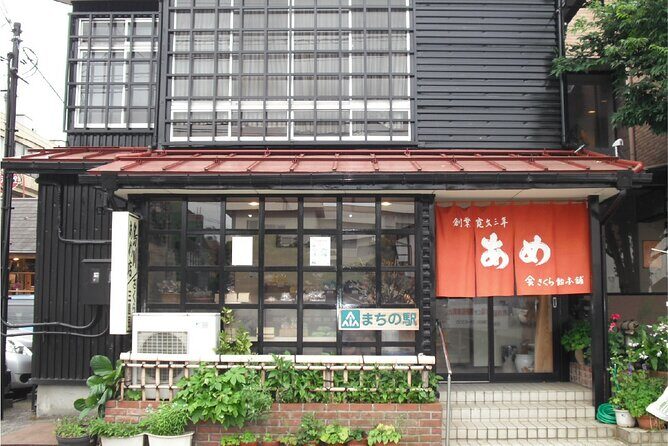
Your first stop is 島川あめ店 (Shimakawa Candy Store), a place that feels like a classic, hands-on workshop stop—except your takeaway isn’t a souvenir magnet. It’s context.
Here’s the story you’ll get: malt candy has roots going back to the Egyptian era, and it spread as a sweetener as agriculture improved. In Japan, it became widely used in Toyama’s pill-making industry by the late Edo period. That detail matters because it explains why this isn’t just candy-as-a-treat. It’s candy with a utilitarian past—sugar as part of old medicine and food processing.
What I like about this start
- It sets the stage with something sweet but grounded in history.
- You leave with a better sense of why local treats exist in the first place, not just that they do.
A practical consideration
This first stop is about 30 minutes, so don’t show up expecting long browsing time. If you want to buy extra items, do it with intention, after you’ve heard the story so your purchases feel like part of the visit.
Stop 2: Ikedaya Yasubei Shoten and the shop behind the scenes
Next you visit Ikedaya Yasubee Shoten, a shop with a clear, old-school identity. The store was founded in Showa 11 (1936), and the first generation, Minoru Ikeda, established it at its current location. The shop began as a Japanese-Chinese herbal wholesaler.
After the war, the shop started manufacturing and selling what it became known for—so even if you’re not deep into the herbal side, you get a sense of the local supply chain: how traditional knowledge and practical trade supported daily life.

Why this stop is more than a quick look
If you’ve only seen Toyama as a transit point, this is the kind of stop that shifts your understanding. Toyama wasn’t just temples and scenic areas. It also had businesses tied to health traditions and commerce. That’s what makes the tour feel real rather than performative.
How to enjoy it
Listen for the guide’s connections between the shop’s herbal roots and the local food/culture theme you’re building. It helps the rest of the evening click.
Stop 3: Ishikura Machi Emmei Jizo and sacred water beliefs
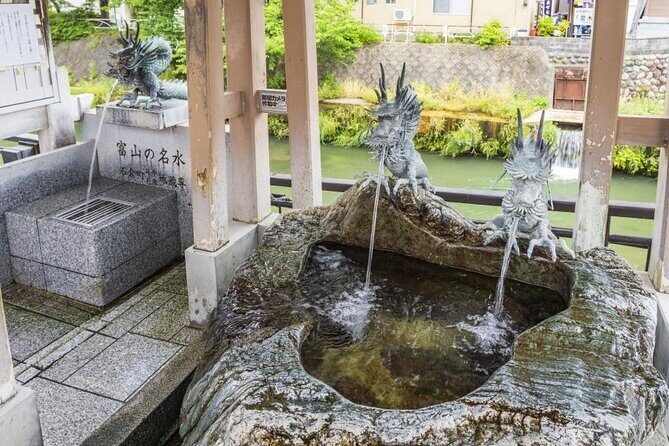
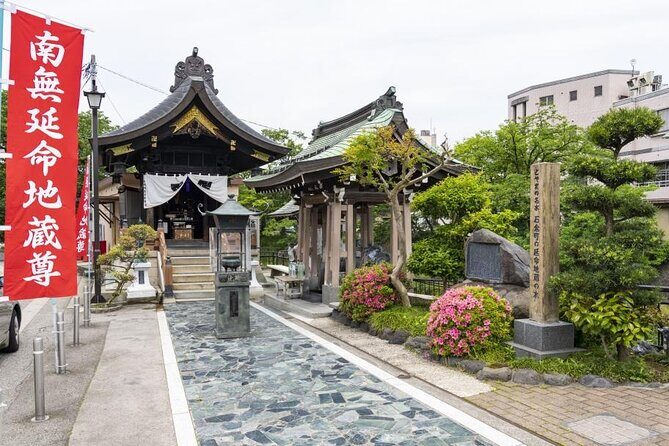
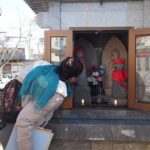
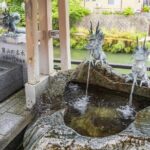
Then you move to Ishikura Machi Emmei Jizo, located by the Itachi River. The key idea here is the sacred water at the Enmei Jizo, which is said to cure all sorts of illnesses. People from different places come seeking its benefits, and locals take care of the area seriously.
This stop is also about 30 minutes, which works well because it keeps things focused: you get the meaning, the setting, and the feel of what locals do without turning it into a long ceremony.
The value for you
Even if you don’t follow the belief the same way, you’ll still learn something useful: how faith, place, and daily upkeep create a living tradition. Also, hearing how the site is cared for gives you a respectful framework. You’re not just passing through a spot on a map.
What to consider
This is a faith-and-place stop, so if you’re only interested in food and performance, you may find it quieter than the candy shop. That said, it’s a great contrast before the energy of dinner and songs.
The Kagaya kaiseki dinner: Toyama Bay seafood + local sake
The evening’s centerpiece is Kagaya, a century-old ryotei. This isn’t a casual restaurant stop—it’s a full dinner setting where you can slow down.
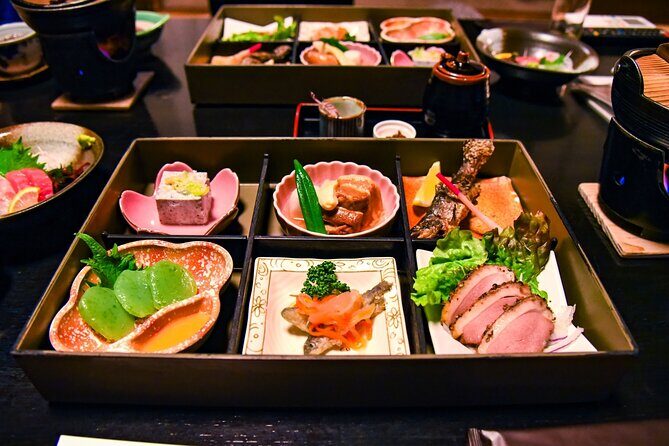
You’ll enjoy kaiseki cuisine with seafood from Toyama Bay, along with local sake. The dinner is also where the cultural program lands: Kagaya has a stage for folk songs, and you’ll hear Ecchu Owara and Kokiriko performed there.
Why the dinner format matters
Kaiseki works best when it’s not rushed. Here, you get about 2 hours at Kagaya, so the meal has time to unfold as it should. And because sake is included, you’re not stuck trying to interpret the drinks menu while the story of the evening is already happening.
Folk songs as part of the meal
A lot of food experiences add a performance at the end. This one integrates it as a real part of the atmosphere. When Ecchu Owara and Kokiriko start, it clicks why Toyama culture isn’t only something you look at. It’s something you experience in real time—sound in the room, food on the table.
A small-group note that affects the meal
With a maximum of 6 people, your table experience is usually calmer. If you’re going as a pair, it can feel especially good because the guide can tailor explanations without turning it into a loud group event.
Transportation, pacing, and what 3.5 hours really feels like
This tour includes transportation during the tour, and you’ll move between spots efficiently. The pacing is built on short segments—each of the first three stops is 30 minutes—then the last stop takes over your evening.
What you’ll likely feel
You’ll probably feel like you’re getting a guided walk through the idea of Toyama, not just a checklist. The short stops keep the energy up, and the dinner gives you that comfortable finish where the day’s themes come together.
Dress and timing tip (simple and practical)
Start time is 4:30 pm. Plan to arrive at Toyama Station with enough buffer that you’re not scanning for instructions while hungry. For me, the best part of an evening tour is when you can relax into the food rather than racing to get there.
Price and value: Is $357.67 per person worth it?
At $357.67 per person, this isn’t a cheap snack tour. So let’s talk value in real terms.
You’re paying for:
- a guided experience by a professional guide
- transportation during the tour
- admission tickets for the first stops
- dinner with Toyama Bay seafood as kaiseki
- alcoholic beverages (local sake is part of the dinner experience)
- the folk song performance at the ryotei
When you add those pieces up, the price starts to make sense. Many separate tickets or standalone dinners don’t bundle the cultural context or the performance. Here, the program is built as a single evening event, and that’s where the money goes: guide time, access to specific local venues, and a proper meal setting with entertainment.
Also, the small group size (max 6) matters. It’s not a huge bus-tour vibe. That usually improves the quality of explanation, and it tends to help you get comfortable in the ryotei environment.
Who this tour suits best
This is a great match if you want a focused Toyama evening and you like food that comes with stories. It’s especially good for:
- couples or small groups looking for a cultural dinner plan
- people who enjoy traditional crafts and local business history
- anyone who wants folk music as part of the experience, not as an optional extra
If you only want street food and random wandering, you might find the schedule a bit structured. But if you like guided pacing and a satisfying finale, this format fits.
Small details that make it smoother at the end
The tour ends at Kagaya at 2-chōme-1-26 Higashimachi, Toyama. After the dinner and program, the host will disband at the restaurant, and you’ll have a taxi arranged for you. That little touch helps you avoid the last-minute scramble when you’re done eating and don’t want to think about transport.
Should you book Secrets of Toyama?
I’d book it if you want one evening that covers multiple sides of Toyama: confectionery history at 島川あめ店, commerce and herbal trade at Ikedaya Yasubei Shoten, local belief at Emmei Jizo, and then a proper kaiseki meal at a long-standing ryotei with Ecchu Owara and Kokiriko live.
I wouldn’t book it if you need a flexible schedule, you dislike alcohol (since alcoholic beverages are included), or you strongly prefer to fill your night at your own pace starting earlier than 4:30 pm.
If you’re coming for an authentic Toyama dinner experience with cultural context attached, this hits the sweet spot—then ends with music you can remember long after the plates are cleared.
FAQ
What time does the tour start, and where is the meeting point?
The tour starts at 4:30 pm at Toyama Station (1-225 Meirinchō, Toyama, 930-0001, Japan).
Where does the tour end?
The tour ends at Kagaya (2-chōme-1-26 Higashimachi, Toyama, 930-0039, Japan).
How long is the experience?
It runs for about 3 hours 30 minutes.
What’s included in the price?
Dinner, alcoholic beverages, transportation during the tour, a professional guide, and the folk song performance are included.
How big is the group?
The tour has a maximum of 6 travelers.
What is the cancellation policy?
Free cancellation is available. You must cancel at least 24 hours before the experience’s start time for a full refund. Canceling less than 24 hours before start time isn’t refundable.