REVIEW · FUKUOKA
Port Pick-Up: Hakata Private Tour Licensed Guide& Vehicle
Book on Viator →Operated by Japan Guide Agency · Bookable on Viator
A good day in Fukuoka starts with the right route. This private tour is built around your choices, with a licensed English-speaking guide and a private vehicle to help you hit key spots without the stress.
I like the custom planning most. Before the day, you get a list of possible stops (from temple-and-shrine classics to parks and city views), then you pick what you want, so the day feels focused instead of crowded.
I also like the mix of experiences. You can pair old Hakata traditions—like Kushida Shrine or Yanagibashi Rengo Market—with easy city “big picture” moments, such as Fukuoka Tower or Ohori Park.
One drawback to consider: the tour is priced per group (up to 2), and some sights have entrance fees not included, so your final cost depends on which options you select.
In This Review
- Key reasons this private Fukuoka tour works
- How the 6-hour private tour gets custom-built around you
- The “best of Hakata” options: shrines, temples, and castle remains
- Food and street-life energy: yatai and Yanagibashi market
- City parks that actually reset your day: Ohori and Momochi
- Views and modern Fukuoka: Canal City and Fukuoka Tower
- Extended options that stretch beyond central Fukuoka
- Dazaifu Temmangu (temple and government remains in one area)
- Itoshima for sunset energy
- Yanagawa for river scenery
- Atago Jinja and hillside panoramas
- Nanzoin Temple for pilgrimage-scale importance
- How “Port Pick-Up” and private vehicle access improves the day
- Price and value: what you’re paying for (and when it’s worth it)
- The best fit: who should book this and who might not
- Should you book this private Fukuoka tour?
- FAQ
- How long is the private tour?
- What’s the price for this Fukuoka private tour?
- Can I customize what I visit?
- Do you pick up from a port or offer pickup?
- What’s included in the tour price?
- Are entrance fees and lunch included?
- Can I combine multiple tour groups?
Key reasons this private Fukuoka tour works

- Pick 2–3 stops from a menu, so your time matches your interests
- Licensed English-speaking guide helps connect sites with context
- Private vehicle means less backtracking and easier timing
- A parks-and-temples balance lets you mix calm walks with sightseeing
- Yatai + markets give you a taste of everyday Hakata life
- Short entry-time stops keep the day moving at a comfortable pace
How the 6-hour private tour gets custom-built around you

The heart of this experience is simple: it’s a private day in Fukuoka where you don’t have to follow a fixed script. After booking, you receive a set of potential stops, and you select your favorites. That means you’re not wasting time trying to “like” places that don’t match your mood.
A helpful detail: the tour is designed around 2–3 chosen sites. That sounds small on paper, but it makes sense for a private format. Between transit, photos, restroom breaks, and short walks, three targets is often the sweet spot for a day that feels satisfying instead of rushed.
The time block is about 6 hours, which is long enough to get your bearings and still include meaningful variety—shrines and temples in the morning, then parks, views, or food-focused stops later. You also get a mobile ticket, which reduces the friction of arriving and starting.
You can also read our reviews of more guided tours in Fukuoka
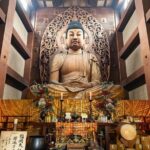

The “best of Hakata” options: shrines, temples, and castle remains

If you’re drawn to Fukuoka’s older layers, you’ll like the range of sacred sites offered. You can mix and match based on how you feel—history-heavy, scenic, or cultural.
Start with Fukuoka Castle Remains. Today it’s mainly stone walls, moats, and gates, not a full castle you walk through. The payoff is the city panorama from the Fukusaki Hill area. This is a good pick if you want a quick “Fukuoka overview” moment early in the day.
Then there are the classics in Hakata’s shrine-and-temple orbit:
- Sumiyoshi Shrine: dedicated to protective divinities of seafarers. It’s one of Kyushu’s oldest such sites, so it has that deep local connection to maritime life.
- Kushida Shrine: one of Fukuoka’s best known shrines and said to be the city’s oldest, founded in AD 757. The standout details include carvings linked to the Chinese zodiac and a ginkgo tree element.
- Tochoji Temple: head temple of Shingon Buddhism’s Kyushu sect, associated with Kobo-Daishi (Kukai). It’s a smart choice if you want a temple stop with clear spiritual lineage.
- Shofuku-ji: often cited as the first Zen temple constructed in Japan, founded in 1195 by Eisai, who helped bring the Rinzai Zen tradition from China to Japan. Even if you’re not a “temple person,” it’s a meaningful historical stop.
One small practical note: several of these have an admission status listed as free, while others are marked as not included. Since entrance fees aren’t included, you’ll want to confirm which sites you choose if you’re trying to budget tightly.
Food and street-life energy: yatai and Yanagibashi market
For me, this is where Fukuoka really feels like itself. Two of the best options in the list focus on eating and everyday local rhythm.
First, Yatai—Fukuoka’s famous open-air food stands. They’re not just random street snacks. They’re tiny spaces, often seating about seven or eight people, which creates a social, almost neighborhood-vibe feeling. If you choose a yatai stop, it helps to have flexible timing in your day because these places can be popular.
Second, Yanagibashi Rengo Market. This is the “kitchen” of Hakata in market form: over 40 greengrocers and fishmongers, plus fruit, tofu shops, and cafés/bakeries. The value here is variety—if you like sampling and watching how stalls work, this stop can be more fun than it sounds.
Practical advice: since lunch is not included, you’ll likely treat yatai and/or the market as part of your meal plan. Bring some cash or be ready with payment options—market shopping can turn into eating on the spot quickly.
City parks that actually reset your day: Ohori and Momochi

A private tour can either feel nonstop or balanced. These park stops help you slow down without losing momentum.
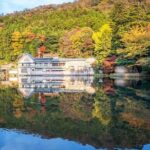
Ohori Park is a standout choice in central Fukuoka. There’s a large pond at the center and a walking path around it—just over 2 kilometers. That distance is perfect for a calm leg-stretch that still counts as real sightseeing.
Then there’s the modern waterfront feel at Momochi Seaside Park (Seaside Momochi). It sits on reclaimed land along Hakata Bay and was developed for the 1989 Asia Pacific Expo. If your day includes older shrines and temples, a seaside-and-skyline stop later helps your photos and your energy levels.
If you want more of a “family park” mood, consider Uminonakamichi Seaside Park too. It’s described as sprawling and family oriented, on a narrow peninsula across the bay from central Fukuoka. It’s also the kind of place where your guide can help you pick the best walking angle depending on weather and time.
Views and modern Fukuoka: Canal City and Fukuoka Tower

Not every part of a Fukuoka day has to be old stones and incense. The tour options include modern “big view” stops that help you understand the city’s layout.
Canal City Hakata is a large shopping and entertainment complex that calls itself a city within a city. It has roughly 250 shops, cafés, and restaurants, plus a theater and game center. If you want a break between more traditional stops, this is an easy place to regroup—restroom access tends to be straightforward and you can browse at your own speed.
For city-scale views, pick Fukuoka Tower. It rises to about 234 meters, and from there you can look out over the city. Admission fees here are not included, so budget for the tower view if it’s on your must-do list. This stop is ideal if you want one “wow” photo that anchors the whole day.
You can also read our reviews of more private tours in Fukuoka



Extended options that stretch beyond central Fukuoka

The itinerary list also includes several stops that add a different flavor—and some extra travel time. These are best if you plan your 2–3 choices with intention.
Dazaifu Temmangu (temple and government remains in one area)
Dazaifu Temmangu is a major name in the region, and the list also includes Dazaifu Government Remains near it—former governmental grounds where older buildings once stood. It’s a good pairing if you like learning how a place mattered historically, not just what it looks like today.
Itoshima for sunset energy
Itoshima is described as about 50 minutes from Hakata Station by train and about 30 minutes by car. It’s best known for sunset at the Sakurai Futamigaura area, with Meotoiwa (two stacked rock formations). If sunset is your thing, this can be a memorable choice for your tour timing.
Yanagawa for river scenery
Yanagawa is known for its scenic river views. The list notes sakura season as especially beautiful. Importantly, river rafting is not included, so you’d be choosing the area for the scenery rather than buying the boat activity through this tour.
Atago Jinja and hillside panoramas
Atago Jinja Shrine is marked as less visited but pretty, set on a hillside with sweeping views. If you want a lighter stop that still feels scenic, it’s a strong option.
Nanzoin Temple for pilgrimage-scale importance
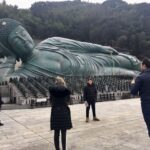
Nanzoin Temple is described as one of Fukuoka prefecture’s most visited and important Buddhist shrines, attracting more than a million pilgrims/visitors annually. Admission fees here are not included, but the sheer scale of what the place represents can make it worth planning around.
How “Port Pick-Up” and private vehicle access improves the day

The title includes port pick-up, and the tour also states that pickup is offered. Practically, that matters in a city like Fukuoka where efficient routing can save you time and keep you from getting stuck with awkward transfers.
Because it’s private, you’re not negotiating shared group pacing. If you want a short photo stop at the base of a shrine or you need an extra minute for a break, you can usually adjust without turning it into a whole negotiation.
That flexibility showed up in feedback tied to guides such as Hiro Kariya, who was described as energetic, deeply connected to local history, and even thoughtful in how the day was paced. Another guide named Erica received praise for going above and beyond, with one review highlighting the special personal goal of revisiting meaningful places connected to a former station in Hakata. That kind of care tends to show up most when you want your day to fit you, not the other way around.
Price and value: what you’re paying for (and when it’s worth it)

At $635.24 per group (up to 2) for about 6 hours, you’re paying for a licensed guide plus a private vehicle. That price can feel high if you’re used to joining bus tours.
But private touring changes what you get:
- You get two-person convenience: your own pace, your own route choices, no waiting for strangers.
- You get time savings from car transport, especially when you mix central spots with longer-haul options like Itoshima or Dazaifu-area stops.
- You get context. A good guide doesn’t just point at temples—they help you understand why a shrine matters, or what a park’s location says about the city’s growth.
Where cost can swing: since entrance fees, lunch, and other personal expenses aren’t included, your final spend depends heavily on which paid attractions you choose (like Kyushu National Museum, Tochoji, Hakozaki-gu, Fukuoka Tower, Hakozaki-gu, Nanzoin, and the museum options marked not included).
If you’re a couple, or you’re traveling with someone who shares interests (food + temples, or temples + views), the value gets stronger fast. If you’re solo and you’re only interested in one site, you might prefer a shorter or smaller scope option.
The best fit: who should book this and who might not
This private tour is a strong match if you:
- Want 2–3 targeted stops instead of a long list you rush through
- Like having an English-speaking guide to connect the dots across Fukuoka’s history and local customs
- Care about photos and layout—views from places like Fukuoka Tower or castle remains are easier when routing is planned
It may be less ideal if you:
- Want to cram in lots of paid attractions without thinking about entrance fees
- Prefer a group atmosphere or you don’t like adapting your plan once you’re on the move
- Have a car-seat need: the tour notes limited car seats/booster seats and no rear-facing car seats. If that applies, it’s worth reaching out directly in advance.
One more practical consideration: while most feedback is very positive, one review noted that a guide’s English was somewhat limited. In practice, that’s where your choice of specific guide and your own comfort with communication can matter.
Should you book this private Fukuoka tour?
I’d book it if you want a smart, guided day that gives you both old Hakata and modern Fukuoka, without you spending the whole time solving transit puzzles. The custom stop list is the real strength, and the private vehicle helps you stay on schedule even when you choose a mix of central sights and farther options.
If you want a “wander and see” day with zero planning, you might not need a private car. But if you want your day to make sense—shrines, markets, parks, and views picked to match your interests—this is the kind of tour that pays off fast.
FAQ
How long is the private tour?
It runs for about 6 hours.
What’s the price for this Fukuoka private tour?
The price is $635.24 per group, up to 2 people.
Can I customize what I visit?
Yes. You choose 2–3 sites from the list of potential stops, and the itinerary is created based on your selections.
Do you pick up from a port or offer pickup?
Pickup is offered, and the experience is titled as a port pick-up style tour for Hakata in Fukuoka.
What’s included in the tour price?
A licensed local English-speaking guide, a customizable tour of your selected 2–3 sites, and a private vehicle.
Are entrance fees and lunch included?
No. Entrance fees, lunch, and other personal expenses are not included.
Can I combine multiple tour groups?
No. You cannot combine multiple tour groups.