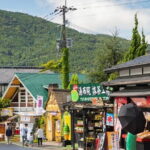
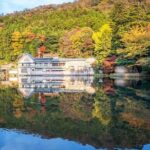
A trip like this works because it switches moods fast: limestone glow underground, then open-air coastline views. I like that you get several iconic stops in one day, with expert guidance keeping the history and rules simple. You also get a real pay-off in scenery without wasting time hunting transit on your own.
Two things I especially like are the Akiyoshido Cave golden stalactites and the Motonosumi Shrine torii tunnel walk. One caution: the cave entrance fee and lunch aren’t included, so you should budget extra cash once you’re there.
In This Review
- Key highlights to look forward to
- A day trip that swings from underground gold to shrine gates
- Price and what $80.90 really buys you
- Mekari Parking Area: the easy win before the main attractions
- Akiyoshido Cave: golden stalactites and a real underground walk
- Lunch and free time: make this one work for you
- Motonosumi Shrine: 123 torii gates in a tunnel walk
- Tsunoshima Ohashi Bridge and the coastal drive: big views without the long hike
- The pace: how a 10-hour day feels in real life
- What this tour is best for
- Practical value checklist before you go
- Should you book the Kitakyushu Akiyoshido Cave and Motonosumi Shrine tour?
- FAQ
- How long is the tour from Fukuoka?
- What is the Akiyoshido Cave entrance fee?
- Is lunch included?
- Which stops are part of the tour?
- Is admission included for Motonosumi Shrine?
- Do I need to buy tickets separately during the day?
- Does the tour include bridge and sea viewpoints?
Key highlights to look forward to
- Akiyoshido Cave’s golden pillars in one of Kyushu’s big limestone cave systems (admission not included)
- Motonosumi Shrine’s 123 red torii gates in an endless tunnel setting (free admission)
- Kanmon Strait viewpoints at Mekari Parking Area before you head into the main sites
- Tsunoshima Ohashi Bridge looks great on camera and is passable by motor vehicles
- Mobile ticket makes the day feel organized even when you’re hopping between stops
A day trip that swings from underground gold to shrine gates
This tour is basically a mood changer for your day in Fukuoka. You start with a coast-and-strait viewpoint, then shift down into a major limestone cave with dramatic formations. After that, you walk through a famous torii tunnel at Motonosumi Shrine, then finish with big-bridge scenery over the sea.
I like this mix because it prevents the common problem of Japan day trips feeling repetitive. One hour you’re thinking about geology; the next hour you’re counting red gates and reading how a shrine space is meant to be walked through.
It also helps that the plan is built around standout icons: Akiyoshido Cave, Motonosumi Shrine, and Tsunoshima Ohashi Bridge. Even if you’re not a “caves person” or a “shrines person,” the variety keeps you engaged.
You can also read our reviews of more tours and experiences in Fukuoka.


Price and what $80.90 really buys you
The listed price is $80.90 per person for a roughly 10-hour outing. In exchange, you’re paying for vehicle service fees, fuel, tolls, and a driver-guide service fee—so you’re not stressing about intercity logistics.
Two fees are on you separately:
- Akiyoshido Cave entrance fee: 1300 yen per person
- Lunch: usually around 2000 yen per person
So the real budget is usually the tour price plus cave admission plus lunch. That makes value clearer: if you’re excited about both the cave and the shrine, this can be efficient. If you only care about one big stop, then the add-on costs might feel heavier.
One more practical point: the fact that it’s commonly booked about 48 days in advance suggests it’s popular enough that you should plan ahead instead of hoping for last-minute openings.
Mekari Parking Area: the easy win before the main attractions
Your first stop is Mekari Parking Area, with an observation deck aimed at the Kanmon Strait views. This is a smart warm-up. Instead of going straight from city traffic to a cave, you get a breather and a sense of where you are geographically—straits, channels, and the sea lanes vibe.
It’s also a useful place to stock up on small items. You can purchase Kyushu and Shimonoseki special products there. I treat stops like this as two-for-one: quick photos now, and snacks or simple souvenirs that keep the rest of your day smoother.
Time here is about 20 minutes, and admission is free. That short timing matters: it’s enough to see the view and make a couple purchases, but not so long that you waste prime daylight later.
Akiyoshido Cave: golden stalactites and a real underground walk
Then comes the big shift: Akiyoshido Cave, one of the largest limestone caves in the Orient, located at the foot of Akiyoshidai Mountain. You’ll spend about 2 hours total at the site, and the schedule notes this includes time for lunch and free time—so don’t assume the entire block is only “walking the cave.”
The cave admission is not included (1300 yen/person), so expect that moment where you pay and enter. If you’re budgeting, factor that in early so you’re not caught off guard.
Why I think this stop is the heart of the day:
- The cave is known for golden stalactites—that “wow” visual you came for.
- Limestone caves reward slow looking. Even when the route is guided, you’ll want a few extra seconds per chamber to catch the shapes.
Practical tips you’ll feel thankful for:
- Wear shoes you can trust on underground paths. You’re in a cave environment, and footing matters more than style.
- If you tend to get slightly claustrophobic, take your time at the transitions. Open-air isn’t far away in the rest of the day, so you’re not stuck underground all day.
Lunch and free time: make this one work for you
The itinerary structure is set up so you’re not stuck choosing between lunch and sightseeing. At Akiyoshido, the time block is planned for about an hour and a half including lunch time and free time.
Lunch isn’t included, and it’s typically around 2000 yen/person, so treat that as part of your “true cost” estimate. If you don’t want to overthink it, keep lunch simple and focus on energy for the shrine gate walk afterward.
If you’re the type who hates feeling rushed, this is the part of the day to use your minutes well:
- Grab lunch without stretching the timing.
- Use the free time to reset—especially if you want better photos in brighter areas after you leave the cave.


Motonosumi Shrine: 123 torii gates in a tunnel walk
Next: Motonosumi Shrine in Nagato City, Yamaguchi Prefecture. This is where the day turns from natural wonder to sacred geometry.
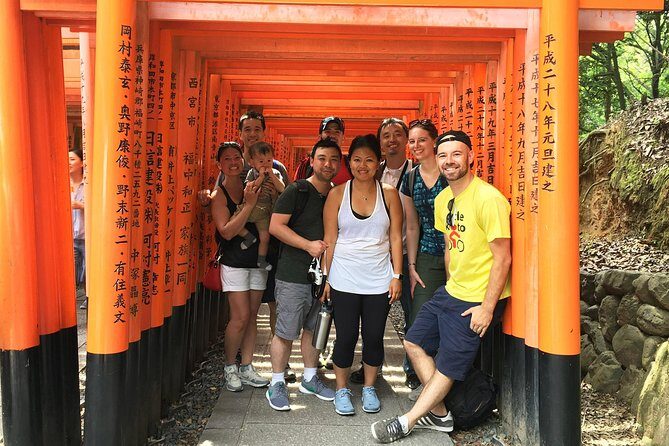
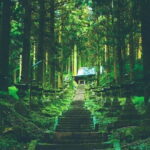
You’ll spend about 40 minutes, and admission is free. The defining feature is the torii tunnel: 123 red torii extending like an endless corridor. It was also selected by CNN as one of the most beautiful places in Japan, which is a polite way of saying it’s famous for a reason.
Here’s what makes the torii tunnel special in practice, not just in photos:
- The repetition of gates creates depth. Even without fancy gear, the tunnel shape helps your eye find perspective fast.
- The walk feels intentional. You move through a space designed for ceremonial procession rather than a random viewpoint.
A couple things to keep in mind:
- The shrine setting changes how you want to behave. Keep your voice down and follow any guidance from your driver-guide.
- Since time is limited, prioritize the tunnel first. If there are optional areas you’re curious about, ask your guide where the best timing is within the 40 minutes.
Tsunoshima Ohashi Bridge and the coastal drive: big views without the long hike
After the shrine, you’ll hit Tsunoshima Ohashi Bridge. This is a bridge you’ve probably seen in TV commercials—famous enough that it feels like meeting a character from an ad.
You’ll have about 30 minutes here, and admission is free. The bridge is 1,780 meters long and it’s accessible to motor vehicles, which matters because you’re not just looking from the edge—you’re traveling through the coastal region in a way that keeps the day efficient.
The itinerary also references crossing the Kaki Island Bridge over turquoise seas. Even when it’s a quick transit moment, that kind of water-and-bridge contrast is exactly why this tour works. You get a visual rhythm: cave → gates → sea.
If you want the best photos:
- Think about the angle as your vehicle approaches. Often the best shot is when you can see both the water and the span together.
- Don’t try to treat every viewpoint like a photoshoot. Use 5–10 minutes well and then move on with the group so you’re not stressed.
The pace: how a 10-hour day feels in real life
A 10-hour tour can sound like “long,” but this one feels structured. You’re not spending a whole day inside a single attraction. You get:
- a short viewpoint start (Mekari)
- a longer major stop (Akiyoshido Cave)
- a compact shrine walk (Motonosumi)
- a quick but scenic bridge finish (Tsunoshima)
That pacing is good if you want variety. It can be tough if you hate guided movement or you prefer slow, independent exploration. But the plan is clearly set up for seeing multiple icons without turning your day into a transportation puzzle.
One other quality factor: the tour uses local experienced drivers and a driver-guide service fee is included. That doesn’t automatically guarantee everything goes smoothly, but it usually means you’ll get dependable timing and a smoother flow through places where local rules matter.
What this tour is best for
I’d book this if you want a single-day “greatest hits” mix:
- You care about iconic Japanese scenery: caves, torii gates, and famous bridges.
- You want efficient transport from Fukuoka without wrestling trains and transfers.
- You like guided context, especially for how shrine spaces are experienced and how caves are shaped.
It’s also a solid choice if you’re traveling with limited time and don’t want to build your own route across multiple cities.
If you dislike crowds or prefer long unhurried stops, you might find the time at each major site feel a bit tight. The cave and shrine are popular; the best strategy is to go in clear on what you want to see most.
Practical value checklist before you go
Here’s what I’d plan for so nothing surprises you:
- Budget for Akiyoshido Cave entrance (1300 yen) plus lunch (around 2000 yen)
- Wear shoes for walking underground and on shrine grounds
- Use Mekari’s observation deck for early photos and quick purchases
- At Motonosumi, aim to get your tunnel time first within the 40 minutes
- At Tsunoshima, expect a short scenic stop—save your big photo time for your preferred angles quickly
And remember: you’ll have a mobile ticket, which reduces the hassle of paperwork. That’s a small thing, but it makes the day feel smoother at each stop.
Should you book the Kitakyushu Akiyoshido Cave and Motonosumi Shrine tour?
I think you should book it if your ideal day includes three things: Akiyoshido Cave, Motonosumi’s 123-torii tunnel, and at least one or two major sea-and-bridge views. The price makes more sense when you value transportation and guidance packaged into one day, especially with the cave admission being the only big add-on.
You might skip or look for something else if:
- you only care about one main sight (cave or shrine)
- you hate structured timing and prefer to linger on your own
- you’re trying to minimize extra fees beyond the tour price
If you’re aiming for variety—underground gold, red gates, and coastal scenery—this itinerary is built for that goal. Plan for the cave fee and lunch, show up with comfortable shoes, and you’ll get a day that changes scenes often enough to feel fresh.
FAQ
How long is the tour from Fukuoka?
The tour runs about 10 hours (approx.), based on the itinerary timing across all stops.
What is the Akiyoshido Cave entrance fee?
The Akiyoshido Cave entrance fee is 1300 yen per person, and it is not included in the tour price.
Is lunch included?
No. Meals aren’t included, and lunch usually costs around 2000 yen per person.
Which stops are part of the tour?
The main stops are Mekari Parking Area, Akiyoshido Cave, Motonosumi Shrine, and Tsunoshima Ohashi Bridge.
Is admission included for Motonosumi Shrine?
Yes, Motonosumi Shrine admission is free on this tour.
Do I need to buy tickets separately during the day?
You’ll need to handle Akiyoshido Cave entrance separately because it’s not included. The tour uses a mobile ticket for the overall experience.
Does the tour include bridge and sea viewpoints?
Yes. You’ll get viewpoint time at Mekari Parking Area for the Kanmon Strait, plus scenic stops that include Kaki Island Bridge and Tsunoshima Ohashi Bridge.