REVIEW · FUKUOKA
Nyoirinji Temple Beppu Hells and Yufuin Day Tour from Fukuoka
Book on Viator →Operated by TrevoTour Travels · Bookable on Viator
Cobalt blue steam and frog charm in one day. This Fukuoka day tour strings together Nyoirinji Temple’s Frog Temple and Beppu’s Sea Hell pools with a scenic pause in Yufuin. I like the way it mixes whimsical culture with real-world geothermal sights, not just shopping-and-photo stops. The possible drawback: visits are short, so the day can feel rushed if you like to linger.
You’ll spend about 9–10 hours door-to-door, starting at 8:30am from Hakata Station, and you’ll likely be on a bus with a maximum group size of 40. I also appreciate that the tour comes with a Chinese/English/Japanese-speaking guide, and you’ll get the help you need to find your way fast.
In This Review
- Key Things to Know Before You Go
- From Hakata to Kyushu’s Weird-and-Beautiful Hot Spots
- Nyoirinji Frog Temple: Luck, Wind Chimes, and 10,000 Little Faces
- Mt. Yufu Trailhead: Panoramas Without Needing Summit Fitness
- Yufuin Town Break: Ghibli-Like Charm Meets British-Country Vibes
- Beppu Sea Hell (Umi Jigoku): The Blue Pools Are Hot Enough to Roast a Camera
- The Missing Piece: Where the Attack on Titan Museum Fits (Or Doesn’t)
- Price and Logistics: Is $94.99 a Smart Use of One Fukuoka Day?
- When the Day Feels Rushed: How to Stay in Control
- Who This Tour Suits (And Who Might Prefer Another Plan)
- Should You Book Nyoirinji Frog Temple + Beppu Sea Hell + Yufuin from Fukuoka?
- FAQ
- What time does the tour start and where do I meet?
- How long is the tour from start to finish?
- What languages are the guides?
- Is admission included for the sights?
- What happens if there are not enough participants?
- Is this tour good for families with kids?
Key Things to Know Before You Go
- Frog Temple in season (June–Sept): wind chimes with written wishes flutter around the grounds.
- Tight timing: each major stop is about 40 minutes, with Yufuin getting the longest stretch.
- Sea Hell is a sight, not a soak: the cobalt pools run extremely hot, so plan for watching and a foot bath instead.
- Mount Yufu is views first: you can enjoy the panorama from the trailhead/observation area without committing to a full summit hike.
- Yufuin time matters: Kinrin Lake and Tangzhiping Street are best with a clear plan.
- Guide quality can make or break it: one review praised Riku and another flagged issues with a guide named Kevin Y, so go in with realistic expectations.
From Hakata to Kyushu’s Weird-and-Beautiful Hot Spots
This is the kind of day tour that works when you want variety more than deep, slow travel. The route is built around four main themes: odd temple charm, mountain views, a relaxed hot-spring town break, and then Beppu’s geothermal spectacle.
The schedule is designed to move. Expect bus time between areas, plus fairly short window stops at each attraction. If you love checking boxes, you’ll be happy. If you hate rushing, you’ll feel it—especially at places where you’d naturally want photos, snacks, and extra walking.
Good news: the stops are genuinely different from each other. Nyoirinji is playful. Yufuin is atmospheric. Sea Hell is dramatic. That contrast is exactly why this route appeals.
You can also read our reviews of more tours and experiences in Fukuoka.


Nyoirinji Frog Temple: Luck, Wind Chimes, and 10,000 Little Faces
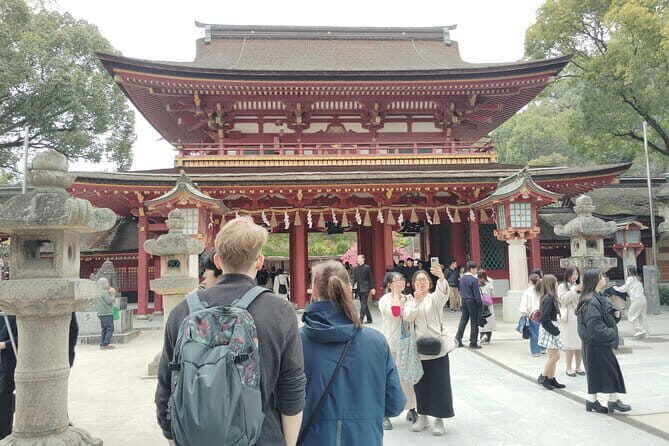
Your first big stop is Nyoirinji Temple, nicknamed the Frog Temple. The main draw is simple and visual: over 10,000 frog statues scattered around the grounds, each with its own look and vibe. They’re associated with luck, prosperity, and safe travels, so it’s the kind of place where people don’t just take pictures—they pause, look around, and soak up the mood.
A highlight is the seasonal wind chime setup from June 1 to September 30. Thousands of colorful wind chimes hang around the temple area, each with paper strips tied on. When the wind moves, the strips flutter, and the whole place starts to feel like a gentle summer spell.
Timing note: your visit is about 40 minutes, and the most “wow” moments depend on weather and wind. If it’s humid and breezy, the chimes become the star show. If it’s still air, you’ll still see the frogs, but the sound-and-motion factor fades.
Also: the itinerary lists admission as free for this stop. That makes it one of the best value pieces of the day.
Mt. Yufu Trailhead: Panoramas Without Needing Summit Fitness
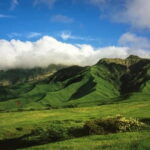
Next comes Mt. Yufu Trailhead, a popular viewpoint area tied to one of Kyushu’s most scenic mountains. People describe the slopes as looking like matcha pudding, which is funny and accurate as a mental picture: smooth green hills rolling into the distance.
Mt. Yufu sits at 1,583 meters, but the practical win here is that you don’t have to be an all-day hiker to enjoy the scenery. The itinerary notes an observation deck at Sakiridai, which is your best bet if you want the big view without a full summit commitment.
The seasonal angle matters too. The mountain area changes a lot through the year—greener in spring, brighter and warmer-feeling in summer, and more dramatic with autumn colors or winter clarity. Even with a short stop, you get a real sense of why people come to this region for scenery beyond hot springs.
Like the first temple stop, the visit window is about 40 minutes and listed as free. So, you’re not paying extra to get the view, and you’re not locked into a hike you might not enjoy.
Yufuin Town Break: Ghibli-Like Charm Meets British-Country Vibes
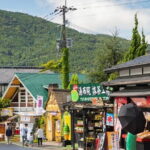
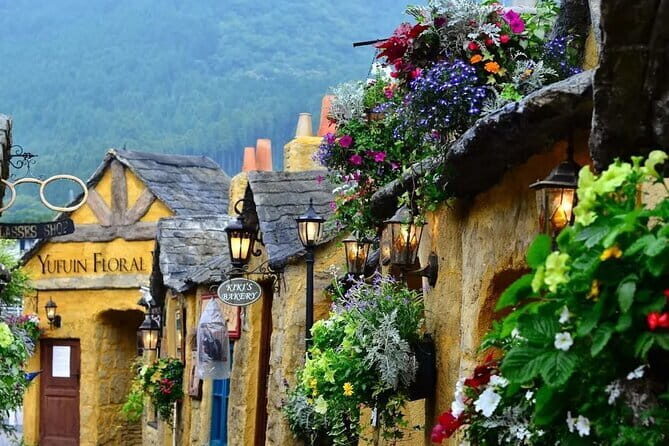
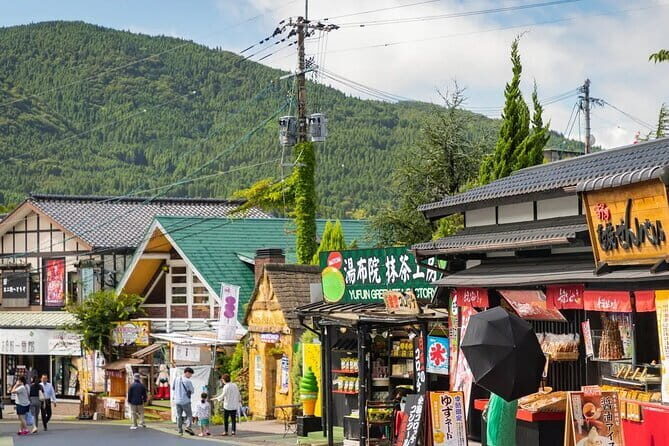
Then you land in Yufuin, where the atmosphere is half tourist-stroll, half real hot-spring town life. The vibe is described as blending whimsical Studio Ghibli energy with a British-countryside feel, and you’ll feel that in the streetscape: cozy storefronts, craft-style shopping, and cafes that invite you to slow down (even if the tour schedule doesn’t let you slow down too much).
This is your longest stretch—about 2 hours 30 minutes—and it’s the stop where you can best recover from the “rushed” feeling.
Two must-know spots inside that time:
Kinrin Lake
This is one of Yufuin’s most famous views. The early morning version is especially atmospheric because mist can rise from the warm water, creating a dreamy look. On a day tour you may not arrive at sunrise, but the lake area still tends to be scenic, calm, and good for a quick reset.
Tangzhiping Street
This is the shopping-and-snack lane for handmade crafts and local sweets. It’s also where you can buy small gifts without going far off route. If you only have a couple of hours, spend your time walking this area and choosing a single “main snack” instead of trying to sample everything.
Open-air hot springs are part of the Yufuin identity too, but with your limited time on a group schedule, don’t assume you’ll have time for a soaking session unless it’s built into your exact plan.
Beppu Sea Hell (Umi Jigoku): The Blue Pools Are Hot Enough to Roast a Camera
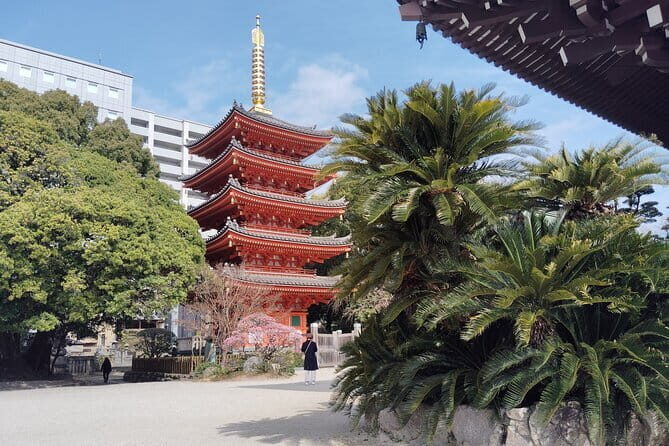
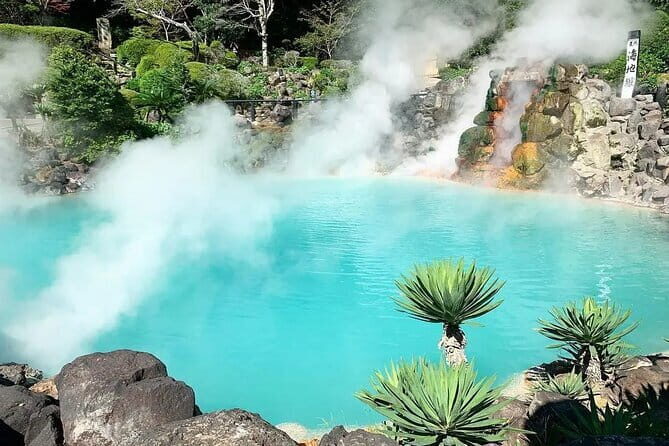
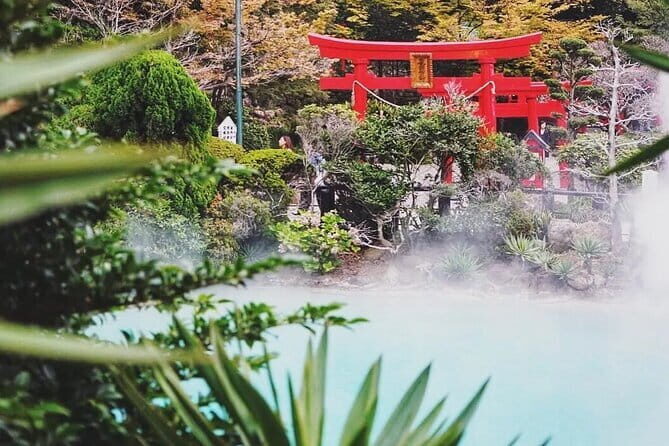
Your final “wow” stop is Umi Jigoku (Sea Hell), one of Beppu’s signature geothermal sights. This place is famous for the pool’s cobalt-blue color. The color comes from iron sulfate, and the pool temperatures are listed around 98°C, so it’s absolutely not a bathing spot.
What you will do instead is watch. The steam rising from the geothermal heat adds a mysterious, almost otherworldly look, especially on cooler days. The site is set up for walking around landscaped gardens with seasonal flowers, so you’re not just standing still staring at water.
There’s also a free foot bath with warm spring water. That’s a nice compromise if you want the “hot spring” feeling without soaking. It’s also a practical one for a group day: quick reset, minimal time commitment.
The itinerary includes a small shop area with steamed hot spring snacks and souvenirs, so you can treat this stop as your last chance to grab something to eat before the return trip.
Timing: about 40 minutes here, and that’s usually enough if you focus on the viewpoints and the foot bath rather than wandering too far.
Also worth noting: the itinerary notes admission as free for this stop, but the tour description states that admission to any hell is not included. If you want zero surprises, confirm your voucher details before you go.

The Missing Piece: Where the Attack on Titan Museum Fits (Or Doesn’t)
The tour description for this route highlights a possible stop in Hita City connected to the Attack on Titan theme (plus a forest oxygen bar alternative). But the itinerary details you’re given for this product list Mt. Yufu, Yufuin, and Sea Hell as the major segments.
So here’s the practical advice: treat this as a day designed for Kyushu highlights, not a guaranteed single fandom stop. Check your exact confirmation for what you’ll see on your date. When schedules change (traffic, weather, or capacity), some places may swap in or out.
If Attack on Titan is a top priority, you’ll sleep better verifying your specific itinerary after booking.
Price and Logistics: Is $94.99 a Smart Use of One Fukuoka Day?
At $94.99 per person for roughly 9–10 hours, you’re paying for convenience and structure more than for ticket-heavy admissions. You do get a multilingual guide (Chinese/English/Japanese-speaking) and a route that covers multiple standout regions in a single day.
Here’s how I’d judge value:
- You’re not paying extra for each major stop if the key attractions on your day are listed as free (Nyoirinji, Mt. Yufu trailhead, and the stop notes for Sea Hell).
- You’re saving time vs. building a complicated day plan from Fukuoka on your own, especially if you’re not fluent in Japanese.
- You’re accepting a trade: short stays and bus time.
If you’re the kind of traveler who wants slow afternoons, this price isn’t “expensive,” but it isn’t designed for lingering. If you’re the kind of traveler who wants a full sampler platter—fun temple, matcha-green mountain views, Yufuin stroll, and Sea Hell steam—you’ll feel like the day is doing its job.
Group size is capped at 40, which is reasonable for a full-day bus tour, but you’ll still be moving as a pack.
When the Day Feels Rushed: How to Stay in Control
One of the clearest concerns from real feedback is that the time per stop can feel tight. That’s not shocking on a route that includes multiple regions and long transit.
You can protect your experience with two strategies:
- Decide your Yufuin priorities before you arrive. Pick either Kinrin Lake first or Tangzhiping Street first. Trying to do both “and also everything else” often leads to the stress of not enjoying anything.
- At Frog Temple and Sea Hell, focus on the main sights, not the wandering. Nyoirinji’s frog displays and the wind chimes are the reason you’re there. Sea Hell’s viewpoints and foot bath are the payoff.
A small but meaningful detail: guides can shape the pace and how well you understand what you’re seeing. In one case, a guide named Riku was described as friendly and informative. In another, a guide named Kevin Y was cited as a major issue, with the experience suffering despite the route itself. So if you’re hoping for a deeply guided, slow museum-style day, keep expectations realistic.
If you’re lucky enough to have a guide who communicates clearly, it helps a lot. One guide named Jimmy reached out in advance via WhatsApp to confirm meeting details and answered questions promptly.
Who This Tour Suits (And Who Might Prefer Another Plan)
This day tour is a strong match for you if:
- you want multiple Kyushu highlights in one day without planning logistics
- you like quirky sights as much as classic scenery
- you’re comfortable with short walks and quick photo stops
- you want a guide to handle navigation between areas
It may be less ideal if:
- you hate rushing and want long, unstructured time in each town
- you’re traveling with someone who needs more time for slower pacing
- your heart is set on a single specific museum or activity (because swaps can happen depending on your exact date)
Also, a practical note: child seats are not available. So it may be harder for families traveling with small kids.
Should You Book Nyoirinji Frog Temple + Beppu Sea Hell + Yufuin from Fukuoka?
I’d book it if you want a fast, fun sampler day and you’re excited by variety: frogs, misty-lake stroll energy, and then geothermal blue steam that looks almost unreal.
I’d be cautious if you know you’ll be disappointed by short visits. This isn’t a “stay all afternoon at one place” kind of plan. It’s a “hit the highlights and keep moving” day.
If you do book, do two things to make it work for you:
1) confirm your exact stop list for your date, especially the Hita/Attack on Titan portion,
2) set your Yufuin priorities in advance so your 2.5 hours feel useful instead of chaotic.
FAQ
What time does the tour start and where do I meet?
The tour starts at 8:30am at Hakata Station (Chikushi Entrance), near bus pickup at 4 Hakataekichuogai, Hakata Ward, Fukuoka.
How long is the tour from start to finish?
The total duration is listed as 9 to 10 hours, and that includes travel time.
What languages are the guides?
The guide is listed as Chinese/English/Japanese-speaking.
Is admission included for the sights?
The stop notes list free admission for Nyoirinji Frog Temple, Mt. Yufu Trailhead, and Umi Jigoku (Sea Hell). However, the tour description also states that admission to any hell is not included, so it’s smart to double-check your voucher details.
What happens if there are not enough participants?
If the minimum of 4 participants isn’t met, the tour will be rescheduled or refunded (offering a different time or a refund).
Is this tour good for families with kids?
Child seats are not available. The tour is marked as suitable for most travelers, but the lack of child seats is a key factor if you’re traveling with young children.