REVIEW · FUKUOKA
Fukuoka Japanese Home Cooking: Ginger Pork
Book on Viator →Operated by byFood · Bookable on Viator
A real Japanese home kitchen in Fukuoka is a great shortcut to better food. This class teaches ichijiu-sansai (one soup and three dishes) and mixes hands-on cooking with a sit-down meal, coffee, and dessert in the same setting. I love how it focuses on fundamentals you can actually repeat later, like umami building with dashi-based miso soup. I also like the small group size and the warm back-and-forth conversation that makes it feel more personal than a typical demo. The main catch: you’re booking into a home environment, so if you’re late or expect a big show, you may feel rushed or boxed in.
What I really appreciated is that the experience doesn’t just hand you a finished plate. You learn to make the dishes that make everyday Japanese meals work, including ginger pork, crispy kakiage tempura, and a green vegetable sesame dish. You’ll also get local texture and flavor lessons from karashi mentaiko served with hot rice. One consideration for picky eaters: the menu centers on classic home flavors, including mentaiko, so it’s not a safe choice if you avoid fish-roe or strong Japanese seasonings.
In This Review
- Key Highlights You’ll Care About
- A Real Home Kitchen in Fukuoka (Not a Restaurant Performance)
- The Meal Plan: Ichijiu-sansai With Ginger Pork and Tempura Crunch
- Morning Cooking Focus: Where Umami Starts in Dashi Miso
- Ginger Pork: The Comfort Dish You’ll Want to Recreate
- Kakiage Tempura: Learning Texture, Not Just Crunch
- Green Vegetable Sesame Dish: How Japanese Side Dishes Do Work
- Karashi Mentaiko With Hot Rice: A Local Flavor Shortcut
- Coffee, Dessert, and Conversation: The Part You Can’t Book Elsewhere
- Price and Value: Is $79.21 Fair for This Class?
- Where to Meet: Fukuoka Futaba Senior High School North Gate
- Logistics That Affect Your Enjoyment
- Who This Class Fits Best
- Should You Book This Fukuoka Home Cooking Class?
- FAQ
- How long is the Fukuoka Japanese Home Cooking: Ginger Pork class?
- What is the meeting point for the experience?
- What dishes will we make during the class?
- What’s included in the price?
- Is alcohol provided?
- How many people are in a group?
- What happens if I cancel?
Key Highlights You’ll Care About
- Small group (max 4 travelers) means more time with the home cook, not a classroom script.
- Ichijiu-sansai training: one soup and three dishes, plus you still get extras like karashi mentaiko with rice.
- Hands-on umami practice using dashi-based miso soup as the flavor starting point.
- Coffee and dessert after you eat so you can slow down and enjoy the conversation.
- Clear, simple provided gear: apron, mini towel, and recipes so you can focus on cooking.
A Real Home Kitchen in Fukuoka (Not a Restaurant Performance)
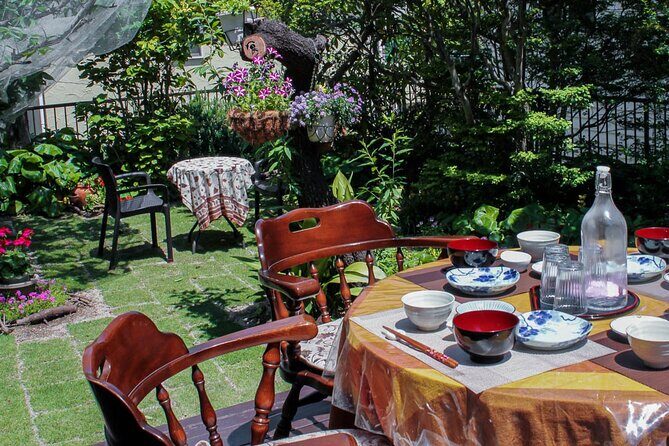
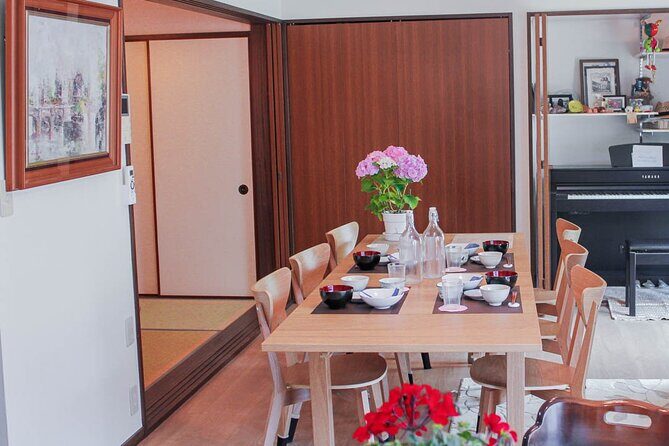
This is the kind of cooking class that feels like someone opened their kitchen door and invited you in for the whole routine. You’re not watching a screen, waiting for one big tasting, or following a rigid script with too many people. The setting is a genuine Japanese home, and that changes the whole pace of the experience.
The group is kept small, with a maximum of 4 travelers. That matters, because you get real attention while you’re chopping, mixing, frying, and plating. Even if you’ve cooked before, you’ll still benefit from the home cook’s tips and tricks.
The timing is also straightforward: it runs about 3 hours starting at 10:30 am, and it ends back where you meet. That makes it easy to plan the rest of your Fukuoka day without juggling transfers right after.
You can also read our reviews of more tours and experiences in Fukuoka.



The Meal Plan: Ichijiu-sansai With Ginger Pork and Tempura Crunch
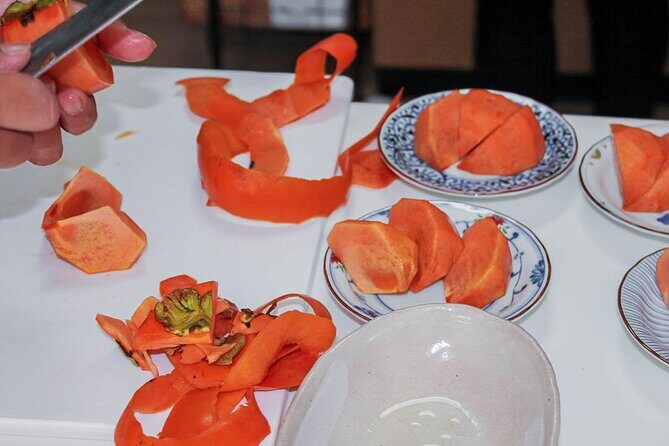
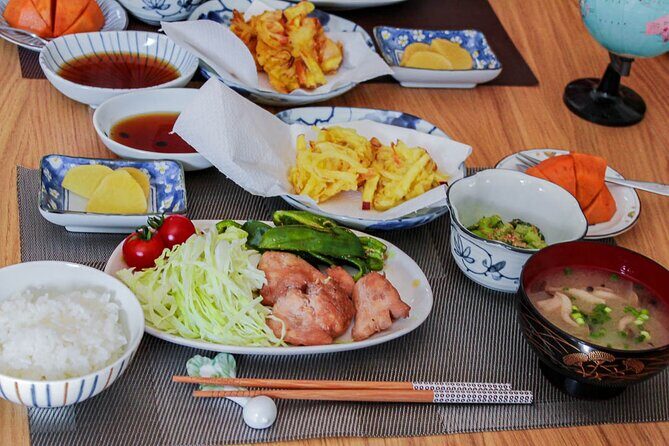
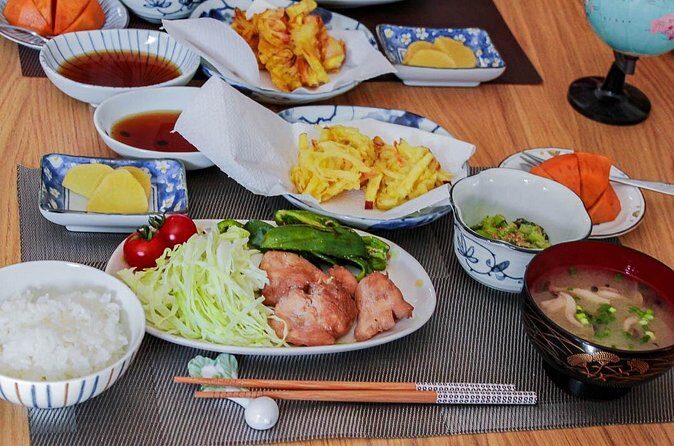
The heart of the class is ichijiu-sansai, which literally means one soup and three dishes. In practice, you’ll build the meal around miso soup and three main components you’ll help prepare.
Here’s what you’ll make as part of that framework:
- Dashi-based miso soup
- Ginger pork
- Kakiage tempura (the crispy, mixed-vegetable tempura style)
- Green vegetable sesame dish
Then you’ll enjoy the meal with karashi mentaiko served with hot rice. That addition is a nice local touch because it rounds out the meal with a distinctly Japanese flavor profile that you don’t usually get in casual home-cooking classes elsewhere.
After the meal, you’ll get coffee and dessert. It’s not just a sweet finish either. The coffee and dessert give you time to talk and unwind, which is where the home-cooking atmosphere really shows.
Morning Cooking Focus: Where Umami Starts in Dashi Miso
If you want one takeaway you can use after the class, it’s learning how Japanese home cooks think about flavor layers. The class starts you on umami building with a dashi-based miso soup.
Even if you’re new to dashi, you’ll get the idea: start with a broth base, then work miso in a way that supports the final flavor. This is one of those steps that sounds simple until someone shows you how they handle it at home.
Why this matters for you: once you understand the logic of dashi-based soup as a foundation, it’s easier to understand why other dishes taste balanced. You’ll start recognizing how the salty depth, savory aroma, and gentle richness fit together.
Also, miso soup is forgiving. If you’re nervous in a cooking class, soup is a comfortable place to begin. You’ll get confident fast because you can smell the dashi working even before you taste.
Ginger Pork: The Comfort Dish You’ll Want to Recreate
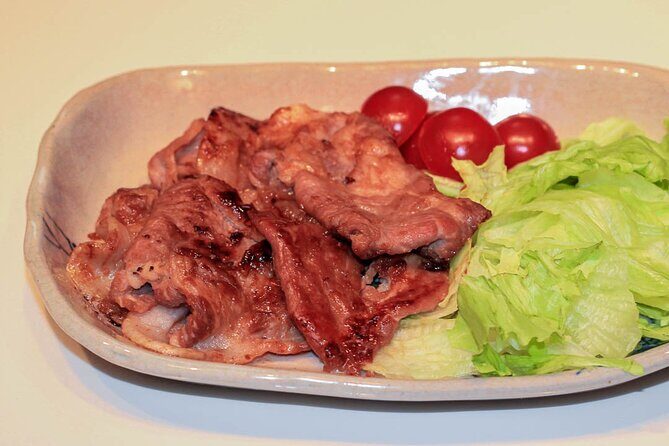
The ginger pork is the kind of home meal that feels familiar even if you’ve never cooked it yourself. In this class, you’re not just tasting—you’re making it as part of the meal you’ll eat together.
The teaching point here is balance: pork needs enough flavor to stand up to miso-style savoriness in the overall meal, but it can’t be heavy. Ginger brings brightness, which helps the dish feel like it belongs on a Japanese table rather than a Western pan dinner.
Practical note: pork cooking can be sensitive to timing. Watch what the home cook does with heat and timing, especially if you’re new to skillet cooking. You’ll likely feel calmer after you see how they judge doneness by look and smell, not by guessing.
By the time you serve it, you’ll understand why this dish works with rice and soup. It’s comforting without being bland, and it gives you a grounded centerpiece to pair with the crispy tempura and sesame greens.
Kakiage Tempura: Learning Texture, Not Just Crunch
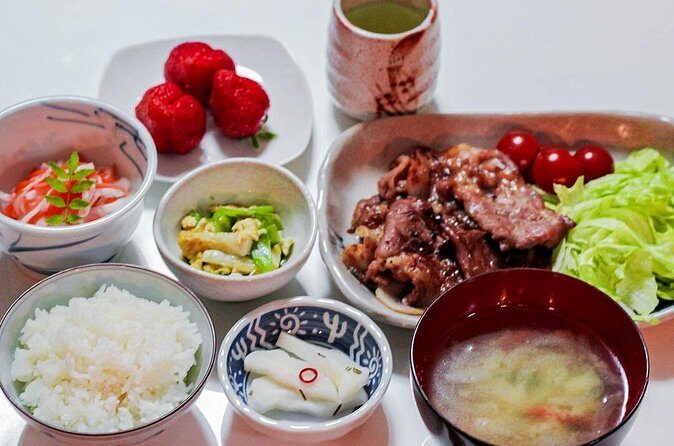
Tempura gets treated like a single skill in many cooking classes, but kakiage tempura is a good reminder that texture is its own lesson. You’ll help make the crispy style where small pieces cook up into a crunchy, light bite.
The key is the frying moment. Tempura isn’t only about what ingredients you use. It’s about how the batter reacts and how quickly it sets. You’ll get tips for handling the mixture and the frying process so it lands crisp instead of greasy.
Why I think this is a high-value part of the class: once you understand how tempura texture changes with timing and technique, you can apply the idea beyond this dish. You’ll also get a clear contrast with the softer components on the table, like sesame greens and miso soup.
If you like finger-food textures, you’ll probably enjoy the way kakiage tempura turns into snack-like bites while you’re still in the cooking stage. It’s fun in a hands-on way, not just decorative.



Green Vegetable Sesame Dish: How Japanese Side Dishes Do Work
The green vegetable sesame dish might sound like a side, but it’s built to do real flavor work. Sesame adds a nutty depth, and the green vegetable component keeps the meal from feeling too heavy.
This is one of those home-cooking lessons that helps you eat like locals. In many Japanese meals, the side dishes aren’t “extras.” They’re what makes the entire meal taste complete when combined with soup and a main.
What I’d focus on when you cook this: the seasoning balance. Sesame dishes often succeed or fail based on how evenly the flavor distributes and how you handle the ingredients so they don’t turn dull.
You’ll also get a feel for what “home style” means here: not complicated techniques, but careful seasoning and plating that makes flavors show up in each bite.
Karashi Mentaiko With Hot Rice: A Local Flavor Shortcut
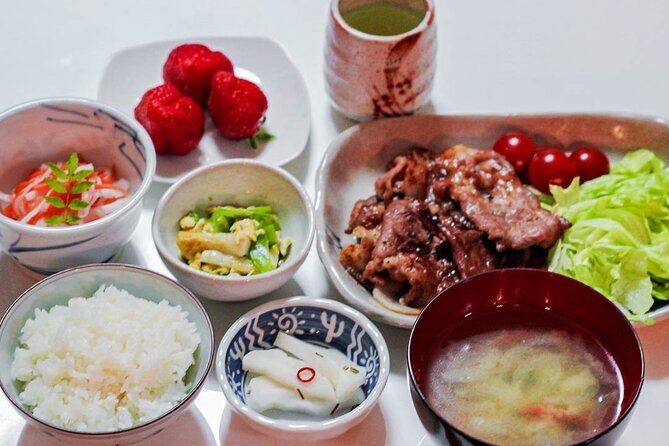
After you cook the ichijiu-sansai parts, you’ll also enjoy karashi mentaiko with hot rice. This is a practical flavor addition because it’s so easy to eat and adjust. It’s also a quick way to experience a distinctly Japanese, home-friendly condiment style rather than just another cooked dish.
How it fits your meal: miso soup is savory and comforting, ginger pork gives you warmth and brightness, tempura adds crunch, sesame greens give you depth, and then mentaiko with rice brings a concentrated flavor hit you can control with bites.
One practical consideration: if you aren’t a fan of mentaiko flavors, you might want to keep your expectations for this part realistic. But if you’re open to trying classic Japanese tastes, this is often the moment you remember later.
Coffee, Dessert, and Conversation: The Part You Can’t Book Elsewhere
The food is the reason to pick this class, but the best part is how the meal stretches into conversation time. You’re in a home setting with the hosts, and coffee and dessert come after the shared meal.
In the reviews, what stands out is the hosts’ warmth and how relaxed the time feels. You’re not just following instructions; you’re talking, asking questions, and getting the kind of small cultural context that doesn’t show up in a guidebook.
This is also where the class becomes more than technique training. You’ll get tips and tricks from a Japanese home cook, and those often come with real-world explanations, like what they aim for at home and how they keep flavors balanced across a full table.
Price and Value: Is $79.21 Fair for This Class?
At $79.21 per person, this class sits in the “serious food experience” range rather than a casual souvenir activity. But it’s not just paying for a meal.
You’re paying for:
- A 3-hour hands-on cooking session in a real home
- Ingredients and tools for the dishes
- Apron and a mini towel, plus recipes so you can repeat what you learn
- Tips from a Japanese home cook
- A full meal you help make, plus coffee and dessert
So the value comes from the combination: instruction, ingredients, and sitting-down consumption all wrapped into one. If you’ve done restaurant meals in Fukuoka, this is often a better deal for people who want more than eating. It’s especially good if you enjoy learning why dishes taste the way they do.
Balanced reality check: transportation isn’t included. You’ll need to get yourself to the meeting point and back. If your plan depends on taxis or long transit time, factor that into the true cost. Also, the max group size is small, so you might need to book ahead if you have fixed dates.
Where to Meet: Fukuoka Futaba Senior High School North Gate
You meet at Fukuoka Futaba Senior High School, at 7-1 Goshogadani, Chuo Ward, Fukuoka, 810-0027. The exact detail that saves you stress is the north gate.
In a review detail that’s worth repeating: go to the north gate on the side facing the Fukuokafutabagakuen Zentenkogata Field. This kind of pinpoint matters because school entrances can be confusing if you wander in the wrong side.
Plan to arrive a few minutes early so you can get your bearings fast. One of the nice things people noticed is that the host is ready and waiting, which helps the whole day start smoothly.
Logistics That Affect Your Enjoyment
This class uses a mobile ticket, which keeps things simple once you’re checked in. It also ends back at the meeting point, which makes your return plan easy.
Also, alcohol isn’t provided. That’s fine if you want a daytime meal, but it’s worth knowing so you don’t expect drinks included with the meal.
If you travel with kids, it’s free for children under 5 years old. If your group includes a young child, this can be one of the more comfortable ways to do a Japanese food experience without forcing a long, adult-only bar format.
Finally, confirmation is received within 48 hours of booking, subject to availability. For the best odds on your dates, I’d avoid booking too late.
Who This Class Fits Best
This is a strong match if you:
- Want a hands-on Japanese cooking experience rather than a tasting-only tour
- Love classic home flavors like dashi miso, ginger pork, sesame dishes, and tempura
- Prefer small groups where you can actually ask questions
It’s not ideal if you:
- Expect an English-first, full-language lecture style (the key language will be cooking cues and home explanations)
- Have a tight schedule where you can’t spare about 3 hours in the middle of the day
- Want alcohol included, since it isn’t provided
Should You Book This Fukuoka Home Cooking Class?
Yes, you should book it if your idea of a great day in Fukuoka is learning real technique and eating what you make in a calm home setting. The price feels fair because you’re getting ingredients, tools, recipes, instruction, and a full meal plus coffee and dessert.
I’d especially recommend it to foodies who enjoy learning foundations like dashi and umami, plus people who want to leave with recipes they can cook at home. If your only goal is just trying dishes quickly, you might choose a restaurant instead. But if you want the why behind the flavors, this class is one of the most practical ways to get it.
If you want, tell me your dates and whether you’ve tried mentaiko before. I can help you decide if the menu is a good fit and suggest a simple plan for the rest of your Fukuoka day around the 10:30 am start.
FAQ
How long is the Fukuoka Japanese Home Cooking: Ginger Pork class?
It runs for about 3 hours.
What is the meeting point for the experience?
The meeting point is Fukuoka Futaba Senior High School, 7-1 Goshogadani, Chuo Ward, Fukuoka, 810-0027, Japan.
What dishes will we make during the class?
You will prepare dishes as part of a one-soup-and-three-dishes meal, including dashi-based miso soup, ginger pork, kakiage tempura, and a green vegetable sesame dish. You’ll also enjoy karashi mentaiko with hot rice.
What’s included in the price?
Ingredients and tools for the dishes, an apron, a mini towel, recipes, and tips and tricks from the Japanese home cook. You’ll also have coffee and dessert after your meal.
Is alcohol provided?
No. Alcoholic beverages are not provided.
How many people are in a group?
The experience has a maximum of 4 travelers.
What happens if I cancel?
You can cancel for free. You must cancel at least 24 hours before the experience start time for a full refund. If you cancel less than 24 hours before, the amount you paid will not be refunded.