REVIEW · KYOTO
Private Customized 3 Full Days Tour Package: Discover Kyoto, Arashiyama and Nara
Book on Viator →Operated by Ahmed Abu Tayeh · Bookable on Viator
Three days, three very different sides of Japan. This private plan strings together Kyoto’s top cultural stops—from Nijo Castle to Golden Pavilion-style sights—then shifts west to Arashiyama’s bamboo and finishes in Nara for the deer and giant temple complex. It’s built to feel like a real trip, not a rushed checklist.
I especially like two things: the private, customizable format (your guide can adjust within the overall route), and the way the days are structured so you hit big landmarks without feeling stuck in one long line. One thing to think through: the price is for the tour service, while entrance fees and lunch are extra, so your total budget will be higher once you add tickets.
In This Review
- Key takeaways before you go
- What this Kyoto–Arashiyama–Nara private tour is really like
- How the private format helps more than you think
- Day 1 in Kyoto: Nijo Castle, Kinkaku-ji, Ryoan-ji, Nishiki Market, Fushimi Inari
- Nijo Castle: Edo-period architecture with standout palace time
- Kinkaku-ji: the Golden Pavilion and garden reflections
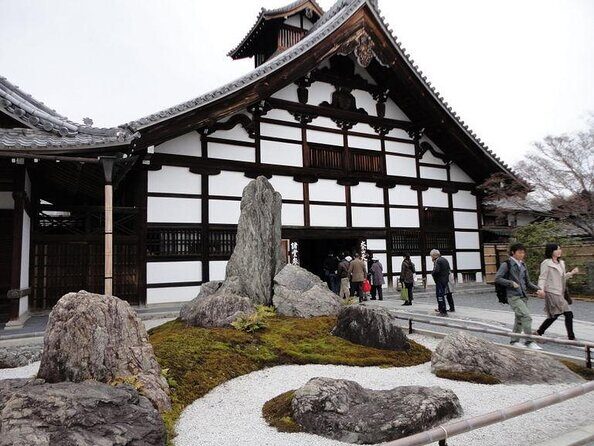
- Ryoan-ji: Zen rock garden simplicity
- Nishiki Market lunch break: Kyoto’s kitchen street
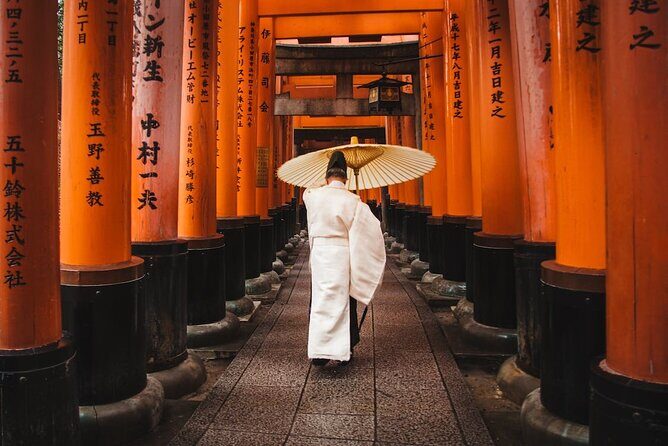
- Fushimi Inari Taisha: red torii gates as a walking experience
- Day 2 in Kyoto/West Kyoto: Arashiyama bamboo, Hozu-gawa River, Monkey’s Park, then Kiyomizu-dera and Gion
- Bamboo Grove, Nonomiya Shrine, and Tenryu-ji garden time
- Hozu-gawa River and Togetsukyo Bridge: scenic Kyoto with river views
- Monkey’s Park: a change of pace from temples
- Lunch, then Kiyomizu-dera on the hillside
- Gion area stroll: traditional streets and old-town mood
- Day 3 to Nara: deer park walks, Kofuku-ji pagoda, Todai-ji and Kasuga Shrine
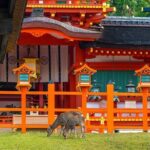
- Nara Station to Nara Deer Park: a walk with characters
- Kofuku-ji: five-storied pagoda area time
- Todai-ji and Kasuga Shrine: big Buddha and lantern paths
- Lunch break and back to Kyoto on a tidy schedule
- Price and what you’re actually paying for
- What to watch for: entrances, walking, and time pressure
- Who this tour suits best
- Should you book this private 3-day Kyoto, Arashiyama, and Nara tour?
- FAQ
- FAQ
- What is the price for this private 3-day tour?
- How long is the tour each day?
- Is the tour private, and what group size is it for?
- Are entrance fees and lunch included?
- What transportation is included?
- What is the starting and ending meeting point?
Key takeaways before you go
- Private and customizable: the route is a solid template, but you can ask for adjustments with your guide.
- Smart three-day rhythm: morning classics, midday breaks, and afternoons that help you spread out crowds.
- Kyoto hits plus the Kyoto-to-Nara shift: you get Fushimi Inari and Gion on top of the major temple trio.
- Arashiyama beyond bamboo: bamboo grove time, plus Hozu-gawa River/Togetsu Bridge and Monkey’s Park.
- Nara with the “big three” temples: Kofuku-ji, Todai-ji, and Kasuga Shrine in one focused day.
- Clear cost split: guiding and management are included; temple admission (¥8,250 per person) and lunch are not.
What this Kyoto–Arashiyama–Nara private tour is really like
This is the kind of tour you book when you want structure, but you don’t want your vacation to feel scripted. You get a guide, a defined route, and a timeline across three days, with the option to tweak the order or emphasis based on what you care about most.
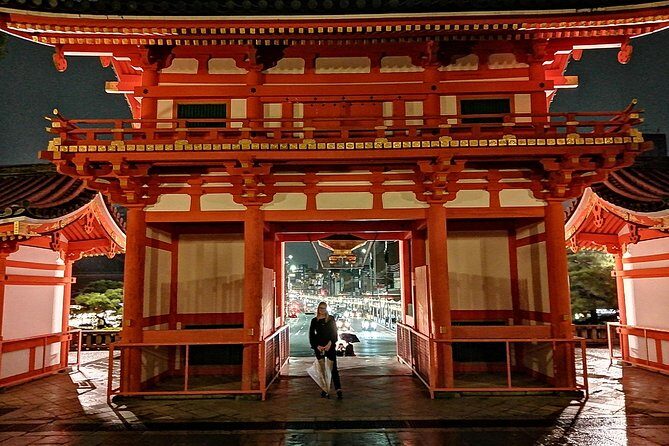
The tour starts and ends in Gion, Higashiyama Ward each day’s plan. That matters because it keeps you close to where most people want to be in Kyoto—near the traditional streets, old neighborhoods, and easy access to sightseeing areas.
You can also read our reviews of more private tours in Kyoto

How the private format helps more than you think
A private tour is more than just fewer people around you. It’s about pacing and decision-making. If you want more time at a garden view, less time at shopping streets, or you’d rather swap two nearby stops in your day, you can ask.
This trip is also set up for groups up to 10. That size can work well if you’re traveling with family or friends who want the same sights but not the same pace. I also like that the guidance and management are included, with pickup in Kyoto city plus an arrangement for car and driver.
Day 1 in Kyoto: Nijo Castle, Kinkaku-ji, Ryoan-ji, Nishiki Market, Fushimi Inari
This day is for first-timers who want the core Kyoto “greatest hits” feeling, without bouncing across the city like a pinball.
Nijo Castle: Edo-period architecture with standout palace time
You start at Nijo Castle, a UNESCO site known for Edo-period architecture and detailed gardens. The highlight is the Ninomaru Palace, which is where you’ll spend your time looking at the ornate interior spaces. Even if you’re not a deep architecture person, it’s the kind of place that makes time feel slower.
Practical note: castle interiors can involve lots of standing and moving through rooms, so wear shoes that handle a lot of walking.
Kinkaku-ji: the Golden Pavilion and garden reflections
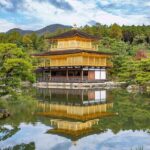
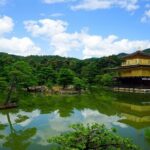
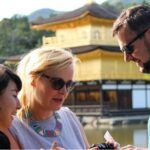
Next is Kinkaku-ji (Golden Pavilion). The key draw is how the pavilion sits above a pond, creating a mirror-like scene depending on the light and water surface. It’s also a garden stroll stop, not just a photo pause, which is nice if you want your sightseeing to feel more like wandering than sprinting.
If you’re sensitive to crowds, aim to enjoy the gardens in the quieter pockets rather than only waiting on the most famous angles.

Ryoan-ji: Zen rock garden simplicity
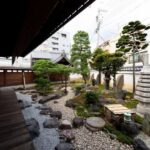
Then comes Ryoan-ji, best known for the Zen rock garden—famous for how a simple layout can feel endlessly contemplative. This stop is timed for about an hour, which is usually enough to see what you came for and still feel calm afterward.
A tip: take your time on the viewing approach. The garden works best when you’re not treating it like a quick “check the box.”
Nishiki Market lunch break: Kyoto’s kitchen street
For lunch, you have a break that lines up with Nishiki Market, often called Kyoto’s Kitchen. It’s a long, traditional shopping stretch with over a hundred stalls in a compact area, so it’s easy to snack as you go—seafood and small bites are the usual style.
This is one place where a guided schedule helps because you can move efficiently without feeling lost. Still, if you’re picky about food or need dietary planning, you’ll want to use the free hour slot to choose carefully.
Fushimi Inari Taisha: red torii gates as a walking experience
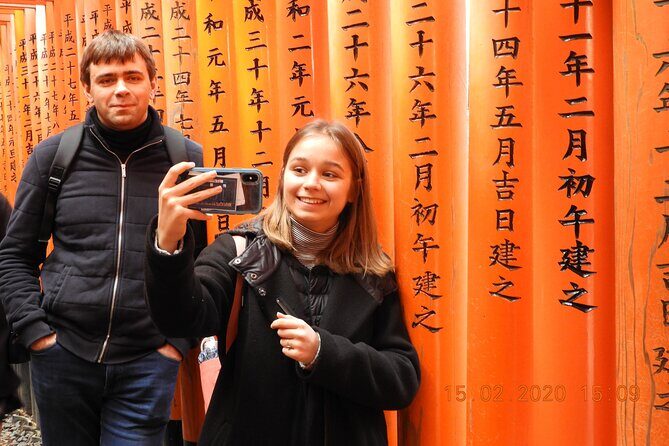
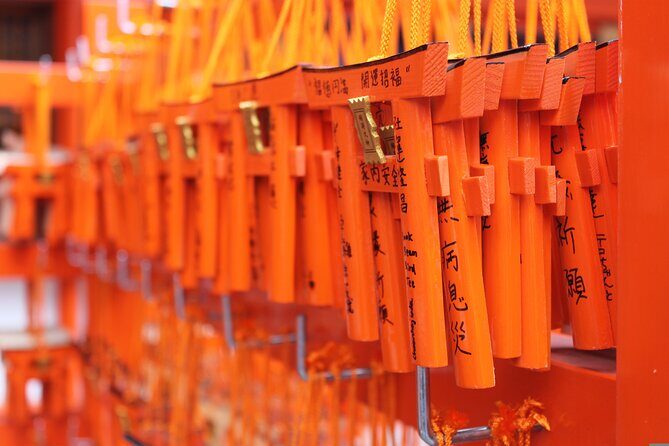
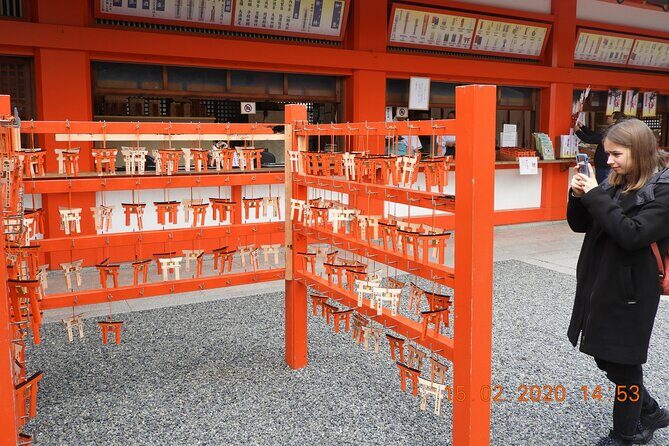
The day ends at Fushimi Inari Taisha, with its thousands of red torii gates. The point here isn’t only the shrine buildings—it’s the walk through the gate-lined trails. It feels theatrical in the best way, like you’re moving through a living shrine corridor.
This stop can mean stairs and uneven paths, especially if you push farther up the trail than the “first section.” Keep your energy for the walking, not just the photos.
Day 2 in Kyoto/West Kyoto: Arashiyama bamboo, Hozu-gawa River, Monkey’s Park, then Kiyomizu-dera and Gion
Day 2 is where the tour shifts from city highlights to scenic Kyoto in a way that feels like a change of scenery, not just a new neighborhood.
Bamboo Grove, Nonomiya Shrine, and Tenryu-ji garden time
Your first big block is Arashiyama, with the bamboo grove and time around Nonomiya Shrine and Tenryu-ji Temple Garden. The bamboo grove is the obvious headline, but what I appreciate is that the schedule doesn’t stop at “walk in the grove, take photos, leave.” You also get a shrine and a temple garden, which gives the day structure and adds variety.
You’ll likely want layers here. Bamboo areas can feel cooler or breezier than central Kyoto.
Hozu-gawa River and Togetsukyo Bridge: scenic Kyoto with river views
Next is Hozu-gawa River and Togetsukyo Bridge. The river adds a slower pace to the day, and the area is known for calm valley scenery and boat-tour options. Even if you don’t take a boat, the bridge and riverfront views give your legs a different kind of sightseeing.
This is a great segment for people who don’t just want temples—they also want “Kyoto in the frame.”
Monkey’s Park: a change of pace from temples
Then there’s Monkey’s Park. The timing makes it a mid-afternoon activity, which can be a nice counterbalance after earlier temple stops. It’s also one of those places where you’ll probably spend time looking outward—views and atmosphere are the point, not museum-style details.
Lunch, then Kiyomizu-dera on the hillside
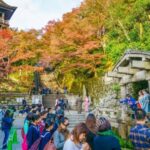
After lunch, you head to Kiyomizu-dera, a UNESCO site perched on a hillside and one of Kyoto’s most iconic landmarks. This stop is popular for a reason: the setting makes you feel like you’re looking at Kyoto from above, while the temple grounds bring you back to classic Kyoto texture—stone, wood, and paths that wind uphill.
Wear shoes with grip. Hillside temple areas can be uneven, especially on busy days.
Gion area stroll: traditional streets and old-town mood
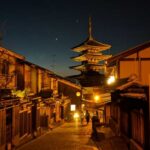
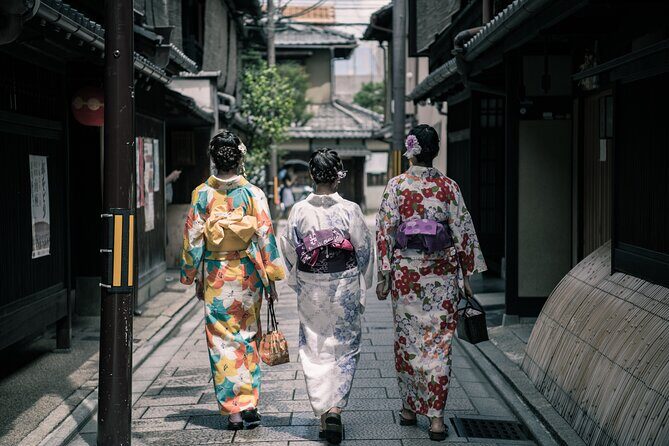
The day finishes with the Gion area. This is a walk through the geisha district vibe, with narrow streets lined by traditional machiya houses and teahouse-style buildings. You don’t need to plan an event here; it works as a sensory “Kyoto after hours” moment even in daylight.
If you’re hoping for the most atmospheric street scenes, pay attention to the time you spend on side streets, not only the main lanes.
Day 3 to Nara: deer park walks, Kofuku-ji pagoda, Todai-ji and Kasuga Shrine
Day 3 is the payoff if you like big cultural anchors and easy-to-grasp atmosphere. Nara is often what people want after Kyoto—less “temple density,” more room to wander.
Nara Station to Nara Deer Park: a walk with characters
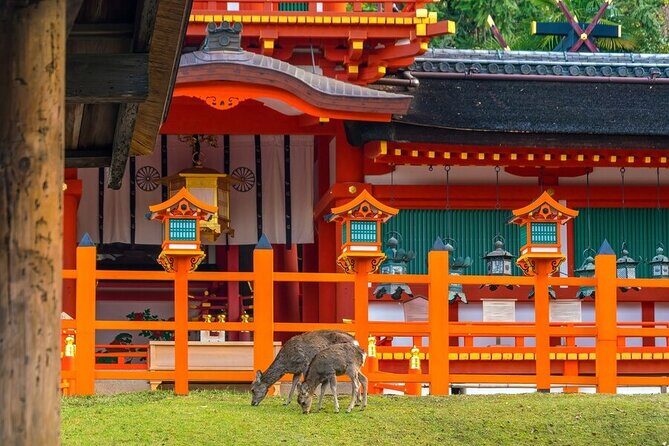
Your day starts with arrival at Nara Station, then a walk through Nara Deer Park. The deer are a central part of the experience. The charm here is simple: you’re sightseeing, and the park’s main “characters” are right there alongside you.
Practical advice: keep some buffer in your schedule for deer encounters. They slow you down in a playful way, but they can also make you bunch up if you’re trying to go too fast.
Kofuku-ji: five-storied pagoda area time
Then you visit Kofuku-ji Temple and the area around the Five-Storied Pagoda. This adds a classic silhouette to your Nara day. It’s a stop that helps break up the deer-park walk with a more temple-centered focus.
Todai-ji and Kasuga Shrine: big Buddha and lantern paths
Next is Todai-ji Temple and Kasuga Shrine. Todai-ji is known for the Great Buddha Hall, which houses one of the world’s largest bronze Buddha statues—so yes, the scale is the point. Then Kasuga Shrine adds a different mood: lots of bronze and stone lanterns along forest paths.
You’ll feel the temperature shift too. Shrine forests tend to cool down and quiet down, which is a nice contrast after the open deer park.
Lunch break and back to Kyoto on a tidy schedule
After lunch, you head back to Kyoto and finish around the mid-afternoon. That means you’re not arriving back at your hotel late, which is underrated when you have three full days behind you.
Price and what you’re actually paying for
The package price is $1,480 per group (up to 10) for 3 full days, typically booked about 63 days in advance. That pricing can look steep if you compare it to DIY tickets, but private multi-day guiding plus car/driver logistics usually cost more than people expect.
Here’s the cost reality check:
- Included: tour guiding and management, pickup in Kyoto city, and arrangement of a car and driver.
- Not included: transportation if it’s not included in your specific price package, entrance fees, and lunch.
- Entrance fees: listed at ¥8,250 per person for the temples in the itinerary.
So what makes it good value? You’re paying for three things you’d otherwise spend time coordinating: (1) a plan that keeps you moving logically across Kyoto and on to Nara, (2) a guide to handle navigation and timing, and (3) a private group setup that reduces the stress of switching between trains, buses, and walking on the fly.
What to watch for: entrances, walking, and time pressure
This tour covers a lot of “major” sights, so you’ll be on your feet. It’s not a sit-down tour with long museum hours. Temple gardens, shrine paths, and scenic river/bridge areas all involve walking—sometimes on uneven ground.
Entrance fees aren’t included, so budget for them up front. Lunch is not included either, and the schedule provides breaks where you can shop/eat in the area.
One more consideration: this experience requires good weather. If Kyoto is rainy, your day could shift to reduce exposure, and the operator may offer another date or a refund.
Who this tour suits best
This is a strong fit if you want:
- a first-time Kyoto overview that still feels thoughtful
- a classic mix: castles, major temples, a market break, and iconic shrines
- scenic Arashiyama plus a full Nara day
- the freedom to ask for customization instead of following a strict public-group script
It also works if you’re traveling with a group that has different interests. The route has something for history/architecture fans (castle), garden-and-art lovers (Ryoan-ji, temple gardens), and scenery seekers (Arashiyama bamboo, river and bridge, forest shrine paths).
Should you book this private 3-day Kyoto, Arashiyama, and Nara tour?
If you want an efficient, high-impact trip with private guiding and a plan you can adjust, I’d say it’s worth serious consideration. It’s especially attractive for people who don’t want the stress of building a multi-day route across Kyoto and Nara while also trying to manage trains, timings, and ticket lines on their own.
Book it if your ideal vacation includes guided pacing, temple concentration, and at least one day that feels like nature as much as city. Consider something else only if you’re determined to skip temple admissions, prefer total DIY freedom, or you’re hoping for a more relaxed, low-walking schedule.
FAQ
FAQ
What is the price for this private 3-day tour?
The price is $1,480.00 per group (up to 10) for the full 3-day experience.
How long is the tour each day?
The schedule runs across three days, with each day lasting roughly from morning meeting time through about 15:00 to 17:00 depending on the day’s plan.
Is the tour private, and what group size is it for?
Yes, it’s a private tour/activity. Only your group participates, with up to 10 people per group.
Are entrance fees and lunch included?
Entrance fees are not included. Lunch is also not included. The listed entrance fee total for the temples mentioned is ¥8,250.00 per person.
What transportation is included?
Tour guiding and management are included, plus pickup in Kyoto city and arrangement of a car and driver. The information also notes that transportation cost may be extra if it is not included in your price package.
What is the starting and ending meeting point?
The tour starts and ends in Gion, Higashiyama Ward, Kyoto, Japan.