REVIEW · KYOTO
Hiking Tour for Sacred Sites in Kyoto with a Guide
Book on Viator →Operated by MY Travel Consulting · Bookable on Viator
Kyoto’s mountains make a great change of pace. This guided sacred-sites hike pairs temple calm with a real trail walk up north. I like that you get English help from a National Licensed Guide so the sites feel understandable, not just pretty.
The best part is the mix: Kurama-dera before you walk, then Kifune Shrine after, with your legs doing the sightseeing. One thing to consider: this is a moderate hike, and weather can change the plan, so pack for rain and plan on steady walking for several hours.
In This Review
- Key Highlights You’ll Care About
- Why This Kyoto Sacred-Sites Hike Feels Like More Than a Walk
- Getting There from Kyoto Station Without Stress
- Kurama-dera: Spiritual Quiet Before You Hit the Trail
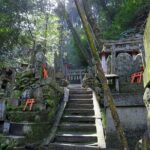
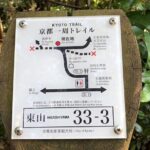
- Mt. Kurama to Kibune: A Scenic 4 km Forest Walk
- Kifune Shrine: Water Deity Spirituality in a Mountain Village
- The Return Trip: Bus + Train Back to Kyoto Station
- Price and Value: What $250 Buys in Real Terms
- What to Pack and How to Pace Yourself on the Trail
- Who This Tour Fits Best (And Who Might Want a Different Option)
- Should You Book This Kyoto Kurama-to-Kibune Hike?
- FAQ
- How long is the tour?
- Is lunch included?
- Does the price include admission and transportation?
- Do I need a moderate fitness level?
- Is pickup available?
- Can the route change due to weather?
Key Highlights You’ll Care About
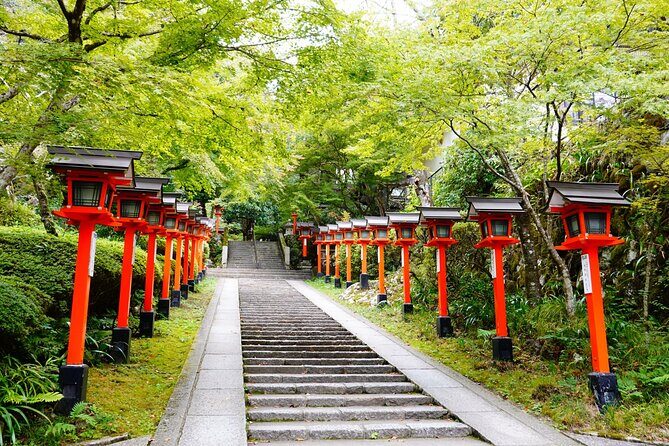
- Kurama-dera plus Kifune-jinja: two major spiritual stops matched to a scenic hike
- Mt. Kurama to Kibune route: about 4 km with a forest feel and mountain views
- Licensed English guide support: you’ll get cultural context as you go (and it helps a lot)
- Admission and public transport included: you’re not constantly calculating extra costs
- Private format for your group: less waiting around, more time actually moving and asking questions
- Mobile ticket use: less hassle on the day, especially when hopping between trains and buses
Why This Kyoto Sacred-Sites Hike Feels Like More Than a Walk
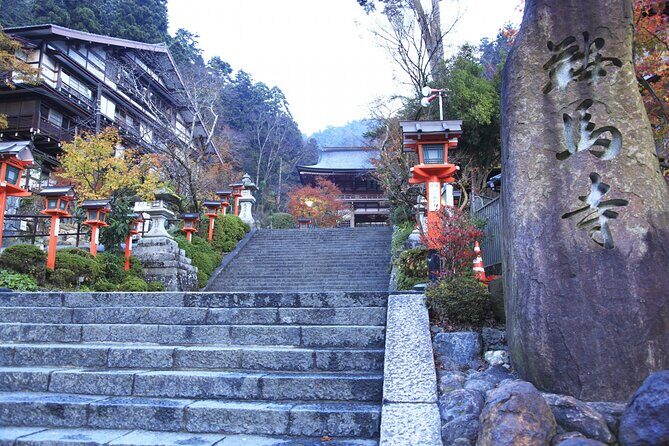
If your Kyoto plan is mostly shrines, streets, and photo stops, this tour adds something different: legs-on-the-ground time in the hills. You’ll start with temple atmosphere, trade city noise for mountain air, and end with a shrine tied to water spirituality. It’s not just a hike with landmarks—it’s a route that makes sense in one direction, from Kurama down toward Kibune.
I also appreciate the structure. You’re not left figuring out what to see or what something means while you’re tired. With a National Licensed English-speaking guide interpreter, you’ll get the “why” behind the places, not just a list of dates and names.
The trade-off is simple: you need to be comfortable with a full half-day of walking. The trail segment is short enough for many people, but it still takes stamina and good shoes.
You can also read our reviews of more guided tours in Kyoto

Getting There from Kyoto Station Without Stress
You’ll meet at Kyoto Station Building, then head out to Kurama Station using public trains. The tour is built around easy transit, and pickup is offered if you need it. That matters in Kyoto, where day plans can fall apart if you’re chasing stations, tickets, and transfer times.
Once you’re dropped into the north-leaning rhythm of the day, the schedule flows:
- temple time
- hiking time
- shrine time
- transit back toward Kyoto
There’s also a practical rhythm to the return. After Kifune Shrine, you’ll use bus and train connections (including a bus change) to get back to Kyoto Station. The tour is designed so you’re not stuck waiting too long in one place.
Kurama-dera: Spiritual Quiet Before You Hit the Trail
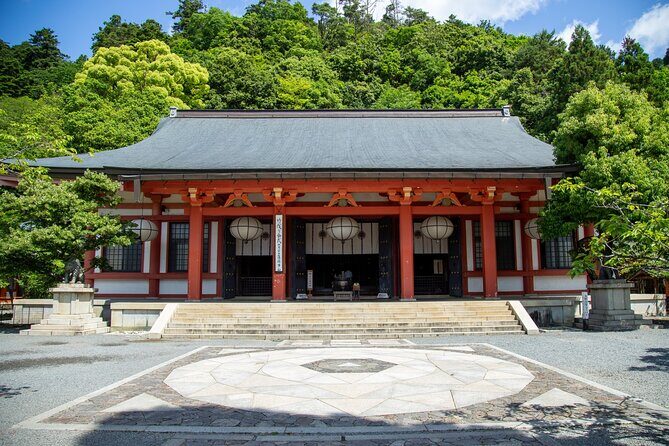
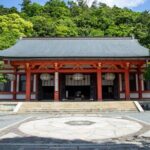
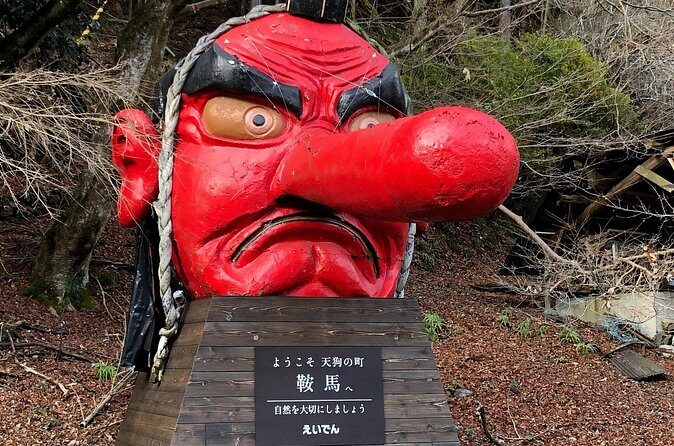
Your first real site stop is Kurama-dera, a historic Buddhist temple set in the mountains north of Kyoto. This is a great first stop because it changes your mood fast. Before you start walking, you get that temple feeling: slower pace, lots of atmosphere, and enough time to look around without racing.
Admission is included, and it’s scheduled for about one hour, which is a good length for a temple stop. Long enough for photos and wandering, not so long that you feel like you’re burning daylight before the hike.
What I like here is the staging. Starting at Kurama-dera helps you understand the route as a whole. You’re not just walking because it’s scenic—you’re moving through a landscape that matters to worship and pilgrimage.
A small consideration: temples often mean stairs and uneven ground. It’s not extreme, but it’s worth wearing shoes you’d be happy to walk in for the hike later.
Mt. Kurama to Kibune: A Scenic 4 km Forest Walk
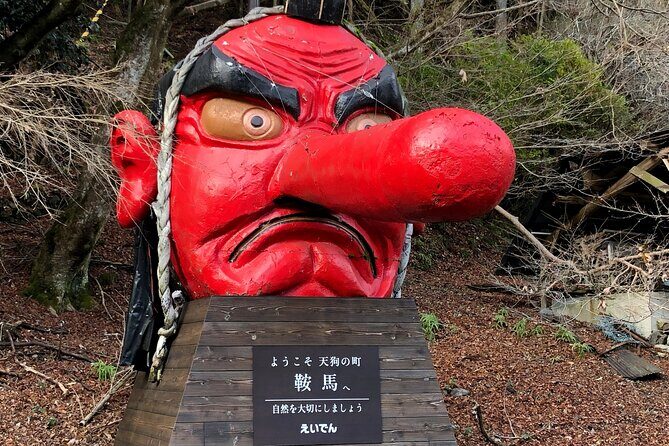
The heart of the day is the hike from Kurama to Kibune. This is one of Kyoto’s popular scenic routes, and the length gives it a sweet spot: it’s about 4 kilometers and typically 1.5 to 2 hours depending on your pace and breaks.
You’ll find:
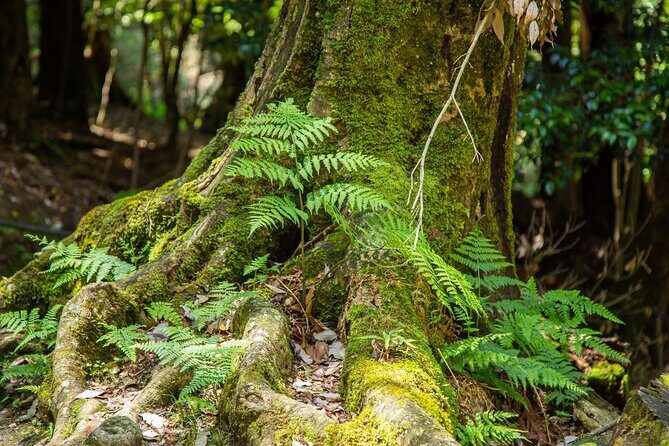
- forest-path walking
- calmer foot traffic than city streets
- plenty of places to stop and reset your brain
In the one family experience shared with this tour, the group included kids aged 15 and 7, and they kept up with a well-paced guide. That doesn’t mean it will feel easy for every kid, but it suggests the route pacing is doable when you stay steady and don’t rush.
Still, here’s the reality check: you need moderate physical fitness. If your idea of walking is mostly flat museum floors, this may feel like work. Also, weather can shift plans. The operator notes that the itinerary might be changed due to weather conditions, so bring rain protection and don’t count on perfect skies.
Tip that’s worth its weight in trail snacks: start the hike looking for short reasons to stop—views, structures, or quiet corners—rather than forcing a nonstop pace.
Kifune Shrine: Water Deity Spirituality in a Mountain Village
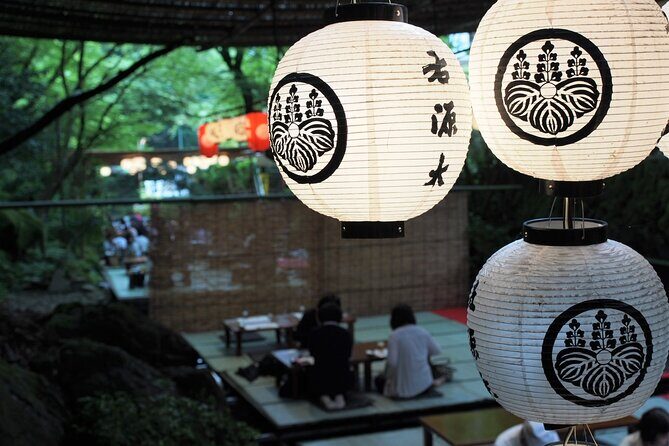
After the hike, you’ll shift from mountain walking to shrine atmosphere at Kifune Shrine (Kifune-jinja), located in the village of Kibune. This shrine is known for its association with water deities, and it also offers a calm, scenic setting that feels different from the temple earlier in the day.
Time here is about one hour, with admission included. One hour is a good fit: enough time to take in the layout and signage, but not so much that you’re tired and ready to bolt.
What makes this stop special for me is how it closes the loop. The day already has a spiritual thread, and Kifune brings in the water theme. Even if you don’t know the details beforehand, the guide helps you connect what you’re seeing to the ideas behind the place.
If you’re walking from Kurama, you’ll arrive ready to slow down. That switch—legs moving, then legs resting—is part of why the route feels satisfying.
You can also read our reviews of more hiking tours in Kyoto

The Return Trip: Bus + Train Back to Kyoto Station
Once you finish at Kifune Shrine, you’ll handle the transit back to Kyoto. The plan includes taking a bus from Kibune-guchi Station to make a connection at Kokusaikaikan Station, then continuing back to Kyoto Station.
You’ll see this for what it is: a normal-day public transport route, managed for you. It’s useful because Kyoto’s north area can feel confusing if you try to DIY it with your own connections. Here, you’re following a plan that already accounts for transfers.
The tour totals around 8 hours (approx.), and the return transit is part of that. So treat this as a true half-day commitment up north, not a short “quick temple” stop during a break.
Price and Value: What $250 Buys in Real Terms
At $250 per person, this tour isn’t the cheapest way to see Kyoto’s sacred sites. But it’s also not trying to be. Your money goes into three high-impact areas:
- A licensed English guide interpreter (not just a casual helper)
- Admission fees for the main stops
- Public transportation fees so you don’t do math all day
For a lot of visitors, the hidden cost of Kyoto DIY is time. You spend energy figuring out stations, reading signs, and translating explanations on your own—then you lose the chance to ask questions when something actually catches your interest.
This tour solves that by bundling the key costs and giving you guide support while you’re moving through the sites. That’s the value equation: fewer gaps in your day, and more meaning per hour.
One more note: it lists group discounts and includes a private tour/activity format for your group only. If you’re traveling with others, ask how pricing works for your specific group size, since the discount details aren’t spelled out in the summary.
What to Pack and How to Pace Yourself on the Trail
Because you’ll be hiking and visiting religious sites, your day depends on sensible planning.
Bring:
- comfortable walking shoes (this is the non-negotiable item)
- rain gear just in case (the itinerary can shift with weather)
- a small day bag for water and snacks since lunch isn’t included
Lunch is listed as about $10–$20 USD if you buy it on your own. That range is useful when you’re budgeting. I’d plan for something light so you don’t feel heavy when you’re still moving.
Pacing: the hike is short enough that you can keep your energy, but don’t treat it like a race. Use the guide’s context stops—those short pauses for explanation are part of the experience, not dead time.
Who This Tour Fits Best (And Who Might Want a Different Option)
This is a good choice if you want:
- a guided hiking experience with cultural meaning
- temple and shrine visits tied to one coherent route
- an English-speaking interpreter who can explain what you’re seeing
It’s also a strong option for families, based on the experience where kids ages 15 and 7 were able to keep up on a well-paced walk. Still, kids and teens vary a lot. If your group includes smaller kids or anyone with knee issues, consider your comfort with the trail and the potential for rain.
This tour likely won’t fit if:
- you want a fully relaxed city day with minimal walking
- you can’t handle moderate walking for a few hours total
The moderate fitness requirement is clearly stated, and it’s honest. If you’re okay with that, you’ll probably enjoy how the day flows.
Should You Book This Kyoto Kurama-to-Kibune Hike?
I’d book it if you want Kyoto that includes a real trail, not just a checklist of famous spots. The combination of Kurama-dera + Mt. Kurama to Kibune + Kifune Shrine is well balanced: calm before the hike, nature during the walk, then a spiritual payoff at the end.
Skip or compare if you’d rather spend your energy on indoor highlights or you’re not comfortable with moderate hiking, especially in changing weather. Also, if you hate the idea of planning meals, remember lunch is not included.
If your priority is a guided day with admissions and transport handled, and you like the idea of learning while you walk, this is a solid value for a structured half-day out in the mountains.
FAQ
How long is the tour?
It runs about 8 hours (approx.), including travel time and visits to the temple, hike segment, and shrine.
Is lunch included?
No. Lunch is not included, and it’s typically around $10–$20 USD if you purchase it on your own.
Does the price include admission and transportation?
Yes. Admission fees and public transportation fees are included.
Do I need a moderate fitness level?
Yes. The tour is best for travelers with a moderate physical fitness level.
Is pickup available?
Pickup is offered.
Can the route change due to weather?
Yes. The itinerary might be changed due to weather conditions or other reasons.