REVIEW · TOKYO
Tokyo: Shibuya Sky, Harajuku & Meiji Shrine Highlights Tour
Book on GetYourGuide →Operated by Japan Luxe Tours · Bookable on GetYourGuide
Most cities show you sights. This one shows you contrasts. From Shibuya Sky’s 360° views to the hush of Meiji Shrine, you get modern Tokyo and traditional Tokyo in one clean 5-hour walk. I especially like how the route stitches together the energy of Shibuya Crossing with Harajuku’s youth-fashion energy, and I also like that the guide turns it from random wandering into something you can use. One possible drawback: if you mainly want Shibuya Sky and would rather plan and walk on your own, you may feel the $110 price is steep.
A good guide matters here. I’ve seen examples like Ren and Shun, both praised for going beyond basics with practical local tips on shopping and food, plus a smooth sense of timing when crowds get thick. Still, this is a walking tour, held rain or shine, so you’ll want to dress for comfort and keep your pace realistic.
In This Review
- Key things I’d circle before you book
- Starting at Hachiko: Why This Tour Begins in Shibuya
- Shibuya Sky’s 360 Views and the Wind-Check Reality
- Scramble Crossing, Shibuya Parco, and Miyashita Park: Modern Tokyo in Steps
- Cat Street and Takeshita Street: Finding the Kawaii Without Getting Lost
- Meiji Shrine: The Reset Button After Shibuya
- How the Local Guide Changes the Value (and When It Might Not)
- Price and Logistics: What $110 Really Buys You
- Walking Logistics: 5 Hours, Rain or Shine, What to Wear
- Who This Tour Fits Best
- Should You Book This Shibuya Sky + Harajuku + Meiji Tour?
- FAQ
- How long is the tour?
- Where does the tour start and where does it end?
- Is transportation included?
- Is this a walking tour?
- What languages is the guide available in?
- Is the tour wheelchair accessible?
- Does it run in bad weather?
- Are admission tickets included?
- Can I cancel for a full refund?
Key things I’d circle before you book
- Shibuya Sky: a true 360° overview, including a bird’s-eye feel for Shibuya Crossing
- Fast, smart timing: short stops at busy icons, longer time for the areas that reward wandering
- Harajuku street style, not just photos: Takeshita energy plus Cat Street’s calmer fashion boutiques
- Real “contrast” travel: Shibuya hype, then the forest path and torii at Meiji Jingu
- Guide-powered value: English-speaking support and local insights (names like Ren, Shun, and Kosei pop up)
Starting at Hachiko: Why This Tour Begins in Shibuya
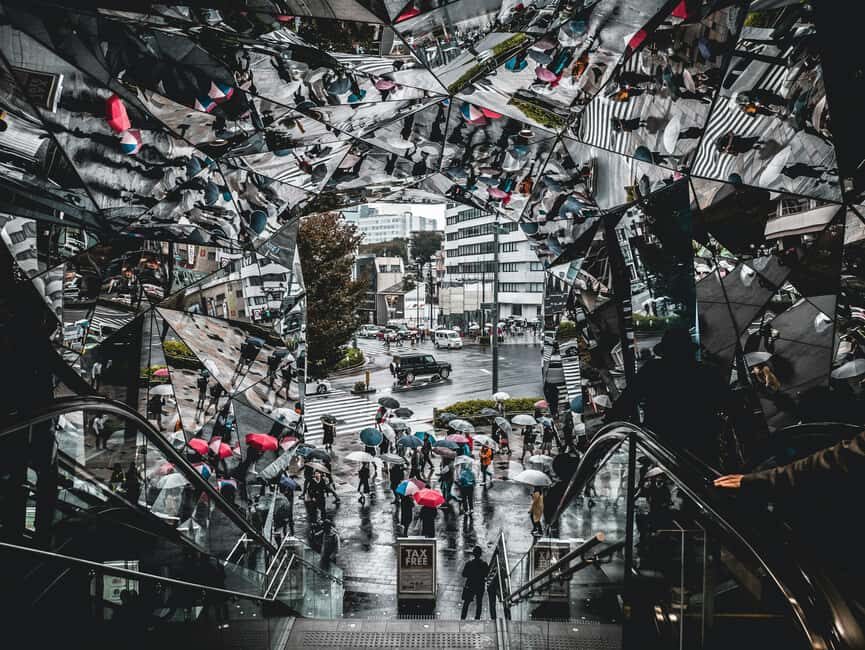
You kick things off at the Hachiko Statue (忠犬ハチ公像). It’s one of those Tokyo landmarks that acts like a social shortcut: easy to find, easy to orient around, and packed with meaning. From there, you’re set up for the “Shibuya story,” rather than treating Shibuya like a blur of streets.
Starting here also helps you understand why Shibuya feels different from other parts of Tokyo. Even before you reach the observation deck, you’re in the district where fashion, music, youth culture, and commuter flow all overlap.
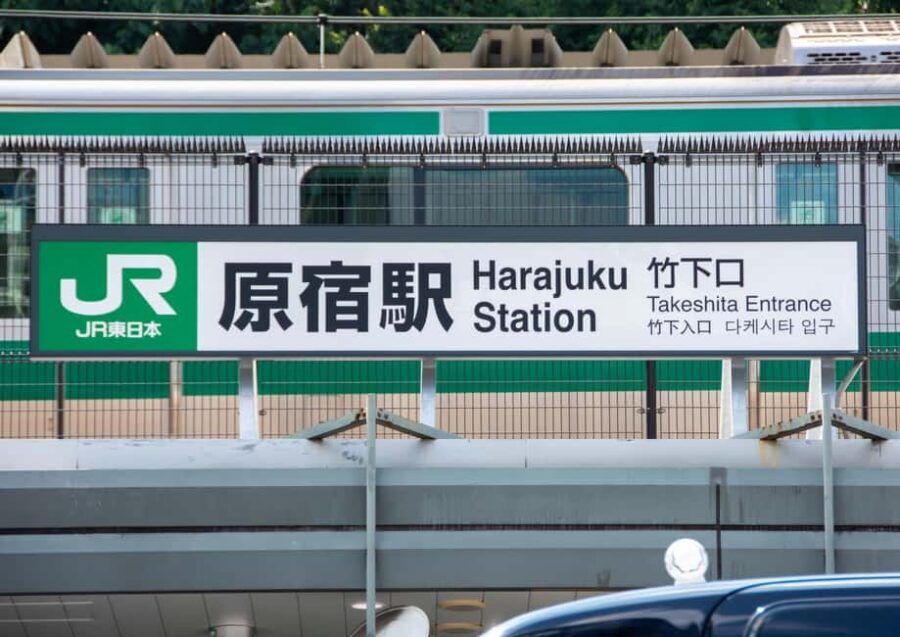
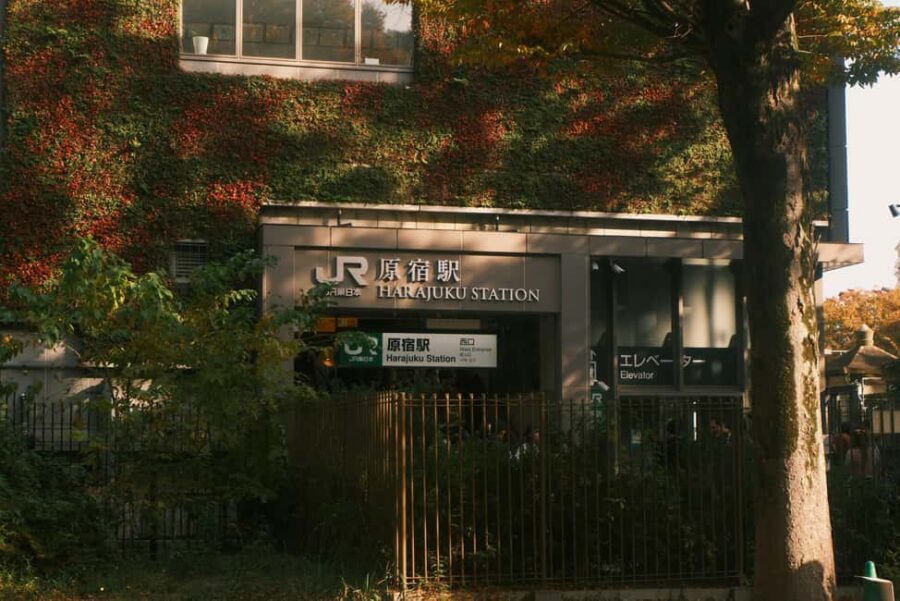
The tour ends at Harajuku Station, so you’re basically walking a logical arc: Shibuya → Harajuku → shrine peace. That “direction” matters on a half-day schedule.
You can also read our reviews of more tours and experiences in Tokyo.



Shibuya Sky’s 360 Views and the Wind-Check Reality
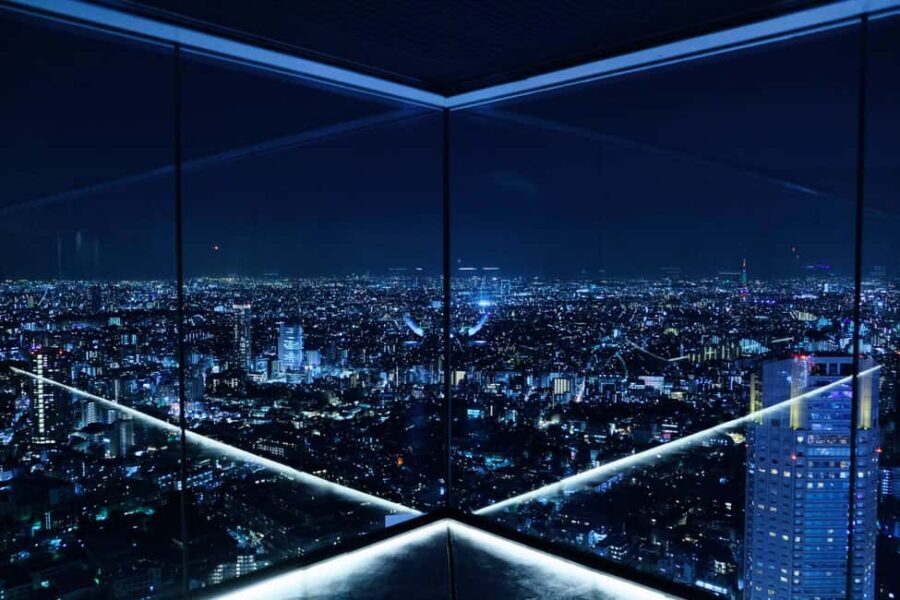
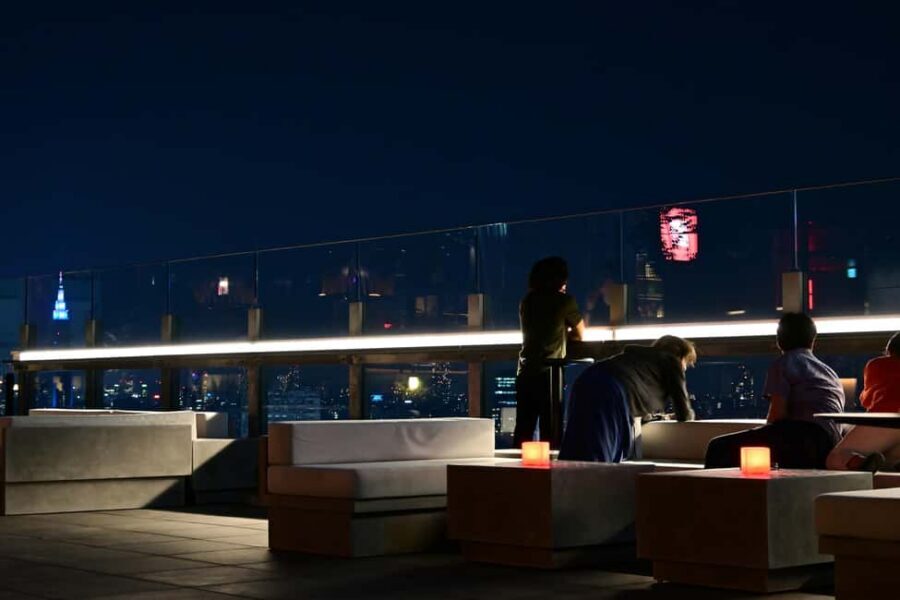
Shibuya Sky is the showstopper. You get a focused visit with time for photos and a guided component, roughly 45 minutes. The big payoff is the 360-degree panorama—you can trace Tokyo’s shape, not just frame a skyline. If you like seeing cities from above, this is where Tokyo starts making sense.
One thing to know: on at least one day, the outside viewing area was reported as closed due to wind. That’s not something you can control, but a good guide can still help you get the best indoor angles and keep the experience feeling complete rather than disappointing.
Practical tip: bring your patience for photos. Observation decks in Tokyo can get crowded, and lighting changes fast. I’d treat Shibuya Sky less like a single photo moment and more like a chance to rotate your viewpoint—look for where the city grid makes lines, then look for where the human traffic forms patterns.
Scramble Crossing, Shibuya Parco, and Miyashita Park: Modern Tokyo in Steps
After the skyline, the tour drops you back into street level at the Shibuya Scramble Crossing. The stop is short—about 15 minutes—because the point isn’t to linger in a jam. The point is to see it from multiple angles: first from above, then as the real thing. That contrast is the whole idea.
From there, you head into Shibuya’s shopping and lifestyle hubs:
- Shibuya Parco (about 45 minutes)
- Miyashita Park (about 45 minutes)
These stops aren’t just “go look at stores.” They help you feel Shibuya’s rhythm—fashion-first, but also practical. The guide can point out where people actually spend time, where the best casual food tends to be, and what kinds of shops are worth your attention (especially if you don’t want to burn your whole day chasing random storefronts).
One reviewer-described theme that’s easy to believe: a strong guide will adjust on the fly. If you move faster, the pace changes. If you ask questions, the tour becomes more useful than a fixed checklist.
Cat Street and Takeshita Street: Finding the Kawaii Without Getting Lost
Next comes the bridge between Shibuya and Harajuku: Cat Street. It’s a more fashion-curious side street that feels different from the main Harajuku flow. You get about 45 minutes, including guided walking and time to shop. This is where you can spot the independent style side of Tokyo—less corporate, more street-chic.
Then you hit Takeshita Street, the famous “kawaii” strip. Expect youth fashion, bright storefronts, and the kind of snack-and-souvenir energy that makes Harajuku feel like a different city. The time is again about 45 minutes, and the guide’s job is key here: navigating the crowds, pointing out what’s worth stopping for, and helping you avoid wasting time on places that don’t match what you actually want.
If you’re thinking, I just want the iconic stuff: this is your moment. If you’re thinking, I also want wearable style ideas: Cat Street is your friend. The route balances both.
Practical tip: with Takeshita, plan for sensory overload. Keep moving until you find the lane that matches your taste, then slow down. Otherwise it’s easy to feel like you “did Harajuku” but didn’t really enjoy it.
Meiji Shrine: The Reset Button After Shibuya
Finally, you transition from neon and crowds to a quieter world at Meiji Jingu Shrine. The stop is about 30 minutes, with a photo opportunity and guided walk.
You enter the shrine approach through a forest path, which does something powerful to your brain after Shibuya. The air feels different. The pace changes. You go from stopping to look at what people wear to stopping to notice what the space requires—silence, respect, and slower attention.
Meiji Jingu is dedicated to Emperor Meiji and Empress Shoken, and your guide will share context about the sacred space and what you’re seeing as you move under the torii gate. Even if you’re not deeply religious, this kind of cultural orientation helps you understand why the place feels the way it does.
This is also where the contrast becomes more than a marketing line. You start to feel how Tokyo can be both hyper-modern and spiritually grounded, often within the same half-day.






How the Local Guide Changes the Value (and When It Might Not)
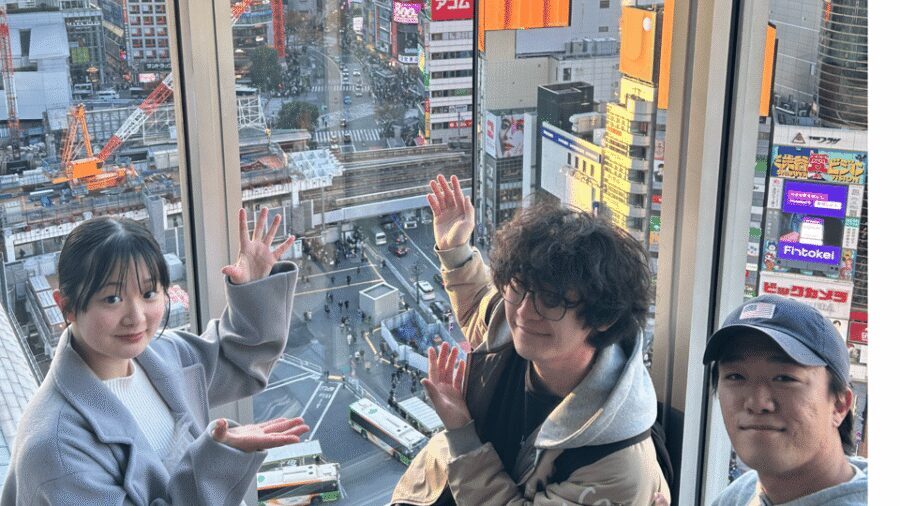
The tour includes a local guide, and in the feedback, this is where the best experiences shine. People praised guides by name—Ren, Shun, Kosei, Konon, and Max—and the repeated theme is practical help:
- better navigation through busy areas
- tips on food and shopping that fit real budgets and interests
- pacing help so you don’t lose time to crowds or wrong turns
That’s where the $110 can make sense. You’re paying not only for the itinerary, but for the mental labor you’d otherwise do yourself: deciding where to go first, what’s worth a stop, and how to get from point to point efficiently on foot.
But here’s the honest consideration. One booking described the experience as overpriced compared with just the Shibuya Sky value—especially when the outdoor section closed due to wind. That doesn’t mean the tour is bad; it means you should match the product to your travel style. If you’re the type who loves solo wandering and you already know how to handle trains and crossings, you could build a similar route yourself.
If you’re new to Tokyo, short on time, or easily overwhelmed by crowds, a guide is usually the difference between a good day and a smoother one.
Price and Logistics: What $110 Really Buys You
At $110 per person for about 5 hours, you’re buying a guided route that strings together major districts efficiently. Transportation isn’t included, so you’re on your own for getting to the start point and getting home after.
Admissions are also partially handled: the tour notes that admissions for sights not listed in the highlights aren’t included. In plain terms, some entries are likely covered because the top stops are central to the experience—but you should still confirm what’s included for each major ticketed stop, especially if you’re trying to budget tightly.
Value usually comes from three things:
- sequence (sky view first, scramble second)
- time control (short icons, longer browsing streets, shrine reset)
- interpretation (what you’re seeing and where to go next)
If you want a guided “best-of route” with minimal decision fatigue, it’s priced like that. If you want only one or two sights, you may feel the math doesn’t work.
Walking Logistics: 5 Hours, Rain or Shine, What to Wear
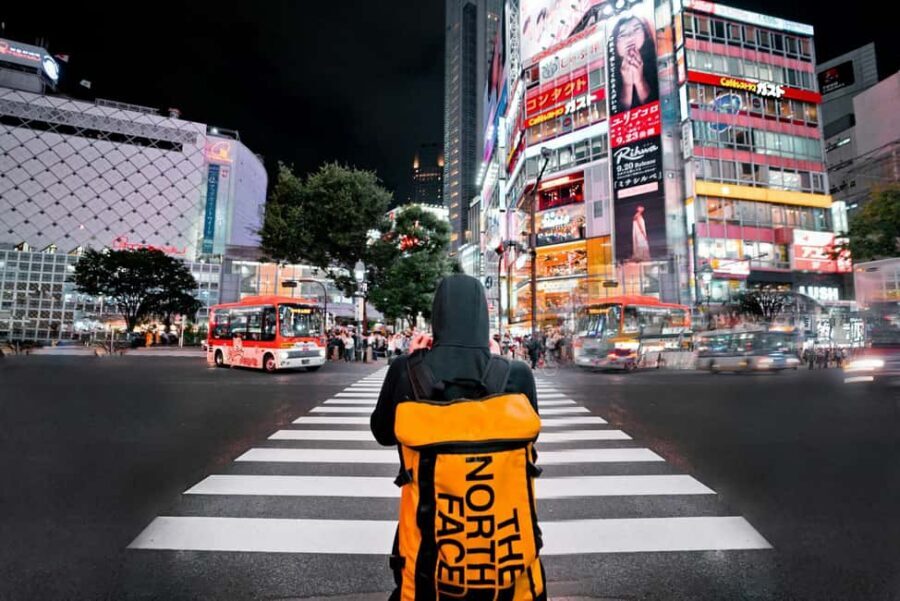
This is a walking tour. It runs rain or shine, so you should assume you’ll be moving even if the weather turns. Wear comfortable shoes you can keep on for hours. Bring a small umbrella or a light rain layer—Tokyo weather can be moody.
You’re also told it’s a private group, so you won’t be stuck in a giant herding situation. Still, private doesn’t mean effortless. Shibuya and Harajuku are crowded by nature, and you’ll still walk through dense areas.
One more note: smoking isn’t allowed. So plan around that if you’re trying to take breaks.
Wheelchair accessible is listed, which is helpful if you want to know the tour operator is thinking about access from the start.
Who This Tour Fits Best
This tour is a smart pick if:
- you want a first-time Tokyo compass in one afternoon
- you like contrast—city energy plus shrine calm
- you want guidance on food and shopping decisions, not just landmark checklists
- you’re traveling as a small private group and want a plan that makes sense
It may be less ideal if:
- you already know exactly how you’ll route Shibuya → Harajuku → Meiji on foot
- you mostly care about a single landmark and want maximum freedom afterward
- you prefer long, slow museum-style pacing rather than street-level browsing
In other words: it’s great for orientation and “Tokyo feel,” and it’s not meant to be a deep-study day.
Should You Book This Shibuya Sky + Harajuku + Meiji Tour?
I’d book it if you want a guided day that links the big icons into something coherent: sky view, scramble chaos, fashion streets, then shrine quiet. The guide component is the big reason to choose a tour over solo wandering, and the strongest feedback consistently points to that “helpful and thoughtful” guidance.
I’d hesitate only if you’re a confident planner who will enjoy building the route alone, or if you’re very budget-driven and only want one ticketed highlight. In that case, compare the cost of the items you truly care about versus paying for the guide’s time.
Bottom line: if you want less stress and more useful Tokyo time, this route is a solid value for a first or return visit.
FAQ
How long is the tour?
It’s listed as a 5-hour walking tour.
Where does the tour start and where does it end?
It starts at 忠犬ハチ公像 (Hachiko Statue) and finishes at Harajuku Station.
Is transportation included?
No. Transportation for both you and the guide is not included.
Is this a walking tour?
Yes. The experience is a walking tour.
What languages is the guide available in?
The live guide is available in English and Japanese.
Is the tour wheelchair accessible?
Yes, it’s listed as wheelchair accessible.
Does it run in bad weather?
Yes. The tour is held rain or shine.
Are admission tickets included?
It says admission for sights not listed in the highlights is not included. For anything specifically listed, you should verify what is covered for your chosen time.
Can I cancel for a full refund?
Yes. Free cancellation is available up to 24 hours in advance for a full refund.