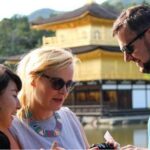
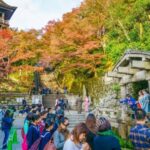
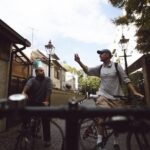
Torii gates and bamboo forest, minus the crowds. KIYOTO’s Kyoto Private Tour is built for a private guide and a smooth day of temples, shrines, markets, and riverside strolls—so you’re not stuck waiting for a group to catch up. I like that you can ask questions as you go, and the guide’s attention stays on your pace, not a schedule.
What I especially like is the way this tour mixes the famous stops with smaller Kyoto moments you’d miss on your own—like Pontocho along the Kamo River and the wooden calm of Tatsumi Bridge. I also like the photo focus; guides on this tour have a reputation for helping you get great shots without feeling rushed.
One thing to consider: several major temple entrances are not included (including Kiyomizu-dera and Kinkaku-ji), and the experience is primarily on foot—so plan for stairs, uneven lanes, and a steady walking pace even though the tour lasts only 4 to 8 hours.
In This Review
- Key things that make this Kyoto private tour click
- Price and time: what you’re really paying for
- Where the day starts: Kyo-Navi at Kyoto Station
- How a private guide helps at Kyoto’s busiest spots
- Pontocho to Kiyomizu: learning Kyoto’s layout as you walk it
- Pontocho District (Kamo River lanes)
- Fushimi Inari-taisha Shrine and Senbon Torii
- Kiyomizu-dera Temple (paid entry)
- Sannenzaka and Ninenzaka stone streets (for old-Kyoto atmosphere)
- Gion and Higashiyama by foot: Nineizaka Starbucks to Hanamikoji
- Starbucks Coffee at Kyoto Nineizaka Yasaka Chaya (optional stop)
- Yasaka Pagoda (Gojunoto) and Hōkan-ji Temple
- Hanamikoji Street: the Gion heart
- Rivers, bridges, and Nishiki Market: where the tour turns into real Kyoto life
- Tatsumi Bridge on the Shirakawa River (short, scenic, effective)
- Nishiki Market: Kyoto’s Kitchen
- Kinkaku-ji and Tenryuji: moving from gold to Zen
- Kinkaku-ji (Golden Pavilion) paid admission
- Tenryuji Temple (Arashiyama Zen temple, paid admission)
- Arashiyama Bamboo Forest and the bridge views you can’t plan alone
- Arashiyama Bamboo Forest (about 400 meters)
- Arashiyama Kimono Forest art installation (near Randen Arashiyama Station)
- Togetsukyo Bridge over the Oi River
- Photo help and flexibility: what to ask your guide on day one
- Who should book this Kyoto Private Tour
- Should you book KIYOTO’s Kyoto Private Tour?
- FAQ
- How long is KIYOTO’s Kyoto Private Tour?
- Is this tour private or shared with other groups?
- Is pickup available?
- Are entrance tickets included for all temples and attractions?
- Do I need to pay for transportation during the tour?
- Where do I meet the guide?
- What about mobile tickets?
- Is food included in the tour price?
- Can I cancel and get a full refund?
- Are service animals allowed?
Key things that make this Kyoto private tour click
- Private guide attention: more questions, more course-correction, and less time staring at maps
- Icon-to-quiet rhythm: Senbon Torii at Fushimi Inari, then river lanes, markets, and temple gardens
- Photo-friendly approach: you’ll get help spotting viewpoints and timing your shots
- Lots of “Kyoto flavor” stops: geisha districts, Nishiki Market, Arashiyama viewpoints
- Know which sites cost extra: Kiyomizu-dera, Kinkaku-ji, and Tenryuji require separate admission
Price and time: what you’re really paying for
At $177.90 per person for a private tour, the value depends on how you travel. If you’re used to paying for taxis plus museum tickets plus a “good enough” self-guided plan, this can feel like a bargain—because you’re buying the guide time and the route logic in one package.
The timing matters too. This runs about 4 to 8 hours, so it’s not a half-day sprint with zero breathing room. Still, it’s designed as a walking day. That means your comfort with hills, temple stairs, and longer urban side streets will shape how great the experience feels. If your group loves to pause for photos (or just people-watch the older parts of Kyoto), this format works well.
This also helps you plan financially. Food, drinks, and attraction tickets are not included, and transport is primarily walking. So the guide can steer you toward the right entrances, but you’ll still pay for the paid sites and any meals you choose.
You can also read our reviews of more private tours in Kyoto
Where the day starts: Kyo-Navi at Kyoto Station
Your tour meets at the Kyoto Tourist Information Center Kyo-NaviJapan, inside Kyoto Station Building, 2nd floor. That’s a smart setup if you’re staying near the station or arriving by train. It’s easier than meeting out in the middle of traffic, and it makes the day feel organized from minute one.
The tour also ends back at the meeting point. That matters because Arashiyama and the eastern sightseeing zones can be far apart, and returning to a central hub saves you from figuring out your own final ride at the end of a long day.
How a private guide helps at Kyoto’s busiest spots
Kyoto isn’t short on crowds. The “private” part here isn’t just a label—it changes the whole experience.
For example, at Fushimi Inari-taisha Shrine, the big draw is walking through the Senbon Torii gates (those famous vermilion corridors). On a group tour, you often keep moving even if you want to linger near a specific torii stretch or pause for a better angle. With your guide, you can slow down, ask what you’re seeing, and choose where to stop for photos.
Same idea at Kiyomizu-dera. You’ll be walking uphill and moving through viewpoint areas where timing and foot traffic can shift quickly. A good guide can point you toward the spots where you’ll get clear sightlines and where you won’t feel trapped behind a wave of daytrippers.
Even the “small stops” work better. Places like Hanamikoji Street or the lanes around Pontocho can look pretty similar to first-timers. A guide helps you understand what you’re walking through—so the day feels like more than just photos.
Pontocho to Kiyomizu: learning Kyoto’s layout as you walk it
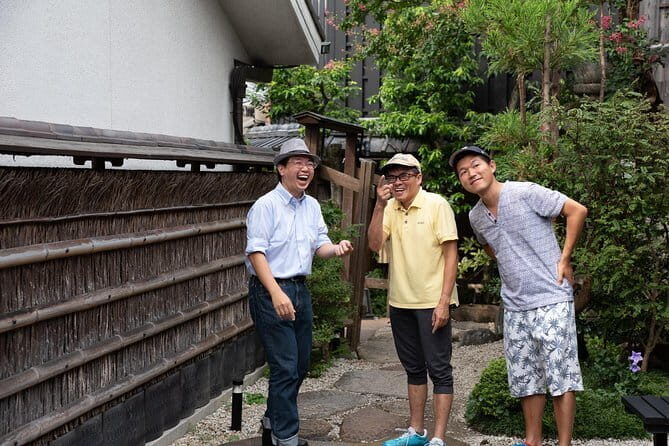
This itinerary starts by easing you into Kyoto’s riverside atmosphere and then climbs toward the classic eastern sights.
Pontocho District (Kamo River lanes)
Pontocho is a narrow alley along the Kamo River, stretching between Sanjo and Shijo. It’s one of Kyoto’s geisha districts, with traditional-style restaurants and tea houses nearby. The value here is getting your bearings fast: you see one of the city’s historic “layers” early, and you feel the vibe shift between modern streets and older lanes.
Tip: even if you’re not focused on dining, walk slowly here. The architecture and the river angle create different photo possibilities at different times of day.



Fushimi Inari-taisha Shrine and Senbon Torii
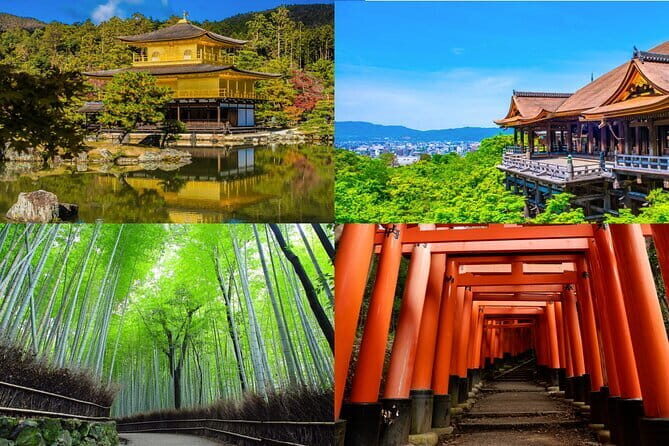
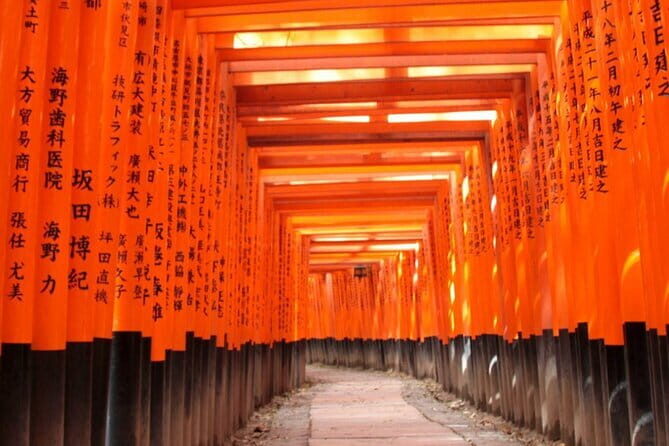
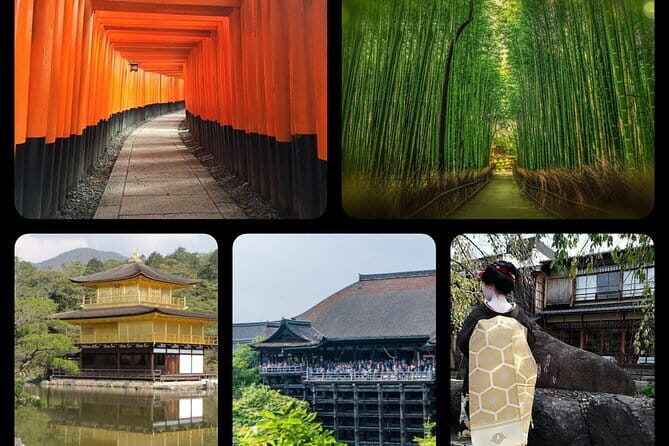
Next is the main event: Fushimi Inari-taisha Shrine and its Senbon Torii gates. It’s free, which makes it a great anchor stop. The big experience is the tunnel effect as the gates pull you forward—then, if you choose, you can keep going deeper into the shrine grounds.
Because it’s a private tour, you can match the pace to your group. If you only want the iconic gate tunnel, you can keep it short. If you want a longer walk into the shrine area, your guide can help you time it around crowds.
Kiyomizu-dera Temple (paid entry)
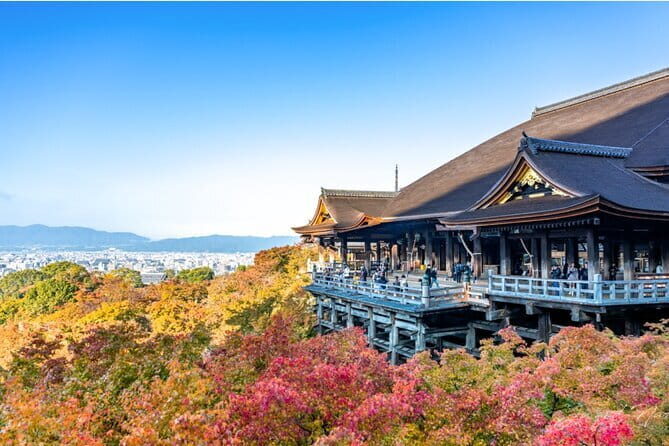
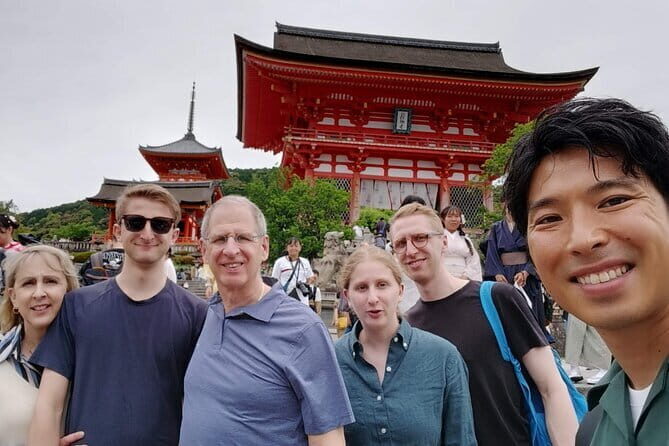
Then you reach Kiyomizu-dera, perched on the slopes of Mount Otowa. This is one of Kyoto’s most famous temple complexes, and the experience is about scale, views, and that “set piece” feeling as you approach key structures.
Important note: admission isn’t included. Plan on paying the temple fee on the day, and bring cash or a payment method you trust. Also, set expectations: Kiyomizu-dera involves walking and stair steps, so comfortable shoes matter.
Sannenzaka and Ninenzaka stone streets (for old-Kyoto atmosphere)
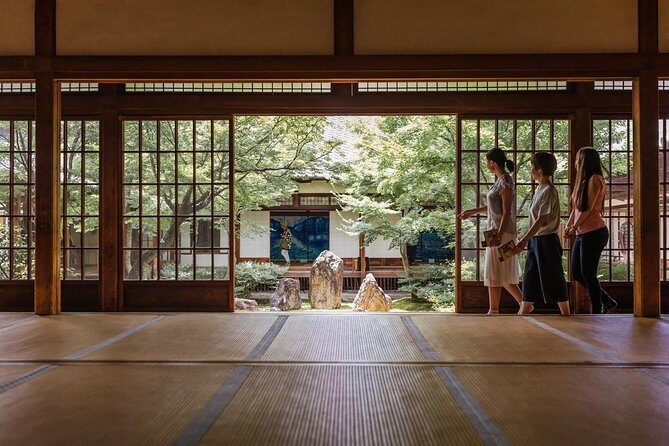
After Kiyomizu-dera, you’ll walk the stone-paved slopes of Sannenzaka and Ninenzaka. These lanes are basically a time-warp corridor into old Kyoto textures. You get quaint street geometry, traditional storefronts, and that “I’m here in the past” feeling—without needing to commit to a long museum stop.
This is also a good stretch of time to slow down, snack if you want, and reset for what’s next.
Gion and Higashiyama by foot: Nineizaka Starbucks to Hanamikoji
After the Higashiyama area lanes, the day shifts toward geisha district streets and photo-heavy skyline angles.
Starbucks Coffee at Kyoto Nineizaka Yasaka Chaya (optional stop)
One of the itinerary’s most unusual moments is the machiya-style Starbucks at Kyoto Nineizaka Yasaka Chaya. The idea isn’t to make this a coffee tour. It’s a short, interesting look at how a modern brand sits inside a traditional Kyoto building style.
You’ll explore inside for about 5 minutes, and you can leave the tour if you really want to stay. That flexibility is handy if you’d rather use that time for photos outside, or if your group needs a quick sit-down break.
Yasaka Pagoda (Gojunoto) and Hōkan-ji Temple
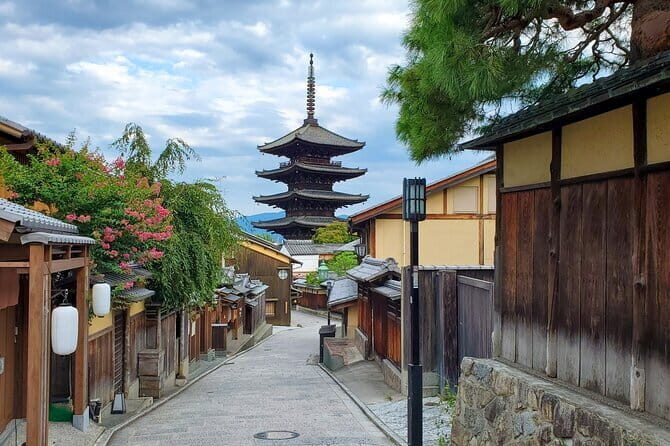
Next is a quick photo stop at the Yasaka Pagoda (Gojunoto), Hōkan-ji Temple area. This spot is valued for its silhouette—especially against the older streets and skyline of Higashiyama. It’s short on timing, but it’s good for a “breather viewpoint” moment before you hit deeper geisha district lanes.
Hanamikoji Street: the Gion heart
Then comes Hanamikoji Street, the beating heart of Gion. This narrow stone-paved street is where you feel the older Kyoto identity most clearly. The walk here is brief (about 5 minutes), but it’s the kind of short stop that can still feel memorable because the street form is so distinctive.
If your group likes classic Japan street scenes, treat this as your “slow stroll” moment even if time is tight.
Rivers, bridges, and Nishiki Market: where the tour turns into real Kyoto life
This part of the itinerary leans into Kyoto’s everyday rhythm: water, small bridges, and then food browsing.
Tatsumi Bridge on the Shirakawa River (short, scenic, effective)
You’ll stop at Tatsumi Bridge along the Shirakawa River. The highlight here is the small wooden bridge look—simple, charming, and very photogenic. It’s listed as about 10 minutes, and that’s about right for a slow pass, a few photos, and a quick reset before the busier market zone.
Nishiki Market: Kyoto’s Kitchen
Then you get Nishiki Market, often called Kyoto’s Kitchen. This is a longer stop (about 1 hour) and it works best when you treat it like a browsing walk, not a “buy everything” plan.
The best value here is the mix: snacks, cookware vibes, and food stalls that show you how Kyoto thinks about eating. Even if you don’t plan to buy a ton, the market helps you understand the city through senses—smell, steam, and all the little product displays.
Practical note: food is on you. But you’ll know what to aim for faster because your guide can point out what to try based on your preferences.
Kinkaku-ji and Tenryuji: moving from gold to Zen
After Nishiki, the day turns toward two major temple experiences and the Arashiyama area beyond.
Kinkaku-ji (Golden Pavilion) paid admission
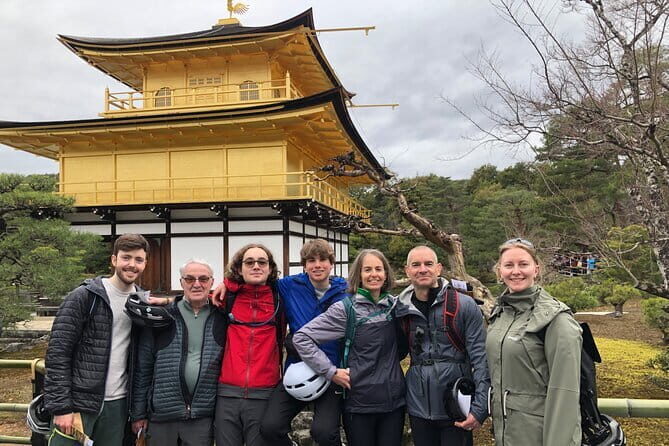
At Kinkaku-ji, the Golden Pavilion, the experience is exactly what you think: shiny, iconic, and built for dramatic angles. It’s about 1 hour, and this is one of the stops where you really want time to find your preferred viewpoint.
The admission fee is not included, so budget for it. Also, if you’re visiting on a very crowded day, aim to enjoy the temple without feeling like you need the perfect “everyone isn’t blocking my shot” moment. A private guide helps you move between spots so you’re not stuck waiting.
Tenryuji Temple (Arashiyama Zen temple, paid admission)
Next is Tenryuji Temple in Arashiyama, founded in 1339 by Ashikaga Takauji, built on the site of a former imperial villa to honor Emperor Go-Daigo. That’s a lot of historical weight for a stop of about 30 minutes, and it helps you see this temple as more than a pretty garden.
Tenryuji admission is also not included. If you care about temple context, this is where your guide’s explanation can really pay off—because the architecture and garden shapes become easier to read when you know who built it and why.
Arashiyama Bamboo Forest and the bridge views you can’t plan alone
Arashiyama is the last zone on this tour, and it’s where the natural scenery does most of the work.
Arashiyama Bamboo Forest (about 400 meters)
The Arashiyama Bamboo Forest is famous, but it can still feel special when you walk it with someone who knows how to time your steps. You’ll cover the iconic path, around 400 meters, with a listed stop of about 30 minutes.
Because it’s private, you can avoid the feeling of being rushed through. If your group wants to stand and listen for a bit, do it. The bamboo corridor effect is part of why people come.
Arashiyama Kimono Forest art installation (near Randen Arashiyama Station)
Then there’s a more playful stop: the Arashiyama Kimono Forest, an art installation with about 600 cylindrical pillars, roughly 2 meters tall. This one is free and short (about 10 minutes).
It’s a nice contrast to the temple and bamboo areas because it brings color and modern visual rhythm into the same day.
Togetsukyo Bridge over the Oi River
Finally, you’ll reach Togetsukyo Bridge, about 155 meters long across the Oi River. This is your viewpoint wrap-up: photo angles, river presence, and that “you’ve made it to the edge of the scenery” feeling.
It’s listed as about 10 minutes, which is perfect for photos and quick reflection before you head back toward the meeting point.
Photo help and flexibility: what to ask your guide on day one
One of the most consistent praises for this tour is how guides handle photos and pacing. People mention guides who take great pictures and help build a day that feels relaxed, not scripted.
To get the best results, you can ask your guide early:
- If there’s a best-angle route for the morning at Fushimi Inari or Kiyomizu-dera
- Where you should step aside for photos so you’re not blocking people
- Whether they can adjust the order if your group has specific interests
You might also find that some guides are willing to add a small artisan interaction when possible. For example, one praised experience included meeting a grandmaster pottery maker. Even if you’re not promised an extra stop, it’s worth asking because the tour is private and you’re meant to be able to adjust.
Also, if it’s raining, don’t panic. One experience specifically noted a rainy afternoon where the day still felt casual and flexible. Bring a light layer and keep moving—Kyoto streets are made for walking, even when the weather changes.
Who should book this Kyoto Private Tour
I’d point you toward this tour if:
- you want one guide instead of a group schedule
- you like classic Kyoto sights plus side streets (Pontocho, Hanamikoji, river bridges)
- you care about getting good photos without spending hours trying to figure out the best angles
I’d think twice if:
- you hate walking and stairs (the tour is primarily on foot)
- you want all temple fees and meals fully included (several key sites charge admission, and food isn’t included)
If your group is flexible—able to slow down for a few quiet moments and accept that some attractions cost extra—it’s a strong way to make Kyoto feel personal.
Should you book KIYOTO’s Kyoto Private Tour?
Yes, if you want a private, photo-friendly day that hits Kyoto’s main icons—Fushimi Inari-taisha, Kiyomizu-dera, Kinkaku-ji, and Arashiyama—without the hassle of building the route yourself. The biggest reason is simple: the private guide makes the day easier to navigate and more satisfying to learn from.
Book this tour if you’re traveling soon because the experience is typically booked about 31 days in advance. And before you go, do a quick budgeting check: plan for paid temple admissions where noted and have spending set aside for food.
If you do those two things—pace yourself and budget for admissions—you’ll likely leave Kyoto feeling like you didn’t just “see places.” You actually understood how the city connects.
FAQ
How long is KIYOTO’s Kyoto Private Tour?
The tour runs approximately 4 to 8 hours, depending on how the day flows and your group’s pace.
Is this tour private or shared with other groups?
It’s private, meaning only your group participates.
Is pickup available?
Pickup is offered, though the tour is primarily described as a walking experience. You may also use public transport if needed, but it may cost extra.
Are entrance tickets included for all temples and attractions?
No. Food and drinks are not included, and attraction admissions are mixed. Kiyomizu-dera, Kinkaku-ji, and Tenryuji are marked as not included, while several other stops are free.
Do I need to pay for transportation during the tour?
Transportation is not included. The tour is primarily on foot, and if public transport is used, you may need to pay an additional cost.
Where do I meet the guide?
Meet at the Kyoto Tourist Information Center Kyo-NaviJapan, located in Kyoto Station Building (2nd floor).
What about mobile tickets?
You’ll receive a mobile ticket.
Is food included in the tour price?
No. Food and drinks are not included.
Can I cancel and get a full refund?
Yes. Cancellation is free, and you can cancel up to 24 hours before the experience start time for a full refund.
Are service animals allowed?
Yes, service animals are allowed.