REVIEW · KYOTO
Kyoto Like a Local: Private & Personalized Experience (3 hrs)
Book on Viator →Operated by City Unscripted · Bookable on Viator
Kyoto clicks faster with a local plan. I love how this tour gives you a private guide who adjusts the walk to your pace and interests, and I also like the personalized itinerary built around what you actually want to see. One thing to consider: it’s mostly walking, and a few transfers between areas may require extra public transport or taxi costs.
You’ll start near the Sanjo-Ōhashi area and cover classic Kyoto neighborhoods in a tight half-day loop—river strolls, an arcade of snacks, geisha district streets, and the famous torii path toward Mount Inari. It’s a great way to get your bearings fast, but you’ll want solid walking shoes for the final Inari section.
In This Review
- Key Points I’d Pay Attention To
- Why a Private 3-Hour Walking Tour Fits Kyoto So Well
- Your Guide Matching: Questionnaire to a Route You Can Actually Use
- Getting Oriented Near Starbucks Sanjo-Ōhashi Bridge
- Sanjo and the Kamogawa River: Shops, Stories, and Slow Footsteps
- The Culinary Heart: Food Stalls and Specialty Shops Without the Pressure
- Gion on Foot: Hanami-koji, Tatsumi Bridge, and Respectful Encounters
- Higashiyama Lanes and the Yasaka Pagoda Area: Classic Kyoto, Explained
- The Inari Torii Gates Finish: A Light Hike You’ll Feel in Your Legs
- Price and Logistics: When $136.81 Is a Smart Buy
- Communication Problems Do Happen: How to Protect Your Afternoon
- Who This Works Best For (and Who Might Want Something Else)
- Should You Book Kyoto Like a Local?
- FAQ
- How long is the Kyoto Like a Local private tour?
- Is this tour private or shared?
- Is pickup included?
- Do I need tickets or pay entrance fees for attractions?
- Is the tour mostly walking?
- What exactly is included in the price?
- What is not included?
- Where do we meet and where does the tour end?
Key Points I’d Pay Attention To
- Matched guide, not a generic script: you fill out a short questionnaire, and your guide reaches out to tailor the route.
- Sanjo on foot, not just postcards: the plan includes family-run shops near the Kamogawa River.
- Food-stall arcades for tasting ideas: you get pointed toward local flavors, but food and drinks aren’t included.
- Gion etiquette built into the walk: you’re guided through Hanami-koji and nearby bridges, with reminders about respectful behavior around geiko or maiko.
- Higashiyama classics plus the Yasaka Pagoda area: classic lanes are part of the route, with architecture context from your guide.
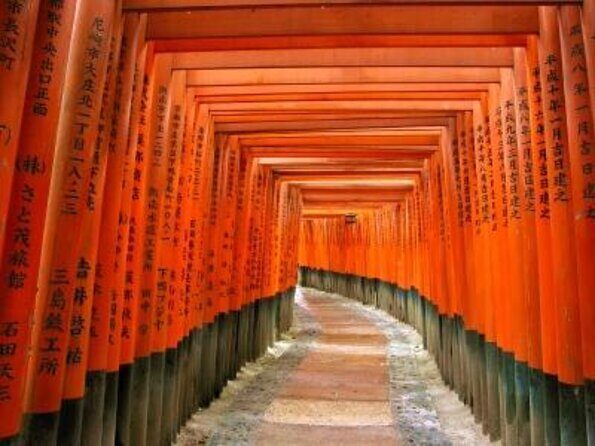
- Inari torii gates as the finale: you finish with a light hike vibe through the vermilion gates into Mount Inari’s forest.
Why a Private 3-Hour Walking Tour Fits Kyoto So Well
Kyoto is a city where “I’ll just wander” can turn into “Why am I sprinting across town?” fast. A 3-hour private walking format helps you focus on the best parts of a few neighborhoods without wasting time on long routes. And because it’s private, you’re not stuck with a group pace that ignores your questions or your energy level.
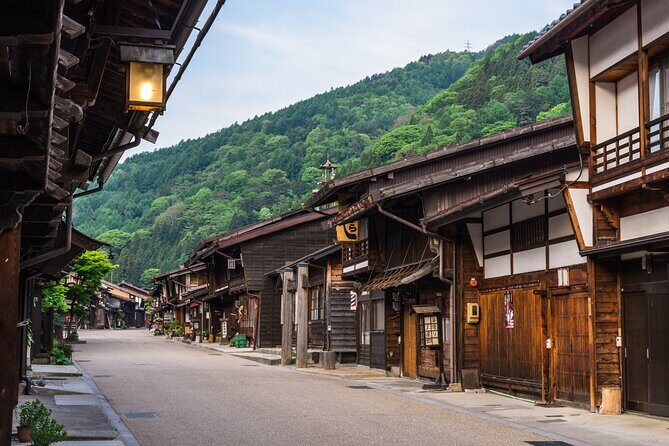
What makes this one practical is the mix of famous sights and everyday streets. You’re not only chasing temples and photos; you’re also walking areas with shops and river life, where Kyoto feels lived-in. That matters, because Kyoto’s magic is often in the details—wooden lanes, shop signs, small street corners—and a good guide can read those details for you.
Still, keep expectations realistic: you’re on foot most of the time. The tour is explicitly described as primarily a walking experience, and transfers between sites may use public transport or taxis at an additional cost.
You can also read our reviews of more private tours in Kyoto


Your Guide Matching: Questionnaire to a Route You Can Actually Use
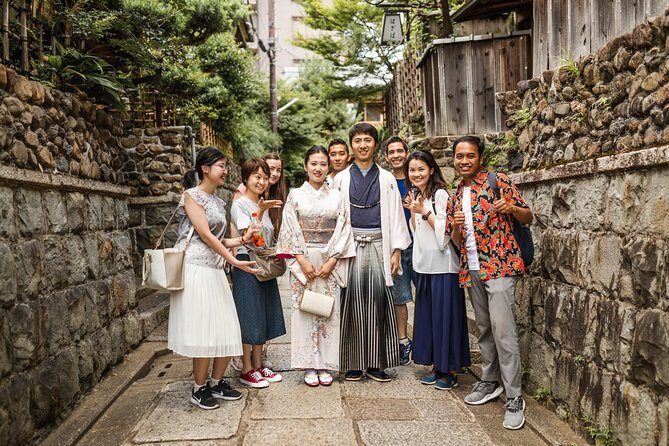
This tour’s personalization starts before you even meet anyone. After booking, you complete a short questionnaire about your interests, preferences, and must-sees. Your guide then reaches out to craft a customized itinerary that matches your style—history, food, hidden spots, or cultural experiences.
I like this approach because it turns the guide into a problem-solver. If you care more about atmosphere than landmarks, your walk can lean that way. If you want structure—classic Kyoto hits in a logical order—they can build that too. In the best feedback, guides like Oulan and Kenta were praised for both strong English and story-driven explanations, which is exactly what you want when you’re trying to understand what you’re seeing (and why it looks the way it does).
There’s also an added layer of real-world flexibility: you can choose a preferred start time, and the tour length is short enough that you can still plan the rest of your day without stress.
Getting Oriented Near Starbucks Sanjo-Ōhashi Bridge
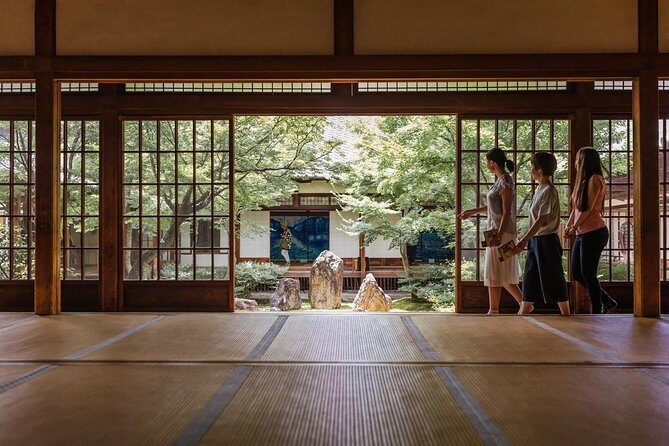
The meeting point is Starbucks Coffee at Kyoto Sanjo-Ōhashi Bridge, in Kyoto’s Nakajimachi area (Nakajō Ward), inside the Omiya Building 1F. The tour ends back at the meeting point.
Why this matters: it’s central to the Sanjo and downtown river side of Kyoto, which makes the first stretch feel easy. You’re starting in an area where the city is active but not so tourist-crowded that you immediately feel overwhelmed. It’s a smart place to begin if you want a smooth “first hour” that gets your bearings.
Also, the tour offers hotel pickup from central locations. You may still start at the Starbucks meeting point for the walk, but if your hotel is in the pickup zone, it can reduce the friction of getting to the start.
Sanjo and the Kamogawa River: Shops, Stories, and Slow Footsteps
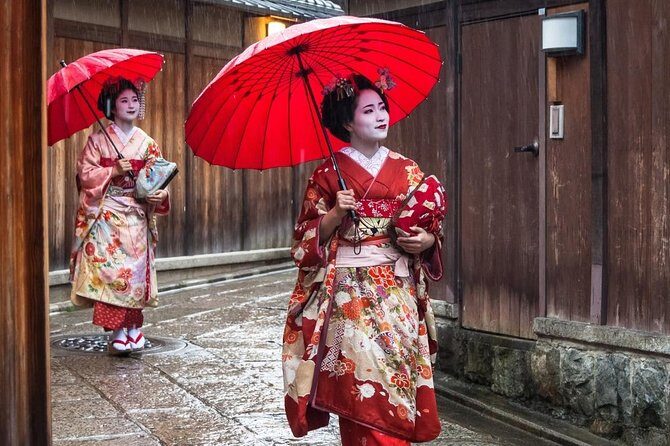
One of the stops takes you through the Sanjo area, known for family-run establishments and specialty shops. This isn’t a stage-managed shopping street; it’s more like the Kyoto you’d stumble into while doing errands, except you have a guide pointing out what’s worth your attention.
You’ll also stroll along the Kamogawa River while your guide shares stories about Kyoto’s history and cultural traditions. That combination—neighborhood shops plus river scenery—does a good job of explaining Kyoto’s rhythm. It helps you understand why certain neighborhoods have the character they do, and why locals still treat these streets as part of daily life, not just scenery.
What I’d watch for here: this part is likely to feel more “walk and look” than “one big landmark.” If you’re hoping for constant major monuments, you may want to ask your guide to pace in more photo stops or more explanation.
The Culinary Heart: Food Stalls and Specialty Shops Without the Pressure
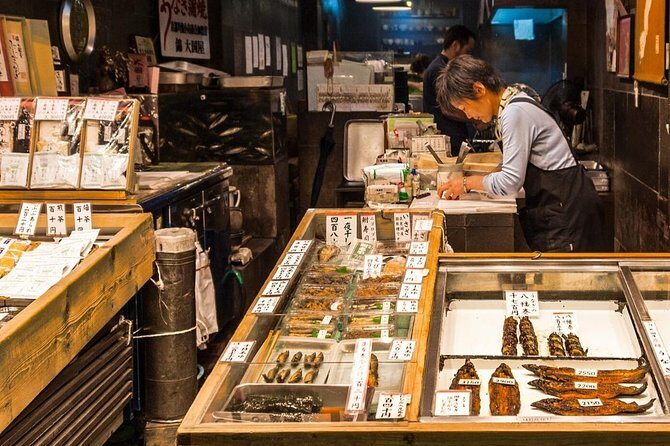
Next comes Kyoto’s culinary pulse—narrow arcades packed with traditional food stalls and specialty shops. Your guide can point you toward local flavors and help you navigate what you see without wasting time guessing.
Even better: the tour is set up so you can get recommendations and context even if you don’t want to stop for a snack every five minutes. Food and drinks are not included, but that can be a plus. You stay in control of what you try and your budget.
Practical tip: if you’re food-motivated, tell your guide early. Ask what’s seasonal, what’s worth trying once, and what’s more “tourist trap” than local staple. In the strong guide feedback, people specifically praised guides for being knowledgeable and tailored, and this is where that pays off.

Gion on Foot: Hanami-koji, Tatsumi Bridge, and Respectful Encounters
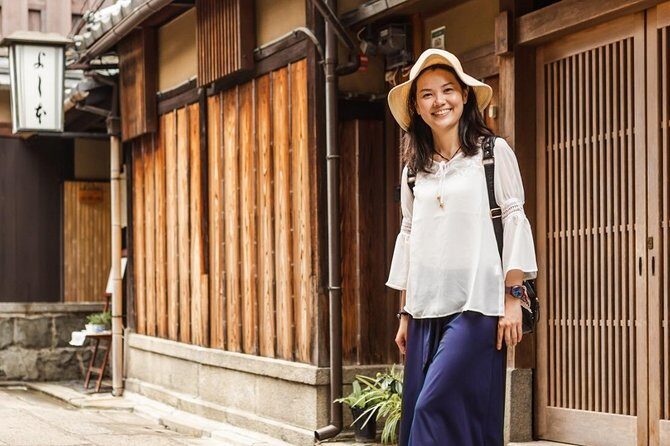
Then you move into Kyoto’s most famous geisha district. The route includes Hanami-koji Street and a scenic crossing of Tatsumi Bridge, heading toward Shimbashi.
A respectful reminder is built into the experience: you’re told to act properly if you see geiko or maiko. This isn’t just etiquette for etiquette’s sake. It helps you avoid blocking someone’s path and keeps the atmosphere dignified—because you’re walking through a working cultural space, not an amusement park.
Why I think this stop works in only 3 hours: Hanami-koji and the bridge area are visually rewarding without requiring long detours. Your guide can also manage expectations—where to look, when to slow down, and how to understand what you’re seeing in the streetscape. Good guides here make the walk feel like you’re learning Kyoto’s rules as you go.
One consideration: Gion is famous. Crowds can happen. If you want fewer people in your photos, you’ll get better results by letting your guide steer timing and side-street choices.
Higashiyama Lanes and the Yasaka Pagoda Area: Classic Kyoto, Explained
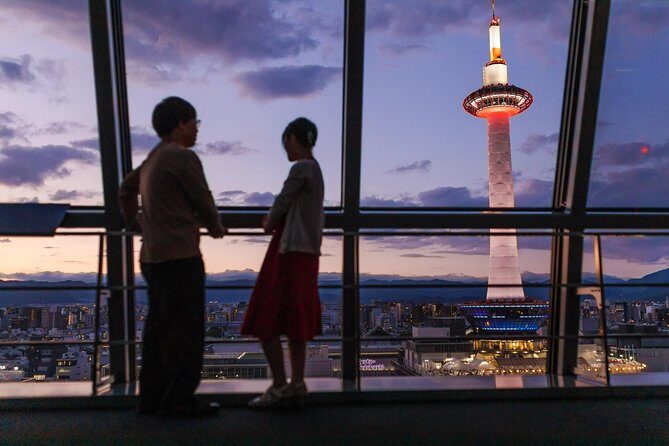
From Gion, the walk continues into Higashiyama. This is where you’ll find historic wood-built lanes and landmark scenery, including the Yasaka Pagoda area.
The value here is interpretation. Higashiyama can look like “pretty streets” on your own, but with a guide you get architecture context and a better sense of how the district functions within Kyoto’s broader story. One of the best pieces of feedback praised guides like Axel/Alex for answering questions for all age groups and extending beyond the booked time, which is a good sign when you want more than surface-level pointing.
Potential drawback: because Higashiyama is so visually dense, it’s easy to feel like you need to absorb everything at once. If you’re the type who gets photo-happy, ask your guide to slow down for one or two key viewpoints and stories, then keep moving.
The Inari Torii Gates Finish: A Light Hike You’ll Feel in Your Legs

The tour’s finale is the iconic torii gate path of Mount Inari—thousands of vermilion gates winding into the sacred forest. The route description also notes you don’t have to go all the way to get a reward; the views halfway up are still a highlight. It’s framed as a ready-for-a light hike finish.
This is the part where shoe choice matters. Even if it’s called light hiking, you’re moving through a slope with stairs and packed paths. If you’re visiting during warmer weather, plan to bring water and go at a comfortable pace with your guide.
What I like about ending here in a half-day tour: it gives you a memorable payoff when you’ve already built context. The streets earlier in the walk help you understand Kyoto as a living city. The Inari gates then give you that surreal, spiritual-feeling contrast.
Price and Logistics: When $136.81 Is a Smart Buy
This tour costs $136.81 per person for about 3 hours. For a private, guided walking experience, that price is often reasonable—especially in Kyoto, where “value” can mean time saved and context gained.
Here’s what you do get:
- Private and personalized walking experience with insider tips from a local guide
- Flexible start times (you choose a preferred time when booking)
- A pre-tour questionnaire to tailor the visit
- Direct communication with your host for planning and recommendations
- A mobile ticket
Here’s what you don’t get:
- Food and drinks (not included)
- Tickets to attractions (not included)
- Transportation is not included; it’s primarily walking, but public transit or taxis may be used between sites at additional cost
- Gratuities (optional)
So the “value math” depends on you. If you’ll actually use the guide to pick smart moments—especially around Gion etiquette, Higashiyama context, and Inari pacing—then the cost feels more like a museum ticket plus a personal interpreter. If you’re traveling with someone who hates walking, or you expect everything to be fully paid and ticketed, you’ll likely feel the missing pieces.
One more logistics note: service animals are allowed, and the tour is described as something most travelers can participate in. If you have mobility concerns, you’ll want to talk with the host about how the Inari torii section will feel for you.
Communication Problems Do Happen: How to Protect Your Afternoon
A private tour is only as good as the communication on the day. The review record includes one instance where a host didn’t show up and contacted later, and another where pickup coordination didn’t go as planned. That’s not the norm for every booking, but it’s enough to justify your caution.
Here’s what you can do to reduce risk using only practical steps:
- Confirm where the guide will meet you if you’re not starting directly at Starbucks.
- If you’re asking about pickup from a ship pier or a location outside a typical pickup radius, get the exact meeting plan in writing and make sure you understand how taxi or public transport will be handled.
- Give yourself time to arrive early at the meeting point. Kyoto walkways and transit connections can add unexpected minutes.
- Use the direct messaging with your host to clarify transportation costs if your route includes transfers.
I’d rather you do these quick confirmations than spend your Kyoto afternoon refreshing your phone.
Who This Works Best For (and Who Might Want Something Else)
This tour fits best if you want a guided walk that mixes famous Kyoto with real neighborhood texture. It’s also a strong choice for first-time visitors who want structure but don’t want to feel herded.
It’s especially good if you like:
- Food curiosity without committing to a full food tour
- Cultural explanations tied to what you’re seeing
- A friendly, personable guide who answers questions (Oulan and Kenta were praised for knowledge and great English; Axel/Alex received praise for preparation and extending time)
It may be less ideal if you:
- Want all transportation and tickets handled for you (those aren’t included)
- Don’t want any hiking at the end (the Inari finish is described as a light hike)
- Need frequent indoor stops (this is primarily a walking experience outdoors)
Should You Book Kyoto Like a Local?
If you’re in Kyoto for a short window and want one afternoon that connects the dots between neighborhoods, I think this is a good bet. The big strength is the private guide plus the questionnaire-driven tailoring, which makes a 3-hour tour feel like it was planned for your questions rather than for a generic itinerary.
Book it if you can handle a walking-heavy route and you’re okay paying for your own food, tickets, and any transit between sites. Skip it (or choose a different style) if you want fully ticketed attractions and easy, mostly-flat sightseeing with minimal walking.
If you do book, your best move is simple: confirm the meeting and pickup plan early, especially if you’re coming from a pier or a less central location. Then show up ready to walk, ask questions, and let the guide turn Kyoto into a story you can actually follow.
FAQ
How long is the Kyoto Like a Local private tour?
The tour is approximately 3 hours.
Is this tour private or shared?
It’s a private tour/activity, and only your group participates.
Is pickup included?
Hotel pickup is available from central locations, and the tour also lists a specific meeting point at Starbucks Coffee – Kyoto Sanjo-ohashi Bridge.
Do I need tickets or pay entrance fees for attractions?
Food, drinks, and tickets to attractions are not included, so you’ll pay those separately if you want to enter sites that require tickets.
Is the tour mostly walking?
Yes. It’s primarily a walking experience, and a private vehicle is not included. Public transportation or local taxis may be used to transfer between sites for an additional cost.
What exactly is included in the price?
You get a private and personalized walking experience with insider tips, flexible start times, a pre-tour questionnaire to tailor your route, and direct communication with your host.
What is not included?
Food, drinks, tickets to attractions, transportation, and gratuities (optional) are not included.
Where do we meet and where does the tour end?
You meet at Starbucks Coffee – Kyoto Sanjo-ohashi Bridge (Kyoto, Nakajyo Ward, Nakajimacho area). The tour ends back at the same meeting point.