Sumo in Fukuoka is loud, fast, and ceremonial. This November tournament tour pairs your mobile tickets with an English-speaking guide, so you can understand what matters while the ring heats up.
I especially liked the pre-stadium rule briefing and the way the guide gives between-bout tips so you follow the drama, not just watch bodies collide. I also liked the freedom to eat and drink at your seat using the stadium vendors (just note food and drinks are not included). The main drawback to plan for: you get fixed Chair A/B seats on the 3rd floor, and some people end up farther from the ring than they expected.
In This Review
- Quick takeaways
- November Sumo in Fukuoka: Why This Tour Is a Practical Win
- Meet at Fukuoka Kokusai Center: Timing and Getting There
- What Your 3.5 Hours Really Looks Like Inside the Tournament
- Seats: The Good News and the Part to Watch
- How the English Guide Changes Everything
- Food and Drink at Your Seat: Plan Your Snacks
- Group Size and the Realities of a Small Tour
- Price and Value: Is $261 Fair for What You Get?
- Should You Book This Sumo Tour in Fukuoka?
- FAQ
- Where is the meeting point for the tour?
- What time does the tour start?
- Are the sumo tickets included, and are they mobile?
- What seats do I get?
- Is food included in the tour price?
- Can I bring my own food and drinks into the arena?
- How long is the tour?
Quick takeaways
- Included mobile tickets help you avoid the usual ticket scramble for a November Fukuoka date
- English explanations before and between bouts make sumo way easier to follow
- Dohyo-iri ring-entering timing lands you in the action when top wrestlers step up
- 3F Chair A/B seating is simple and convenient, but not equal in closeness to the ring
- Max small-group format (up to 15 people) makes it easier to ask questions
November Sumo in Fukuoka: Why This Tour Is a Practical Win
If you’re choosing between doing sumo on your own and doing it with a guide, the biggest difference is clarity. Sumo has rules that are not obvious at first, and the “why” behind gestures and outcomes matters. This tour is built around that exact moment: you walk in with ticket security and you walk through what you’re seeing in plain English.
It’s also a date that attracts demand. The sumo tournaments happen six times a year, each lasting 15 days, and Fukuoka hosts one of those six. November is the Fukuoka slot, and tickets are known to move fast. Here, your ticket is included, and you get a mobile ticket, which cuts down on day-of stress.
Now, a word on value. You’re paying for two things: the seat and the guide’s time. If you already speak Japanese and can read the match flow without help, you might feel you could recreate the experience independently. But if you want to show up, understand the bout format, and spend the afternoon watching instead of Googling, this setup tends to be money well spent.
A few more Fukuoka tours and experiences worth a look
Meet at Fukuoka Kokusai Center: Timing and Getting There
You meet at Fukuoka Kokusai Center (2-2 Chikkōhonmachi, Hakata Ward, Fukuoka). The tour start time is listed as 2:30 pm sharp, and the group leaves on time. Plan to arrive early enough to breathe. Even if the venue is near public transportation, you still need a few minutes to find the right meeting spot and spot the guide.
This matters because once the group heads toward the stadium, you can’t exactly pause and catch up. The tour is designed like a smooth afternoon block: meet, learn the basics, enter, then settle in and watch.
You’ll also want to think about what you’re carrying. Large luggage cannot be brought into the seat area, and if you’re traveling with a stroller, you can store it somewhere in the stadium but it cannot be brought up to your specific seats. If you’re trying to travel light, you’ll have an easier time in those tight stadium corridors.
What Your 3.5 Hours Really Looks Like Inside the Tournament
The scheduled tournament day in Fukuoka starts early with lower-ranked bouts, but this tour targets the afternoon window. The tournament runs until about 6:00 pm, and key moments you’ll care about happen later: the dohyo-iri ring-entering ceremony is around 3:30 pm.
Practically, that means your afternoon is set up like this:
- You arrive and get context before you’re in the seating bowl.
- You watch multiple bouts as the day gathers pace.
- You catch the ring-entering ceremony timing, when things feel especially ceremonial.
- You finish while the tournament is still lively and the overall atmosphere is strong.
Your tour duration is listed as approximately 3 hours 30 minutes, and it ends back at the meeting point. That “out and back” format is helpful if you’re not trying to figure out stadium logistics after an afternoon of watching.
One more thing to set expectations: the tour is chair seats, not standing room. The vibe is still intense, serious, and traditional, but you’re there to sit, watch closely enough to follow match outcomes, and absorb what the guide explains while the bout rhythm moves fast.
Seats: The Good News and the Part to Watch
Here’s the deal: you can’t choose seats. You’re assigned 3F Chair A or B, and your guide hands out the ticket on the tour date. That’s great for simplicity, but it also creates variability in how close you feel to the ring.
Some people love the event experience even from farther seats, especially once they understand the match flow. Once you know what matters—how a bout starts, how wins happen, and what the rituals signal—distance becomes less frustrating.
But if you’re the type who wants to see every detail of footwork from a near angle, you should plan for the possibility that your view is more “high and wide” than you imagined. The tour is focused on understanding and access, not on guaranteeing front-row action.
How the English Guide Changes Everything
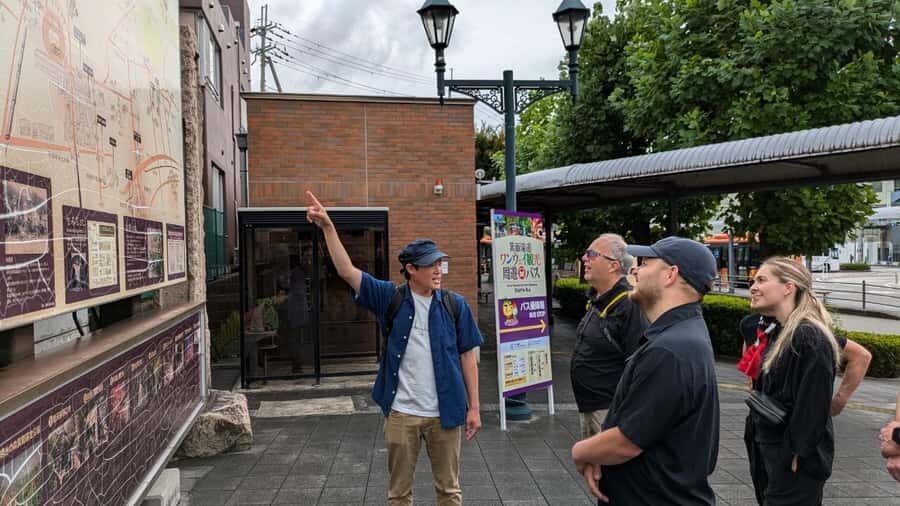
This is where the tour earns strong praise. The guide isn’t just handing you a ticket and disappearing. You get explanations about what sumo is, where the traditions come from, and how the rules work before you even enter the stadium. Then you get additional tips in between bouts, which is exactly when you’d want clarity.
The result: you spend less time trying to decode what you’re seeing and more time enjoying the serious atmosphere. Sumo is ritual as much as it is sport, and the guide helps connect those dots.
I also like that different guides can shape the day differently. For example, names that show up in the guide feedback include Yuko, Masa, Asa, and Tam Tam—and the consistent theme is attention to newcomers. People describe the best versions of this tour as the kind where you leave feeling you can actually follow the day, not just observe it.
In real terms, that means:
- You know why a match ends the way it does.
- You’re not lost during ceremonial moments like dohyo-iri.
- You can ask questions instead of guessing.
If you’re a first-timer, that’s the difference between sumo being a fun spectacle and sumo being a story you understand.

Food and Drink at Your Seat: Plan Your Snacks
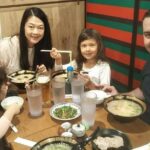
Food and drinks are not included, but the stadium has vendors inside, and the setup allows you to eat and drink while you watch. You’ll be able to grab things like beer and yakitori (skewers) from the in-stadium area and take it back to your seat.
One practical tip that came up repeatedly: bring cash for the beer gardens and merchandise. Even if you’re used to card payments, it’s smart to have some yen in hand for small purchases.
Also, if you like to control your timing, this tour’s structure helps. You’re not running off to find dinner somewhere else; you’re staying in the stadium environment and eating when it’s convenient. Some reviews also note that you can take your own food and drinks into the arena or buy on-site, which gives you options if you have dietary needs.
Group Size and the Realities of a Small Tour
This is a group tour with a maximum of 15 people. That’s not huge, and it’s a big part of why the guide can manage questions without feeling stretched.
Still, you should go in with the right mindset. This isn’t a private tour where the guide is orbiting your seat. You’re part of a group experience, and you’ll follow the group’s timeline—especially the meet time. If you’re arriving late, you risk missing the handoff when the group leaves.
Seating and group size can also affect how interactive the day feels. The overall goal is to explain the sport, keep you oriented, and give helpful cues between bouts.
Price and Value: Is $261 Fair for What You Get?
At $261, you’re paying for more than a tournament ticket. You’re buying:
- An included seat in the 3F Chair A/B category
- A guide who explains sumo history, rules, and what to notice
- Organized entry timing that works for the afternoon ceremony window
- A small-group structure that keeps the experience manageable
So is it “worth it”? For many people, yes, because the alternative is DIY ticket hunting plus learning how to follow bouts on your own. With sumo tournaments, those two challenges hit at the same time: tickets can be hard to secure, and the rules take effort to learn quickly.
Where the price can feel off is seat expectations. If you end up with seats that feel too far back, you can still enjoy sumo, but the “special” part (close-up watching) might not be there. This is the main place value can break down for some buyers.
My advice: treat this tour as a guided understanding package. If you want access and explanations more than proximity, the price is easier to justify.
Should You Book This Sumo Tour in Fukuoka?
I’d book it if:
- You’re going to Japan without already knowing how sumo matches work
- You want a smooth, guided afternoon that fits an efficient schedule
- You want the ticket handled for you (mobile ticket included)
- You like learning in the moment while you watch, not after the fact
I’d think twice if:
- You’re obsessed with front-row, ring-close views
- You want to pick exact seats yourself
- You’d rather spend your time studying sumo rules independently and buying tickets directly
If you fit the first group, this is one of the most characterful “use your eyes and ears” experiences you can do in Fukuoka. The guide-led explanations, especially the between-bout cues, are the difference between watching sumo and actually understanding it.
FAQ
Where is the meeting point for the tour?
You meet at Fukuoka Kokusai Center (2-2 Chikkōhonmachi, Hakata Ward, Fukuoka, 812-0021, Japan).
What time does the tour start?
The tour start time is 2:30 pm, and the group leaves at 2:30 pm sharp.
Are the sumo tickets included, and are they mobile?
Yes. Admission tickets are included, and you receive a mobile ticket.
What seats do I get?
You receive Chair seats on the 3rd floor, specifically Chair A or B. You cannot choose your seats, and your guide hands out the ticket on the tour date.
Is food included in the tour price?
No. Food and drinks are not included. You can buy items at the stadium vendors and eat/drink at your seat.
Can I bring my own food and drinks into the arena?
Yes. Some information shared for this experience notes you can take your own food and drinks into the arena, or buy them there.
How long is the tour?
The tour runs for about 3 hours 30 minutes and ends back at the meeting point, timed around the tournament’s afternoon window (with the day finishing around 6:00 pm).