REVIEW · FUKUOKA
Fukuoka Full-Day Private Tour with Government Licensed Guide
Book on Viator →Operated by Japan Guide Agency · Bookable on Viator
Fukuoka can feel like a blur. A private, licensed English guide turns it into a clear, enjoyable highlight day, with practical context at every stop. I like the freedom to choose your own mix of shrines, temples, museums, markets, and waterfront views, and I also like the way the day is paced like a smart walking route rather than a rushed bus tour. One thing to consider: it’s not a vehicle tour, so you’ll do a lot on your feet, and you’ll pay for transport and any ticketed admissions yourself.
This is built for travelers who want to understand what they’re seeing, not just take photos. In real experiences I’ve heard about, guides such as Donnie, Peko, Miyoko, Mei, Chizuko, Erica, Yoko, and Sasuke often start by asking what you care about and then adjust the route so you don’t waste time. That flexibility is a big part of the value, especially on days when time is tight.
You should book if you want a structured introduction to Fukuoka with real cultural answers—and you’re okay spending some of your budget on the guide rather than on a transport-included package.
In This Review
- Key points before you go
- A licensed guide makes Fukuoka feel navigable
- How the 6-hour pace works when you choose 3–4 stops
- Walking-first logistics (and why it can be a feature)
- Fukuoka Castle ruins and the shrine route: old city meaning in small doses
- Kyushu National Museum and temple stops that teach you what to look for
- Yatai, Hakata markets, and Canal City: food culture without aimless wandering
- Waterfront parks and Fukuoka Tower: get your sea-and-sky fix
- Nanzoin and Dazaifu: a major spiritual day, handled in a single block
- Price and value: what you’re really paying for
- What to request from your guide for the best possible day
- Should you book this private Fukuoka tour?
Key points before you go
- Licensed English guide, private format: your group gets undivided attention the whole day.
- Pick 3–4 sites from the menu: you design the day to match your interests, not a fixed checklist.
- Walking-first sightseeing: great for neighborhood feel, but wear comfy shoes.
- A mix of old Fukuoka and modern city life: shrines, temples, parks, waterfront, and Hakata’s food scene.
- Ticketed stops can add cost: some major attractions aren’t included in price.
- Guides help with on-the-ground strategy: timing, transit tips, and what to do when it rains.
A licensed guide makes Fukuoka feel navigable
The biggest win here is simple: you’re not translating alone. With a government licensed local English-speaking guide, you get direct explanations about what you’re looking at—like why shrines are dedicated to specific protective divinities, or what a Zen temple’s founder brought to Japan from China.
I also like the way this tour is built around asking questions. If you’re curious about daily life in Japan, shrine manners, or why certain neighborhoods feel the way they do, your guide can answer in the moment instead of pointing you to a guidebook.
Is it perfect? No. This isn’t a slow museum day with unlimited time at each place. Most stops are kept brief (often around 15 minutes), so you’re there to get the meaning and context fast, then move on.
You can also read our reviews of more guided tours in Fukuoka

How the 6-hour pace works when you choose 3–4 stops
This experience is about highlights, not depth-at-every-stop. The structure is designed for about 6 hours, and most of the places listed are time-boxed around 15 minutes so you can fit multiple areas in one day.
That matters because you’ll want to choose stops that complement each other. For example:
- Old-town spirit + a modern waterfront break
- A museum + a temple visit + one food stop
- A “big religious” anchor (like Nanzoin) + one garden or market
If you try to cram too many “heavy” destinations, you’ll feel the time pressure. The best itineraries pick one major anchor (Kyushu National Museum or Nanzoin, for instance) and then build the rest around lighter, scenic places.
Walking-first logistics (and why it can be a feature)
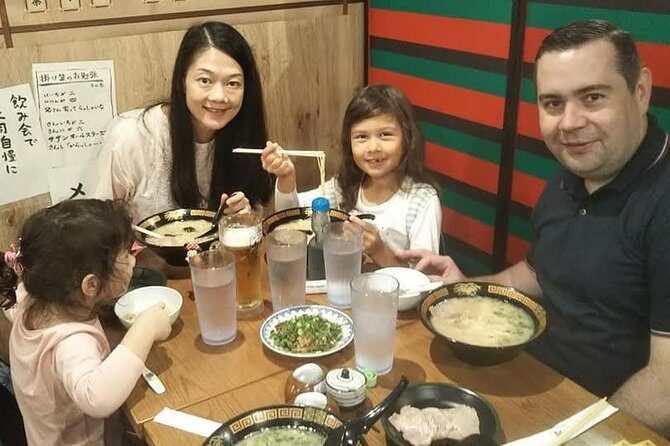
This is a walking tour, with pickup/meeting on foot in a designated area. No private vehicle is included, and transport fees aren’t included either.
For some people, that’s a dealbreaker. For others, it’s why the day feels real. Walking lets you see the transitions—quiet shrine grounds to busy city streets, or the shift from Hakata’s commercial energy to calmer park paths.
Practical tip: bring a transit solution. In experiences I’ve seen, guides often recommend getting the right transit card so you can move quickly. If you rely on your phone for everything, it’s smart to ask your guide what’s most reliable for the day you’re there.
Fukuoka Castle ruins and the shrine route: old city meaning in small doses
Your day can start with the Fukuoka Castle remains, where most of what you see today is stone wall fragments, moats, and gates. The castle’s glory is mostly gone, but that’s part of the charm: you still get the sense of the Edo-period power center, plus a view over the city from nearby hills.
From there, you can stitch together an “old Fukuoka” walk with shrines that explain how people historically oriented themselves—especially around protection and travel.
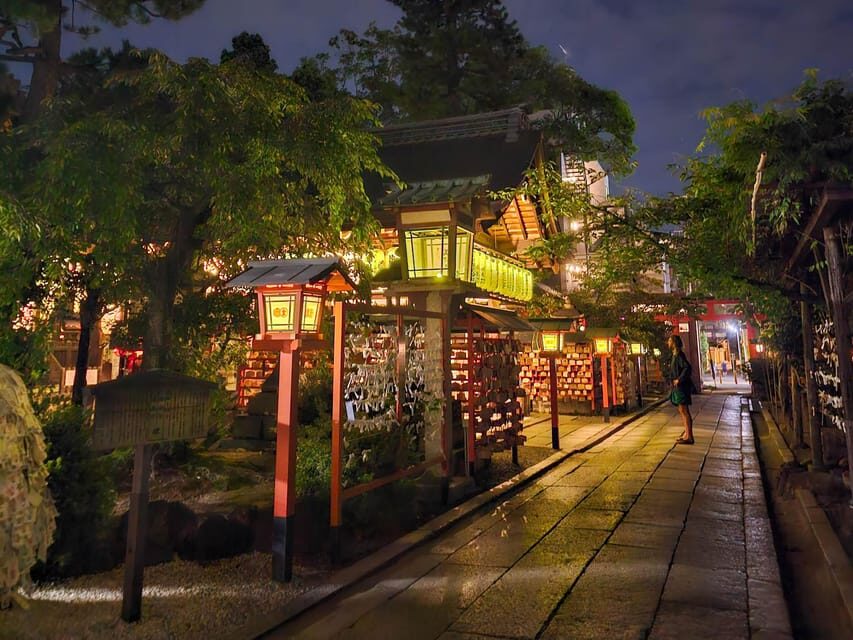
- Sumiyoshi Shrine: associated with protective divinities for seafarers. It’s free and short, so it’s easy to slot in without spending half your day.
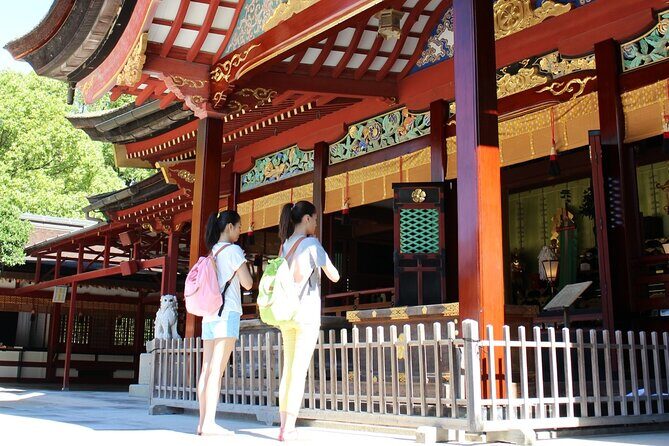
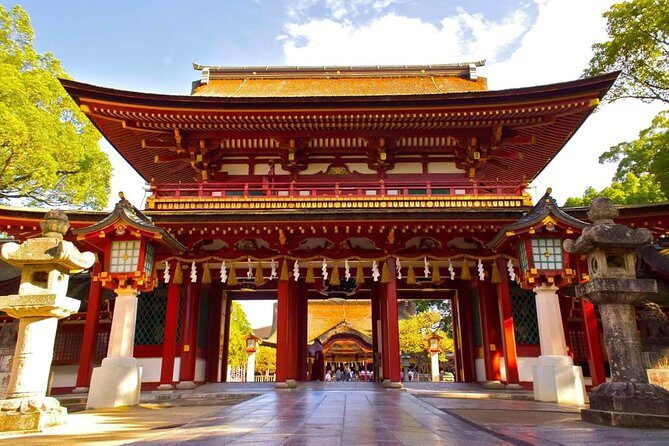
- Kushida Shrine: one of Fukuoka’s best-known shrines, founded in AD 757, with unique carvings including the Chinese zodiac. Free admission makes it a low-cost, high-value stop.
- Atago Jinja: a prettier, less-visited option on a hillside with sweeping views—great if you want something photogenic that doesn’t feel like a tourist conveyor belt.
Drawback to watch for: if you choose too many shrines and temples back-to-back, your brain starts to blend details. That’s when your guide’s ability to connect dots becomes important.
Kyushu National Museum and temple stops that teach you what to look for
If you like art, artifacts, and architecture, the Kyushu National Museum is a smart anchor. It opened in 2005 and has an architectural design that people notice right away. Admission isn’t included, so you’ll pay separately—but the payoff is that museum time gives context for everything else you’ll see that day.
Temple choices add a different kind of learning. For example:
- Tochoji Temple: head temple of the Shingon Buddhism Kyushu sect, associated with Kobo-Daishi (Kukai). Ticketed admission may apply.
- Shofuku-ji: famously tied to Zen Buddhism. It’s said to be the first Zen temple constructed in Japan (founded in 1195 by Eisai, who brought the Rinzai sect from China). Admission is listed as free, which makes it an easy “yes” if you want history without extra ticket cost.
- Hakozaki-gu: one of the region’s most important shrines. The original burned in 1274 during the Mongolian invasion, and the site was rebuilt afterward. Admission isn’t included on the listing, so plan for that cost.
I like these temple stops because they give you something to interpret—not just walk through. Your guide can point out details you’d otherwise miss in plain sight.
You can also read our reviews of more private tours in Fukuoka

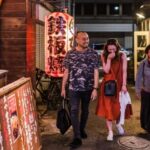
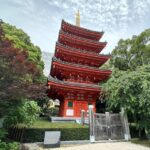
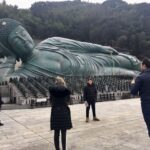


Yatai, Hakata markets, and Canal City: food culture without aimless wandering
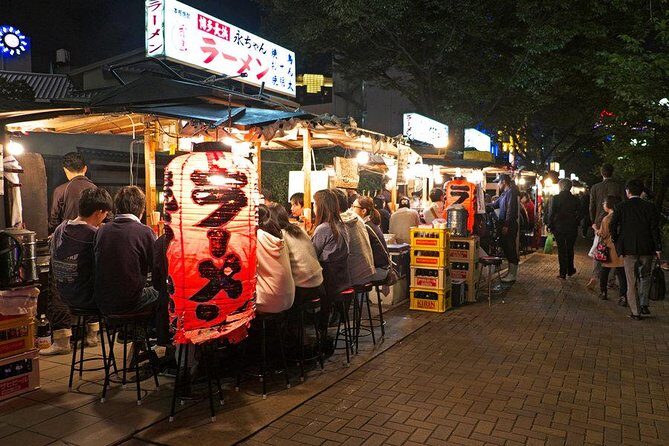
Fukuoka is serious about food, and this tour can reflect that. Two options help you feel the city’s eating culture quickly:
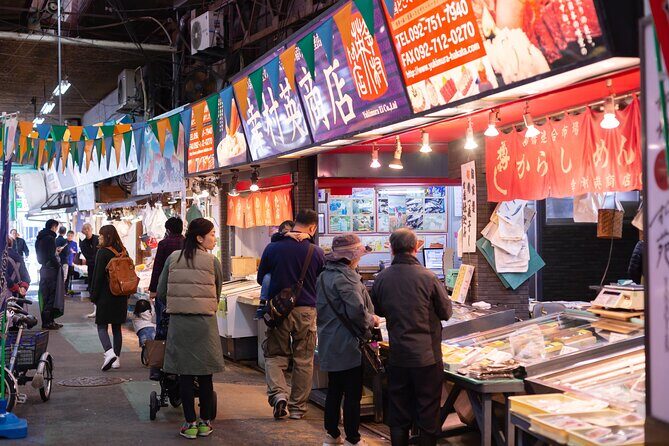
- Yatai (open-air food stalls): a symbol of Fukuoka. The stalls are small—typically seating about seven or eight people—so the vibe is intimate, not theme-park-ish. The listing says admission is free since it’s about walking by and choosing where to eat.
- Yanagibashi Rengo Market: the kitchen of Hakata. Think dozens of greengrocers and fishmongers (40+), with produce-focused browsing and little food stops nearby.
If you want something more modern between all the sacred sites, Canal City Hakata is a great reset. It’s a “city within a city” shopping and entertainment complex with hundreds of shops and places to eat around a canal-like interior. Admission is free, but you can spend money fast if you get hungry (in a good way).
A balanced approach is to pair one food culture stop with one viewpoint stop. If you add two heavy eating areas, you can lose time and energy for temples and parks.
Waterfront parks and Fukuoka Tower: get your sea-and-sky fix
Fukuoka’s parks are a nice counterweight to shrines and museums. If you’re the type who likes walking paths, greenery, and calm views, you’ll enjoy these choices:
- Ohori Park: right in central Fukuoka, centered on a large pond. The loop path is a little over 2 kilometers, so you can walk a portion without committing to an all-day hike. Free.
- Uminonakamichi Seaside Park: on a peninsula across the bay from central Fukuoka. Family-oriented and open space feel. Free.
- Momochi Seaside Park: Fukuoka’s modern waterfront on reclaimed land, originally developed for the 1989 Asia Pacific Expo. Free.
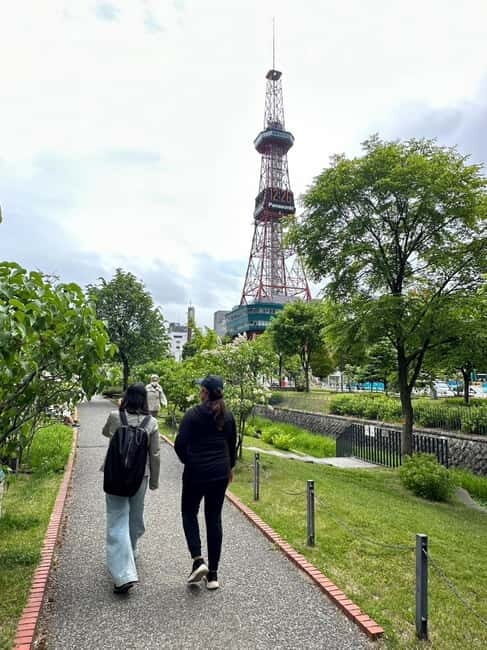
- Fukuoka Tower: if you want a skyline moment, this is the classic pick. The tower is about 234 meters tall, giving you big views over the city. Admission isn’t included on the listing.
Then there’s Nokonoshima Island, reachable by a ferry ride and a natural fit if you want “coast air” without leaving Fukuoka. Admission is listed as free, but you’ll still handle your own on-the-ground travel.
Reality check: seaside stops can depend on weather. If it’s windy or rainy, you may want to trade one park stop for a more sheltered one.
Nanzoin and Dazaifu: a major spiritual day, handled in a single block
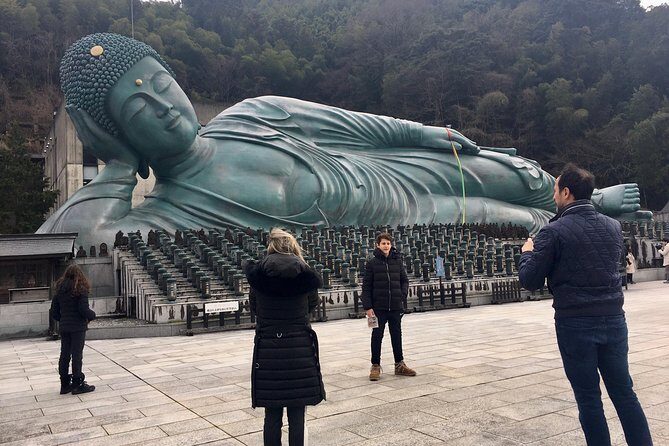
If you have only one “big” spiritual stop, consider Nanzoin Temple. It’s one of Fukuoka prefecture’s most visited Buddhist shrines, drawing more than a million visitors annually. The big headline is the reclining Buddha—often the bucket-list reason people choose this route. Admission isn’t included, so plan for ticket cost.
Pairing Nanzoin with Dazaifu Government Remains (often called the Dazaifu area’s old administrative grounds) makes sense because it connects spirituality with historical governance. Dazaifu is described as the former government site where buildings once stood, located near where you’d likely take a short trip east of Fukuoka.
If your schedule allows, you can also add:
- Rakusuien: a Japanese-style garden and tea house where you can enjoy matcha and sweets. The listing notes an entrance fee of 100 yen, and tea and sweets for 500 yen. Admission isn’t included, but the costs are transparent.
- Hakata Machiya Hometown Museum: a cultural museum where you can experience traditional local life and history in a preserved townhouse-style setting. Admission isn’t included.
This cluster is best when you care about meaning more than speed. If you’d rather keep things light, choose one anchor (Nanzoin or Dazaifu) and let the rest of your time go to parks and neighborhoods.
Price and value: what you’re really paying for
At $155.22 per person, you’re paying mainly for the guide time, licensing, and the planning flexibility. This is not a “tickets included” package, and it’s not a private car tour.
So your true cost depends on your choices:
- Some stops are explicitly free (many shrines and parks).
- Some are marked as not included for admission (Kyushu National Museum, Tochoji Temple, Hakozaki-gu, Nanzoin Temple, Rakusuien, and Hakata Machiya Hometown Museum).
- Transportation fees and lunch are not included, and a private vehicle is not part of the deal.
Here’s how I judge value: if you pick mostly free sites, you can keep spending near the base price and spend your money on one or two paid attractions you actually care about. If you pick multiple ticketed sites, the tour still makes sense—because the guide helps you make those paid hours count—but your overall day will cost more.
What to request from your guide for the best possible day
This tour shines when you treat it like a conversation. The pattern in real experiences with guides like Donnie, Peko, and Yoko is that they adjust quickly once they know what you care about.
Before you start walking, tell your guide:
- Your top priority: views, temples, museums, shopping, or food.
- Your comfort level with stairs and long walks.
- Any interest in local daily life (food lanes, neighborhood culture, how things work).
If you’re visiting on a busy day—say you’re on a cruise schedule or you only have a limited window—ask your guide to build the order of stops around time and transit. In several accounts, guides were especially helpful with routes and practical tips so the day felt packed but not panicked.
Also: if it rains, don’t assume the day is ruined. Some guides have handled pouring rain by shifting the flow and keeping you moving toward the most rewarding covered or quick stops.
Should you book this private Fukuoka tour?
Yes, if you want a smart first look at Fukuoka and you like getting explanations while you walk. The private, licensed English guide setup is ideal for travelers who don’t want to spend their one day researching, translating, and guessing what matters.
Skip it (or reconsider your stop choices) if you want slow pacing at every site. With a 6-hour window and short stop blocks, you’ll get a highlight overview—not an all-day deep study.
If you book, do yourself a favor: pick 3–4 stops that connect thematically (old Fukuoka + waterfront, spirituality + garden, museum + market), and you’ll feel like you truly “got” the city instead of just ticking off names.