REVIEW · TOKYO
Graffiti in Tokyo Walking Tour: Shibuya and Harajuku
Book on GetYourGuide →Operated by Elena Calderon/ Totemo · Bookable on GetYourGuide
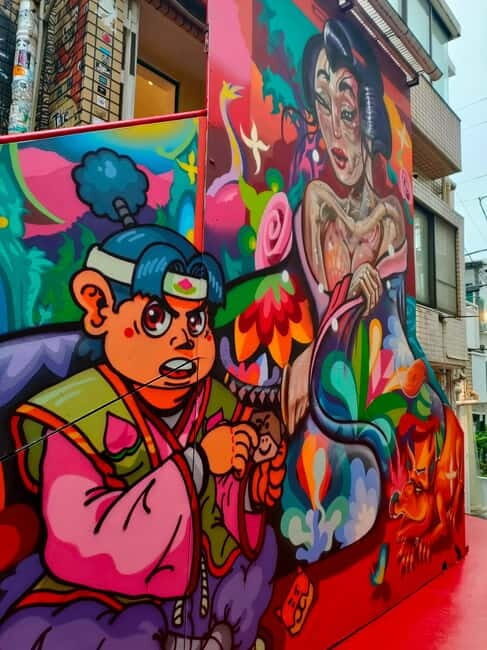
Tokyo’s graffiti reads like a street diary. This Shibuya–Harajuku walk turns you into a sharp-eyed observer, and I loved the stories Elena Calderon connects to each piece and the way you reach spots you’d skip without local guidance. The one drawback: it’s a proper walking tour, so plan on lots of steps and bring footwear you trust.
For $38 and about two hours, you meet at Manhattan Records Shop (Shibuya), then follow Elena through Shibuya’s street art zones and end back near Kifune Bldg. Expect city layers: fashion storefronts one minute, paint textures on back alleys the next.
In This Review
- Key points I’d prioritize
- Meeting at Manhattan Records and stepping into Shibuya’s real street map
- Elena Calderon’s street-level method: how you learn to see tags and murals
- Shibuya back alleys: where the stories behind the spray actually make sense
- Harajuku in 10 minutes: the stylish contrast you shouldn’t skip
- Legal walls vs secret street spots: how the tour keeps it respectful
- Photos, comfort, and small choices that keep the tour fun
- Price and value for $38: what you’re really buying
- Who should book this graffiti walk (and who should skip it)
- FAQ
- FAQ
- Where is the meeting point?
- How long is the tour?
- How much does it cost?
- What languages is the guide available in?
- What should I bring with me?
- Is transportation included?
- Are meals included?
- What are the rules during the tour?
- Who is the tour not suitable for?
- Is it free to cancel?
Key points I’d prioritize
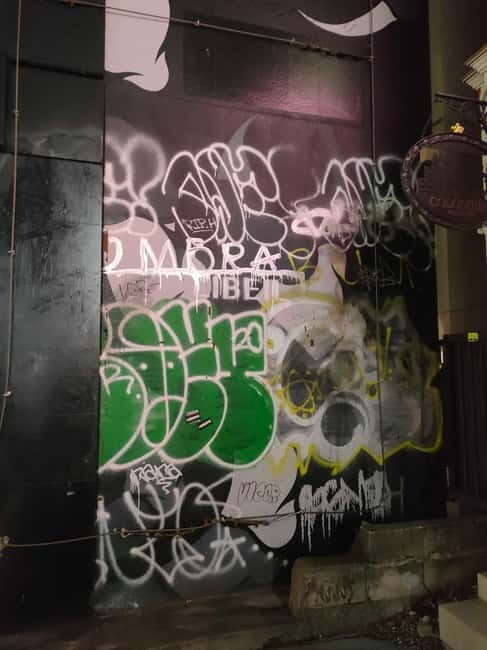
- Meet at Manhattan Records (Shibuya): a clear, easy landmark before you start hunting wall details.
- Elena’s 10+ years in graffiti research: she explains the art with Tokyo context, not just style facts.
- Legal walls plus secret street spots: you’ll see both permitted surfaces and the more discreet corners.
- Shibuya time first, Harajuku taste after: most of your attention stays on the Shibuya scene.
- Photography-friendly route choices: you’ll get pointed to murals worth snapping and revisiting.
Meeting at Manhattan Records and stepping into Shibuya’s real street map
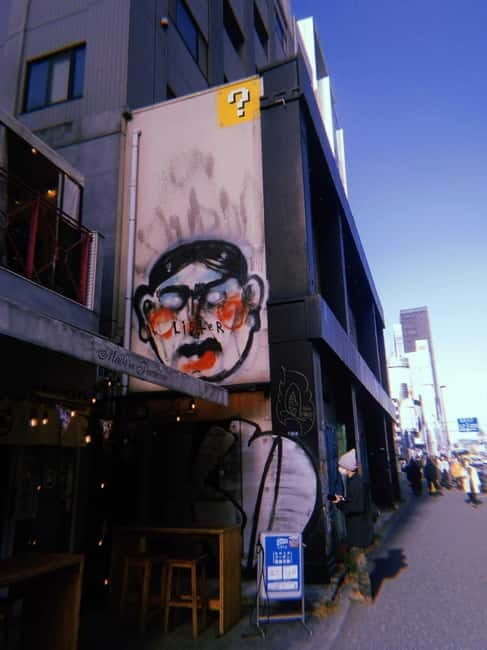
Shibuya is famous for big crossings and bright screens, but this tour focuses on what’s around the crowds—the side streets, the walls you only notice when you slow down, and the marks that fit Tokyo’s rhythm. You start at Manhattan Records Shop in Shibuya, then your route brings you into the neighborhoods where graffiti lives close to daily life.
I like that the meeting point is a recognizable store, not a vague corner. It reduces the usual travel stress of hunting a tour group while your phone battery drains. Once you’re moving, the tour shifts from tourist Shibuya to resident Shibuya: less about major landmarks, more about how the city “labels” itself.
This also matters because street art in Tokyo can be subtle. You might spot a tag near a sign, a throw-up tucked by a doorway, or a mural hidden behind what looks like normal street clutter. The guide’s job is to help you see without turning everything into a scavenger hunt. The pay-off is that after the tour, you’ll start noticing things on your own—especially the small details.
You can also read our reviews of more walking tours in Tokyo

Elena Calderon’s street-level method: how you learn to see tags and murals
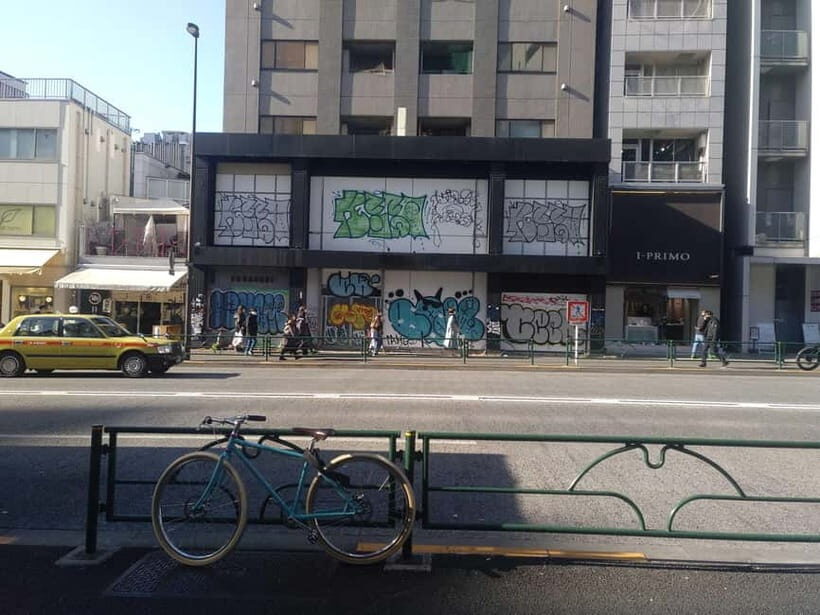
The guide for this tour is Elena Calderon / Totemo, a graffiti researcher for more than 10 years and an art curator. That blend shows in how she explains what you’re seeing. Instead of treating graffiti like random scribbles, she frames it as communication: who’s marking territory, building reputation, responding to places, and remixing visual languages.
What I really liked is the way you learn a checklist for street art recognition. You start to differentiate types of work—tags, throw-ups, and larger murals—so you don’t just go by color or scale. You also learn why Japanese graffiti has its own visual habits and social context. That context changes how you look at walls. A quick signature becomes a clue.
And you’ll get more than street art talk. The included tour notes include insider knowledge on top art galleries too, plus discount access at galleries and restaurants tied to the experience. Even if you’re not planning a full gallery day, those pointers can help you spend your limited time in Tokyo more intelligently.
One more practical note: bring your camera, because you’ll want records. But also bring a little patience. In street art, the good parts are often not centered like museum displays. You may need to adjust your angle, step back, and let your eyes calibrate.
Shibuya back alleys: where the stories behind the spray actually make sense

Shibuya is the main event here, and the time you spend there is the core value. The tour includes a guided Shibuya city segment that takes most of the two-hour experience, with a short Harajuku stop afterward. Translation: don’t expect a long checklist tour. Expect a guided walk where the guide helps you notice what matters.
In Shibuya, you’re looking for the balance between bold and concealed. Some graffiti shows up as direct statements on visible walls. Other pieces appear in places that feel “almost accidental,” like they’re meant for people who already know the area. That’s where the tour earns its keep: exclusive access to hidden graffiti spots and the insider logic for why those spots exist.
Elena also helps connect the artwork to the broader Tokyo street scene. In simple terms, you learn what graffiti is doing in the city beyond decoration. It can be community-building, experimentation, competition, and sometimes a response to the environment. When you understand that, the walk stops being a visual tour and becomes a cultural one.
A small but meaningful bonus: the route includes legal walls as well as secret street spots. That gives you a clearer picture of the ecosystem—what artists can do publicly, what they do privately, and how Tokyo’s rules shape the art you can see. The goal isn’t to encourage you to break rules. It’s to help you understand why some work is easier to find and other work stays tucked away.
Harajuku in 10 minutes: the stylish contrast you shouldn’t skip
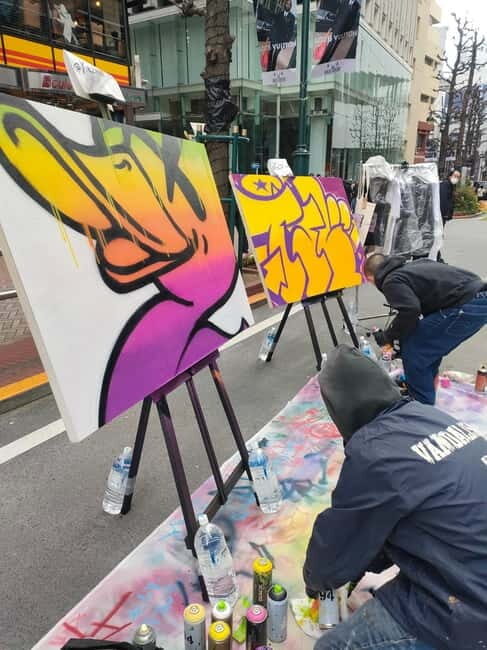
Harajuku gets a brief visit—about 10 minutes—but don’t underestimate it. Harajuku is where Tokyo’s fashion culture sits next to the street art scene, and that contrast can make the whole experience click. In a short burst, you see how urban expression shifts when the neighborhood’s vibe changes.
Even in that short time, you’re not just walking through a tourist zone. The guide’s job is to point out street art details in a way that doesn’t require you to already know where to look. If you’ve never been a “graffiti spotter” before, this is a good way to get started without spending half a day on planning.
Think of Harajuku here as a shift in lens. Shibuya shows you the heavy graffiti presence and the logic behind where writers choose to work. Harajuku shows you what happens when the city’s style energy changes. It’s short, but it adds variety—and it can also motivate you to keep exploring after the tour ends.
Legal walls vs secret street spots: how the tour keeps it respectful
This type of tour lives in a gray area by default, since graffiti ranges from permitted expression to work that’s often illegal. The tour’s rules of the road help keep it safe and respectful. You’ll be asked not to smoke, not to use alcohol or drugs, and not to litter. That’s not just “tour etiquette.” It’s how you keep good relationships with neighborhoods and avoid adding pressure where street art already has complicated visibility.
There’s also a respect angle you’ll feel during the walk. The guide isn’t treating everything as a photo op. You’re encouraged to observe and learn, and you’re steered toward spots in a way that follows local laws. That matters because Tokyo’s urban culture works best when people behave like guests, not hunters.
You’ll likely notice that legal walls and sanctioned surfaces are easier to approach without tension, while “secret street spots” are more about subtle discovery. The tour helps you understand that difference instead of making you guess. And that’s valuable even if you never plan to return to graffiti spots on your own, because you leave knowing how to read Tokyo street culture responsibly.






Photos, comfort, and small choices that keep the tour fun
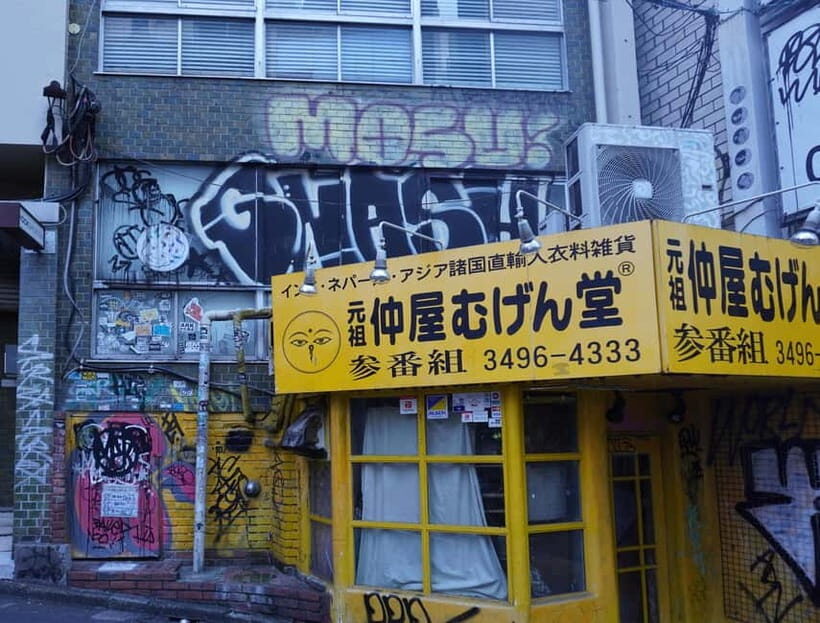
This walk is about attention, and attention is easier when your body feels good. The activity list is pretty clear about what helps: comfortable walking shoes, camera, water, and some cash. I agree with all of that, especially the shoes. You’re moving through real neighborhoods, not a flat indoor route.
Also keep an eye on weather. The tour notes say to be ready for varying conditions, so check forecasts and bring a light layer even when Tokyo looks sunny. If you get cold or sweaty, you’ll miss details. Street art is the kind of thing you notice with relaxed focus.
Photography tip that pays off: don’t only shoot the big pieces. Tags and throw-ups can be the most important clues, and they often reward a closer angle. Take a few wide shots first to remember the location, then step in for texture shots. If you plan to revisit later, capture street context so you can find the wall again.
The guide may also help you locate murals you’ll want to return to and photograph after the tour. That’s a smart perk. Instead of trying to capture everything in one sprint, you can pick a couple of favorites and build a follow-up mini mission on your own schedule.
Price and value for $38: what you’re really buying
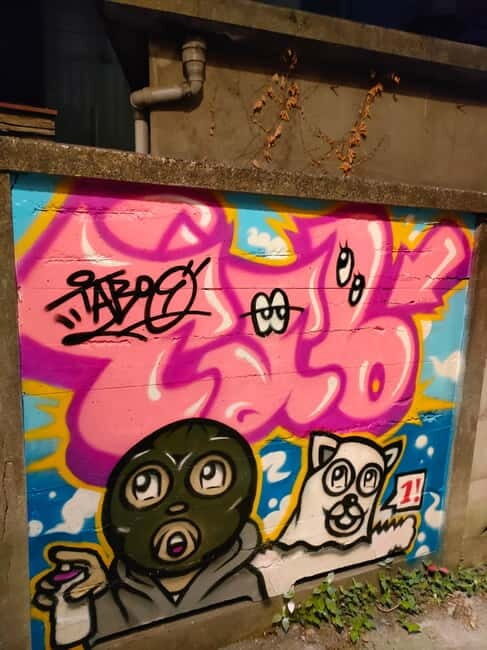
At $38 per person for about two hours, this tour isn’t trying to be a cheap city sampler. You’re paying for three things that are hard to replicate solo:
First, you’re paying for expert guidance. Elena brings more than a decade of graffiti research and art-curator framing. That means you’re not just seeing art—you’re learning what the art is doing.
Second, you’re paying for access. The tour includes exclusive access to hidden graffiti spots. In plain terms, that saves time. Without local guidance, you might find a few pieces by luck, but you’ll miss the reasoning behind why those walls matter.
Third, you get practical follow-through. The tour includes insider knowledge on top art galleries and discounts at art galleries and restaurants connected to the experience. Even without exact names listed here, the value is the curated direction: where to spend your next hours for more street-art adjacent culture.
Meals aren’t included, and transportation to the meeting point isn’t included. That’s normal for walking tours. Bring water, plan to eat before or after, and use the discounts the tour provides as part of your Tokyo budget.
Who should book this graffiti walk (and who should skip it)
I’d book this if you like urban culture and you enjoy learning how to see. This is ideal for travelers who find themselves looking at walls, noticing lettering styles, and caring about context more than just photos. It’s also a strong pick if you want an alternative to the usual sightseeing rhythm in Shibuya and Harajuku.
It’s not the best fit if mobility is a concern. The tour isn’t suitable for people with mobility impairments, and it also isn’t set up for babies under 1 year. There’s also an age limit noted for people over 95 years, which usually means the walk pace and footing expectations are strict.
If you’re comfortable on foot, this tour is a satisfying use of time. Two hours can feel short, but the guide’s focus on Shibuya first and Harajuku second keeps it efficient: you get the core scene, then a quick contrast.
FAQ
FAQ
Where is the meeting point?
You meet at MANHATTAN RECORDS SHOP in Shibuya.
How long is the tour?
The tour lasts 2 hours.
How much does it cost?
It costs $38 per person.
What languages is the guide available in?
The live guide speaks English and Spanish.
What should I bring with me?
Bring comfortable shoes, a camera, water, and cash.
Is transportation included?
No. Transportation to the meeting point is not included.
Are meals included?
No. Meals and drinks are not included.
What are the rules during the tour?
Smoking, alcohol, drugs, and littering are not allowed. You should also respect local laws.
Who is the tour not suitable for?
It’s not suitable for people with mobility impairments, babies under 1 year, and people over 95 years.
Is it free to cancel?
Yes. You can cancel up to 24 hours in advance for a full refund.