REVIEW · KYOTO
Early Bird E-biking through East Kyoto
Book on Viator →Operated by Cycle Kyoto · Bookable on Viator
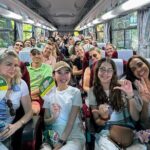
Eight people, a guide, and Kyoto by e-bike. This early start makes it easier to see Fushimi Inari and then glide through quieter eastern neighborhoods before the crowds stack up. I especially like that it’s a small group (max 8) and that lunch is included, so you spend less energy figuring out where to eat and more time actually moving through the city.
One thing to plan for: you’ll be cycling at a steady pace and sharing roads and paths with other people. The ride is described for moderate fitness, and there can be some uphills and busy sections, so comfortable bike handling matters.
In This Review
- Key highlights worth your attention
- Why Early-Bird E-biking Works for East Kyoto
- What You Actually Get: Bikes, Lunch, and a Tight Schedule
- Before You Meet: Fitness, Size, and Comfort Checks That Matter
- The Route, Stop by Stop: From Torii Gates to Gion Backstreets
- Stop 1: Fushimi Inari-taisha Shrine (river ride + temple walk)
- Stop 2: Tofuku-ji (Zen temple + a bridge moment)
- Stop 3: Kamogawa River (longer ride along the water)
- Stop 4: Ginkakuji (Silver Pavilion) plus lunch
- Stop 5: Philosopher’s Path (you cycle along the route)
- Stop 6: Nanzen-ji (walk the grounds of a big temple)
- Stop 7: Heian Shrine (courtyard stroll)
- Stop 8: Gion backstreets (ride through the entertainment district)
- Stop 9: Higashi Hongan-ji (wooden prayer halls + a cafe stop)
- What “Small Group” Really Changes on This Ride
- E-bike Etiquette and Safety: How to Enjoy the Busy Parts
- Value Check: Is $138.74 Fair for 6–7 Hours?
- Who This East Kyoto Tour Is For
- Should You Book This East Kyoto E-bike Tour?
- FAQ
- How long is the Early Bird E-biking tour?
- What is the maximum group size?
- Do I need to bring a helmet or rental equipment?
- Is lunch included?
- Is the tour physically demanding?
- What places does the tour visit?
Key highlights worth your attention
- Early 8:00am departure to get to the big sights sooner
- Max group size of eight for easier pacing and fewer bottlenecks
- E-bike + helmet provided, so you don’t waste vacation time renting gear
- Lunch included during the Ginkakuji stop window
- A temple-and-neighborhood mix: Nanzen-ji, Philosopher’s Path, Heian Shrine, Gion, Higashi Hongan-ji
- Ride breaks built in for walking the temples and resting when needed
Why Early-Bird E-biking Works for East Kyoto
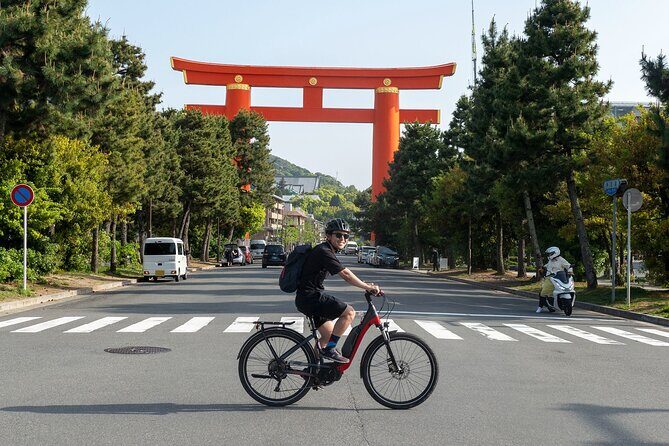
Kyoto can feel like two cities at once: serene and scenic early in the day, and then suddenly crowded the moment tour buses unload. Starting at 8:00am is the whole point here. You get to Fushimi Inari-taisha before the densest lines form, and you also arrive at other major stops while the streets still have some breathing room.
E-bikes help because East Kyoto is not just temples sitting in isolation. It’s a web of river routes, temple approaches, and neighborhoods that you usually would connect with a taxi or a lot of walking. With an e-bike, you can cover distance without arriving wiped out, and you can still step off the bike to walk the places that truly reward slow wandering.
You can also read our reviews of more cycling tours in Kyoto
What You Actually Get: Bikes, Lunch, and a Tight Schedule
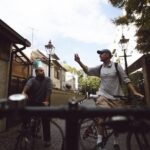
This isn’t a “rent a bike and good luck” situation. You have a guide, a set plan, and enough structure to keep you from zig-zagging in the wrong direction.
Here’s what you can count on based on the tour details:
- E-bike and helmet provided, so you’re not hunting for rentals.
- Lunch included, timed into the Ginkakuji segment.
- Most temple entries are free, and the Ginkakuji admission is included in the experience.
- The tour runs about 6 to 7 hours, which is a sweet spot: long enough to see a lot, short enough to still enjoy your evening.
You do need to bring the right expectations about the day. The schedule moves through multiple stops, and you’ll switch between riding and short walking periods. Think of it as a series of “arrive, explore, ride again,” not a slow stroll.
Before You Meet: Fitness, Size, and Comfort Checks That Matter
This ride is for moderate physical fitness. That doesn’t mean “athlete only,” but it does mean you should be comfortable staying upright, starting and stopping smoothly, and pedaling uphill without panicking.
Two practical filters are stated clearly:
- Minimum age is 13
- Minimum height 145cm
Also tell the operator about any dietary requirements ahead of time. Lunch is included, and you don’t want to discover last-minute limits when your group is already seated.
Finally, bike fit matters. On e-bikes, a too-small frame can make you feel cramped or unstable, especially if you’re small-stature or in between sizes. If you’ve got any concerns about fit, double-check your height details when you book.
The Route, Stop by Stop: From Torii Gates to Gion Backstreets
The day’s flow is built to mix iconic Kyoto with places that feel like you’re slipping off the main paths. You’ll start with a short transfer by bike, then shift into temple exploration on foot.
Stop 1: Fushimi Inari-taisha Shrine (river ride + temple walk)
You ride about 25 minutes along the river to reach Fushimi Inari, then you explore on foot for about 30 minutes. Admission here is free.
Why this stop works early: Fushimi Inari is famous, and that fame means crowds. Going first gives you a better chance of enjoying the torii-gate tunnels without constantly stopping. The temple area also rewards slow steps, so the on-foot time is perfect.
A small consideration: the shrine isn’t a flat stroll. Expect uneven ground and stairs as you move through the area.
A few more Kyoto tours and experiences worth a look

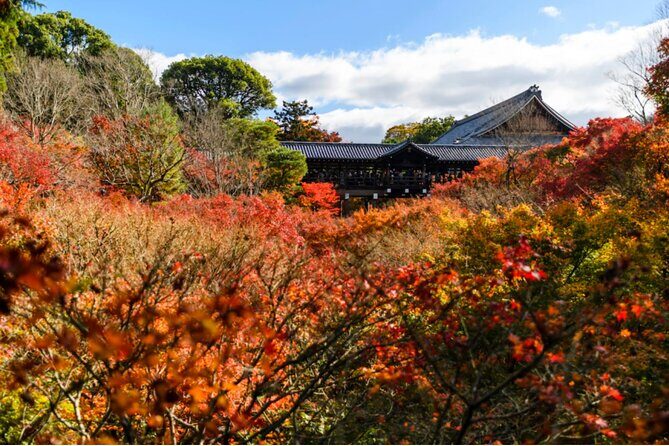
Stop 2: Tofuku-ji (Zen temple + a bridge moment)
From Fushimi Inari, you reach Tofuku-ji in about 15 minutes. You also get a brief stop on a picturesque bridge, then you have 30 minutes to explore.
Tofuku-ji is a great second stop because it shifts your focus from the flashy torii gates to Zen temple atmosphere. It’s still “top Kyoto,” but in a different key.
Stop 3: Kamogawa River (longer ride along the water)
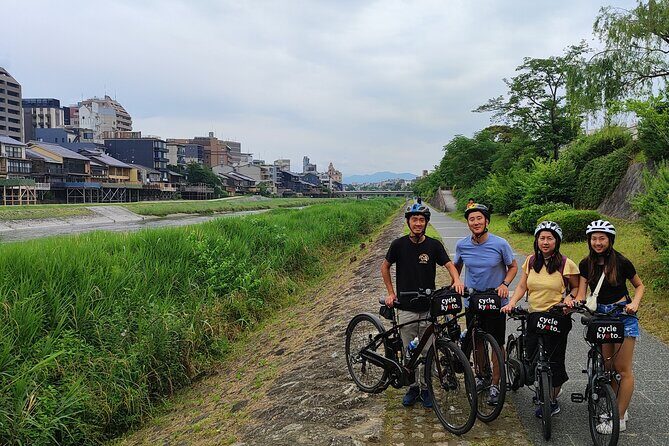
Next you spend about 30 minutes with an extended bike ride along the Kamogawa River.
This is a mental reset. If the temples make your legs feel busy, the riverside ride gives your body a different rhythm. It also helps you appreciate Kyoto as a city with water routes, not just a museum of buildings.
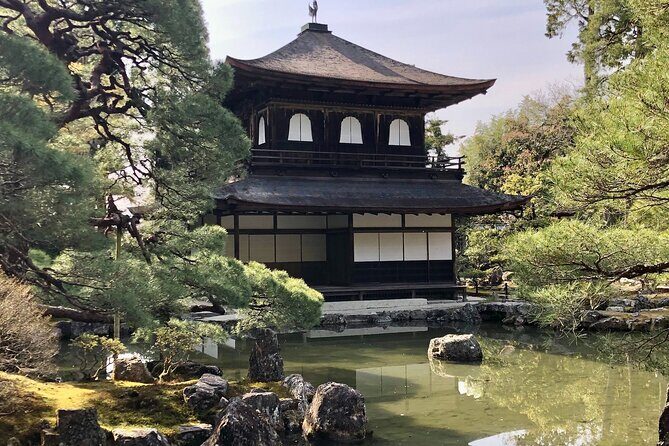
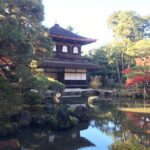
Stop 4: Ginkakuji (Silver Pavilion) plus lunch
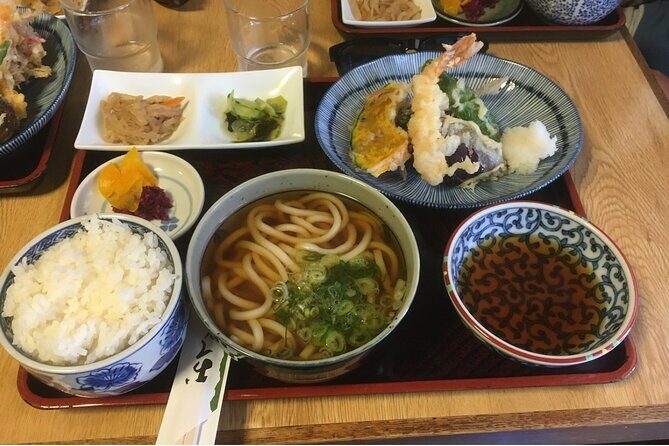
You’ll spend about 45 minutes at Ginkakuji, and that time includes lunch at a nearby restaurant. Ginkakuji admission is listed as included.
This stop is doing two jobs:
- It gets you to one of Kyoto’s most recognizable temple gardens and structures.
- It protects your schedule by handling food at the same time.
I like this setup because it removes a common Kyoto problem: you either eat early and miss a good sight, or you eat late and land in the wrong crowd. Here, lunch is built in.
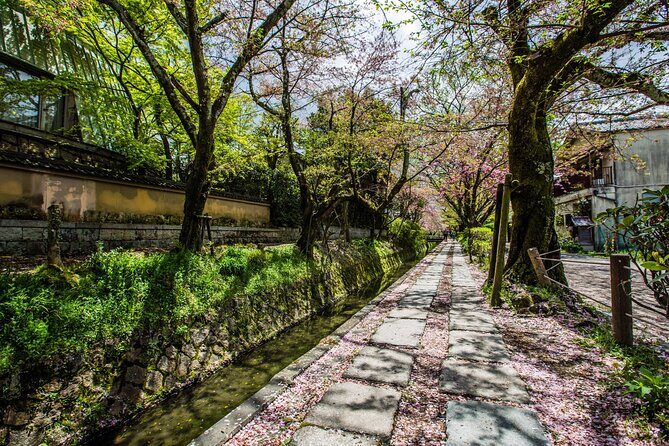
Stop 5: Philosopher’s Path (you cycle along the route)
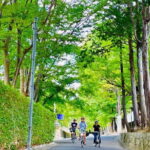
You bike along the Philosopher’s Path (Tetsugaku no Michi) for about 45 minutes.
This section is known for being photogenic, especially in seasons when the greenery is at its best. Cycling along it (instead of walking only) is practical because you cover a lot of ground while still getting the sense of the corridor.
One caution: this path can draw pedestrians, so you’ll need to ride with extra awareness. Slow down near people and keep your line predictable.
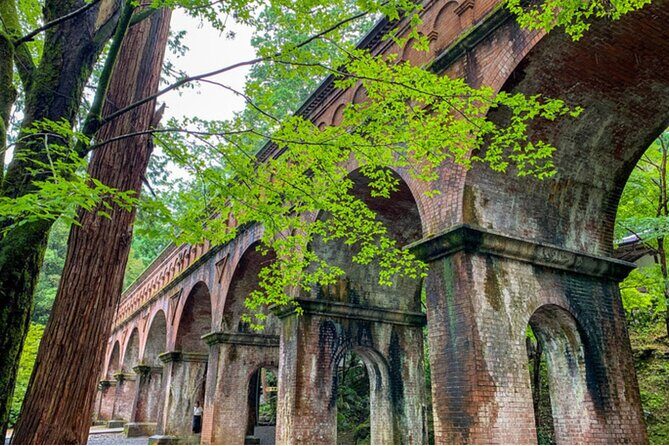
Stop 6: Nanzen-ji (walk the grounds of a big temple)
You spend about 45 minutes walking the grounds of Nanzen-ji.
Nanzen-ji is a “you feel the scale” type of temple. Even when you only have a set window, you can still experience the spaciousness that makes it different from tighter temple complexes.
The drawback is simple: walking time accumulates across the day. Pace yourself here so you still enjoy the later stops.
Stop 7: Heian Shrine (courtyard stroll)
You get about 35 minutes to stroll the courtyard of Heian Jingu Shrine.
This is a great mid/late-day reset stop. After moving through multiple temple atmospheres, Heian Jingu gives you a more open, ceremonial feel, and it’s timed so you don’t burn out before the most lively neighborhood moment.
Stop 8: Gion backstreets (ride through the entertainment district)
You’ll ride through Gion backstreets for about 45 minutes, with the possibility of glimpsing Maiko or Geiko.
Even if you don’t see them, the point is the route itself. Gion’s side streets feel different from Kyoto’s temple approach roads. You see the residential edges and the rhythm of a neighborhood that has its own tempo.
Because you’re riding, not walking the whole area, you’ll also avoid the “stuck in a crowd for 40 minutes” feeling. You can watch, photograph, and then move on.
Stop 9: Higashi Hongan-ji (wooden prayer halls + a cafe stop)
Your final stop includes about 15 minutes at Higashi Hongan-ji with a stroll through the wooden prayer halls, plus a stop at the group’s favorite cafe.
This works as a clean ending. It’s not a “one last big climb,” and it gives you an easy place to cool down and process the day’s sights.
What “Small Group” Really Changes on This Ride
A group capped at eight travelers is more than a comfort detail. It affects how the day feels.
With a small group, the guide can:
- keep a tighter line when routes get busy
- slow down for questions without derailing the schedule
- manage photo stops more smoothly
- spend less time herding bikes and more time teaching you how to notice what you’re seeing
That said, small groups still ride through real streets and pedestrian zones. So even with a small cap, you should stay alert and keep your bike control steady.
E-bike Etiquette and Safety: How to Enjoy the Busy Parts
You’ll likely encounter crowded zones and sections with uneven terrain. The best way to enjoy those parts is to act like a careful local: gentle inputs, predictable movements, and respect for pedestrians.
Here are practical rules that keep the day fun:
- Slow down before you reach dense clusters of people.
- Keep your hands relaxed and your line straight when you’re around others.
- If there’s an uphill, don’t wait until you’re struggling. Start early and pedal steady.
If you’re a confident cyclist, you’ll feel in control. If you’re not, treat this as training wheels for Kyoto: go slower, follow the guide’s pace, and don’t compare yourself to fast riders.
Value Check: Is $138.74 Fair for 6–7 Hours?
At $138.74 per person, the value depends on what you’d do instead.
If you rented a bike on your own, you’d still need to:
- track directions in a city where streets change character block to block
- figure out where to eat at the right time
- pay for major temple entry separately
- manage the pacing yourself
This experience bundles the essentials:
- e-bike + helmet (so you don’t lose time or energy sourcing gear)
- a guided route that connects temple highlights and neighborhood streets
- lunch included during the mid-tour highlight
- Ginkakuji admission included
For a first-time visitor, that’s often the sweet spot: you pay for convenience and structure so you can focus on the city.
Who This East Kyoto Tour Is For
This ride is a strong choice if:
- you want an efficient “big highlights” day without racing on foot
- you like biking through canals, rivers, and side streets, not only looking up at monuments
- you’re visiting Kyoto for the first time and want a guide to help you interpret what you see
It’s also a good match for couples, small groups of friends, and solo travelers who like the idea of an eight-person experience.
Consider skipping or thinking twice if:
- you don’t feel comfortable cycling in busy areas
- you’re likely to struggle with short walking stretches across multiple temples
- you need a very flexible day with no set timing, because the schedule is designed to move
Should You Book This East Kyoto E-bike Tour?
I’d book it if you want a structured first-day plan that gets you from Fushimi Inari to Gion while keeping logistics simple. The early start, the small group cap, the provided e-bike/helmet, and the included lunch add up to a day that feels purposeful rather than chaotic.
I’d pause before booking if you’re uncertain about bike comfort or you expect a slow, no-rush sightseeing day. This is built for momentum, not wandering.
If you’re in the “I want to see a lot and still feel relaxed” category, this tour fits that goal really well.
FAQ
How long is the Early Bird E-biking tour?
It’s about 6 to 7 hours.
What is the maximum group size?
The group is capped at eight travelers.
Do I need to bring a helmet or rental equipment?
No. An e-bike and helmet are provided.
Is lunch included?
Yes. Lunch is included, timed during the Ginkakuji portion of the tour.
Is the tour physically demanding?
It’s listed for travelers with a moderate physical fitness level, and there can be some uphills and busier riding sections.
What places does the tour visit?
You’ll bike and walk through Fushimi Inari-taisha, Tofuku-ji, Kamogawa River (ride), Ginkakuji, Philosopher’s Path, Nanzen-ji, Heian Shrine, Gion, and Higashi Hongan-ji.