REVIEW · TOKYO
Tsukiji: Unlimited Sake Tasting Experience
Book on GetYourGuide →Operated by Sake Lovers Inc · Bookable on GetYourGuide
Sake in Japan goes far past ordering a random glass. This Tsukiji experience pairs you with a sommelier in a private salon, then keeps the pours coming so you can explore a wide range of styles at your own pace. I especially like the way the host explains what you’re tasting, including the brewing process and how different breweries shape flavor. The other big win for me is that you sample sakes at different temperatures, which makes the tasting feel like real learning, not just drinking.
One thing to consider: this is an alcohol-focused session, so it’s not suitable for everyone (pregnancy and wheelchair access are listed as not suitable), and kids won’t be served alcohol.
In This Review
- Quick Hits: What Makes This Tasting Work
- Why a Tsukiji Private Salon Tasting Is a Smarter Way to Learn Sake
- Getting to Sake Lovers Inc. and Finding the Salon on 4F
- The Tasting Flow: How 50 to 60 Sakes Fit Into 90 Minutes
- Temperature Tastings: Why Hot, Warm, and Chilled Changes the Flavor
- Snacks and Pairings: Cheese and Rice Crackers Aren’t an Afterthought
- What Your Sommelier Explains: Breweries, Brewing, and Japan’s Sake Stories
- How to Get the Most Out of Your 90 Minutes
- Price and Value: Is $54 Worth Unlimited Sake Time?
- Who This Is For (and Who Should Skip It)
- Should You Book This Tsukiji Unlimited Sake Tasting?
- FAQ
- How long is the Tsukiji unlimited sake tasting experience?
- How many different sakes can I sample?
- Do they provide snacks or food during the tasting?
- Is the tour guided in English?
- Is it family-friendly?
- Where do I meet the group?
Quick Hits: What Makes This Tasting Work
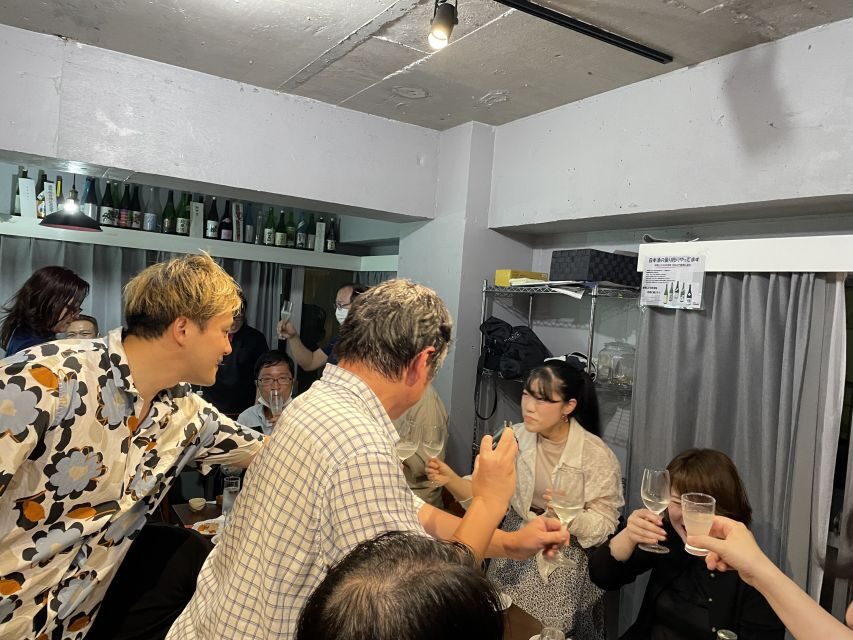
- 50 to 60 sake styles available to sample in about 1.5 hours, so you get real comparison, not just a few “safe picks.”
- Sommelier-led lessons in a private salon at Tsukiji, with English-speaking guidance.
- Temperature tasting helps you understand how warming or chilling changes aroma and taste.
- Snacks for pairing, including cheese and rice crackers, to show how flavors interact.
- You leave with clearer ordering instincts at restaurants, because you learn what to look for beyond the word sake.
Why a Tsukiji Private Salon Tasting Is a Smarter Way to Learn Sake
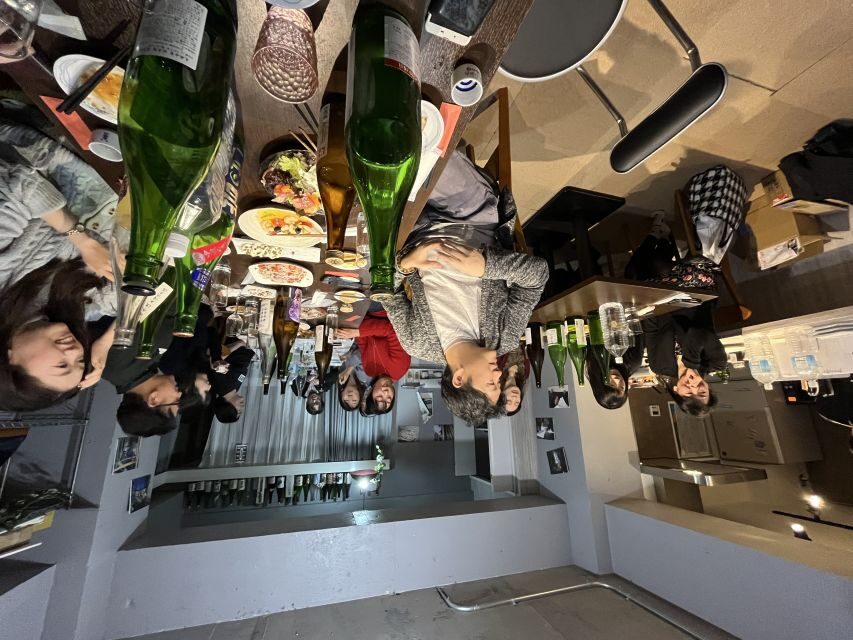
Tsukiji has a reputation for food and flavor, but this is a different kind of hit. Instead of wandering stalls, you sit down in a private salon and focus on one beverage—sake—with a clear goal: find your preferences and understand why they taste different.
I like that the tasting is structured around guidance. Your host introduces each bottle’s story and production background, then you taste and decide. That combo matters because sake can be confusing at first: the same word covers everything from light and gentle to more serious, deeper, and sometimes drier styles.
I also like the pace of comparison. With dozens of options available, you get a chance to move from “I think I like it” to “I like this type because of X.” That’s how the experience becomes useful after you leave Tokyo.
You can also read our reviews of more food & drink experiences in Tokyo


Getting to Sake Lovers Inc. and Finding the Salon on 4F
The meeting point is Sake Lovers Inc. (サケ・ラバーズ株式会社). Go to the red brick building, take the elevator up to 4F, and use the first door to the left for #405.
If you’re traveling from nearby areas, aim to arrive a few minutes early so you can settle before tasting starts. This kind of session is easiest when you’re not trying to figure out stairs, elevators, or directions mid-flight—especially since tasting decisions come fast once the bottles start cycling.
A small practical note: the host or greeter is English. That’s a big help if you’re starting from zero and want explanations you can actually follow.
The Tasting Flow: How 50 to 60 Sakes Fit Into 90 Minutes
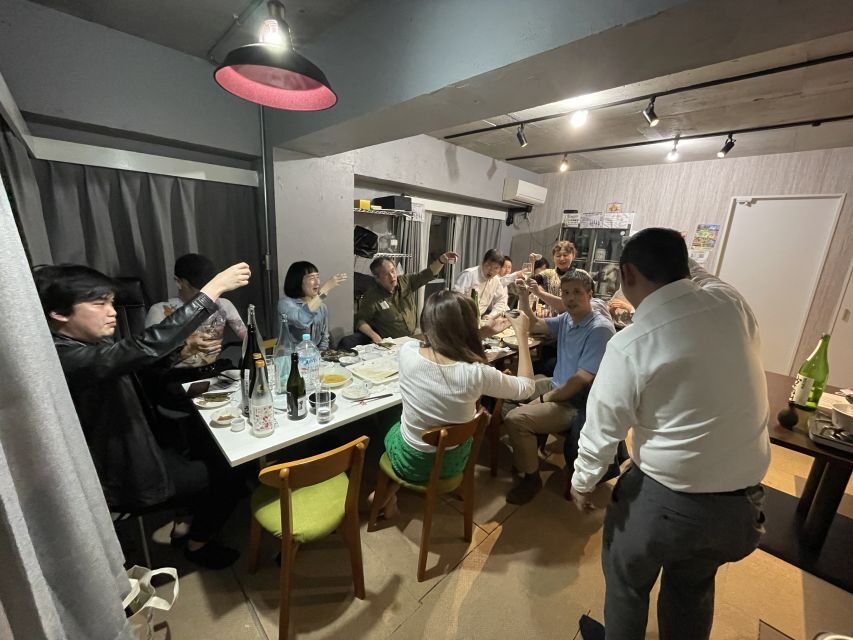
The whole experience runs about 90 minutes, and the idea is simple: you sample a wide range of sake styles in a short window. The program highlights 50 to 60 different kinds available to try, but real life pacing may mean you focus on a smaller set depending on how fast your group moves and what you want to revisit.
Either way, the format is built for comparison. Your host discusses the brewery and the sake’s identity before you taste, then you rotate through different bottles to build a mental map. Expect variety in flavor profiles—sweet-leaning options, gentle styles, and also deeper or more bitter-leaning expressions.
It helps that the session is set up as a progressive tasting, not random pours. When you taste step-by-step, it’s easier to notice what changes as you move from one style to the next.
Some sessions also feel more “VIP” because group sizes can be small. If you end up in a smaller group, you’ll likely get more back-and-forth questions and faster tailoring of explanations to your comfort level.
Temperature Tastings: Why Hot, Warm, and Chilled Changes the Flavor
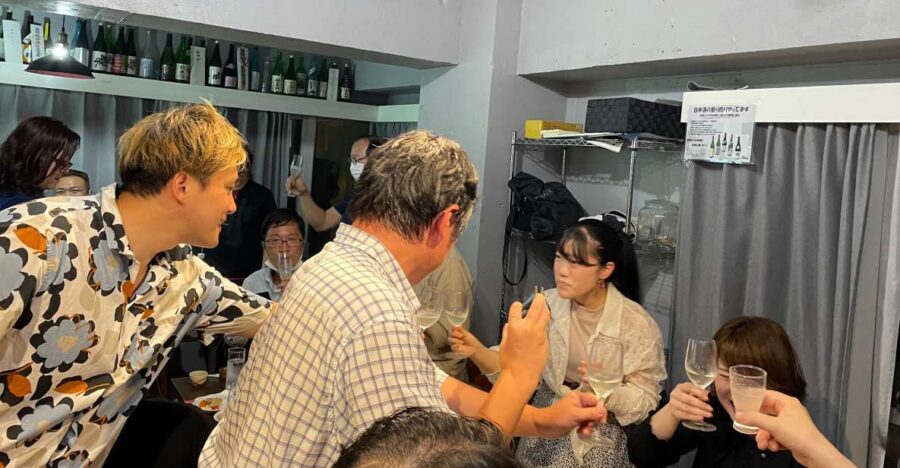
One of the most useful parts of this experience is the temperature play. You’ll taste sake at different temperatures to see how flavor shifts when it’s served chilled versus warmed.
Here’s why you should care: sake is aromatic and sensitive. Temperature changes can mute or highlight different notes—so what feels sharp or light at one temperature can become softer, rounder, or more expressive at another. You don’t just learn a label; you learn a serving strategy.
I like that your host frames this as tasting, not trivia. When you experience the difference directly, you get practical guidance for restaurants later—especially when the menu lists only one “order option” but different serving styles are possible.
Snacks and Pairings: Cheese and Rice Crackers Aren’t an Afterthought
Sake tastes better with context, and this session gives you that. You’ll have snacks available during the tasting to help the different sakes land clearly.
The highlights call out pairing items like cheese and rice crackers, plus other snacks. I like that the food isn’t trying to be a full meal. It’s there to reset your palate and show how salt, fat, and crunch can change how you perceive a drink.
This is one of the reasons the lesson sticks. If you learn that a certain style works better with a certain kind of bite, you’re more likely to remember what to ask for later instead of forgetting everything when you get home.
You should also expect water between samples. That keeps things comfortable when you’re trying multiple bottles back-to-back.
You can also read our reviews of more drinking tours in Tokyo




What Your Sommelier Explains: Breweries, Brewing, and Japan’s Sake Stories
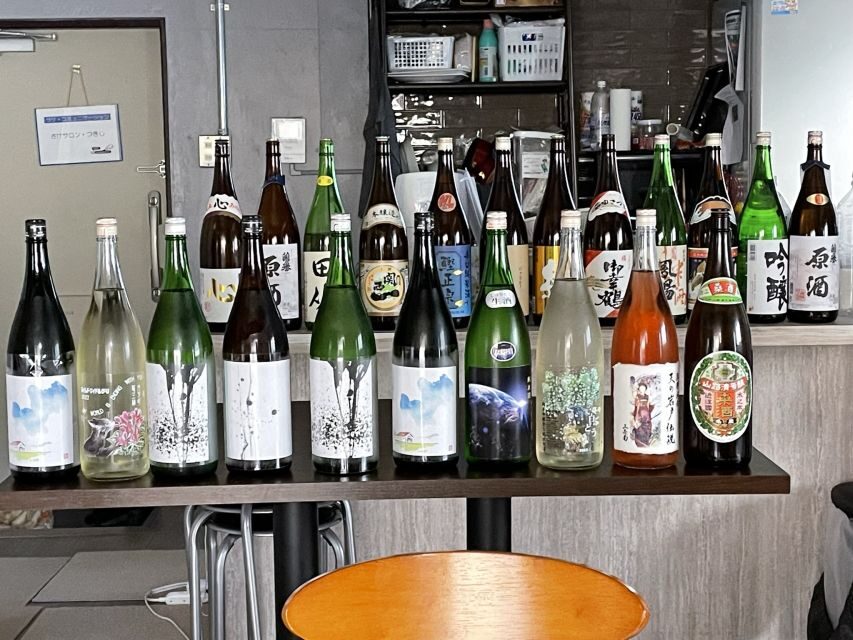
You’re not just tasting; you’re learning the logic behind what’s in your glass. Your host explains the brewery and gives context for each bottle before you taste. The session also covers the brewing process and the history of sake in Japan.
That education matters because sake has multiple “axes.” Even when two bottles look similar on a menu, they can be made differently and end up tasting very different. When someone breaks it down in plain language, it becomes easier to predict your likes instead of gambling.
From the variety of hosts reported—like Mako, Yuki-san, and Kyoko—you can also expect a warm, personal teaching style. Different hosts may emphasize different angles, but the consistent theme is explanation tied directly to what you’re tasting in the moment.
If you’re brand-new to sake, this is exactly the kind of structure that helps. If you already dabble, it can still sharpen your taste language so you’re not stuck with generic descriptions.
How to Get the Most Out of Your 90 Minutes
This is a fast-moving session, so strategy helps. I’d go in with two goals: one for discovery and one for remembering.
- For discovery, be open to tasting styles you think you won’t like. Some of the biggest “aha” moments in sake happen when you try something you would normally skip.
- For remembering, pick one or two favorites to track mentally. If the session includes an extra revisit round for your top picks, that makes choosing what to buy later (or what to order in a restaurant) much easier.
Also, ask questions when something confuses you. The host can adjust explanations to match your starting point, and that’s a big advantage if you don’t know the difference between warm and chilled preferences or how brewing choices relate to flavor.
Price and Value: Is $54 Worth Unlimited Sake Time?
The price is listed at $54 per person for about 90 minutes, and entry to the private salon plus all-you-can-drink sake is included. Food isn’t listed as included as a standalone add-on, but snacks are part of the tasting experience.
So is it good value? For me, the key is the combination of:
- Sommelier time in a private setting
- Unlimited tastings
- Temperature-led comparison
- Snacks that support the flavors
If you’ve only had sake in casual settings, you might have had limited choice—maybe one style, maybe a safe seasonal pick. Here, you’re paying to remove that guesswork. You’re not just buying alcohol; you’re buying a taste education with enough variety to make the lesson stick.
In other words, $54 can feel like a bargain if you use the time well and treat it like a guided tasting rather than a quick drinking break.
Who This Is For (and Who Should Skip It)
This tasting is a great match if you want something cultural but not stiff. You’ll get Japanese sake knowledge in English, in a friendly format that keeps the focus on taste and learning.
It’s especially good for:
- Food-and-drink lovers who enjoy tasting flights and comparisons
- First-timers who don’t want to feel clueless about what to order
- People who like guided explanations that connect directly to flavor
It’s not listed as suitable for:
- Pregnant women
- Wheelchair users
It’s also family-friendly in a specific way: if you bring children, the session is family-friendly, but alcohol won’t be served to them. If children come, you’ll need to bring non-alcohol drinks for them.
Should You Book This Tsukiji Unlimited Sake Tasting?
Book it if you want a real sake education without the stress of learning everything on your own. The private salon format, the sommelier-led explanations, and the temperature tastings are a strong mix. Add the breadth of styles available and the snack pairings, and you end up with something you can actually use when you order sake later.
Skip it if you’re looking for a full meal, a simple casual drink without guidance, or you fall into the listed not-suitable categories. Also, if you’re the type who hates structured tasting formats, the session will still move through bottles on a plan—so you might feel pushed to keep up.
If you want value and clarity in one sitting, this is a high-confidence choice.
FAQ
How long is the Tsukiji unlimited sake tasting experience?
The experience runs for about 90 minutes.
How many different sakes can I sample?
The program highlights 50 to 60 different kinds of sake available to sample during the session.
Do they provide snacks or food during the tasting?
Snacks are available during the tasting to enhance flavors, including items like cheese and rice crackers. Food is not listed as included, so it’s best to think of this as snack pairings rather than a full meal.
Is the tour guided in English?
Yes. The host or greeter is listed as English speaking.
Is it family-friendly?
The experience is family-friendly. If you need to bring children, they won’t be served alcohol, and you should bring non-alcohol drinks for them.
Where do I meet the group?
Meet at Sake Lovers Inc. at the red brick building. Take the elevator to 4F, then go to the first door on the left for #405.