REVIEW · KYOTO
Traditional Japanese Knife Sharpening Class in Kyoto
Book on Viator →Operated by Japanese Knife Sharpening · Bookable on Viator
That first clean slice is strangely addictive. This hands-on Kyoto class teaches traditional Japanese sharpening with whetstones, plus the theory behind it. I like that you don’t just watch—you sharpen your own blade under close supervision. I also like the small group size (up to 6), which makes it easier to ask questions while you’re mid-stroke. One thing to consider: you’ll need good weather, since the experience can be shifted or refunded if conditions are poor.
I found the teaching style especially strong. The lead instructor, Clement, is the kind of teacher who can explain the why, then slow down when your technique needs a tweak. I’d also call out the payoff: you leave with a knife you’ve sharpened yourself, which turns a kitchen tool into a real souvenir. The only drawback is practical—sharpening takes focus, so if you’re expecting a relaxed sightseeing walk, this is more workshop than stroll.
In This Review
- Key highlights for your Kyoto knife day
- Knife Skills You Can Actually Carry Home in Kyoto
- Meeting at Musashi Japan Kyoto Sanjo and Getting Rolling
- Your ~2-Hour Flow: History First, Then Real Sharpening
- Whetstones, Grits, and the Logic of Traditional Sharpening
- Steel Types and Sharpening Theory That Helps You Improve Later
- Sharpening Your Own Blade: Where Clement’s Coaching Really Matters
- The Kamo Onsen Area Stop: A Practical Kyoto Reset
- What You Take Home: A Fresh Edge and a Real Keepsake
- Price and Value: Is $97.55 Worth It?
- Who This Class Is Best For (and Who Might Skip It)
- Should You Book This Traditional Japanese Knife Sharpening Class in Kyoto?
- FAQ
- How long is the Japanese knife sharpening class in Kyoto?
- Where does the class start in Kyoto?
- Is the class limited to small group size?
- What’s the main thing you do during the class?
- Do you take anything home?
- What’s the price per person?
- Do I get a ticket on my phone?
- What if the weather is bad?
- Can I cancel for a full refund?
Key highlights for your Kyoto knife day
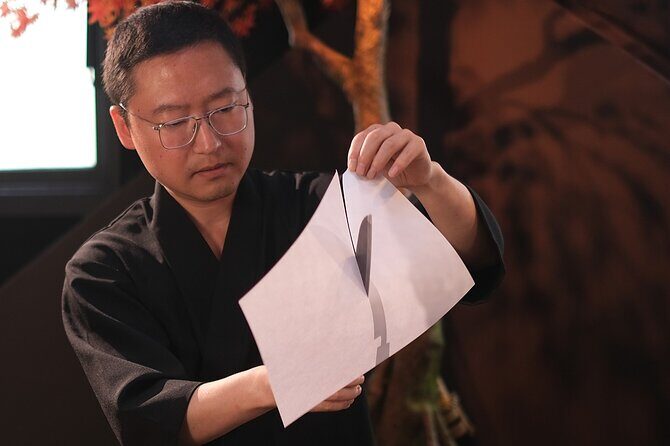
- Up to 6 people means you get real attention while you learn the motions
- Whetstones of different grits teach you how sharpness is built step by step
- Knife steel basics + sharpening theory help you understand what you’re doing
- Guided hands-on practice so you sharpen your own blade, not just observe
- Take-home results: your freshly sharpened knife becomes the keepsake
- Clement leads the experience with clear chatty instruction that keeps it fun
Knife Skills You Can Actually Carry Home in Kyoto
If you like travel experiences that stick with you after the photos are done, this one has a strong edge. You’re learning a skill that matters every time you cook. A sharper knife changes everything: safer cutting, cleaner slices, and less frustration with stubborn food.
The biggest value here is that it’s not a demo. You sharpen your own blade using whetstones of different grits, and the class is structured so you’re guided through the process. That turns the session into something practical. You can take what you learn back to your kitchen and keep improving, even if you’re not living in Kyoto.
And yes, the souvenir angle is real. You’re not taking home a mug or a postcard. You’re taking home an actually useful knife that you improved with your own hands. That’s the kind of keepsake that feels personal, not packaged.
A few more Kyoto tours and experiences worth a look

Meeting at Musashi Japan Kyoto Sanjo and Getting Rolling
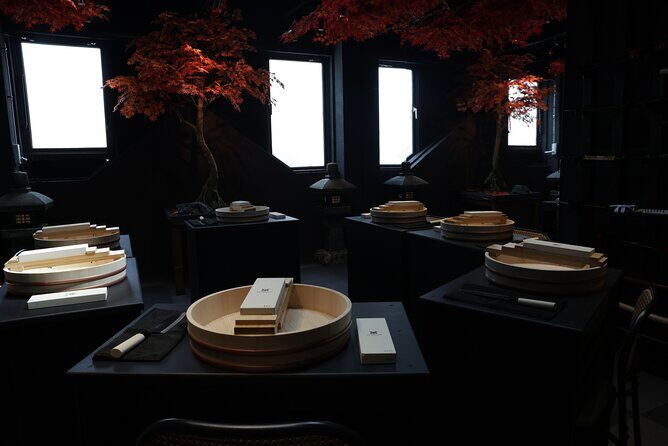
You’ll start at MUSASHI JAPAN 京都三条店 Knife Shop in Kyoto’s Nakagyo Ward, near public transportation. The location matters because it keeps the day easy to plug into a normal Kyoto itinerary. No marathon commute, no complicated transfers.
You also get a mobile ticket, which is one less thing to manage while you’re navigating trains and buses. And because the group is capped at six travelers, the class doesn’t feel like you’re one face in a crowd. You should be able to track the steps and get corrections when you need them.
Before you begin, you’ll be set up for a hands-on session. Since this is a sharpening class, plan to be present. This is not the type of activity where you can chat through most of it and then hope the instructions land later.
Your ~2-Hour Flow: History First, Then Real Sharpening
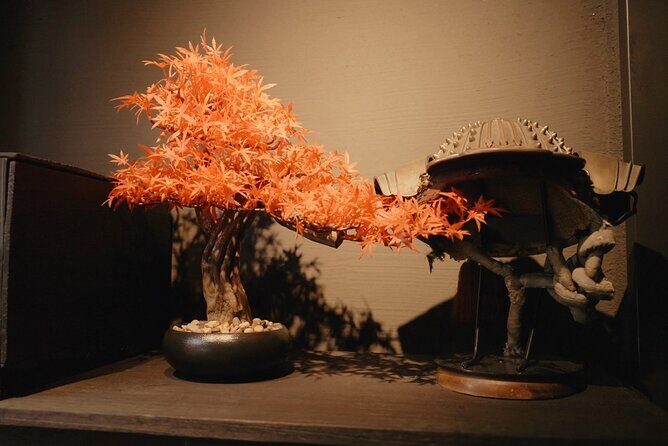
The session runs about two hours. That’s a comfortable length: long enough to learn a method and try it yourself, short enough to stay flexible in Kyoto.
The structure makes sense. You start with context—history of knives, plus steel types and sharpening theory. That part is useful even if you already own decent kitchen knives. It helps you understand what you’re looking for and why different steps exist. When you know the goal, the technique becomes easier to remember.
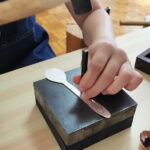
Then you move into the core part: whetstone sharpening. You’ll practice the method guided by instructors, and you’ll work through the sharpening process with supervision. By the end, you finish with the satisfying result of a sharpened knife you can take home.
If you’re the type of person who learns better with both explanation and action, this format fits you well. It’s the best kind of classroom: you’re not just hearing about sharpness—you’re manufacturing it.
Whetstones, Grits, and the Logic of Traditional Sharpening
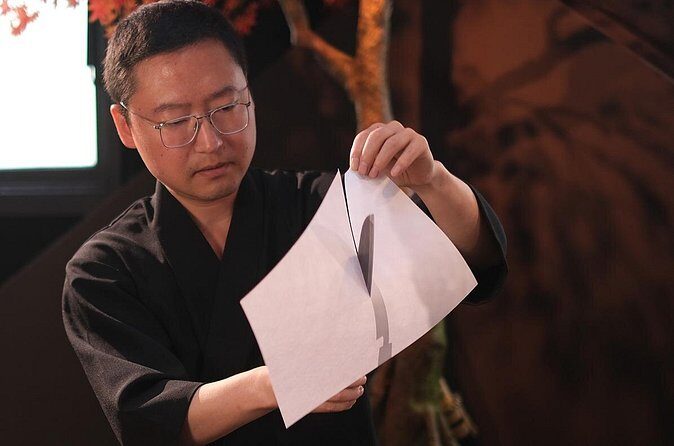
In many “knife” experiences, you only learn the final outcome. Here, you learn how sharpening works. The class focuses on using whetstones of different grits, which is where the magic happens.
Here’s the practical takeaway: grit levels are part of a system. Coarser stones are about shaping and removing material. Finer stones are about refining the edge and improving how it performs. Even if you don’t remember the exact grit name, you’ll understand what each stage is doing.
You’ll also learn about steel types. Different steels respond differently to sharpening, and the instructor’s theory helps you avoid the common mistake of treating every blade like it needs the same approach. That’s the kind of knowledge that saves you time later, especially when you try to maintain your edge at home.
The “why” matters. When you understand what the stone is doing to the edge, it’s easier to adjust your technique. And because you’re guided while you practice, you can connect each concept to what you feel with your hands.
Steel Types and Sharpening Theory That Helps You Improve Later
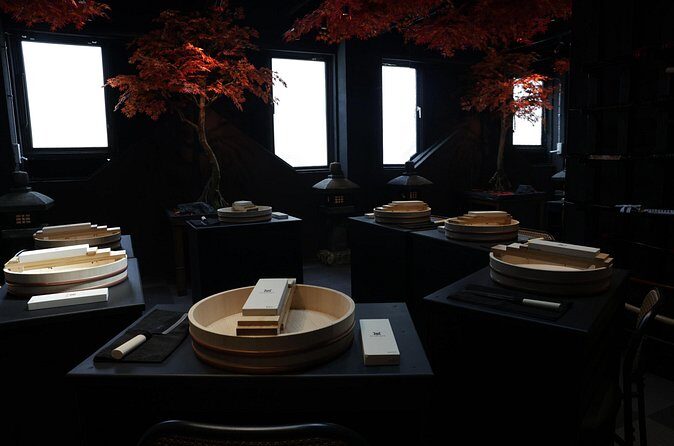
A lot of kitchen sharpening advice online is a mix of truth and guesswork. This class keeps you grounded in core principles: steel types, sharpening theory, and what changes at each step.
The goal is not just to make you finish the class with an edge. The goal is to make you more capable afterward. When you know what kind of steel you have and what the sharpening steps are trying to accomplish, you’re less likely to overdo it or underdo it.
One thing I really liked about the teaching I’d expect from an instructor like Clement is that the explanations stay tied to the task. In a good class, theory doesn’t float above your hands. It connects to what you’re doing right now—stone contact, angle, and the rhythm of your strokes.
That’s exactly what you want. You’ll leave with a sharper knife, but you’ll also leave with a more reliable way to think about the next sharpening session.




Sharpening Your Own Blade: Where Clement’s Coaching Really Matters
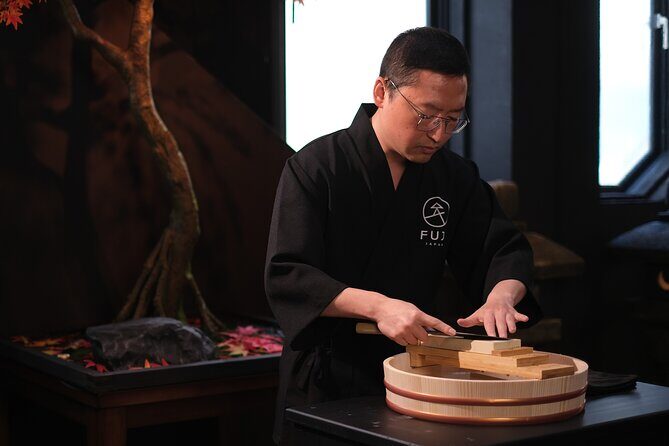
The reviews highlight how strong Clement’s leadership is, and I get why. Sharpening is one of those skills where tiny details matter. If your angle is off or your pressure is inconsistent, you can end up with uneven results. You need feedback.
This class gives you that feedback in a hands-on way. You sharpen your own blade, and the instructor supervision helps you correct technique while you’re still learning. That makes a huge difference versus watching someone else sharpen while you take notes that may not translate into real motion.
What you’ll likely find helpful is that it’s not just a one-time fix. You practice. Then you refine. That loop is how you build muscle memory without feeling lost.
Also, the pace is geared toward learning. Even when you’re doing the work, the instructor can chat and explain as you go. Clement is described as able to talk with you while teaching, which is exactly the kind of energy that keeps a technical class from feeling stiff.
The Kamo Onsen Area Stop: A Practical Kyoto Reset
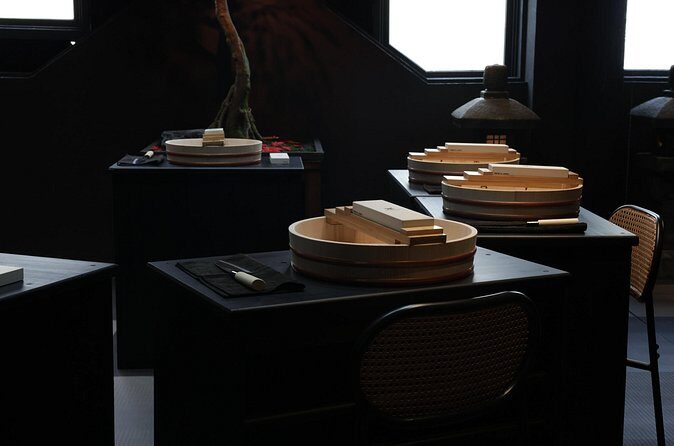
There’s a stop connected to Kamo Onsen. Without trying to turn it into a mystery tour, this part of the experience helps break up the day and gives you a quick sense of place in Kyoto. It’s useful because sharpening is intense and focused—so getting your bearings before you start can make the whole session feel smoother.
The key thing for your expectations: this isn’t sold as a long sightseeing detour. It’s more like a short Kyoto moment that ties the class to the neighborhood and helps you start the workshop feeling oriented.
If you’re visiting Kyoto and you want something “local” rather than generic, pairing sharpening with a Kyoto-area stop helps. It keeps the experience tied to the city’s everyday rhythm.
What You Take Home: A Fresh Edge and a Real Keepsake
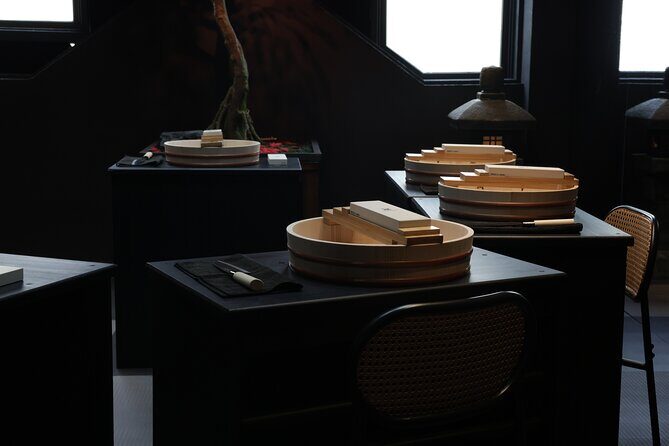
The best souvenir is always the one you’ll use. Here, you take home the knife you sharpened yourself, which turns the class into a practical memory. Every time you cut onions (with less of that fighting sound), you’ll remember your strokes and the lesson behind them.
This is also a meaningful kind of learning. You’re not just learning knife care in theory—you’re producing a result. That makes it easier to trust your own progress afterward, because you already know what a good edge feels like.
If you like cooking tools, you’ll appreciate the precision. If you like craftsmanship, you’ll appreciate the discipline. And if you simply want a Kyoto activity that doesn’t evaporate after the day ends, this is one of the stronger options.
Price and Value: Is $97.55 Worth It?
Let’s talk money. At $97.55 per person for about two hours, this isn’t a bargain-basement class. But it also isn’t overpriced in a way that feels silly.
Here’s where the value comes from:
- You get expert instruction focused on technique and sharpening theory
- You work with whetstones of different grits as part of the process
- You practice on your own blade with supervision
- You leave with a sharpened knife that you made sharper
For many activities in Kyoto, you pay for entry and atmosphere. This one is skills-based, with real equipment involved and close guidance. The group limit of six also hints at the care level. Smaller groups usually mean more practical coaching and fewer people waiting for attention.
If you already own a quality knife and you want to sharpen it correctly, the price starts to make sense fast. If you’re purely curious and don’t care about maintenance, it might feel like a lot. But if you cook, craft, or obsess over sharp edges in a healthy way, this is the kind of investment that pays off in your own kitchen.
Who This Class Is Best For (and Who Might Skip It)
This class is a great fit for:
- Cooking enthusiasts who want better cutting and safer handling
- People who respect tools and want to learn how they work
- Craftspeople or serious home cooks who like skill-building
- Travelers who enjoy hands-on workshops more than passive tours
It might not be the best match if you want a casual, low-focus activity. Sharpening takes attention and repetition. You’ll be working with technique, and you’ll want to stay engaged rather than multitasking.
That said, the experience notes say most travelers can participate. So unless you have a strong reason you can’t handle hands-on instruction, it’s worth considering.
Should You Book This Traditional Japanese Knife Sharpening Class in Kyoto?
I’d book it if you want a Kyoto activity that gives you something real: a skill, a sharper knife, and a souvenir you’ll use. Clement’s instruction style is a big selling point—chatty enough to feel human, structured enough to teach technique. Add the small group size and the fact that you sharpen your own blade, and you get an experience that feels personal.
I’d think twice if your priority is sightseeing first and workshops second. This is not built around long viewpoints or a photo parade. It’s built around technique and practice.
One more practical note: good weather is required, and the experience can be shifted or refunded if conditions are poor. If you’re planning tightly, it’s smart to keep your schedule flexible on the day you choose.
If you want a meaningful, skill-forward Kyoto moment with a take-home result, this class is a strong yes.
FAQ
How long is the Japanese knife sharpening class in Kyoto?
The experience runs for about 2 hours.
Where does the class start in Kyoto?
You’ll meet at MUSASHI JAPAN 京都三条店 Knife Shop in Kyoto (Nakagyo Ward), and the activity ends back at the meeting point.
Is the class limited to small group size?
Yes. The maximum group size is 6 travelers.
What’s the main thing you do during the class?
You learn sharpening basics and then sharpen your own blade using whetstones of different grits under instructor supervision.
Do you take anything home?
Yes. You take home the knife you sharpen during the session.
What’s the price per person?
The price is $97.55 per person.
Do I get a ticket on my phone?
Yes. It includes a mobile ticket.
What if the weather is bad?
The experience requires good weather. If it’s canceled due to poor weather, you’ll be offered a different date or a full refund.
Can I cancel for a full refund?
You can cancel up to 24 hours in advance for a full refund. Cancel at least 24 hours before the start time to get your money back.