REVIEW · TOKYO
Private Tour in Tokyo with English speaking driver
Book on Viator →Operated by Season for Tours · Bookable on Viator
Tokyo in your own car feels wonderfully personal. I love the convenience of a private English-speaking driver who handles the route and timing, and I love that the day is fully customizable, so you can build it around what you actually want to see. You also get the comfort of a modern, air-conditioned vehicle while visiting classic highlights like Senso-ji, Meiji Jingu, and Tsukiji.
One thing to plan for: a few add-on costs. Tokyo Skytree entry isn’t included, and lunch is on your own.
In This Review
- Key highlights you’ll feel on the day
- Why a private English-speaking driver changes everything
- How to plan your perfect 9 to 10-hour Tokyo route
- Senso-ji Temple and Asakusa street food: your first taste of old Tokyo
- Meiji Jingu Shrine with optional Yoyogi and Takeshita
- Shibuya Crossing: watching Tokyo from street level
- Ueno Park when you want space (and maybe cherry blossoms)
- Tsukiji Fish Market atmosphere and a realistic lunch plan
- The East Gardens of the Imperial Palace: Edo-era feeling without the rush
- Tokyo Skytree: one ticket line you’ll pay on site
- Value and price: $425 per group for up to 3
- The guide matters: Attary, Amjad, and Shan as examples
- Comfort and practical details that actually matter
- Should you book this private Tokyo car tour?
- FAQ
- FAQ
- How many people is the tour for?
- How long is the private tour?
- Is the itinerary fixed or can I change it?
- What entrance fees are included?
- Is lunch included?
- How much does Tokyo Skytree cost?
- What’s the cancellation and weather situation?
Key highlights you’ll feel on the day
- Private, English-speaking chauffeur for the full day, not just a guide at a few stops
- Fully customizable itinerary, with flexibility to adjust the order based on your interests
- A clean, modern, air-conditioned vehicle, plus highway tolls and fuel handled
- Top Tokyo icons grouped efficiently, from Senso-ji to Shibuya Crossing and Tsukiji
- Guide-led comfort and friendly guidance, with examples like Attary, Amjad, and Shan
- Tokyo Skytree costs extra on-site (you pay the admission fee directly)
Why a private English-speaking driver changes everything
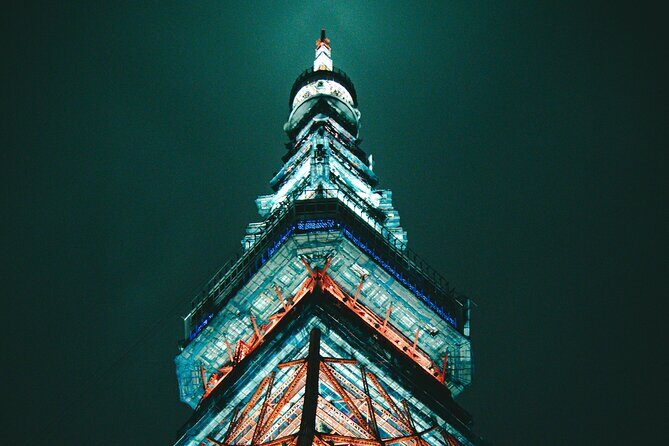
Tokyo is big. That alone makes a private day tour feel less like sightseeing and more like getting around. With a driver who speaks English, you’re not spending your energy figuring things out. You can focus on what you’re actually looking at—temples, shrines, markets, and city views.
I also like the tone of this setup. You get a private vehicle, so the day doesn’t feel like you’re being herded from one “must-see” to the next. Instead, your schedule can breathe. If you want more time at a shrine, you can ask. If you’d rather spend your energy shopping near a temple area or browsing food stalls at a market, you can do that too.
The vehicle part is practical: air-conditioning matters in summer, and a modern car makes long hours much easier. The tour includes highway tolls and fuel, which helps remove a layer of surprise costs while you’re on the move.
You can also read our reviews of more private tours in Tokyo


How to plan your perfect 9 to 10-hour Tokyo route
This is a full-day private tour running about 9 to 10 hours. That time window is long enough to hit several neighborhoods, but you still want a sensible plan. My best advice: think in “clusters,” then let your driver help with the order.
Here’s the logic that works well in Tokyo:
- Start with something iconic and high-energy early, when lines and crowds can feel more manageable.
- Mix one calm, spiritual stop with one lively street/food stop, so your day doesn’t feel monotone.
- Save a viewpoint or major skyline stop for when the lighting and weather cooperate, since visibility matters.
The tour’s big advantage is that you’re not locked into a rigid script. You can keep the built-in ideas (like Senso-ji, Meiji Jingu, and Shibuya Crossing) and still customize around your priorities. Optional pieces can help too—like adding Yoyogi Park and the Takeshita area walk, if you want that youth-fashion energy alongside the shrine.
Senso-ji Temple and Asakusa street food: your first taste of old Tokyo
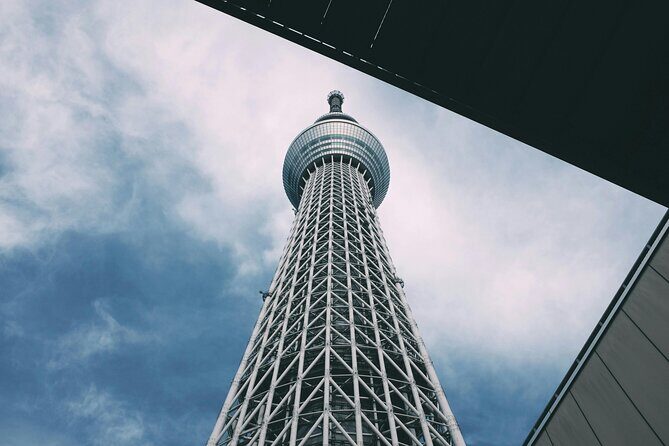
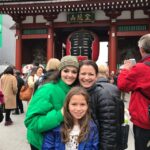
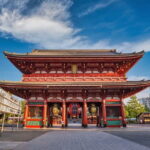
Senso-ji is one of the classic “old Tokyo” experiences. It’s famous for a reason: the temple area feels like a living neighborhood, not a staged attraction. You’ll have about an hour here, which is enough time to walk the main approaches, soak up the atmosphere, and still move on without feeling rushed.
This stop is also where street food makes sense. You’ll see snack options in the area, including popular mochi styles like dango and agemanju (deep-fried sweet bean filled mochi). If you’re eating on the go, Asakusa is a great place to do it because the food scene is right there while you’re walking.
Souvenirs are another practical win. If you want small gifts—something easy to carry, easy to gift—this temple area is built for that kind of browsing.
Value check: the temple admission here is free, so you’re not burning budget before you even get started.
Meiji Jingu Shrine with optional Yoyogi and Takeshita
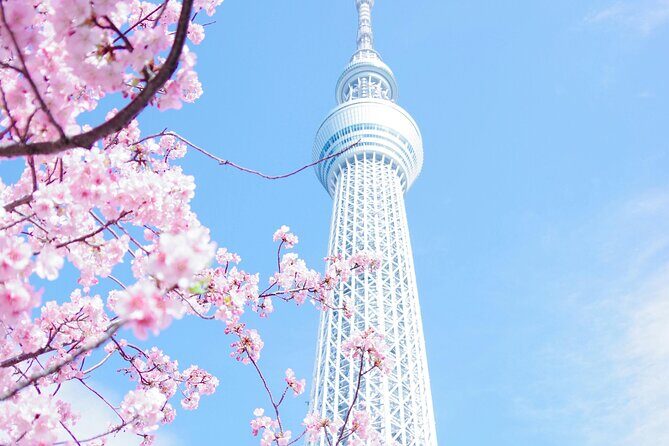
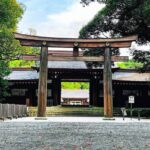
Meiji Jingu is a different mood from the Senso-ji area. Instead of the older temple streets, you get a major shrine experience with a strong sense of space and ceremony. It’s dedicated to Emperor Meiji and Empress Shoken and was completed in 1920, so you’ll also get that feeling of a landmark tied to modern Japan’s identity.
You’ll have about an hour, which is plenty for the main shrine walk and time to slow down. The optional add-ons can also help you stitch together a fuller day:
- Yoyogi Park if you want open-air calm
- Takeshita walking street if you want compact, youthful shopping energy
If you’re the kind of traveler who enjoys contrasts—old versus modern, temple calm versus trend-focused streets—this is an easy pairing. And because it’s private, you can say how much you want of each.
Shibuya Crossing: watching Tokyo from street level
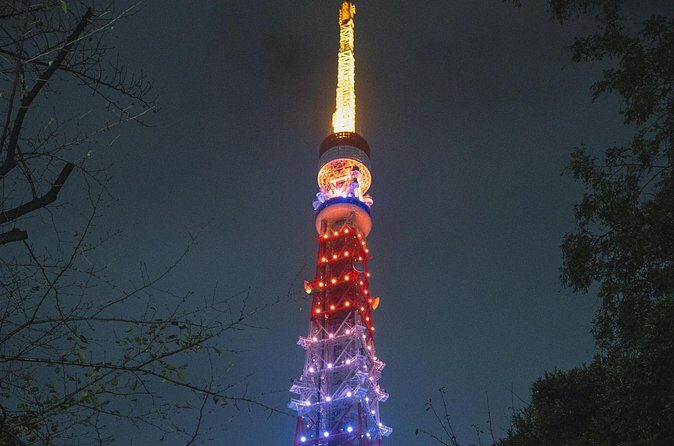
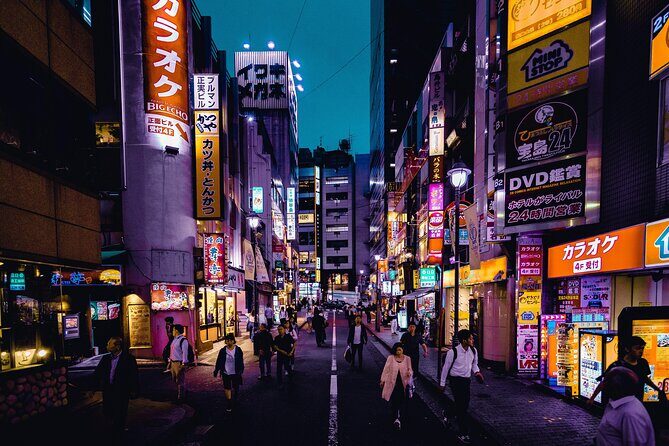
Shibuya Crossing is one of those places you’ve seen in movies and photos. Seeing it in person is still its own experience because it’s not just a view—it’s motion. You’ll spend about an hour here.
This is a good stop for two reasons:
- It’s easy to recognize fast, so you’re not spending your time “figuring out” where you are.
- It works as a break point in your day, after temples and before market time, because it resets the energy.
It’s also a natural spot to take photos and just watch how people move through the intersection. If you’re curious about pop culture references, this area has shown up in well-known films—so you’ll likely feel that familiarity while you’re standing there.
A few more Tokyo tours and experiences worth a look

Ueno Park when you want space (and maybe cherry blossoms)
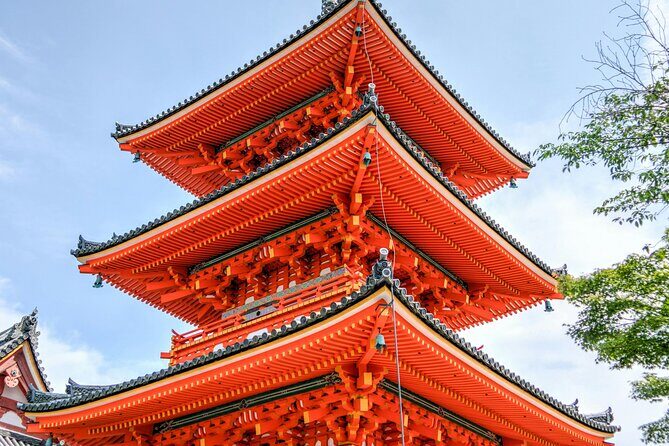
Ueno Park is a big one. Even if you don’t hit cherry blossom season, the park setting gives your day a breather. The tour includes an option to include it in your custom itinerary, with about an hour if you choose.
If you’re traveling in spring, it’s especially relevant because the park is famous for cherry blossom. Even if you’re not there for blossoms, it’s still a useful stop if you want green space and a more relaxed pace between dense city areas.
Practical tip: if you’re aiming for certain seasonal photos, ask your driver about what time of day makes the most sense after you confirm the route.
Tsukiji Fish Market atmosphere and a realistic lunch plan
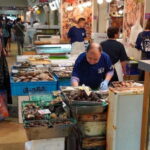
Tsukiji’s outer market area is a classic Tokyo food zone. You’ll get about an hour there, and that hour is best used for walking and sampling rather than treating it like a single “sit-down lunch” place.
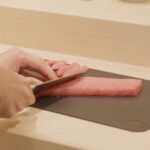
The atmosphere is the point. There are many stalls and counters, and you’ll see options serving both raw and cooked fish. If you don’t eat seafood raw, you still have plenty of choices among the cooked items.
This stop is also where you can solve your lunch question in a way that feels local. Since lunch isn’t included, Tsukiji gives you a straightforward way to handle food without scheduling a separate restaurant reservation.
Budget note: since lunch is on you, I’d plan for at least one paid snack or meal here. It’s worth it because you’re not just eating—you’re eating in the middle of one of the world’s most famous market scenes.
The East Gardens of the Imperial Palace: Edo-era feeling without the rush
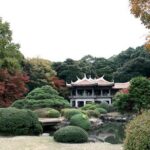
The East Gardens of the Imperial Palace (also described as Edo Castle Ruin) is a calmer, more reflective stop. You’ll have about an hour, and the experience is about feeling the atmosphere of earlier eras while surrounded by green space.
This is a smart inclusion if you’ve been going hard on busy districts. It changes the tempo of your day. Instead of crowd-watching and snack-stopping, you’re walking through a historically tied area and getting that sense of “place” in the center of Tokyo.
Admission for this stop is listed as free, which helps you keep the total cost predictable.
Tokyo Skytree: one ticket line you’ll pay on site
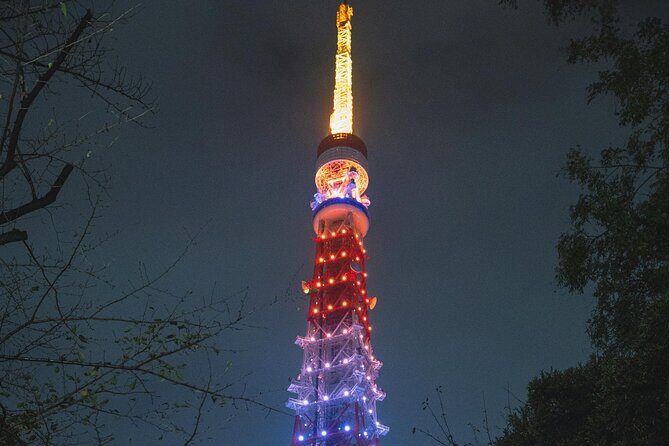
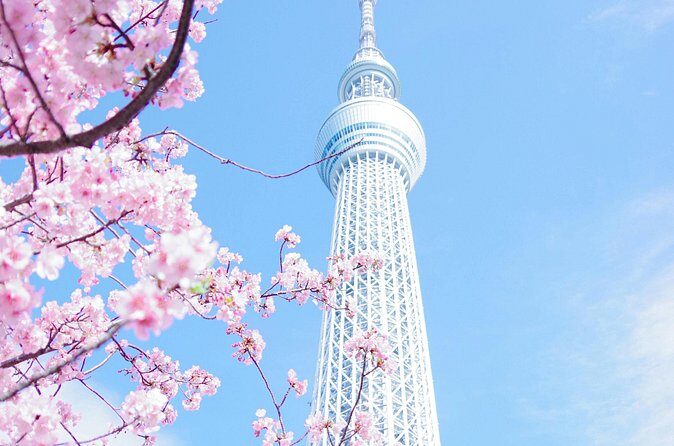
Tokyo Skytree is optional within the tour flow, but it’s listed as a stop. When you include it, entry fees should be paid on site: ¥2,700 per person.
This is the main extra cost you should plan for. If you’re traveling as a group of up to 3, the total can add up fast, so it’s worth deciding early whether the tower view is a must.
Also keep expectations practical. Since it’s a paid add-on, treat it like your “big show” moment of the day. If you care about photos, plan your time here carefully so you’re not rushing at the end of the route.
Value and price: $425 per group for up to 3
The price is $425.00 per group, up to 3 people. That’s the key detail that makes this tour potentially good value: you’re paying for a private vehicle and an English-speaking driver, not per person.
If you’re traveling solo, it can feel pricey compared with joining a shared bus tour. But if you’re a small group—two or three—this kind of private setup often starts to make more sense because the cost per person drops, while your comfort and flexibility increase.
Also look at what’s included:
- Air-conditioned vehicle
- Private transportation
- Highway tolls
- English-speaking driver
- Clean, modern vehicle
- Petrol and gas
What’s not included is the usual stuff: lunch, plus the Skytree ticket if you choose it. If you like temple-and-market Tokyo but don’t want to spend your day wrestling transit, you’re basically paying to turn Tokyo logistics into an easy, guided plan.
The guide matters: Attary, Amjad, and Shan as examples
The private-driver experience rises or falls on the person in the front seat. The good news is that this tour style supports flexibility, and the driver factor can really shape the day.
I’ve seen examples of guides like Attary, Amjad, and Shan being praised for being friendly, knowledgeable, and genuinely helpful. In practical terms, that means:
- you can ask for adjustments
- you can get useful context while you’re walking through each area
- the route can feel smoother because someone local is managing the movement through the city
Even if you don’t care about storytelling, having a guide who can communicate clearly makes the day less stressful. And if you do enjoy history and city context, the driver’s explanations can turn standard photo stops into something you remember.
Comfort and practical details that actually matter
A few included touches make this tour easier to enjoy:
- Pickup is offered, which saves you the hassle of meeting at a far-off point
- You get a mobile ticket
- The vehicle is air-conditioned and described as modern and clean
- It’s private, so only your group participates
Service animals are allowed, and the tour says most travelers can participate. It’s also noted as being near public transportation, which can matter if you need a simple backup plan for meeting points.
One more small planning thought: because the tour runs most of the day, I’d wear comfortable walking shoes. Even in a car-based tour, you’re still walking through temple grounds, market lanes, park paths, and the areas around big intersections.
Should you book this private Tokyo car tour?
Book it if you want a Tokyo day that feels like your day. This is a strong fit if you’re traveling with 2–3 people, care about comfort, and don’t want to spend time figuring out trains and transfers. The combination of major landmarks—Senso-ji, Meiji Jingu, Shibuya Crossing, Tsukiji, and the Imperial Palace East Gardens—works well when you can choose the order and tailor the mix.
Skip it (or scale back expectations) if the idea of paying extra on top for Tokyo Skytree, plus lunch, feels like a budget stretch. Also, if you love jumping on public transport and enjoy the challenge of DIY navigation, you may not feel the value as strongly.
FAQ
FAQ
How many people is the tour for?
It’s priced per group and fits up to 3 people.
How long is the private tour?
The duration is approximately 9 to 10 hours.
Is the itinerary fixed or can I change it?
It’s fully customisable, so you can choose what you want to do during the day.
What entrance fees are included?
Admission is free for several listed stops, but Tokyo Skytree entry fees are not included.
Is lunch included?
No, lunch is not included.
How much does Tokyo Skytree cost?
Tokyo Skytree entry is ¥2,700 per person, paid on site.
What’s the cancellation and weather situation?
You can cancel for a full refund up to 24 hours in advance. The experience requires good weather, and if it’s canceled due to poor weather you’ll be offered a different date or a full refund.
If you tell me your travel dates and who’s in your group (1, 2, or 3 people), I can suggest a smart way to decide whether Tokyo Skytree is worth the extra cost for your day.