REVIEW · FUKUOKA
Fukuoka: Customized Private Tour
Book on GetYourGuide →Operated by SMEKK Inc. · Bookable on GetYourGuide
Fukuoka can feel like a city with a secret back door. This customized private tour gives you local context fast, plus a plan that bends to what you care about. I especially love the way your guide slows things down for real walking time and the local-life details you don’t get on standard group routes. The main drawback: you’ll still need to budget for food, rides, and any entry fees, since they aren’t included.
What makes this one work is the human touch. Guides like Mercedes, Keita, Kimiko, Kata, and Kumiko show up on time and tune the day based on your requests, even adjusting when weather turns. If you want a rigid checklist of famous sights only, this flexible approach may feel like less of a sure thing—but if you like tailoring, it’s the whole point.
Fukuoka sits on Kyushu’s southern pulse, split by the Naka River into older Hakata and the wider city beyond. Add parks, temples, and everyday shopping streets, and you get a place where heritage and modern life share the same sidewalk.
In This Review
- Key highlights you’ll feel during the day
- Fukuoka’s two sides: Hakata and the Naka River (why your route matters)
- Your guide customizes the day before you even meet
- How the 3 to 6 hours usually feel on the ground
- Walking through local life instead of just photographing landmarks
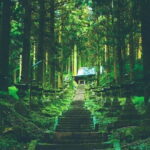
- Green spaces that reset your brain: Ohori Park and beyond
- Temples, heritage corners, and shopping streets that feel lived-in
- Food culture: ramen is famous, but the fun is in the detours
- Weather changes: the day should flex, not fall apart
- Price and value: what $48 per person buys you
- Who this tour fits best (and who might skip it)
- Logistics that matter on day one
- Should you book this customized private tour in Fukuoka?
- FAQ
- Where is the meeting point?
- How long is the tour?
- Is this tour private?
- What languages are available?
- Does the tour run in bad weather?
- What’s included in the price?
- Are food, transportation, and entry fees included?
- Will the provider contact me before the tour?
- Can I cancel for a refund?
Key highlights you’ll feel during the day

- A private itinerary that adapts to your interests, not a one-size route
- Real neighborhood walking that connects Hakata, the port side, and everyday local life
- Green space time, with Ohori Park showing up in multiple routes
- Culture moments your guide can weave in (including tea ceremony options in the park)
- Guide-led problem solving, like changing plans quickly when rain hits
- Food culture support, including practical help getting to places like Kona’s Coffee
Fukuoka’s two sides: Hakata and the Naka River (why your route matters)
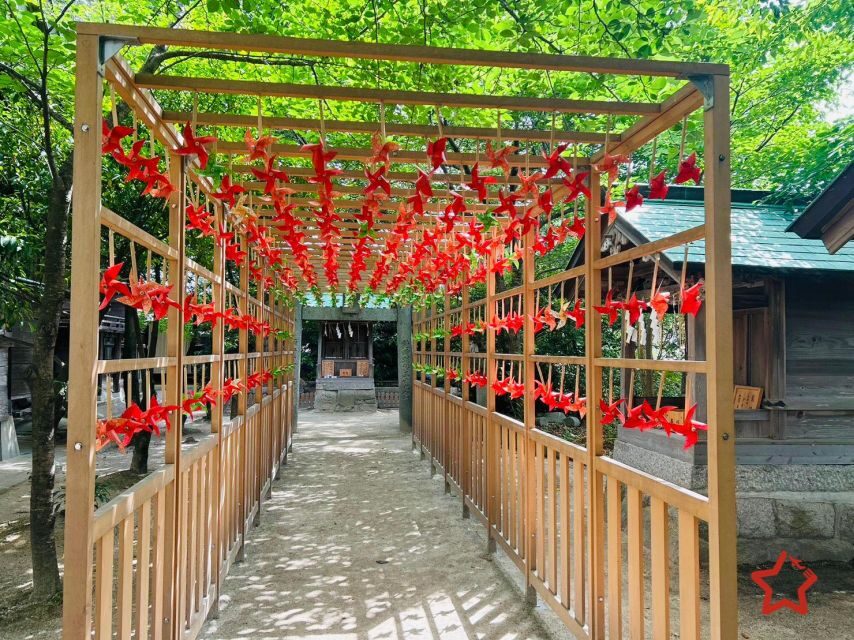
Even before you start walking, Fukuoka’s layout sets you up for a better day. The city is divided by the Naka River, and Hakata is the older eastern section—the port-and-commerce side that helped connect Japan with Kyushu and beyond.
In a group tour, you might skim over this and just move from one “thing” to the next. On a private tour, your guide can explain why certain streets, buildings, and city corners feel different depending on which side you’re on. That context makes the walking far more satisfying, because you start reading the city instead of just passing it.
If you’re the type who likes to understand how a city works—economically, historically, and socially—this structure is a win. And if you don’t care about theory, you’ll still enjoy how it helps you choose what to linger on.
You can also read our reviews of more private tours in Fukuoka

Your guide customizes the day before you even meet
The tour staff contact you within 5 days to talk through what you want to do. That matters because Fukuoka can go in several directions fast: you can chase landmarks, focus on parks and slower streets, or aim for food and everyday culture.
The guides in the reviews show a clear pattern: when something clicks with your interests, they’ll try to make it happen without turning your day into a stressful schedule. Mercedes and Keita-style energy shows up again and again—passionate explanations, good English, and a clear commitment to making the time feel personal.
Practical tip: when you reply with your preferences, include what you don’t want. If you say no to crowds, they can steer you toward calmer neighborhoods or parks. If you’re focused on food, they’ll plan the pacing so you’re not constantly rushed.
How the 3 to 6 hours usually feel on the ground
This tour runs 3 to 6 hours, and the private nature means the day doesn’t have to follow a strict template. In the real world, that flexibility looks like pacing—slower when you’re curious, faster when you’re on a mission.
A common flow you’ll likely experience (depending on your interests) goes like this:
- Start in the downtown core and orient you on foot. You meet at Mister Donut, with staff holding a Stars Japan Travel sign. Then you walk so your guide can show you how the streets function in everyday life.
- Transition toward heritage and standout sights. Fukuoka’s mix of old temples and city parks is a big part of the appeal. Your guide can pick which area fits your tastes and walking comfort.
- Plan a green-space pause. Many routes include places like Ohori Park, where you can breathe and slow down.
- Add a culture or food stop if it matches your goals. You might see examples like a tea ceremony in the park on some itineraries, or a guided food detour tied to your cravings.
- Finish with time for shopping streets or a relaxed wrap-up. Fukuoka’s shopping areas show the city’s modern side without feeling like you’re trapped in a mall.
One consideration: since you’re customizing, the “shape” of the day can shift more than a fixed group tour. That’s not bad—just know you’ll be co-authoring your schedule.
Walking through local life instead of just photographing landmarks
This is where the private format pays off. You’re not simply looking at Fukuoka; you’re walking with someone who knows what locals actually use.
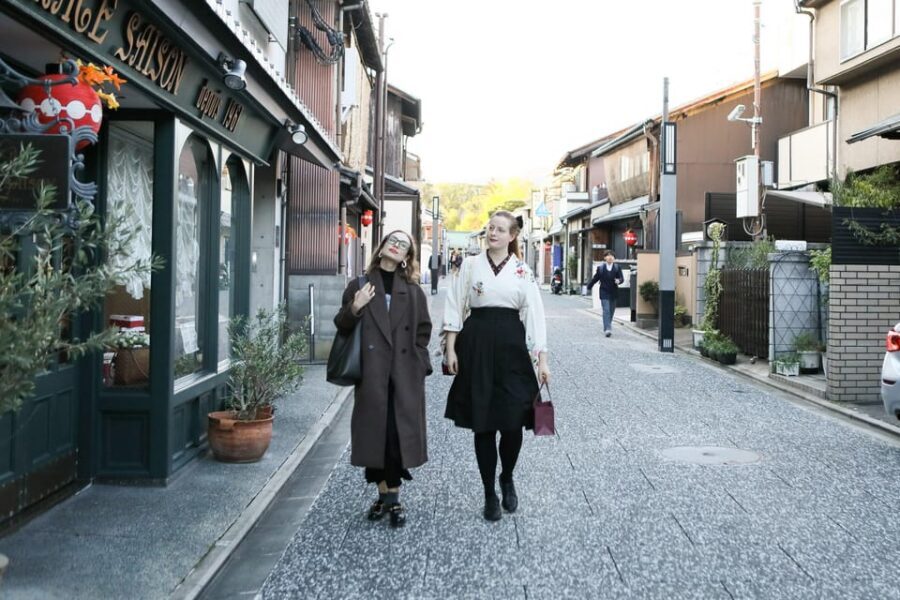
The highlights promise suburban areas and hidden places that locals know about. In practice, that means you spend time on ordinary streets where history still shows up in small ways—street-level details, building styles, and how people move through the city.
One review stands out for the kind of day you can get: Keita and Kimiko used a van to reach seaside and inaka spots that wouldn’t normally be on a tight tourist checklist. Even if your route stays more central, the underlying idea is the same: you’re trading generic stops for places that feel like you found them, not like you got herded there.
If you’re traveling with someone who gets impatient with walking, plan your priorities early. Tell your guide what kind of walking you’re comfortable with, and they can balance city blocks with park time.
Green spaces that reset your brain: Ohori Park and beyond
Fukuoka is often praised for food, but the day’s pacing feels better when you add nature. Ohori Park shows up in real routes—plus it’s the kind of place where you can understand how locals use the city outdoors.
In reviews, guides paired Ohori Park with cultural highlights like ACROS Fukuoka. That combo works because it gives you two textures: calm grounds for walking and thinking, then a more structured city landmark where you can see how Fukuoka built modern cultural space around older surroundings.
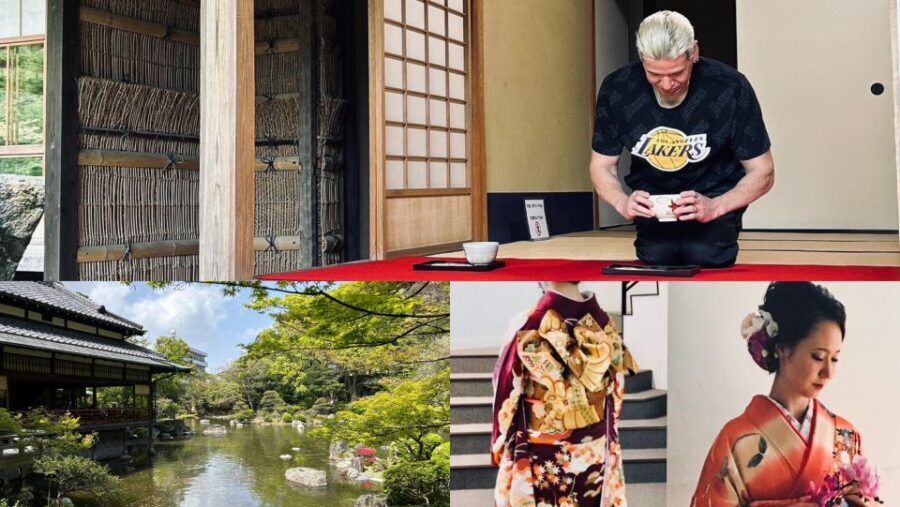
Also, some itineraries include a tea ceremony in the park. You don’t have to be a tea expert to enjoy this. The value is context: your guide can explain what you’re seeing while you’re actually standing there, not just reading a plaque.
Potential drawback: if your main goal is nonstop must-see sights, park time can feel like a “break” rather than progress. I like it because it turns the tour into a real day instead of a sprint—but be honest about your style.
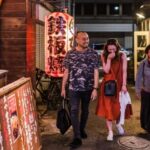
Temples, heritage corners, and shopping streets that feel lived-in
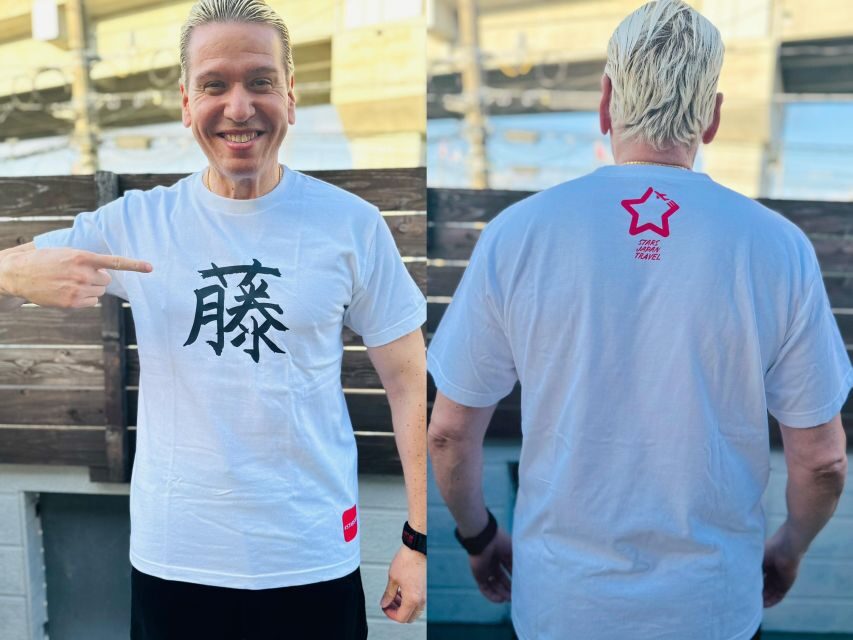
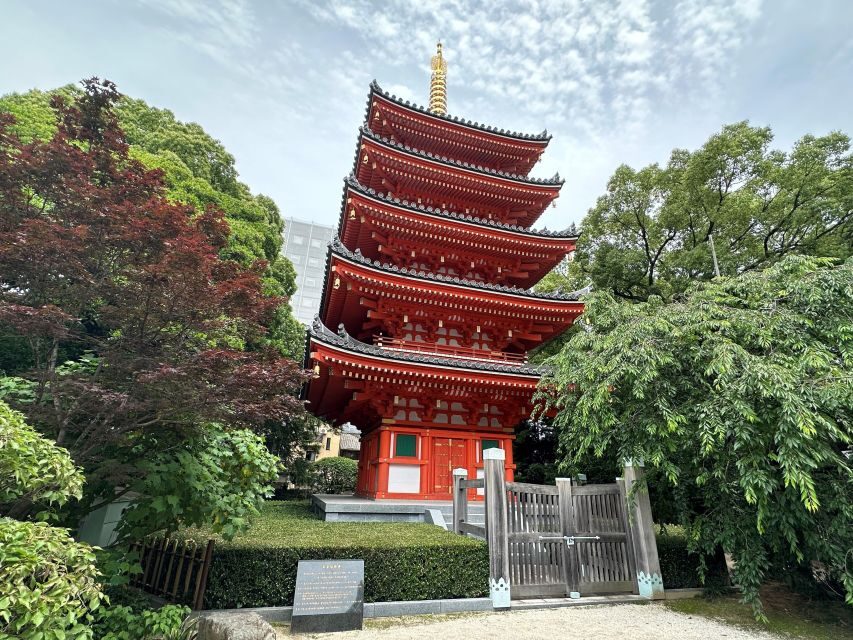
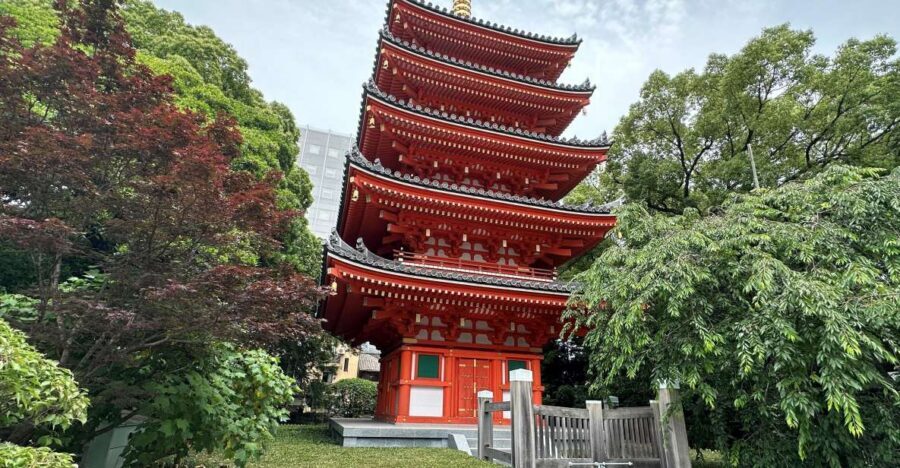
The tour description calls out ancient temples, parks, and shopping destinations, and that blend is exactly what makes Fukuoka interesting. You can learn history without feeling like you’re trapped in a museum.
During the walk, your guide can point out what makes these spaces matter—how religious sites shaped neighborhood life, why certain areas became commerce centers, and how the modern city keeps overlapping with the older one.
On the shopping side, the best part of having a guide is that you don’t have to guess what’s worth your time. In a city known for food culture, this matters even if you don’t plan on a formal meal. You can browse, snack, and understand what locals reach for.
If you’re traveling during limited hours for shops or markets, tell your guide when you want to shop. Private time is precious, and your guide can steer you toward what’s open and worth it.
Food culture: ramen is famous, but the fun is in the detours
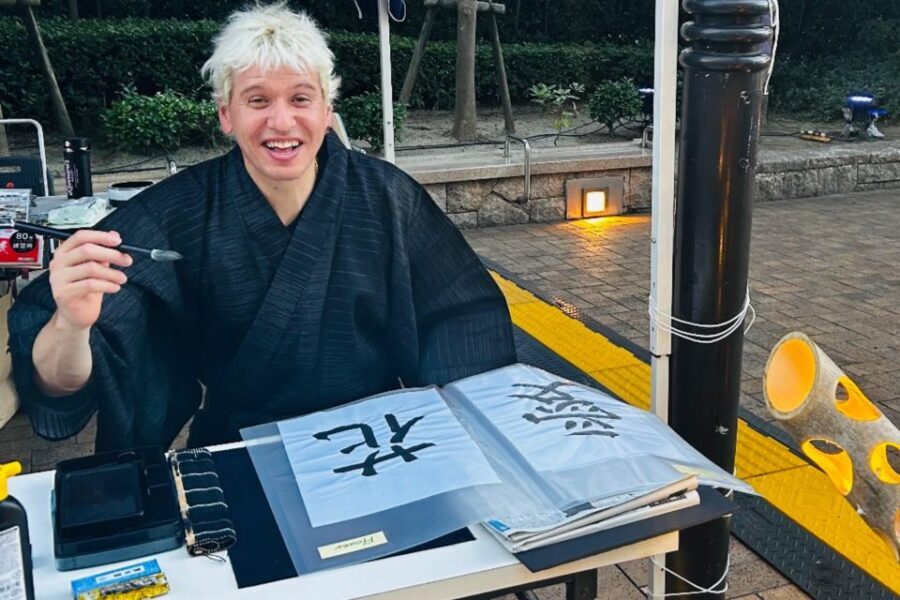
Fukuoka is known for ramen, and the tour framework supports food culture. But the real payoff is how your guide turns food interest into a smooth plan.
One review example: Mercedes helped route a stop to Kona’s Coffee after a quick mention of a craving. The guide simply took the idea and worked it into the day, so the tour became more than sightseeing—it turned into a personal itinerary built around what made the trip feel special.
Because food and drinks aren’t included, you control the budget. But the guide can still help you avoid the common problem of arriving somewhere hungry and then spending 30 minutes figuring out the logistics. That’s why these food detours often feel like magic in the moment: you get the taste, plus you don’t lose your momentum.
Practical approach for you: decide your food priorities—one main meal versus snacks—and share that with your guide. If you love variety, ask for a plan that includes a quick tea or dessert stop and still leaves room for a walk.
Weather changes: the day should flex, not fall apart
This tour runs rain or shine, so weather is part of the deal. The good news: the guides clearly handle it with confidence.
In one account, Mercedes and Keita changed plans quickly to avoid the worst of the rain. That’s more than a minor adjustment—it can save your whole day from turning into cold frustration. A private guide can rewrite priorities on the fly: shorter outdoor segments, more sheltered areas, or swapping the order of parks and landmarks.
If you’re planning to visit during the rainy season, dress for quick changes: bring a compact umbrella or light rain layer. The tour will keep going, but you’ll enjoy it more when you’re comfortable.
Price and value: what $48 per person buys you
At $48 per person for 3 to 6 hours, this can be excellent value, mainly because you’re buying three things:
- A guide’s time focused on you, not a big group timeline
- Flexible planning that responds to your interests and constraints
- Local navigation on foot, plus help shaping what to see and where to pause
The trade-off is what’s not included: food and drinks, transportation, and entry fees. So the real cost depends on your style. If you plan to eat meals and enter museums/paid attractions, your total day cost will rise.
Still, even with those extras, private local guidance often saves money indirectly by preventing detours and unnecessary transit. If you’re the type who wants to spend money on experiences instead of wasting time figuring things out, this price makes sense.
Who this tour fits best (and who might skip it)
I’d point this tour toward you if:
- You want a tailored day and don’t want a rigid itinerary
- You like walking but also want the option to slow down in parks
- You care about local context—how the city works and why places matter
- You want culture moments like tea ceremony options or heritage explanations
I’d think twice if:
- You only want a checklist of famous sights and you dislike flexibility
- You’re not planning to spend on food or transit, since the tour doesn’t include those costs and your guide may still need logistics handled
- You expect the tour to be purely indoor, even though it operates rain or shine
Logistics that matter on day one
You meet at Mister Donut with staff holding a Stars Japan Travel sign. This is helpful in a city where “generic downtown” can be confusing.
The tour is a private group, and the guide language support is English and Japanese. The experience is also marked as wheelchair accessible, so it’s designed with mobility needs in mind.
Good to know: the schedule may be modified. That’s usually a smart move when weather or timing shifts, but it reinforces the value of the customization process.
Should you book this customized private tour in Fukuoka?
Book it if you want Fukuoka to feel personal—like you’re spending time with someone who knows the city’s rhythm. The best parts here are the flexibility, the strong guide energy you see across names like Mercedes, Keita, Kimiko, Kata, and Kumiko, and the way the day can include both landmarks and park time without feeling like a rushed checklist.
Skip it if you strictly prefer fixed, famous-sights-only tours where you never have to decide anything. Also consider your budget: because food, transportation, and entry fees aren’t included, plan for those extras so the final day cost matches your expectations.
If you want a day that balances history, green space, and practical local advice—this is a very solid bet.
FAQ
Where is the meeting point?
You meet tour staff in front of Mister Donut. They’ll be holding a Stars Japan Travel sign.
How long is the tour?
The duration is 3 to 6 hours, depending on the starting time availability and your plan.
Is this tour private?
Yes. It’s a private group tour with a live guide.
What languages are available?
The live tour guide is available in English and Japanese.
Does the tour run in bad weather?
Yes, it takes place rain or shine.
What’s included in the price?
Included are a local guide, a city walking tour, and flexible tour planning.
Are food, transportation, and entry fees included?
No. Food and drinks, transportation, and entry fees are not included.
Will the provider contact me before the tour?
Yes. You’ll be contacted within 5 days of booking to discuss what you want to do and help create your itinerary.
Can I cancel for a refund?
Yes. You can cancel up to 24 hours in advance for a full refund.