REVIEW · TOKYO
Mount Fuji Full Day Tour form Tokyo Lake Kawaguchi & Yamanaka
Book on Viator →Operated by F Trip · Bookable on Viator
Fuji day trips have one job: beat the logistics. This one strings together the key viewpoints around Mount Fuji with Tokyo transfers and a packed-but-manageable schedule. I love how you get a clear plan for a long day—so you spend less time figuring out buses and more time looking up at the mountain.
What I like most is the mix of classic Fuji sights plus quick photo hits: Oshino Hakkai for the spring-water world heritage vibe, and Arakurayama Sengen Park for the iconic pagoda view. One consideration: the route is full, and most stops are 15–25 minutes, so if you want to linger, you’ll need a bit of extra patience.
In This Review
- Key Things You’ll Notice on This Mount Fuji Tour
- Why This Mount Fuji Day Trip Works When You Only Have One Day in Tokyo
- Morning Start From STAND TJapan: Getting Out of Tokyo Without Stress
- Lake Yamanaka: A Peaceful Start at Swan Lake
- Oshino Hakkai: World Heritage Springs and Free Water
- Lake Kawaguchiko: The Fuji Viewpoint Where Angles Multiply
- Oishi Park: Seasonal Flower Frames for Fuji Photos
- Arakurayama Sengen Park: The Chureito Pagoda Shot Everyone Wants
- Arakura Fuji Sengen Shrine: Quick Temple Time With Old Roots
- Fujiyoshida Retro Shopping Street and the Stairway-to-Fuji Feel
- The Lawson Fujikawaguchiko Blue Facade: A Fast Instagram-Style Frame
- Price and Logistics: What $60.90 Gets You (and What It Doesn’t)
- How Long Stops Feel in Real Life (Pacing Tips That Help)
- Should You Book This Mount Fuji Full Day Tour?
- FAQ
- How long is the Mount Fuji full day tour?
- Where does the tour start in Tokyo?
- What time does the tour start?
- Is lunch included?
- What stops are included?
- Are admission fees included?
- Is the ticket mobile?
- How big is the group?
Key Things You’ll Notice on This Mount Fuji Tour
- Tokyo-to-Fuji transfers keep the day simple from start to finish.
- A tight lineup of eight stops gives you many angles on Mount Fuji.
- Many sights are free to enter, so your money goes to transport, not admission.
- Arakurayama Sengen Park + Chureito Pagoda is built in as a big-photo moment.
- You’ll spend a lot of time on the ride, but it’s in an air-conditioned vehicle.
- The group can be up to 48 travelers, so times can feel brisk at photo spots.
Why This Mount Fuji Day Trip Works When You Only Have One Day in Tokyo
If you’re basing yourself in Tokyo, a Mount Fuji day trip can turn into a DIY headache fast. You either chase multiple train changes, or you pay extra for separate mini-tours that each cover one corner of the Fuji area. This tour cuts that chaos by handling the driving and sequencing for you, with pick-up and drop-off back at the start point in Tokyo.
You also get value from the way the day is structured. The schedule is designed to hit a spread of viewpoints—lakes, traditional springs, and the famous pagoda angle—so you’re not stuck repeating the same view twice. At about 10 hours, it’s long enough to feel like a real day out, but not so long that it turns into a travel blur.
And yes, you’re paying $60.90 per person, which is modest for a full-day guided transfer with included fees and taxes. Lunch isn’t included, but you do avoid the hidden costs that pop up when you stitch together your own transport plan.
A few more Tokyo tours and experiences worth a look

Morning Start From STAND TJapan: Getting Out of Tokyo Without Stress
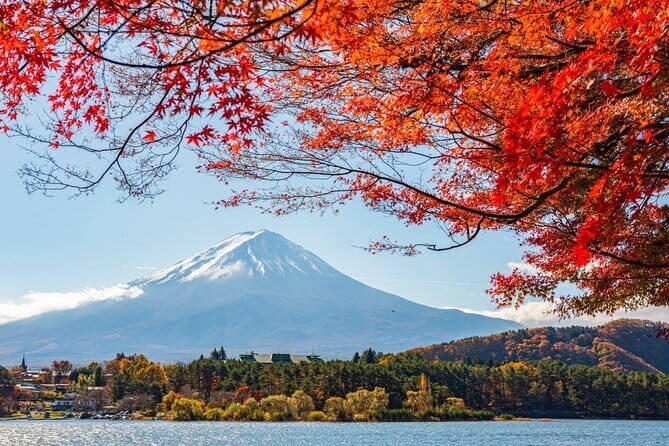
The day begins at 8:00 am at STAND TJapan, located in Marunouchi (Tokyo, Chiyoda City). This matters because Fuji-area trips are time-sensitive. The earlier you leave, the more likely you are to catch workable visibility before the sky decides otherwise.
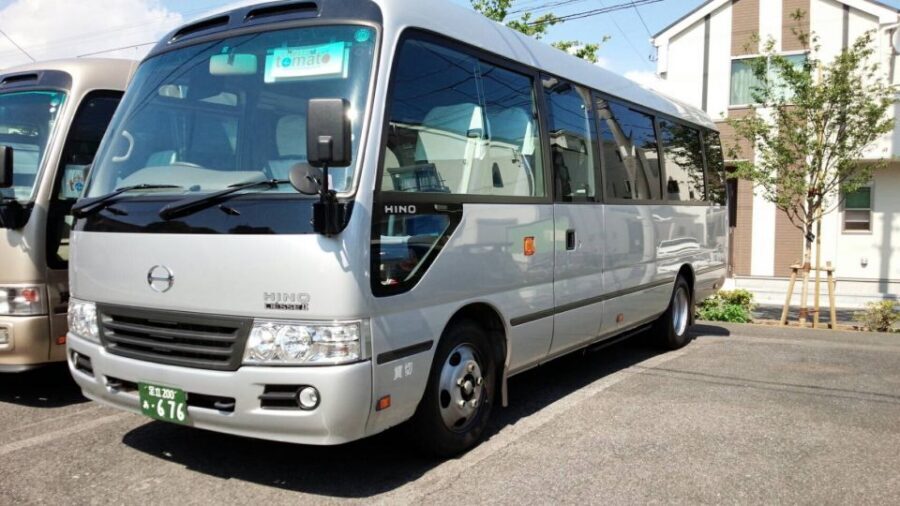
The tour includes an air-conditioned vehicle, so you’re not stuck sweating through the long outbound drive. You’ll also move in a group of up to 48 travelers, which sounds big—but when the schedule is organized and stops are short, it can still feel efficient rather than crowded chaos.
If you’re traveling with a stroller or large luggage, you’ll want to note that when booking so the team can plan accordingly. That little step can make the difference between an easy day and a day where you’re managing bags in tight spaces.
Lake Yamanaka: A Peaceful Start at Swan Lake
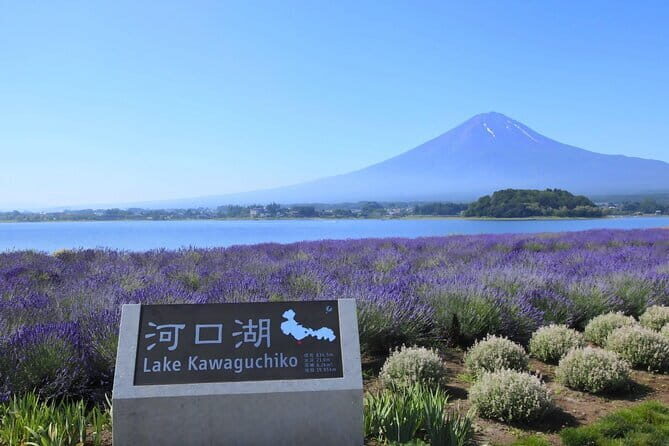
Your first stop is Lake Yamanakako, often called Swan Lake. You’re there for about 25 minutes, and the emphasis is on calm, walking-friendly viewing rather than big museum-style time. The vibe is simple: stroll, enjoy the quiet water, and take in those classic Fuji-and-lake compositions when conditions cooperate.
This is a good “starter” stop because it doesn’t demand fast decisions. If Fuji is being shy, you still get a nice setting to orient yourself and settle into the day. The fact that admission is listed as free also means you’re not paying to enjoy the view.
What to watch for: 25 minutes is enough for a quick walk and photos, but it’s not enough for a long loop. If you like to wander slowly, keep an eye on your group timing and don’t drift too far.
Oshino Hakkai: World Heritage Springs and Free Water
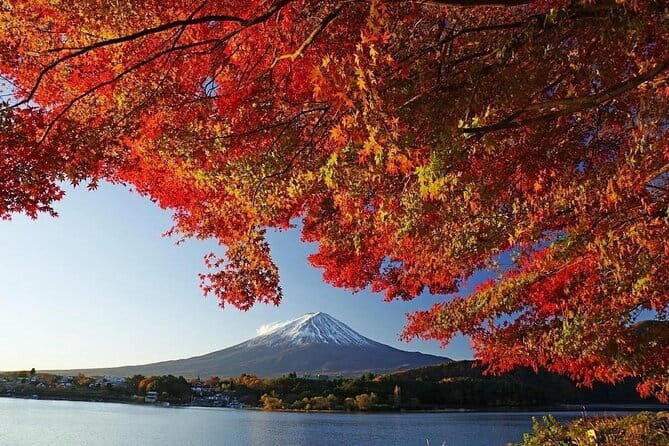
Next up is Oshino Hakkai, a World Heritage Site known for eight clear springs fed by snow melt from Mount Fuji. This stop runs about 1 hour, and it’s one of the more story-driven parts of the day—Japanese geography turned into something you can actually taste and see.
The practical perk here is that you can sample the spring water for free. That’s a rare bonus in Japan tourism: you get to do something tangible, not just look at a sign and move on. The springs are visually striking too, with that clear, cold-looking water quality that makes photos look crisp.
The tradeoff: this is a “slow look” stop, but your time is still capped. If you want extra time around the springs, you’ll have to be selective—go where the water looks best, take your shots, then circle back only if you still have time.
Lake Kawaguchiko: The Fuji Viewpoint Where Angles Multiply
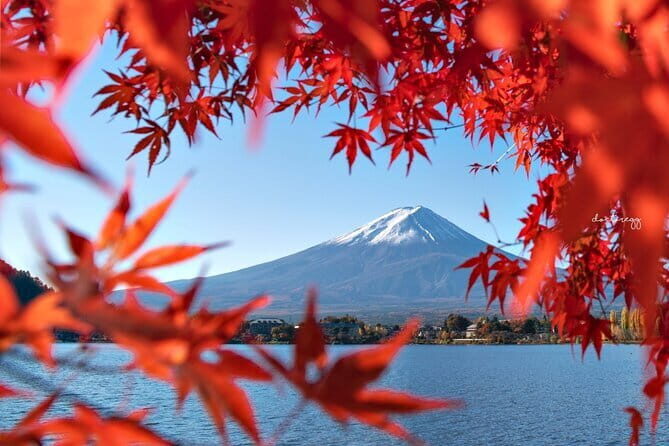
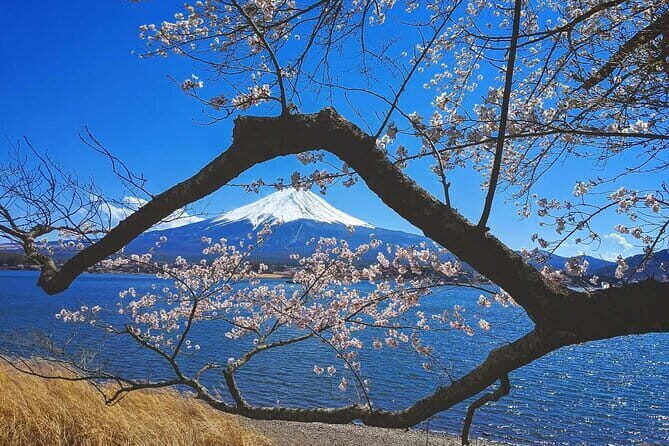
After Oshino Hakkai, you head to Lake Kawaguchiko (about 25 minutes). This is the “shining pearl” stop: the lake’s irregular shoreline creates multiple natural viewpoint options for seeing Mount Fuji.
If your goal is photos, this is where you’ll often feel the momentum of the day. The mountain tends to look different from different angles, even when you’re standing in the same general area. In other words, a quick stop can still pay off if you choose your vantage point well.
Consideration: 25 minutes goes fast, especially if the group is waiting for everyone to get their shots. Aim to find a good spot early, then use the remaining time to experiment—rather than starting from scratch at minute 20.






Oishi Park: Seasonal Flower Frames for Fuji Photos
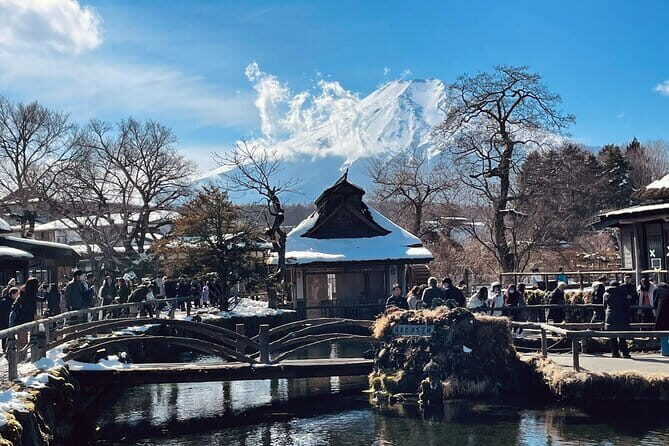
Your next planned photo-and-flower stop is Oishi Park, again around 25 minutes. This park’s appeal is seasonal. The displays can include cherry blossoms, lavender, red leaves, kochia, and even snow-and-reeds-style scenery depending on when you visit.
Even if you don’t come at peak bloom, it’s a smart stop because it adds foreground interest. Fuji views are already iconic, but adding flowers (or seasonal color) makes your pictures look more complete, like a postcard instead of a distant silhouette.
Why this works in a day plan: Oishi Park is short enough to fit into the schedule, but it gives you enough variety to get at least one strong photo set.
Arakurayama Sengen Park: The Chureito Pagoda Shot Everyone Wants
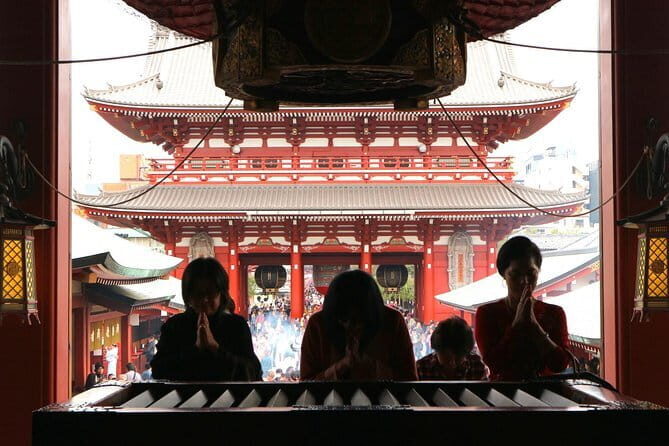
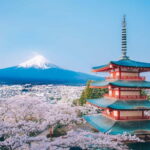
Now you hit one of the most famous Fuji angles: Arakurayama Sengen Park. You’ll have about 1 hour here, and it’s built around the Chureito Pagoda, the five-storied pagoda that’s strongly associated with Mount Fuji photos.
This is one of those places where you can understand why people plan their whole trip around it. The park gives you a viewpoint that turns the mountain into the backdrop and the pagoda into the foreground. It’s photo-friendly in a way that feels almost unfair: the composition is already done for you.
How to make the most of the hour: don’t just rush for the first photo. Use part of your time to locate a spot, take your baseline shot, then do a second pass from a slightly different angle. With a lot of Fuji day trips, the difference between a good photo and a great one is often just position and timing.
Weather reality check: Mount Fuji visibility can change quickly. Even with a great itinerary, clouds can move in. The best plan is to stay flexible mentally and keep photographing during openings.
Arakura Fuji Sengen Shrine: Quick Temple Time With Old Roots
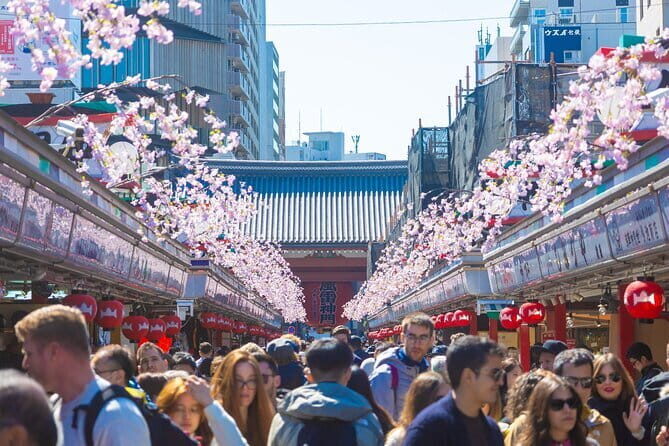
After the big photo moment, you’ll visit Arakura Fuji Sengen Shrine for about 15 minutes. The shrine is described as having roots going back to 705, with over 1,300 years of history.
This stop is more about atmosphere than endurance. It’s a short window where you can see how Fuji isn’t just a view—it’s also a spiritual presence. The shrine’s purpose is tied to prayers for well-being and family happiness, which gives the visit a human tone instead of purely sightseeing mode.
You’ll also see that the shrine is connected to historical events surrounding Mount Fuji, including reference to the large-scale eruption in 807 and the community response in that era.
The tradeoff: 15 minutes is brief. Treat it like a pause to reset your day, not as a full temple walk. If you want deeper temple time, you’d do that on a slower day.
Fujiyoshida Retro Shopping Street and the Stairway-to-Fuji Feel
Next is Fujiyoshida Retro Shopping Street, specifically Shimoyoshida Honcho Street, for around 20 minutes. This stop helps you shift from nature-and-monuments to a more everyday slice of the Fuji area.
You’ll pass recognizable details like the Hikawa Clock Shop, and the street connects the experience to the idea of the Stairway to Mt. Fuji—a serene path concept that people associate with the mountain. It’s a chance to browse, take a breather, and photograph the human-scale side of Fuji tourism.
Why this stop is worth keeping: the day can otherwise feel like an endless sequence of “look, photo, move.” This one adds variety.
The Lawson Fujikawaguchiko Blue Facade: A Fast Instagram-Style Frame
Your final sightseeing stop is a quick one: about 15 minutes at a Lawson location in the Fujikawaguchiko area, tied to the “Instagram location” concept. The standout detail is the striking blue facade that contrasts with Mount Fuji, making for an easy, graphic photo moment.
This is the kind of stop that works best if you treat it like a photo checkpoint. Don’t overthink it. Get your shot, double-check your timing, and you’re ready for the return trip.
Consideration: because it’s short, it’s not a place for browsing. It’s a quick visual payoff before the bus ride home.
Price and Logistics: What $60.90 Gets You (and What It Doesn’t)
At $60.90 per person, the value here comes from what’s included. You’re paying for Tokyo transfers, an air-conditioned vehicle, and all fees and taxes. Also, many stops list admission as free, so you’re not adding surprise ticket costs onto the day.
What’s not included is lunch. That’s it—no vague “and other expenses” catch-all needed to know what you’ll still pay for yourself. If you skip lunch planning, you may end up hungry later than you want, because the schedule is packed.
Group size is capped at 48 travelers, which is big enough to keep the logistics running smoothly but small enough that the day typically stays organized. The included mobile ticket is also practical; you won’t be hunting for paper in a busy morning.
How Long Stops Feel in Real Life (Pacing Tips That Help)
This tour is efficient by design. Most stops are 15–25 minutes, and you only get a longer chunk at Oshino Hakkai (about 1 hour) and Arakurayama Sengen Park (about 1 hour). That pacing is great for maximizing photos, but it’s not a slow travel experience.
If you’re traveling with a young child, shorter stop times can feel rushed. In those cases, you’ll want to go into the day with a “good enough” mindset for photos and focus on the most important moments rather than trying to do everything perfectly.
Should You Book This Mount Fuji Full Day Tour?
Book it if you want a Fuji day that’s simple, guided, and photo-focused, without the stress of building your own transport plan out of Tokyo. It’s especially good for first-timers who want the greatest hits: lakes, Oshino Hakkai springs, the Chureito Pagoda viewpoint, and a final quick Fuji frame near the end of the day.
Skip—or consider something slower—if your ideal day includes long wandering time at each spot. This route prioritizes coverage, so you’ll need to be comfortable moving at a steady pace.
The biggest “wild card” you can’t control is weather. Clouds can hide Fuji even when everything else goes right. If you can handle that reality, this tour is a solid way to make your one Tokyo-based Fuji day count.
FAQ
How long is the Mount Fuji full day tour?
It runs for about 10 hours.
Where does the tour start in Tokyo?
The meeting point is STAND TJapan, Marunouchi, Chiyoda City (Tokyo).
What time does the tour start?
The start time is 8:00 am.
Is lunch included?
No, lunch is not included.
What stops are included?
The tour includes Lake Yamanaka, Oshino Hakkai, Lake Kawaguchiko, Oishi Park, Arakurayama Sengen Park, Arakura Fuji Sengen Shrine, Fujiyoshida Retro Shopping Street, and a Lawson in Fujikawaguchiko.
Are admission fees included?
Many stops list admission tickets as free, and the tour includes all fees and taxes.
Is the ticket mobile?
Yes, you receive a mobile ticket.
How big is the group?
The tour has a maximum size of 48 travelers.