REVIEW · KANAZAWA
Kanazawa Full-Day Tour Private & Personalized with a Local Guide
Book on Viator →Operated by City Unscripted · Bookable on Viator
One day in Kanazawa, with no fixed script.
I like how this tour stays private and personalized, with a local guide who builds your day around what you care about. I also like the practical food guidance, including smart picks for an ekiben you can actually enjoy instead of grabbing the first thing in sight.
The catch is that it’s mostly a walking tour, so you’ll cover a lot over 7 to 8 hours, and food, drinks, and attraction tickets aren’t included. You may also hop between areas using trains or local taxis when it makes sense, with costs handled with your guide.
In This Review
- Key highlights at a glance
- A private Kanazawa day, planned around you (not the clock)
- Where the tour starts: Kanazawa Station, then straight into the city
- Temple alleys in a district with 70+ temples
- A lesser-known geisha quarter: teahouses, custom, and street etiquette
- Omichi Market-style food time, plus local buying tips
- Kanazawa Castle area and Kenrokuen Garden: Edo-period calm
- Other popular add-ons your guide may include
- Price and value: what $224.23 buys you in the real world
- Pace, comfort, and how to keep the day enjoyable
- If plans change: guide illness happens, but you’re not left hanging
- Should you book this Kanazawa private walking day?
- FAQ
- How long is the Kanazawa full-day private tour?
- Where does the tour start and end?
- Is this tour private or shared with other groups?
- Are food, drinks, and attraction tickets included?
- Is transportation between stops included?
- What is the cancellation policy?
Key highlights at a glance
- Private planning with a questionnaire: you tell your must-sees and preferences before the day.
- Flexible start times and pickup: you can aim for a time that fits your schedule.
- Temple district with 70+ temples: quiet alleys and wooden architecture for a slower, reflective feel.
- A preserved geisha quarter: street-level views of teahouses and performing-arts customs.
- Omichi Market food stops: vendor chats and regional specialties, with local recs that save time.
- Kenrokuen Garden by Kanazawa Castle: Edo-era garden design with seasonal beauty.
A private Kanazawa day, planned around you (not the clock)

What makes this tour work is control. You start by sending a short questionnaire about your interests and must-sees, and then your local host reaches out directly to map a day that fits your style. That means you’re not stuck with a one-size-fits-all route, which matters in Kanazawa, where the best day often depends on what you want more of: temples, culture, food, or just getting your bearings fast.
You also get flexible start times, plus pickup is offered. That combo is especially handy if your day begins with jet lag, a cruise schedule, or you simply don’t want to waste your morning figuring out where to go first.
In practice, this kind of planning helps you avoid the two classic problems in Kanazawa: wandering too far in the wrong direction and missing key areas because you ran out of energy. With a local guide setting the flow, you get a day that feels intentional even when you’re moving quickly.
You can also read our reviews of more guided tours in Kanazawa


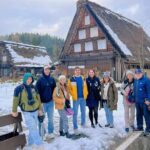
Where the tour starts: Kanazawa Station, then straight into the city
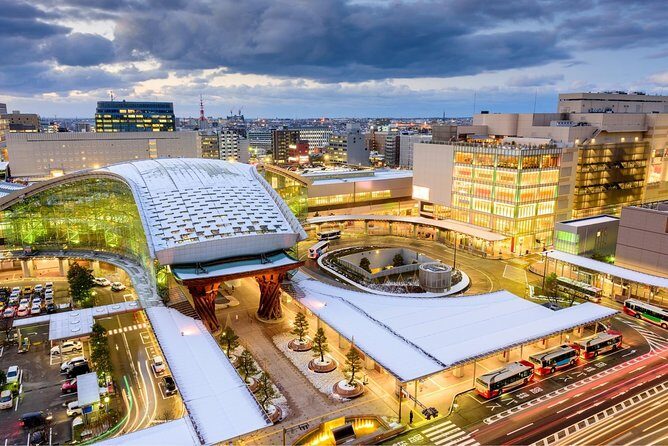
The meeting point is Kanazawa Station Tourist Information Center (1-1-1 Kinoshinbomachi). Your day ends back at the meeting point, which is a relief if you don’t want to hunt for a final rendezvous.
Because the meeting location is near public transportation, you can also build your own add-ons around it. If you’re arriving from elsewhere in Japan, you can often get your bearings in a low-stress way before your guide even starts walking you into the city.
My practical tip: wear comfortable shoes. This is a walking experience, and even if the itinerary uses public transport or a local taxi between some sites, the core of your day is on foot. If your legs are still fresh, you’ll enjoy the pace more. If not, you’ll want to set expectations ahead of time with your guide that you prefer a slower rhythm.
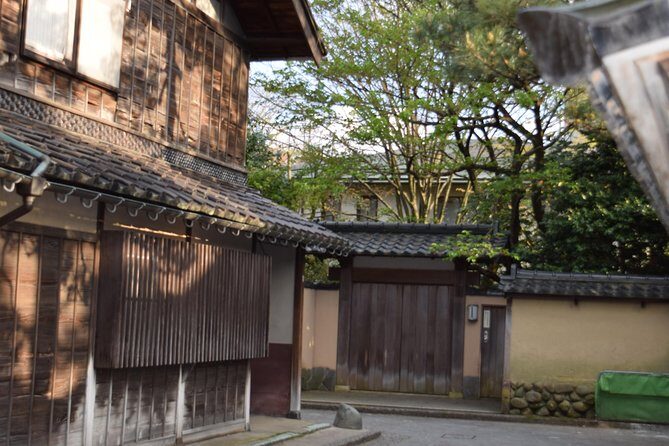
Temple alleys in a district with 70+ temples

One major stop is a peaceful, historic neighborhood known for more than 70 temples. Think quiet lanes, wooden architecture, and the kind of streets where the city feels less like a checklist and more like a place you could wander for hours.
This is where a guide earns their fee. A guide can explain what you’re looking at and why these areas matter in Kanazawa’s religious and cultural life, instead of you guessing by reading signs you might not fully understand. You get context, small details, and a sense of how each area fits into the city’s bigger story.
What I’d watch for on this stop:
- Temple gates and facades change a lot across the area, even when buildings look similar at first glance.
- Side streets often give better photo angles than the main lanes.
- If you’re sensitive to noise, this is one of the calmer parts of the day, so it’s a good place to take breaks.
A realistic drawback: this district can feel like a lot of walking in a short span, especially if your day is set to be fast paced. If you want slow and contemplative, tell your guide early. Many guides will adjust how often you stop.
A lesser-known geisha quarter: teahouses, custom, and street etiquette
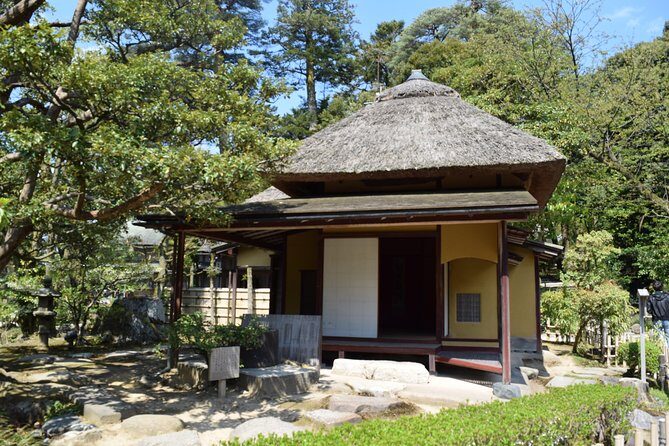
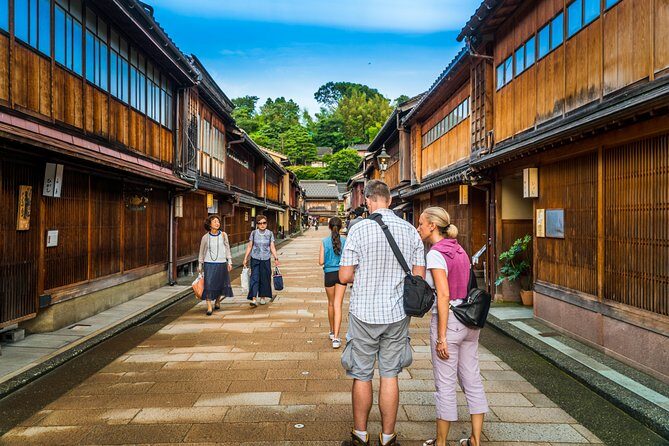
Another signature stop is a geisha quarter that’s preserved and easy to enjoy on foot. You’ll walk through traditional streets lined with teahouses and learn about the performing arts and customs that shaped Kanazawa’s cultural identity.
This is one of those Kanazawa experiences where tone matters. You’re not looking at a theme park. You’re walking through an active cultural area, so your guide’s explanations about respectful behavior help. You’ll know what’s normal to photograph, where to keep distance, and what to expect when the street feels quiet.
What I like about this stop is the way it shifts your day. After temples and market energy, it gives you a softer, more human pace—small street views, quiet moments, and cultural notes that make the city feel less random.
Practical note: because this is a walking tour through neighborhoods, it’s also a great chance to ask your guide what’s worth seeing later on your own—especially if you decide you want more time in a specific area.
Omichi Market-style food time, plus local buying tips
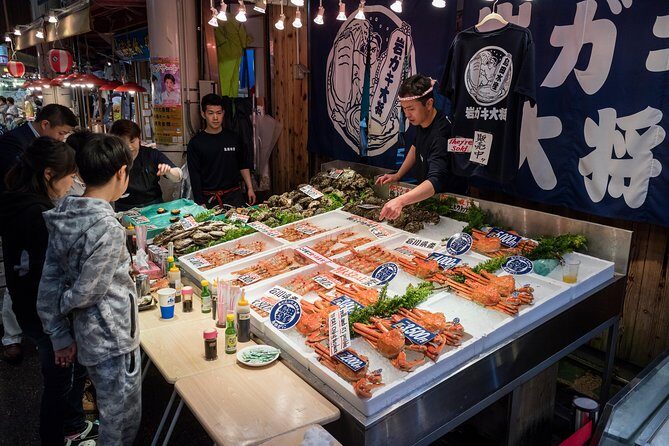
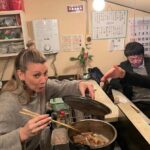
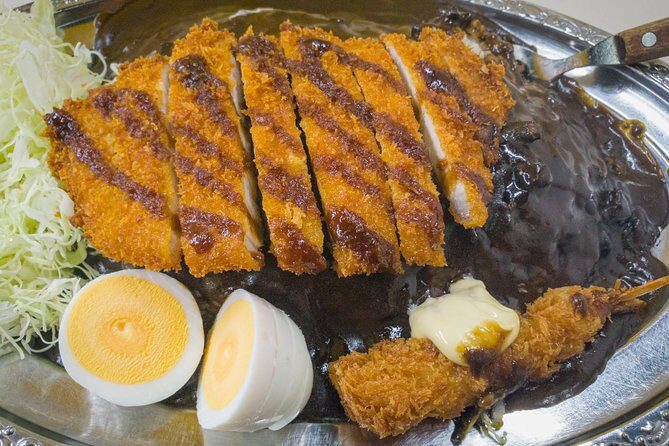
At some point, your tour moves into a market stop focused on local flavors. A common version of this stop is Omichi Market, where you can sample regional specialties and interact with vendors.
What makes a guided market stop valuable is timing and taste. Your guide can steer you toward items that are actually good (not just famous), and help you understand what you’re looking at. One of the standout bits from real guide experiences tied to this tour is ekiben advice that turns into the best meal of the day for many people.
Also, you’re not locked into one plan. If you’re curious, you can slow down to ask questions. If you’re hungry and want quick picks, your guide can speed things up without turning the market into a sprint.
Important to budget: food, drinks, and any attraction tickets aren’t included. So set aside money for snacks and meals. If you’re coming from a place where you don’t typically spend on street food, this is the moment to do it.
You can also read our reviews of more private tours in Kanazawa



Kanazawa Castle area and Kenrokuen Garden: Edo-period calm
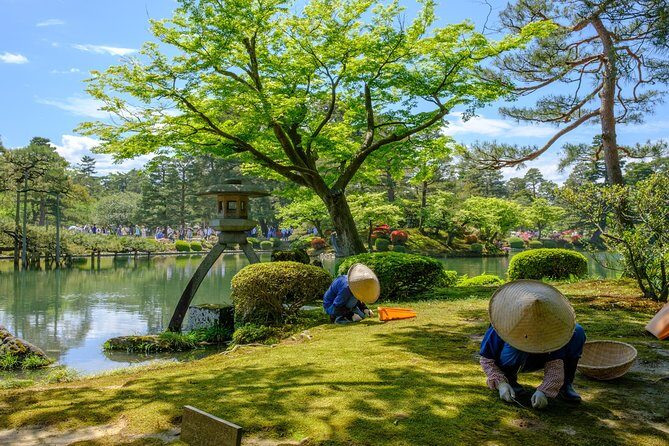
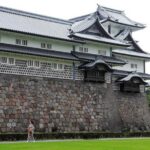
The garden stop near Kanazawa Castle is a highlight: Kenrokuen Garden, designed during the Edo period, with samurai-era aesthetics and strong seasonal beauty. Even if you’ve seen gardens elsewhere, Kenrokuen hits differently because the design is meant for strolling, not just looking.
This is also a great place for your guide to slow the pace. In a walking tour that can otherwise feel busy, a garden adds breathing space. You can step back, take photos, and listen as your guide points out features and explains how garden design reflects the period’s tastes.
What makes this stop feel worth it:
- You get a “reset” after the more active neighborhoods and food time.
- Your guide can point out why certain areas are arranged the way they are.
- You can tailor your time here—short stroll if you’re tired, longer loop if you’re into details.
If you want a tip for your day planning: tell your guide how you feel that day. If you’re running low on energy, reduce the time in garden areas you’re less interested in and spend longer in the spots you care about.
Other popular add-ons your guide may include
Your day isn’t fixed, so your guide can weave in extra stops depending on your interests. Some examples that show up in real Kanazawa guide plans include:
- Ninja Temple and Ninja Museum style stops, which work well if you want something more playful.
- Oyama Shrine, for a change of pace and another slice of local spirituality.
- Hands-on experiences like gold leaf crafting, which can be a memorable break from pure sightseeing.
- The possibility to catch a major festival parade if your timing lines up.
If you’re planning a trip with only one day in Kanazawa, this flexibility is a big deal. You can prioritize the “must” items and still keep room for the parts of the city that feel right in the moment.
The key is communication. Tell your guide what you want as a non-negotiable, and what you’re willing to swap. Guides like Shoten and Megumi are known for building a nice flow around preferences, which helps you avoid cramming random stops that don’t match your energy.
Price and value: what $224.23 buys you in the real world
At $224.23 per person, this isn’t a budget tour. But it’s also not just a ticket to a standard route. You’re paying for private guidance plus the planning time your guide puts into shaping your day around you.
Here’s what you get that supports the price:
- Private and personalized walking experience with insider tips.
- Flexible start times, plus pickup offered.
- A pre-tour questionnaire and direct communication with your host to tailor your itinerary.
- A full day that can be adjusted on the fly based on what you like that day.
And here’s what you should plan to pay extra for:
- Food and drinks.
- Tickets to attractions.
- Transportation between sites, if public transport or a local taxi is needed.
So how do you decide if it’s worth it for you? I think it’s a strong choice if:
- You want a one-day Kanazawa plan that doesn’t feel like rushing.
- You care about food choices and cultural context, not just photos.
- You’re traveling as a small group or with people who have different interests (temples vs. food vs. markets).
It’s less ideal if you already know Kanazawa well and just want to walk around freely with no guidance. In that case, you’d likely spend less on a self-guided day.
Pace, comfort, and how to keep the day enjoyable
A few things can affect how the day feels:
- Walking time: most of it is on foot over 7 to 8 hours.
- Fast-paced potential: some itineraries are designed to see a lot, so your stamina matters.
- Weather: Kanazawa weather can shift quickly, and your guide may adjust the route accordingly.
My best advice is simple: set expectations early. If you want a relaxed day, say so. If you only have limited time and want maximum coverage, say that too.
Also, use your guide’s skills. One guide experience tied to this tour highlights how guides listen to what you want rather than forcing a script. That’s what you should aim for—your day should feel like it belongs to you, not to the calendar.
If plans change: guide illness happens, but you’re not left hanging
One important real-world note: occasionally, a guide can fall ill. In at least one documented situation, the tour money was refunded promptly and a credit for a future trip was offered. It’s not something you can plan for, but it does suggest there’s a process when things go wrong.
If this is a cruise day or your schedule is tight, I’d still keep a little flexibility and have a backup plan for what you’ll do if conditions force changes.
Should you book this Kanazawa private walking day?
Book it if you want a Kanazawa day that feels personal, not generic. This tour is at its best when you use the questionnaire honestly—tell your guide what you love and what you want to skip—and then let them stitch the day together with sensible pacing and local context. The temple district with 70+ temples, the geisha quarter streets, a market stop that includes regional bites, and Kenrokuen Garden near Kanazawa Castle make a solid mix for first-timers and return visitors alike.
Skip it (or consider a self-guided day) if you prefer minimal structure, you’re comfortable planning your own route, and you don’t want to pay extra for a private guide. Since food and tickets aren’t included and the day is heavy on walking, you’ll also want to be okay with those realities before you commit.
FAQ
How long is the Kanazawa full-day private tour?
It runs about 7 to 8 hours.
Where does the tour start and end?
It starts at Kanazawa Station Tourist Information Center and ends back at that same meeting point.
Is this tour private or shared with other groups?
It’s private. Only your group participates.
Are food, drinks, and attraction tickets included?
No. Food, drinks, and tickets to any attractions are not included.
Is transportation between stops included?
Transportation isn’t included. It’s primarily a walking experience, and public transport or local taxis may be used at an additional cost discussed with your host.
What is the cancellation policy?
You can cancel for a full refund up to 24 hours before the experience start time. If you cancel less than 24 hours before, the amount paid is not refunded.