REVIEW · KANAZAWA
Geiko Performance and Behind the Scenes Tour
Book on Viator →Operated by Art of Geisha · Bookable on Viator
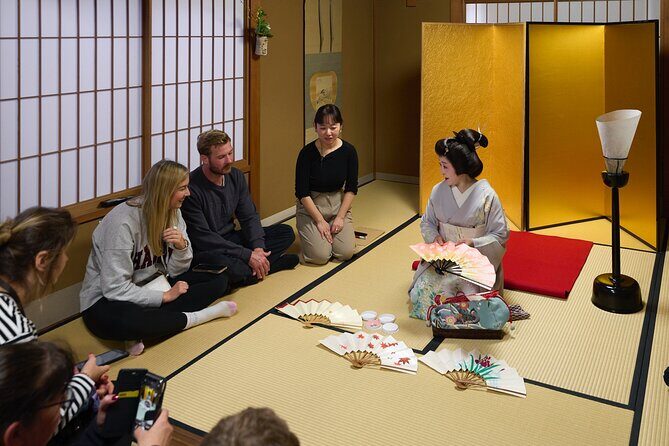
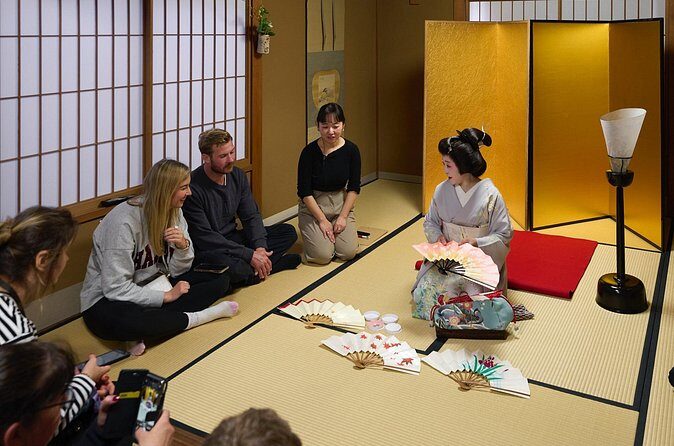
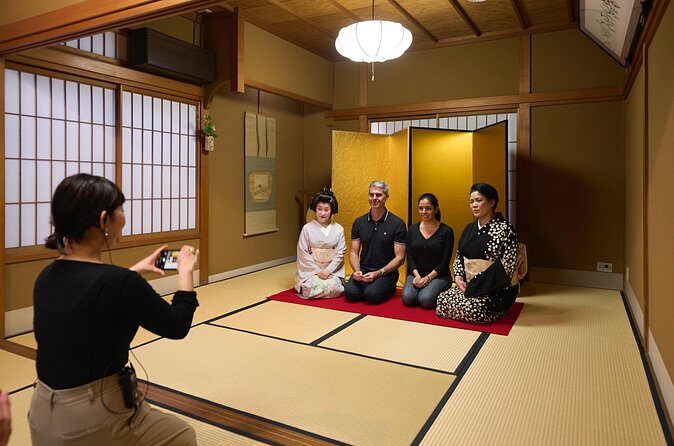
A closed geiko house becomes your classroom. In Kanazawa’s Nishi Chaya District, this small-group tour takes you inside a house that’s normally closed to the public. You’ll meet two geiko from the house (Mi-Ne helps), ask questions, and see how the day-to-day works.
I love the up-close access to an active ochaya—not a staged show in a theater. I also love that the experience includes real Q&A time with the people whose work this is, so you’re not just watching from the outside.
One possible drawback: this isn’t a walking tour of the Nishi Chaya streets. If you came mostly for street views and photo stops, you may feel like the focus stays firmly on the house interior.
In This Review
- Key Highlights You’ll Feel Immediately
- Kanazawa’s Nishi Chaya House Visit: Why This Tour Is Different
- Your 1 Hour 40 Minute Flow: What Happens During the Experience
- Meeting Mi-Ne and the Two Geiko: Q&A That Actually Lands
- Inside the Ochaya: What You Can Expect to See
- The Closing Performance: Context First, Art Second
- Price and Value Check: Is $93.17 Worth It?
- Where You’ll Start (and Why Meeting Matters Here)
- Who This Tour Fits Best (And Who Might Want a Different Plan)
- Should You Book This Geiko Performance and Behind the Scenes Tour?
- FAQ
- Where does the tour take place?
- Is this a walking tour of the Nishi Chaya District?
- How long is the Geiko Performance and Behind the Scenes Tour?
- How many people are in the group?
- Who are the hosts during the tour?
- Is there a performance during the tour?
- Can I ask questions during the tour?
- What kind of ticket do I receive?
- Can I get a refund or make changes after booking?
Key Highlights You’ll Feel Immediately
- Small group, max 12 people keeps the atmosphere calm and personal
- Inside an active geiko house in Nishi Chaya that’s normally closed to the public
- Two geiko hosts (Mi-Ne among them) explain how the house operates, then answer questions
- Tour through the ochaya spaces so you see how the house is set up for geiko life
- Kimono storage details (including how dozens are stored for seasons/occasions)
- A performance at the end wraps the experience with an art-forward closer
Kanazawa’s Nishi Chaya House Visit: Why This Tour Is Different
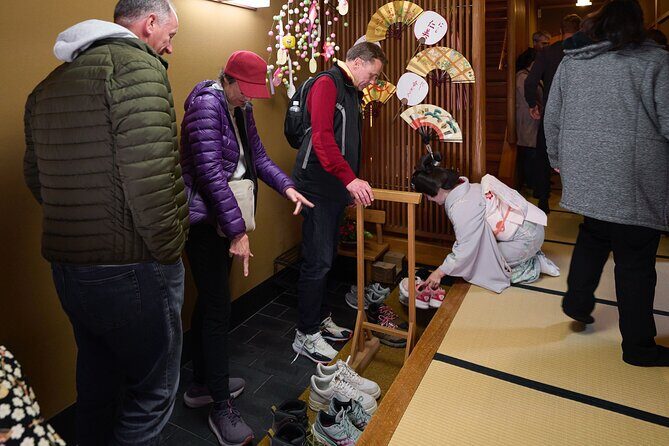
This tour is built around one simple idea: you’re not just seeing geiko culture from a distance. You’re stepping into one of the geiko houses in Nishi Chaya District that usually stays shut. And because Nishi Chaya is the kind of place where people expect you to look, not ask questions, this feels like a rare shift in the rules.
The tour is hosted by two geiko from the house, with Mi-Ne specifically named as part of the support. That matters because the explanations aren’t filtered through a guide script. You’re hearing how the house operates and what certain details mean directly from the people who live within that rhythm.
Another thing I like is the way this experience frames “behind the scenes.” It’s not only trivia. You get to tour through the ochaya spaces and see practical, everyday elements—especially around kimono care—then connect those objects to seasonal timing and special moments. It turns culture into something you can actually picture.
You can also read our reviews of more tours and experiences in Kanazawa.


Your 1 Hour 40 Minute Flow: What Happens During the Experience
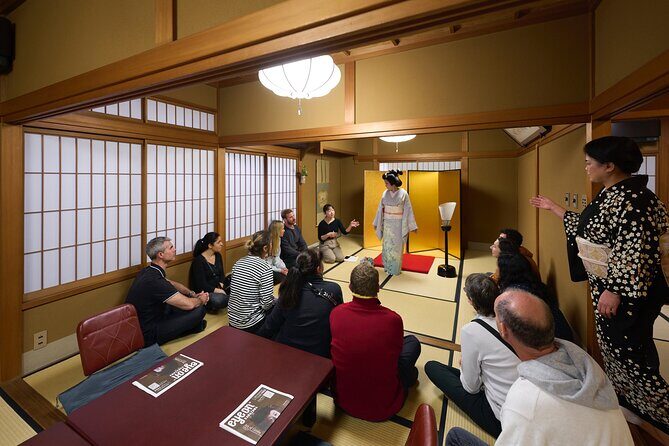
The timing is short, in the good way. Plan for about 1 hour 40 minutes, with the core time centered around one location in the Nishi Chaya District. The experience ends back at the meeting point, so you’re not left wandering afterward trying to figure out your next move.
One important expectation-setting point: this isn’t a “stroll the district” experience. The tour takes place at a specific geiko house, and you focus on the inside. So if you were hoping for a long walk through Nishi Chaya lanes, this won’t be that.
In the house, the flow generally follows a clean arc:
First, you enter and settle into the spaces where the explanation happens. Then you move through parts of the house to see how things are arranged and cared for. Midway through, you ask questions. That Q&A portion is central to the experience, not an add-on at the end.
Finally, the tour ends with a geiko performance. Think of it as the “art” part arriving after the context. You’re not just watching a performance—you’re watching with a little more understanding of how daily choices and seasonal timing show up in clothing, presentation, and the overall atmosphere of the house.
Meeting Mi-Ne and the Two Geiko: Q&A That Actually Lands
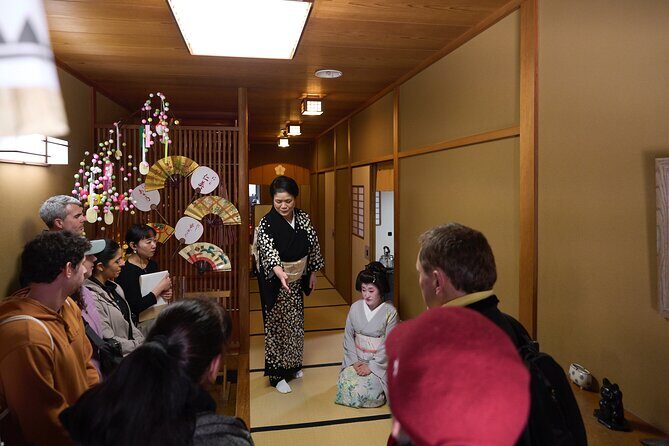
The best part of this experience is the Q&A that goes beyond polite nods. You’re invited to ask questions, and the geiko hosts answer them directly. That’s a big deal in a culture where visitors often feel like they’re supposed to keep their distance.
Mi-Ne’s role is specifically part of the setup, so you’ll have a named presence in the experience rather than an anonymous “staff member” vibe. And because there are two geiko involved, it tends to feel balanced: you get multiple perspectives, and the conversation has room to breathe.
What I found most useful about this style of interaction is that it helps you connect the dots yourself. Instead of me telling you what to think about geiko culture, you can ask the exact questions that match your curiosity—how the house works day-to-day, how presentation ties to seasonality, or what certain details mean.
Also, the tone described in the experience is kind and patient. People leave feeling that the hosts took their time, not rushed through the content. When the pacing is respectful, the questions become better too, because you don’t feel like you’re interrupting.
Inside the Ochaya: What You Can Expect to See
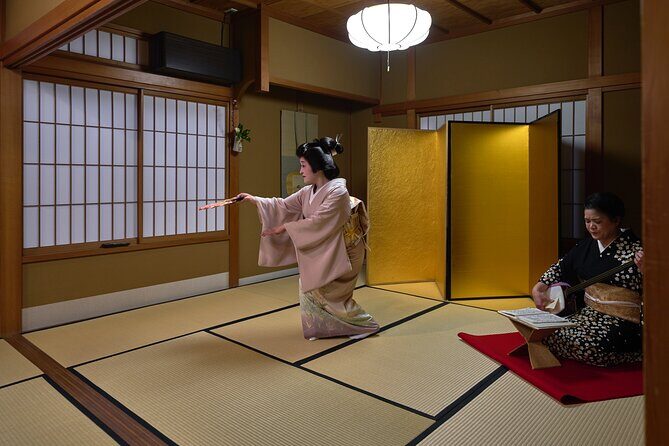
This is where the tour earns its name. You’re inside an active geiko house building, not viewing a replica. That means the spaces feel lived-in, and the details you notice carry practical meaning.
One of the most memorable elements mentioned in feedback is the way the geiko carefully store their dozens of gorgeous kimonos. It’s not only “look at the clothes.” You also learn for what seasons and occasions the setup connects to. That kind of explanation turns something visually stunning into something you can understand as a system—how attire relates to timing, purpose, and presentation.
Even if you’re not a kimono expert, the visual logic makes sense once someone explains how storage and selection work. You start noticing the choices, like how the collection is handled with care and how organization supports quick, appropriate selection later.
As you tour through the house, keep your eyes on the small practical elements. You’ll get the chance to see how the house is arranged for geiko life and performance readiness. That’s the “behind the scenes” piece you don’t get from outside viewing—how the house is used, not just decorated.
The Closing Performance: Context First, Art Second
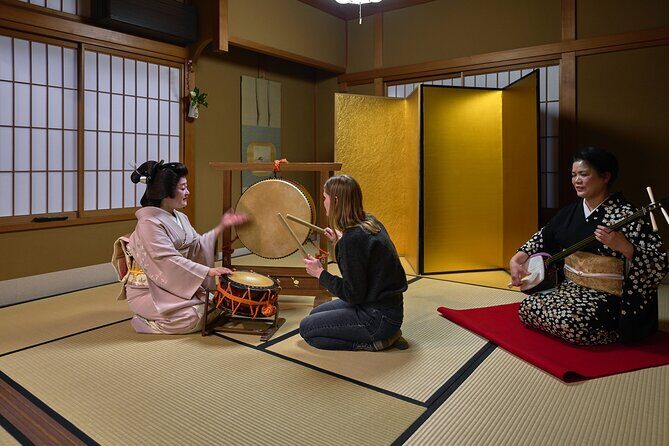
The performance comes at the end, after you’ve been shown the context. I like that ordering, because it changes how you watch.
When you’ve seen the house environment and learned about the kimono care and seasonal linkages, the performance feels less like a standalone spectacle. It becomes the final page of a story: presentation isn’t random, and the beauty you see is connected to choices made earlier and stored carefully for the right moment.
Because the group is small (maximum of 12 people), you’re not swallowed by a crowd. That matters for focus. You get a better chance to notice the flow of the performance and the atmosphere created by the house setting.
And since the experience includes Q&A before the performance, your attention tends to settle. You’re not only watching for entertainment; you’re watching for meaning.


Price and Value Check: Is $93.17 Worth It?
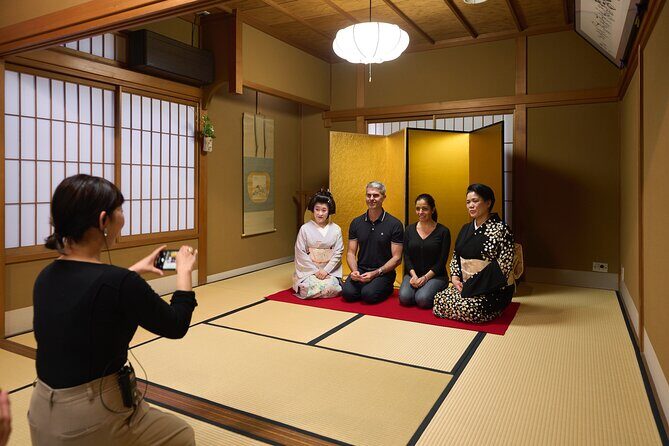
At $93.17 per person, you’re paying for something fairly specific: entry into a normally closed active geiko house, guided by two geiko, plus a performance. This is not a budget street show.
So does it make sense for your money? In my view, the value hinges on three things:
1) Access: You’re going into one of the geiko houses in Nishi Chaya that’s not generally open to the public. That’s the core “product,” and it’s not something you can easily replicate on your own.
2) Small group size: With a maximum group size of 12 people, the experience stays personal. It doesn’t turn into a conveyor belt.
3) Time with the hosts: You get both a house tour and the chance to ask questions, then you end with a performance. Reviews highlight that the hosts take their time, sometimes running a bit beyond the official length, which makes the total experience feel more generous than the clock.
There’s also a practical bonus: you’re told the admission ticket is free as part of the experience. So you’re not dealing with an extra entry fee on top of the tour price.
If you’re the type of visitor who likes cultural depth and respectful access, the price feels more like paying for access and education. If you mainly want quick photos and wandering, it may feel like you’re paying for time inside one place rather than a broad sightseeing sweep.
Where You’ll Start (and Why Meeting Matters Here)
You’ll meet at Nomachi 2-chōme 242, 美音 (Kanazawa, 921-8031, Ishikawa, Japan). The experience ends back at that meeting point, which makes your planning easier—especially in a district where streets can feel like a maze once you’re inside the vibe of the neighborhood.
The meeting area is described as near public transportation, which is a huge help. Kanazawa days can stack up fast; getting to a start point without a long trek keeps the whole day calmer.
This tour uses a mobile ticket, so make sure your phone battery is decent. In a small, inside-focused experience, you don’t want a last-minute tech panic at the door.
Who This Tour Fits Best (And Who Might Want a Different Plan)
This is a great fit if you:
- Want real insight into geiko culture in Kanazawa, not only general sightseeing
- Enjoy Q&A and learning directly from cultural practitioners
- Care about the details, like how kimonos are stored and connected to seasons and occasions
- Prefer a small group experience over a big tour bus vibe
If you mostly want street-level Nishi Chaya exploration and lots of wandering photo stops, you might feel under-satisfied. Remember: this is not a tour to walk through the district.
Also consider timing. The cancellation policy is strict and the booking can’t be changed for any reason. So it suits plans that are stable and already locked in.
Should You Book This Geiko Performance and Behind the Scenes Tour?
If your goal is to see geiko culture from the inside—with a respectful, hands-on feeling—you should strongly consider booking. The combination of entering an active geiko house, meeting two geiko (including Mi-Ne), and getting a real Q&A before a closing performance is exactly the kind of experience that’s hard to recreate independently.
Book it especially if you’re the type who remembers details: kimono organization, seasonal care, and the way an ochaya functions. That’s where this tour earns its reputation.
Skip it if you’re chasing a long walking itinerary through Nishi Chaya streets. This experience is intentionally focused on one place and one house rhythm. When that matches your interests, it’s the kind of tour that leaves you with more than photos—it leaves you with context.
FAQ
Where does the tour take place?
The experience takes place at one of the geiko houses in Kanazawa’s Nishi Chaya District, and you meet at the listed address in Nomachi before starting inside.
Is this a walking tour of the Nishi Chaya District?
No. This is not a tour designed for walking around Nishi Chaya. The focus is on the geiko house where the experience happens.
How long is the Geiko Performance and Behind the Scenes Tour?
It runs about 1 hour 40 minutes.
How many people are in the group?
The tour has a maximum group size of 12 people.
Who are the hosts during the tour?
You’ll be helped by two geiko from the geiko house, with Mi-Ne specifically mentioned as part of the experience.
Is there a performance during the tour?
Yes. The experience includes a geiko performance at the end.
Can I ask questions during the tour?
Yes. Part of the experience includes time for questions to the geiko hosts.
What kind of ticket do I receive?
You receive a mobile ticket.
Can I get a refund or make changes after booking?
No. The experience is non-refundable and can’t be changed for any reason.