REVIEW · TOKYO
Tokyo: Explore Authentic Japanese Food Culture at Tsukiji
Book on GetYourGuide →Operated by gotcha Corporation · Bookable on GetYourGuide
Tsukiji can feel like a maze until someone points you in the right direction. This tour works because it pairs temple stops with market tastings so you get context for what you’re eating, not just a shopping walk. I especially like the small group feel (limited to 6), and I love that the guide steers you toward light meals you might skip on your own.
One heads-up: it’s not vegan-friendly, and it isn’t a fit if you have food allergies. Since the tasting list includes seafood and meat, you’ll need to flag allergies early and be prepared that this tour may not work for your diet.
In This Review
- Key things I’d circle before you book
- Tsukiji still matters: Outside Market food culture, not just fish
- Price and value: where the $99 really goes
- Meeting at Tsukiji Hongan-ji: start where locals start
- Tsukiji Hongan-ji: a quick visit that adds context
- The Outer Market walk: how the guide turns confusion into choices
- What you’ll actually taste (and why “light meals” is the key)
- Oysters, sashimi, and allergies: read this part carefully
- Namiyoke Shrine (波除神社): why this stop feels more human
- Small group of 6: why that detail matters
- Timing and pace: 3 hours that can still feel full
- Who should book this Tsukiji food culture tour
- Should you book Tsukiji at this price?
- FAQ
- What does the tour include?
- How long is the tour?
- Is lunch included?
- Where do I meet the guide?
- Where does the tour end?
- Is the tour suitable for vegans or people with allergies?
Key things I’d circle before you book
- English-speaking guide for the Outer Market, so you don’t waste time decoding everything
- Light meal tastings built into the tour (snacks, not just a walk)
- Tsukiji Hongan-ji included with a brief guided visit and photo stop
- Namiyoke Shrine (波除神社) for a worker-focused story tied to Tsukiji
- Small group size up to 6, which matters when you’re sampling and moving fast
Tsukiji still matters: Outside Market food culture, not just fish
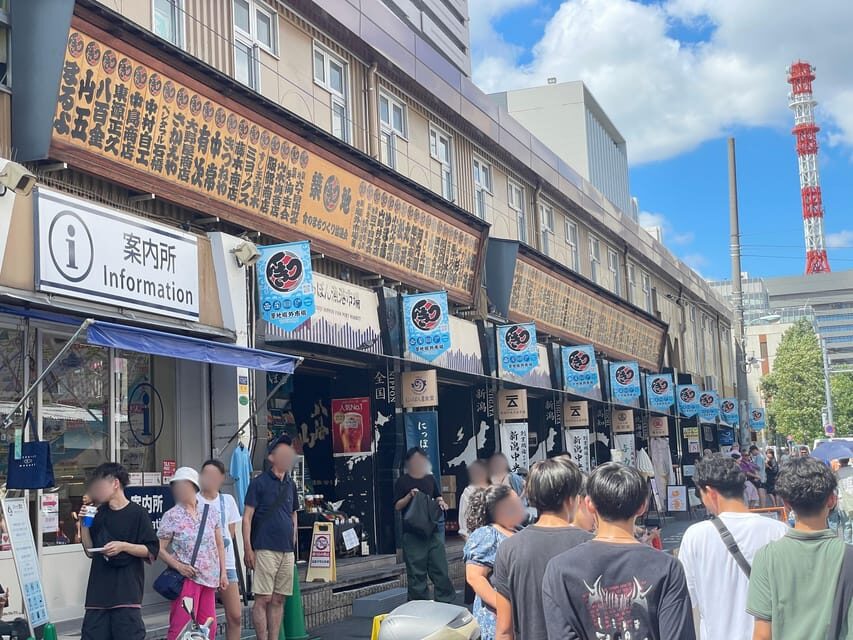
Tsukiji has changed. The old wholesale fish market area is no longer Tokyo’s main fish engine, but the neighborhood still runs on food. That’s why the Tsukiji Outer Market experience feels different from most “see the sights, eat later” tours.
What I like about this format is that it treats the market like a living food culture, not a museum. You spend time in the places where snacks, small bites, and quick meals are part of daily rhythm. And because the tour includes temples, you get a more grounded sense of why these areas mattered to workers and the wider community.
The vibe you’re aiming for isn’t fancy dining. It’s practical eating: small plates, quick sampling, and choices you can actually understand while walking.
You can also read our reviews of more food & drink experiences in Tokyo
Price and value: where the $99 really goes
At $99 per person for a 3-hour outing, the price only makes sense if you’re using it for what’s included. The tour includes an English-speaking guide and a set of snacks that are meant to function like light meals.
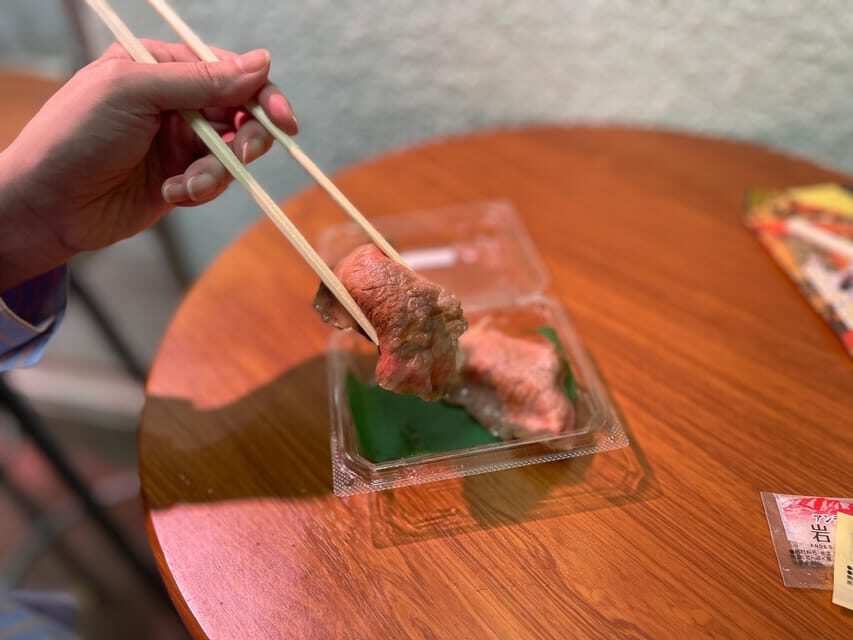
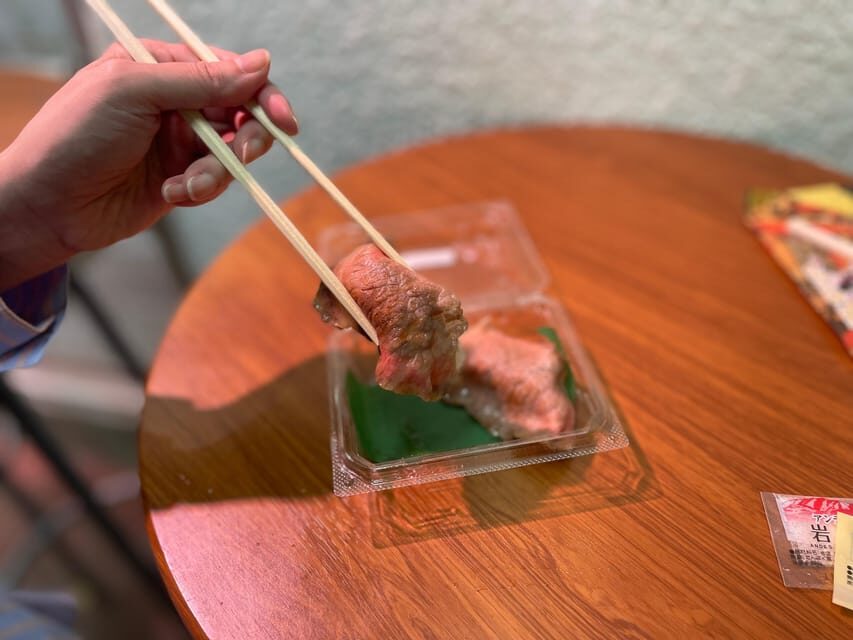
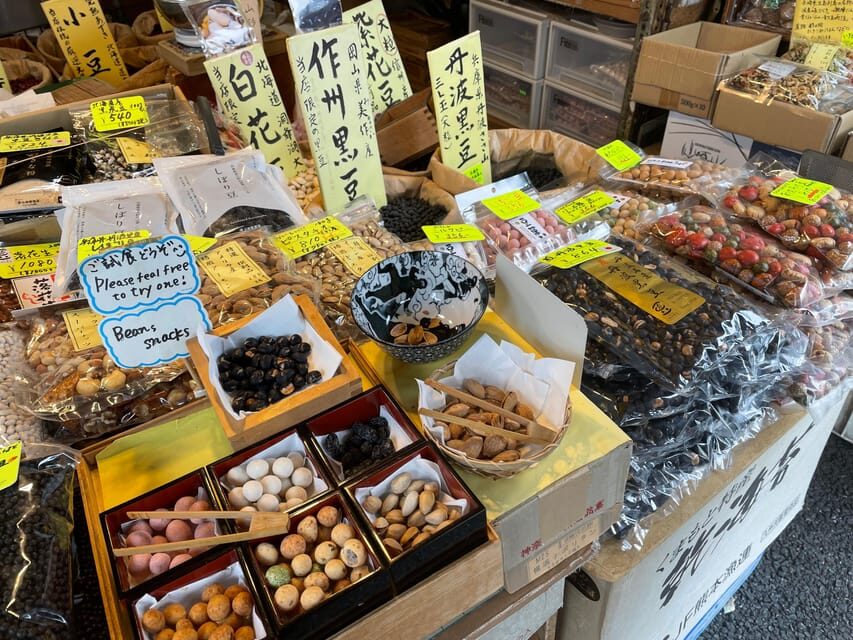
Your tasting items can include seasoned seaweed, dried fish, roast beef sushi, and either oysters or sashimi, plus bean snacks. That matters because seafood-heavy tasting in Tokyo usually adds up fast if you do it one-by-one without a plan.
Lunch is not included, and shopping costs vary by what you buy. So think of this tour as: you pay $99 to get the guide, the structure, and the first round of sampling, then you decide what’s next for lunch and what you want to take home.
If you like the idea of trying several foods in a short time, the value is strong. If you want a full sit-down lunch and a slower pace, you might feel the time is tight.
Meeting at Tsukiji Hongan-ji: start where locals start
The tour begins with a meeting point outside the main gate of Tsukiji Hongan-ji. From there, you move through the area as a group, with the guide handling timing and transitions.
This start point is smart for two reasons. First, it gives you a calm anchor before you enter the busy shopping maze of the Outer Market. Second, it frames the day: you’re not only here to eat fish products—you’re learning how Tsukiji fits into religious and community spaces, too.
The tour then includes a photo stop and guided tour at Tsukiji Hongan-ji for about 20 minutes. That’s a reasonable amount of time: enough to get meaning, not so long that you’re still waiting when your appetite kicks in.
Tsukiji Hongan-ji: a quick visit that adds context
You’ll get a guided look at Tsukiji Hongan-ji with a photo stop and visit time around 20 minutes. Even if you’re not a temple-specialist, this stop gives you something useful: a sense that Tsukiji’s food world wasn’t isolated from everyday life.
You’re also walking into an area that can overwhelm your senses fast—sound, crowds, storefronts, and constant food smells. A short temple stop helps reset your brain. It makes it easier to pay attention once you’re back in the market.
Practical note: bring something simple for the weather. The tour is short, but you will be outside while moving between spots.
The Outer Market walk: how the guide turns confusion into choices
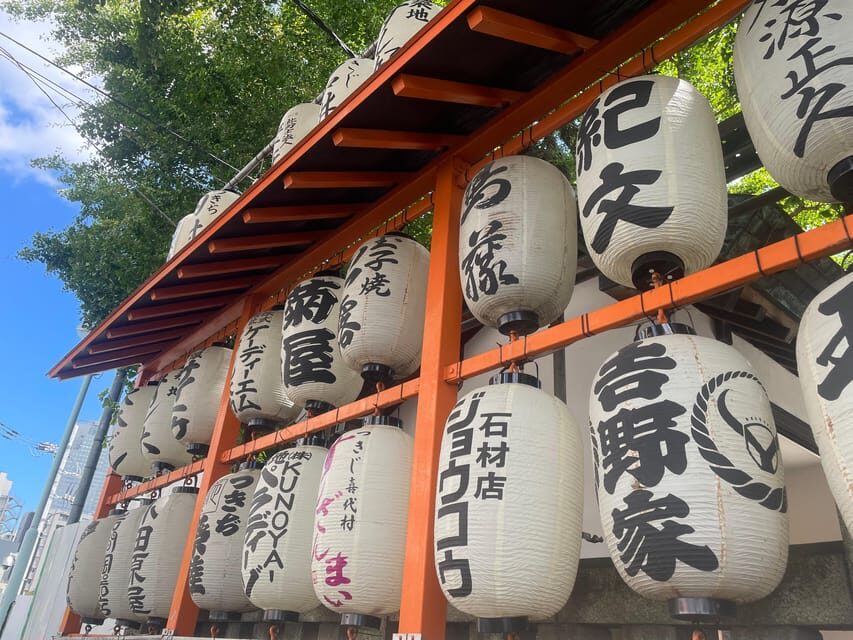
The heart of the experience is the Tsukiji Outer Market section, roughly 2 hours. This is where the guide earns their pay.
Tsukiji’s market layout can feel like a maze. The guide helps you get your bearings quickly and takes you to recommended places for snacks—so you’re not stuck standing in front of stalls trying to translate everything and guess what’s best.
During this portion, you’ll do guided wandering with food tastings, plus chances for breakfast/brunch-style bites and then lunch options later. The tour structure helps because it breaks your eating into phases. You’re not forced to choose one thing right away—you can sample light items, then pick your lunch based on what you liked.
There’s also time for shopping, but with a clear expectation: you’ll decide what you want to buy and pay those store costs separately.
A few more Tokyo tours and experiences worth a look


What you’ll actually taste (and why “light meals” is the key)
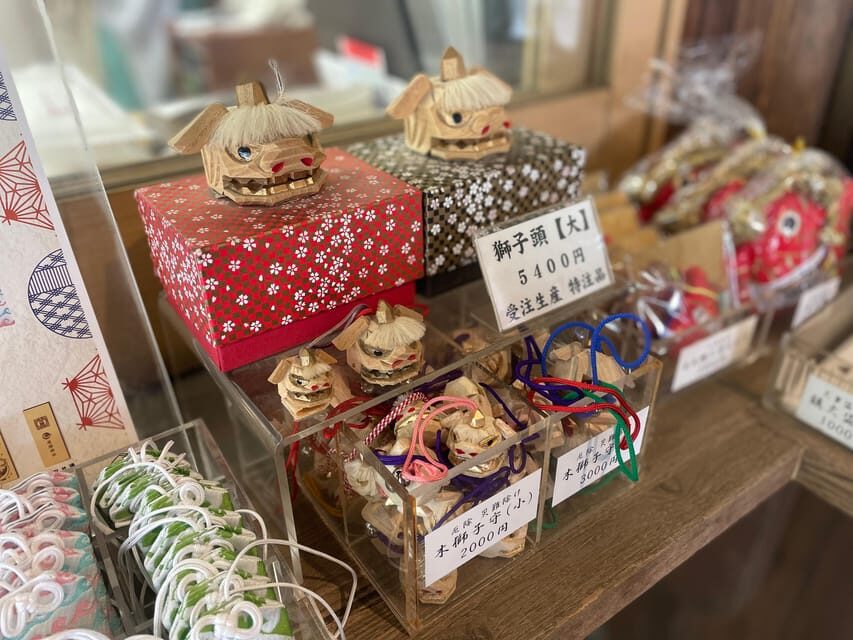
The tour’s tasting plan is built around light meals—snacks that feel satisfying without turning the day into one long meal. That’s great because it keeps you moving. You can try more variety in the time you have, and you’re less likely to hit that Tokyo-tour problem of being too full to enjoy the last stops.
A typical included tasting set can include:
- Seasoned seaweed
- Dried fish
- Roast beef sushi
- Oysters or sashimi
- Bean snacks
Since the included snacks may include seafood and meat, the tour is best for people who eat seafood and are comfortable with raw or lightly prepared options (depending on whether oysters or sashimi are offered that day and at those stalls).
Also, it’s not just about the food. You’re tasting in context—right where the food is sold—so your choices make more sense. You learn what to look for, how portions work, and how Japanese snack culture often favors small, strong flavors.
Oysters, sashimi, and allergies: read this part carefully
This is the tour’s biggest practical limitation. It is not suitable for people with food allergies, and it is not suitable for vegans.
The tour states that snacks purchased include seafood and meat. If you have allergies, you should inform the guide. But because the format is built around tasting set items from multiple stalls, your risk tolerance has to be realistic.
If your diet is flexible and your allergies are minimal, this can be a fun way to sample Tsukiji-style foods quickly. If your diet is restrictive for health reasons, you’ll probably want a different tour or a market experience that can be customized.
Namiyoke Shrine (波除神社): why this stop feels more human
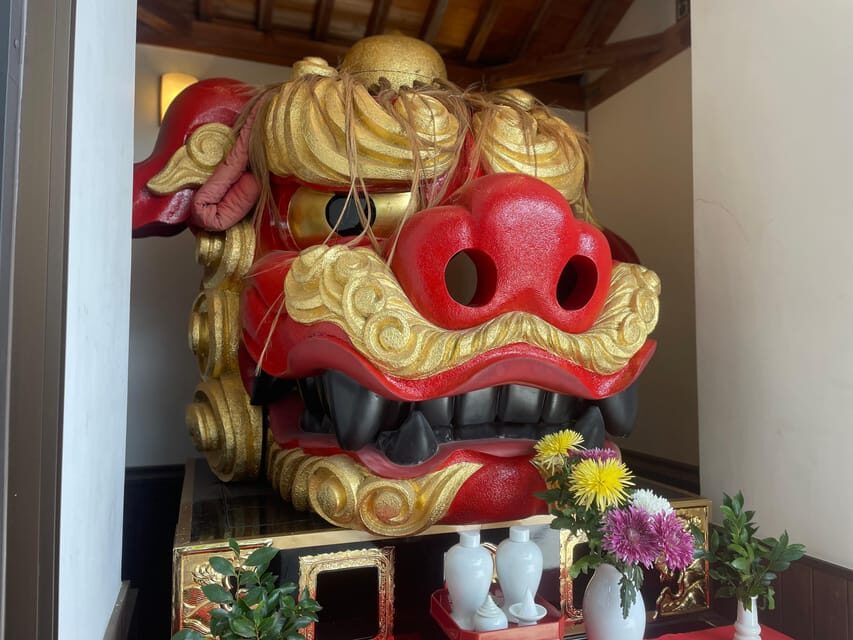
The tour also visits Namiyoke Shrine, and it’s included as a finish point. This shrine supports workers in Tsukiji, which changes how you read the food.
Food culture can become abstract if you only think about taste. This shrine adds a reminder: Tsukiji’s eating habits connect to labor, livelihoods, and the daily rhythm of the market. That makes the whole tour feel less like a snack run and more like a short story you walk through.
Even if you just take a few minutes to look around, it’s a worthwhile contrast to the commercial energy of the Outer Market. You end on a reflective note, which helps the experience land.
Small group of 6: why that detail matters
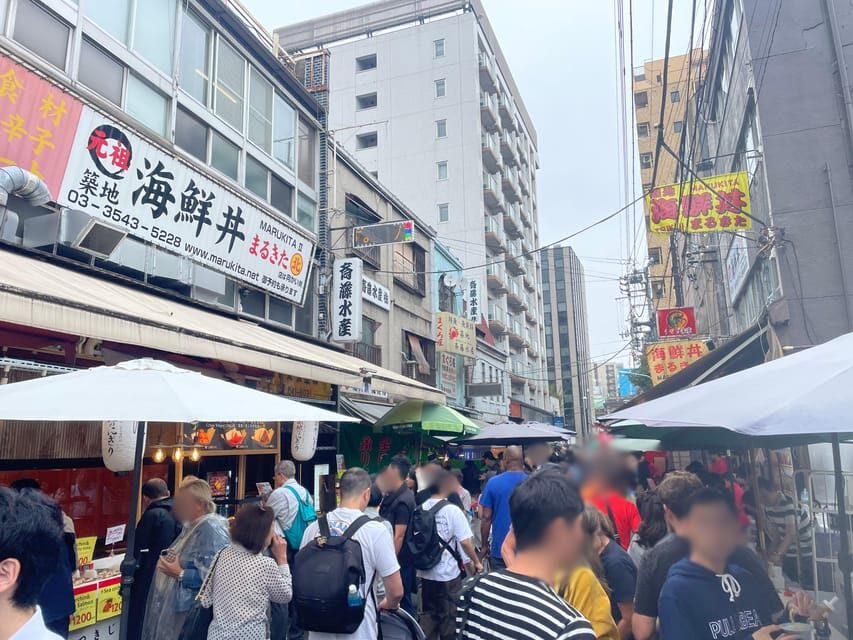
One of the best reasons to book this style of tour is the group size: limited to 6 participants. In market areas, a small group is the difference between “follow the guide” and “get stuck behind other people.”
With a smaller group, you tend to move more smoothly between tasting stops and photo spots. It also makes it easier for the guide to adjust on the fly if someone needs a little help with choices, timing, or pacing.
If you like your food tours to feel personal—more like a guided walk than a conveyor-belt experience—this fits that preference.
Timing and pace: 3 hours that can still feel full
The whole tour is 3 hours. That’s not long, but Tsukiji is an active place. You’ll be walking through the Outside Market, stopping for guided segments, and tasting foods along the way.
Because lunch isn’t included, you’ll likely want to plan what comes after. The tour gives you the chance to buy lunch later, using what you sampled as your guide for what to order. This approach is practical: you don’t start stuffed, and you can choose lunch based on real preferences.
If you’re planning another big activity the same day, give yourself a little buffer after the tour. You’ll probably want time to process what you liked and where you want to go back on your own.
Who should book this Tsukiji food culture tour
This tour is a strong match if you:
- want multiple tastings in a short, guided walk
- enjoy seafood and meat-based Japanese snack culture
- like learning context (temples and the shrine) alongside eating
- prefer a small group over large crowds
You might skip it if you’re vegan, have significant food allergies, need wheelchair accessibility, or want a long sit-down lunch built into the price.
Should you book Tsukiji at this price?
If you’re the kind of traveler who wants to eat well in a limited time window, I’d say yes. The $99 cost is mainly paying for an English guide who helps you navigate the Outer Market and for the included light meal tastings. That combo is what makes the tour feel like value rather than just “walking around with company.”
I’d only hesitate if you know your diet won’t work with seafood/meat tastings, or if your allergies are serious enough that cross-stall ingredients could be an issue. For everyone else, this is a smart way to understand Japanese food culture in the place where it’s made, sold, and eaten on the spot.
FAQ
What does the tour include?
It includes an English-speaking guide and a set of snacks. The snacks can include seasoned seaweed, dried fish, roast beef sushi, oysters or sashimi, and bean snacks.
How long is the tour?
The tour lasts about 3 hours.
Is lunch included?
Lunch is not included. You can buy lunch later based on what you like during the market tasting portion.
Where do I meet the guide?
Meet outside of the main gate of Tsukiji Hongan-ji.
Where does the tour end?
The tour ends at Namiyoke Shrine (波除神社).
Is the tour suitable for vegans or people with allergies?
No. It is not suitable for vegans and it is not suitable for people with food allergies. Snacks may include seafood and meat, so you’ll need to tell the guide about any allergies.