REVIEW · KANAZAWA
Kanazawa: Noto Peninsula Private Day-Tour
Book on GetYourGuide →Operated by Kanazawa Tours · Bookable on GetYourGuide
Noto Peninsula is the kind of trip that changes gears often. This private day-tour starts with a Wajima Morning Market morning, then shifts to rice terraces, saltmaking, temple art, and a long coastal sand drive. You’ll cover a lot of real local life in one day without renting a car.
I especially liked two parts: the traditional salt production at the Okunoto Salt Farm Village, and the view-and-drive combo at Chirihama Nagisa Driveway. It feels like you’re moving through different chapters of the region instead of ticking off stops.
One thing to consider: the market portion can feel long if you’re not in browsing mode, and English quality can vary a bit by guide. If you want short, focused stops, this format might not feel tight.
In This Review
- Quick hit highlights
- How this private day from Kanazawa really works
- Wajima Morning Market: eat-with-your-eyes and shop if you want
- Senmaida Rice Fields: 2,000 paddies and that steep-slope view
- Okunoto Salt Farm Village: the Agehama technique still in use
- Myojoji Temple and the Joroku-do Shakyamuni Buddha
- Chirihama Nagisa Driveway: the 8 km of packed sand
- Price and value for a 3-person private group
- Guides, language, and pacing (what I’d watch for)
- Who this Noto day-tour is best for
- Should you book the Kanazawa: Noto Peninsula Private Day-Tour?
Quick hit highlights
- Wajima Morning Market: fish, vegetables, and local crafts in a real street-stall setting
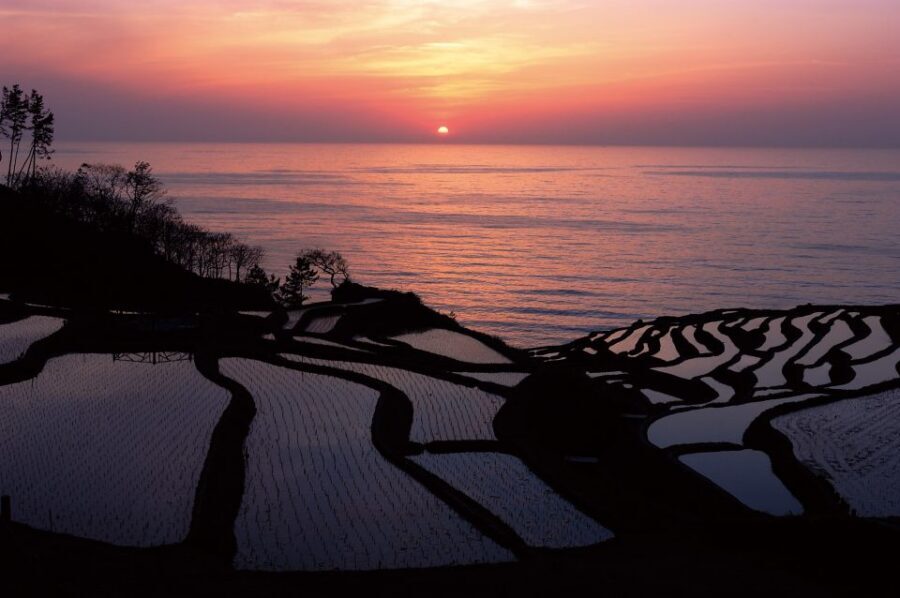
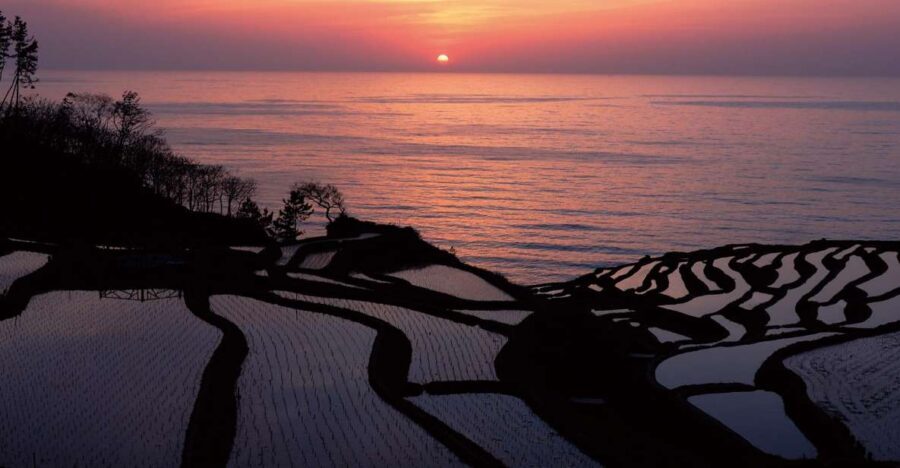
- Senmaida Rice Fields: over 2,000 paddies on steep slopes with ocean in the background
- Okunoto Salt Farm Village: still uses the Agehama technique with roots over 500 years
- Myojoji Temple (Nichiren Sect): includes the Joroku-do hall with a restored Shakyamuni Buddha statue
- Chirihama Nagisa Driveway: an 8 km stretch of packed fine sand for a calm coastal drive
How this private day from Kanazawa really works
This tour runs 9 hours, paced for a private group and built around one straightforward goal: show you Noto’s working countryside and coastal culture in a single day. You start with hotel pickup at 8:30 AM, then you head out with an English-speaking driver-guide.
From there, the day is structured like a sequence of environments. First comes food and handmade goods in Wajima. Next you move inland and up to the Senmaida rice terraces, then you return toward Suzu for the salt farm village. After a temple stop at Myojoji, you finish with the beach drive along Chirihama Nagisa Driveway before dropping you back in Kanazawa at 5:30 PM.
For me, the value of a private format is less about luxury and more about control. You can ask questions while you’re moving, and the guide can steer the pace based on weather and your group’s interests—at least that’s how it tends to play out in practice (one guide, Yuka-San, was noted for adjusting to weather and group requests).
You can also read our reviews of more private tours in Kanazawa
Wajima Morning Market: eat-with-your-eyes and shop if you want
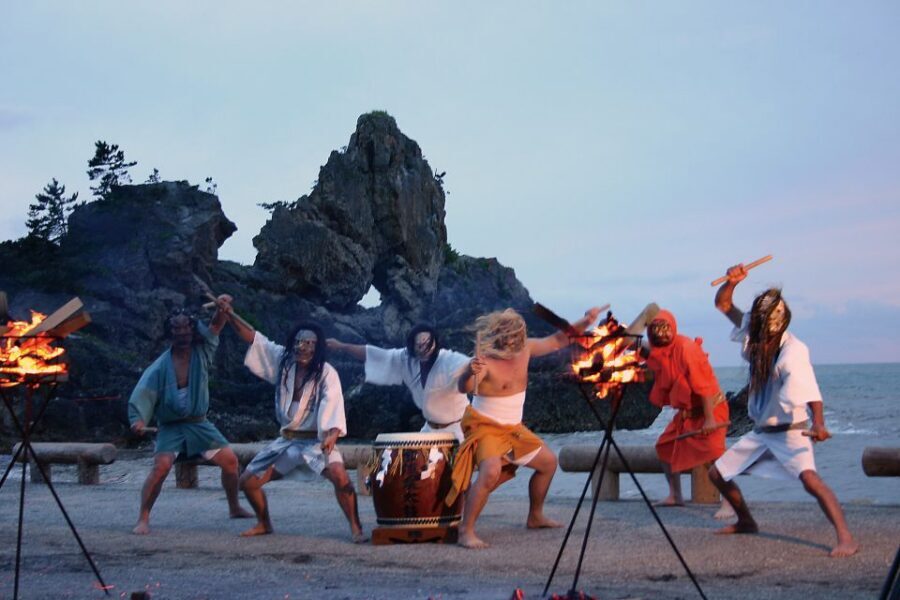
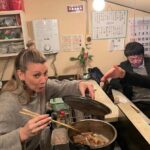
Wajima Morning Market is where the day starts to feel alive. Your driver-guide takes you directly into the area, and you’ll explore the stalls lined along the streets—this is the place where you’ll see fresh fish, fresh vegetables, and traditional arts and crafts.
What makes this stop work well (especially early) is that it’s not a staged “tourist craft fair” vibe. It’s a market environment. Even if you don’t buy anything, you get a real sense of what people actually trade: produce, seafood, and locally made items that fit the region.
Two practical tips for your visit:
- Wear comfortable shoes. You’ll be walking around a fair amount, and the ground can be uneven near the stalls.
- Bring cash if you plan to buy small items. The tour info specifically asks you to bring it, which usually means you’ll be able to make purchases more easily in at least some areas.
Possible drawback: if you’re the type who prefers quick, efficient stops, the market time can feel too long. One booking feedback specifically called out that the market visit ran long. If you want a tighter schedule, just tell your guide early that you’d like to focus on a shorter browse-and-shoot session.
Senmaida Rice Fields: 2,000 paddies and that steep-slope view
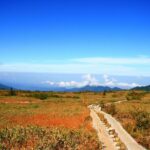
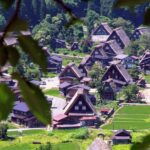
After Wajima, you head to the Senmaida Rice Fields, where the scenery does the heavy lifting. You’re looking at a vast area of over 2,000 rice paddies set on steep slopes, and the tour highlights the geometry of the fields—green shapes that contrast with the blue ocean in the background.
This stop is one of those “take your time or you miss it” locations. The paddies create lines and patterns that are easy to appreciate from the right viewpoint. It’s also a great photo stop, but don’t rush the walking. The slope changes your perspective fast, so your “best view” might not be the one you first notice.
What to watch for as you plan your time here:
- Expect walking and viewpoints on uneven ground. Comfortable shoes matter again.
- If the weather is bright, you’ll get strong contrast between the sea and the fields. If it’s cloudy, the scene can look more muted, but still dramatic because of the steep terracing.
If you like landscapes, but in the everyday sense—working farmland, farmers’ “real” patterns, and how humans shape the land—Senmaida is the emotional center of the day.
Okunoto Salt Farm Village: the Agehama technique still in use
Next up is the Okunoto Salt Farm Village in Suzu, and this is where the day turns from scenery into process. This is described as the only salt farm in Japan that continues using the traditional Agehama technique for salt production.
If you’re the kind of traveler who likes to understand how something works, this stop is satisfying. It’s not just “look at salt.” It’s about watching a long-running method and learning how it fits into the region’s life. The technique has history dating back over 500 years, which gives you a sense of continuity.
Why this matters for your trip: salt is easy to treat as a background ingredient, but here it becomes the main event. You’ll leave with a better sense of how coastal regions used their environment for survival and trade.
Practical note: since you’re combining multiple stops in one day, the salt village is a great place to slow down. It’s the kind of site where you’ll likely spend more time absorbing explanations from the guide than chasing photos.
Myojoji Temple and the Joroku-do Shakyamuni Buddha
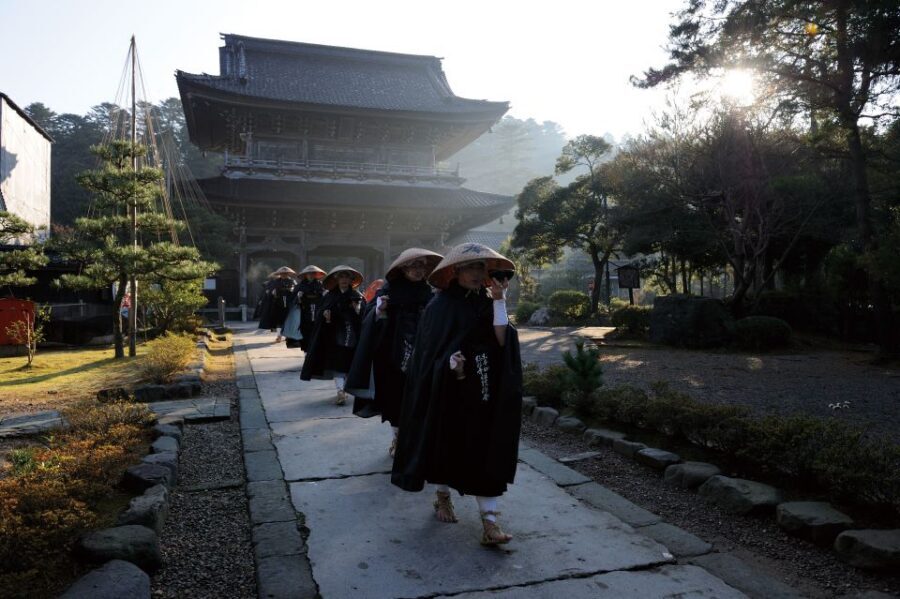
After the salt farms, you visit Myojoji Temple, described as the main temple of the Nichiren Sect in the Hokuriku Region. This is your cultural reset point—less coastal, more spiritual—and it adds depth to the day.
One specific highlight is the Joroku-do, a hall containing an impressive wooden statue of Shakyamuni Buddha. The tour info also notes that the hall’s statue has been restored to its original form, which adds extra meaning. Restoration matters here because it affects what you see: you’re not just viewing an old object; you’re seeing something brought back toward its original appearance.
If you like temples that connect to a specific sect or region, Myojoji helps you understand Hokuriku’s religious landscape beyond generic “Japanese temple” images. The Nichiren connection is a clear thread that ties the site together.
Plan for a slower pace during this segment. Temple visits are often more about respectful viewing and reading what’s on-site (when available) than about constant movement.
Chirihama Nagisa Driveway: the 8 km of packed sand
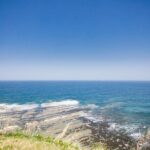
To close the day, you’ll drive along Chirihama Nagisa Driveway, an 8-kilometer scenic route made of tightly compacted fine sand. Because it’s firm, it’s described as pleasant enough for a drive, so you’re not dealing with soft beach chaos.
This is a “how did they make this work?” kind of experience. The sand drive feels unique enough to remember, but it doesn’t require hiking gear or a long walk. You get coastline views with the low effort of sitting in the vehicle.
A nice detail of this stop: the day’s theme has shifted from market to fields to salt process to temple art, and now you’re back to the sea. The beach drive gives you that final sensory release—wind, open horizon, and a sense of space before you head back to Kanazawa.
Price and value for a 3-person private group
The price is $835 per group up to 3 people, for a full 9-hour day with pickup and drop-off, a driver-guide, private transportation, parking, and all taxes/fees/handling charges.
On paper, it can look expensive—until you break down what’s included. You’re not just paying for transport. You’re paying for the ability to visit several far-flung locations in one day without coordinating buses, transfers, or timing. You also get an English-speaking guide to translate context at the market, explain the Agehama technique, and frame what you’re seeing at Myojoji.
Is it good value? For small groups—especially couples or a trio—it often is, because the cost is capped per group. If you’re traveling solo, the same format can feel heavy, since you’re still paying the group price.
My practical take: if you want to see Wajima + Senmaida + salt farms + a temple + Chirihama all in one shot, this private structure is what makes it realistic.
Guides, language, and pacing (what I’d watch for)
A private day-tour lives and dies on the guide. In the available feedback, Yuka-San was specifically praised for sharing knowledge and adjusting the tour to the weather and group requests, plus helping find a lunch spot that landed well. That kind of responsiveness is exactly what you want when you’re packing a lot into one day.
At the same time, one booking mentioned that the guide worked hard with English but was sometimes difficult to understand. That doesn’t mean the tour is bad—just that if English clarity is your top priority, you should treat this as something to prepare for. During the day, don’t be shy about asking your guide to repeat or slow down.
For pacing, keep your expectations realistic: markets and temples take time. If you notice you’re less interested in browsing stalls, you can ask your guide to keep you moving so the day stays enjoyable.
Who this Noto day-tour is best for
I’d point this one toward you if:
- You want a high-contrast day: market morning, terraced farmland, traditional saltmaking, temple art, and a coastal drive.
- You prefer private transportation and a guide to handle logistics.
- You’re traveling with a small group (up to 3) and want to share the per-group cost.
- You like learning how everyday local work becomes cultural identity—like salt production via Agehama.
I’d think twice if:
- You dislike long browsing time and want short, efficient stops at every location.
- You need very consistent, easy English narration without any occasional strain.
Should you book the Kanazawa: Noto Peninsula Private Day-Tour?
If you want one day that actually feels like Noto—coast, rice terraces, salt production, and a real temple visit—then yes, this tour is a strong fit. The private format makes the schedule workable, and the stops chosen give you more than scenery: you get local process at the salt farms and meaningful context at Myojoji.
My final advice: go in ready to slow down at the places that reward it. If you do that, you’ll come away with a clear picture of how this corner of Honshu lives—right up to the sand-drive finale.