REVIEW · KAMAKURA
Kamakura Bamboo Forest and Great Buddha Private Tour
Book on Viator →Operated by Fulfilling Inc. · Bookable on Viator
Bamboo and Buddha, in one long day. This private Kamakura tour packs Hokoku-ji’s bamboo garden (about 2,000 groves) and Kotoku-in’s Great Buddha into one smooth day with English-speaking guidance. I like the family-and-friends pace and the fact you’re not spending your time figuring out stops on your own. One drawback: you should plan on a solid amount of walking, and Kamakura is not kind to knee issues.
You’ll also get the kind of local context that makes these sites feel more than postcard targets. Some groups have been led by guides like Kono-san and Akira, and the big difference is whether you can ask follow-up questions in comfortable English—one past group noted that a guide’s English can limit deeper history chat. Still, if your goal is to see the highlights without stress, this route hits the core spots in a tight 9-hour window.
In This Review
- Key Things I’d Focus On Before You Go
- Why This Kamakura Tour Works: More Than a Checklist
- 9 Hours, Five Stops: How the Day Flows
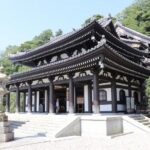
- Hasedera Temple: A Seasonal Flower Temple to Start Soft
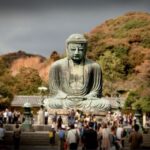
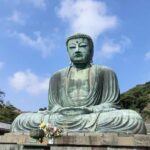
- Kotoku-in Great Buddha: 13.35 Meters of Bronze Focus
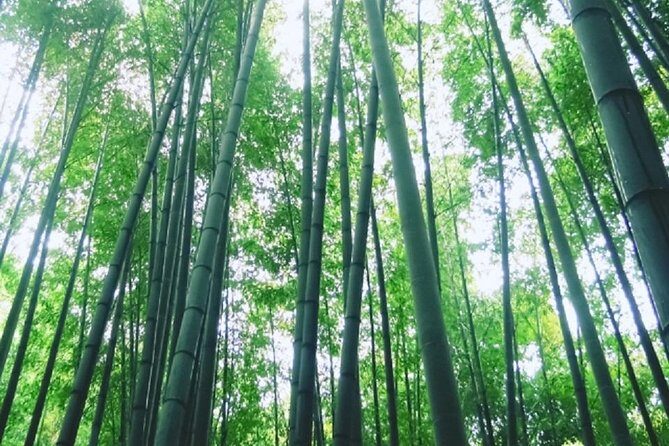
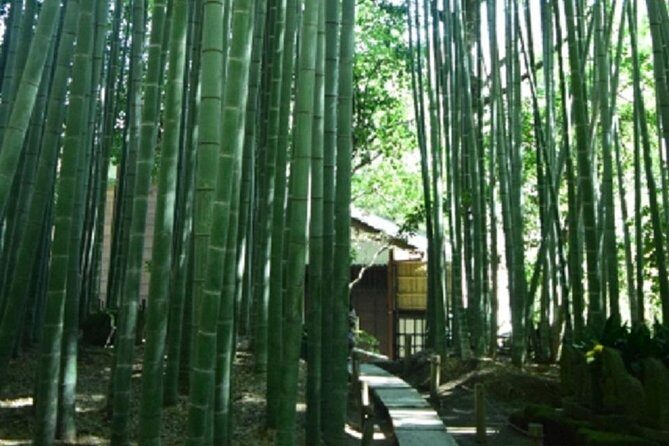
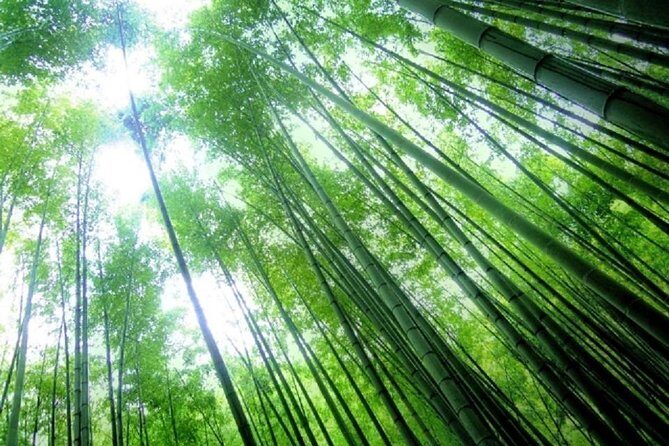
- Hokoku-ji Bamboo Forest: Cool Shade and About 2,000 Groves
- Tsurugaoka Hachimangu and Komachidori: The City-Center Pair
- Guide Quality: When English Helps vs. When It Limits
- Price and What You’re Really Paying For
- Logistics That Matter: Pickup, Public Transit, and Comfort
- Who This Private Kamakura Tour Suits Best
- Should You Book This Kamakura Private Tour?
- FAQ
- How long is the Kamakura Bamboo Forest and Great Buddha Private Tour?
- Is hotel pickup included?
- Is this a private tour?
- Does the tour include admission tickets and food?
- Do I need to arrange public transportation?
- Which major stops are included?
- What happens if the weather is poor?
Key Things I’d Focus On Before You Go
- Private by default: only your group, so you can move at a comfortable pace.
- Bamboo at Hokoku-ji with matcha time: cool air, shade, and a chance to sip tea while you look at the groves.
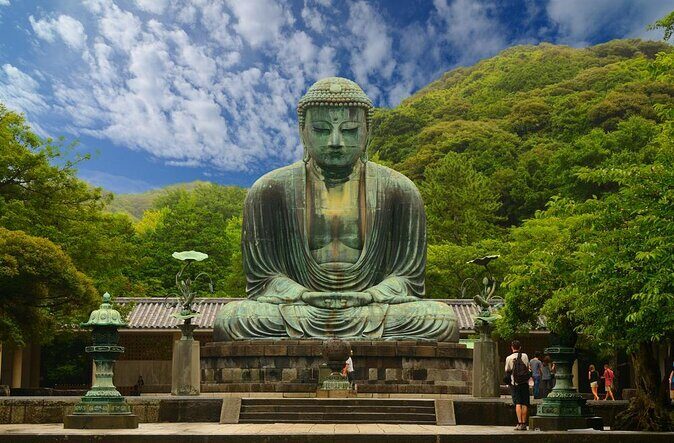
- Great Buddha storytelling at Kotoku-in: you’ll hear historical context while viewing the 13.35-meter bronze statue.
- A flower-season start at Hasedera: the temple is known as a flower temple with seasonal color.
- Tsurugaoka Hachimangu in central Kamakura: a key shrine stop before you stroll Komachidori.
- Hotel pickup in Tokyo’s 23 wards + public transit in Japan: you get the best of both worlds—less city-fighting in Tokyo, more local travel once you’re in Kamakura.
Why This Kamakura Tour Works: More Than a Checklist
Kamakura can feel like two things at once: a scenic, historic pocket by the sea, and a place where you’ll walk your way through temples and shrines. This tour leans into that reality instead of fighting it. You get a plan that moves site to site, with a guide to connect the dots so you’re not just staring at buildings.
What I like most is the pairing. Bamboo forest calm and Great Buddha scale sit next to each other, so the day has emotional contrast. Hokoku-ji is cool, shaded, and a little mysterious; Kotoku-in is wide-open and monumental. Throw in Tsurugaoka Hachimangu and you’ve got both the quiet spiritual side and the old Kamakura center.
Value matters here. At $176.37 per person for a roughly 9-hour private experience, you’re paying for convenience plus interpretation. The admission fees aren’t included, and you handle food and drink. But you’re also buying time saved and navigation help—especially useful when you’re riding public transportation.
You can also read our reviews of more private tours in Kamakura
9 Hours, Five Stops: How the Day Flows
This isn’t a rushed “10 minutes per photo” kind of day, but it’s still structured. The typical stops are about an hour each, with a shorter stretch on Komachidori afterward.
Here’s the rhythm you should expect:
- A temple start at Hasedera (about 1 hour)
- Kotoku-in Great Buddha (about 1 hour)
- Hokoku-ji bamboo garden (about 1 hour, with matcha possible)
- Tsurugaoka Hachimangu Shrine (about 1 hour)
- Komachidori shopping and snacks street (about 30 minutes)
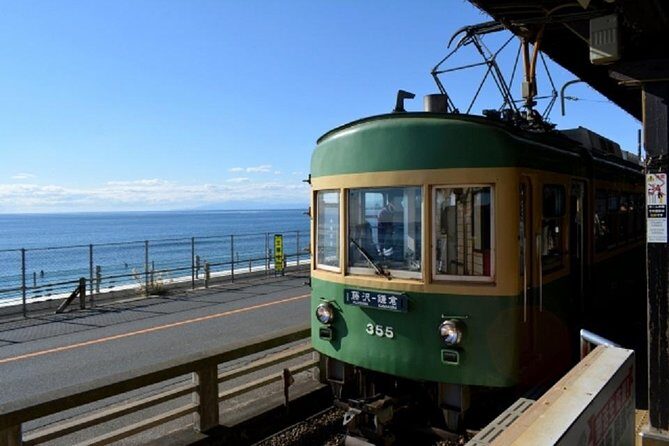
Between sites, you’ll use public transportation in the region. That’s part of the charm, since Kamakura is lived-in, not staged for tourists only. It also means you’ll want to be ready with comfortable shoes and a rain layer.
Hasedera Temple: A Seasonal Flower Temple to Start Soft
You’ll begin at Hasedera, a stop many people pair with the bigger Kamakura names because it sets a gentle mood. It’s described as being as famous as Tsurugaoka Hachimangu and Kenchoji, and it’s known as a temple of flowers since ancient times.
Practically, that means:
- You’ll likely see seasonal color depending on when you go.
- The atmosphere is usually calmer than the main courtyard-heavy tourist sites.
- It’s a good warm-up before you hit the big visual wow moments.
If you’re visiting at a time when blossoms are active, this start can feel especially rewarding because you’re not immediately overwhelmed by scale. And even when flowers aren’t the headline, the garden setting makes for a nicer pace than going straight to the outdoor bronze statue.
One thing to keep in mind: temples mean walking. Even if a stop is “about an hour,” there’s often vertical terrain and pathways.
Kotoku-in Great Buddha: 13.35 Meters of Bronze Focus
Then you shift gears to Kotoku-in. This is where Kamakura earns its reputation fast.
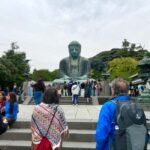
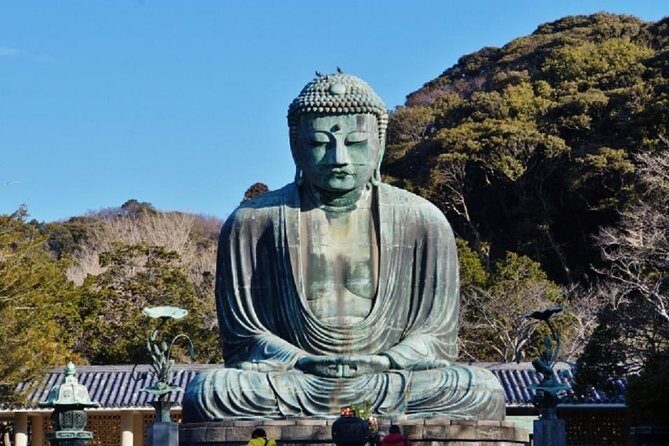
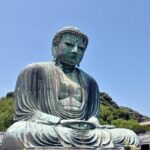
The Great Buddha here is an outdoor bronze statue of Amida Buddha, about 13.35 meters tall, seated on the grounds of Kotoku-in Temple. You’re not just looking at a statue—you’re hearing detailed historical explanations from the guide as you view it.
Why a guided approach matters:
- It helps you understand what you’re seeing beyond size.
- You get context while the statue is right in front of you, which makes the learning stick.
- You’re less likely to miss small visual clues in the setting.
A small caution from real-world experience: some groups have praised their guides’ English and depth, while one group noted limited ability to answer history questions beyond prepared points. If history Q&A is a big goal for you, it’s worth treating this as a “guided viewing with narration,” not an open-ended seminar.
Hokoku-ji Bamboo Forest: Cool Shade and About 2,000 Groves
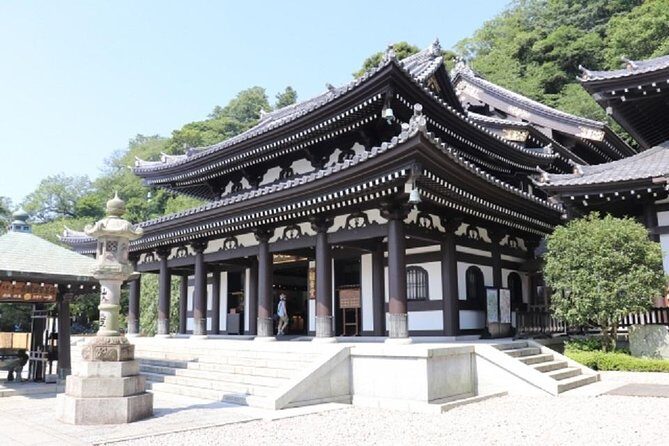
Next comes the star for a lot of people: Hokoku-ji, famous for its bamboo garden. This is described as a Michelin Green Guide site with a three-star rating, and it’s noted as having only two locations in Kamakura—so it’s not some generic bamboo photo stop.
You’ll spend about an hour here, and that hour can do a lot if you lean in. The grove is said to create a cool, mysterious atmosphere. In plain terms: it feels different from the streets outside the temple grounds.
Also, this is one of the only stops on this route where you’ll likely slow down naturally. The overview notes that you can drink matcha while watching the fantastic roughly 2,000 bamboo groves.
That matters for two reasons:
- It gives you a break from walking and photos.
- It turns the visit into a full sensory moment, not just a picture.
If you go on a rainy or misty day, the bamboo atmosphere can feel even more magical. Still, the tour notes it requires good weather, so don’t count on fog or heavy rain—check the day’s conditions.
Tsurugaoka Hachimangu and Komachidori: The City-Center Pair
After the temples, you move into Kamakura’s shrine-and-street energy.
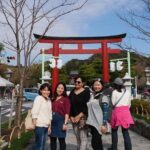
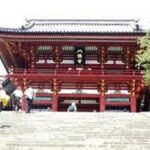
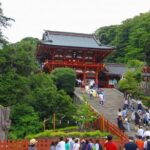
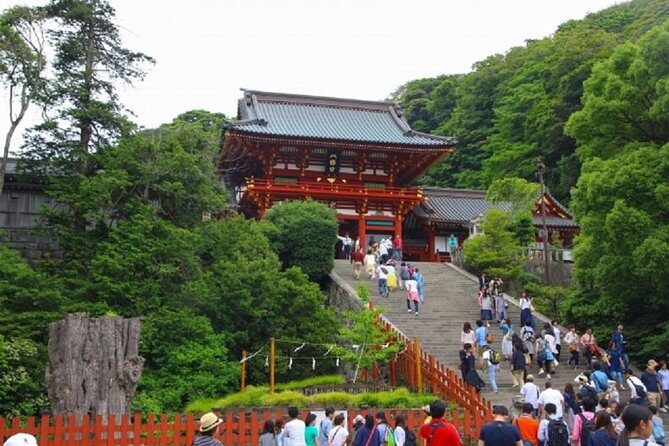
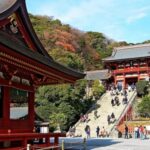
At Tsurugaoka Hachimangu Shrine, you’re in the middle of the city center. It’s described as venerated for centuries as the home of gods of war. This is one of those places where the buildings and layout make more sense when you have someone to explain the context.
Then comes a 30-minute stroll on Kamakura Komachidori, the main shopping street. This is where you can:
- snack without feeling like you’re missing the itinerary
- browse unique shops and small food options
- take a breather before the final transit back
Even with “only” 30 minutes, the street stop is useful. It breaks up the day so you’re not temple-til-temple, and it helps you time your shopping so you don’t run out of energy too early.
Guide Quality: When English Helps vs. When It Limits
This is a private tour, and that usually means you get a cleaner experience than joining a big bus group. But guide communication still affects how much you get out of the day.
Past groups have called out strong performance from guides like Kono-san and Akira, praising friendly, organized service and detailed explanations. That’s the sweet spot: clear English, and enough flexibility to answer your follow-up questions.
On the other hand, one group experienced an English limitation with a guide called Kimo San, which made it harder to ask basic history questions beyond the prepared explanations. That doesn’t necessarily ruin the day—you can still see the sights—but it changes the level of conversation you’ll be able to have.
My practical advice: if you’re the type who likes to ask lots of questions, pick a tour slot and day where you can communicate calmly, and keep your questions focused. If you want simple narration plus great views, you’ll likely be happy either way.
Price and What You’re Really Paying For
At $176.37 per person for about 9 hours, this is priced like a true private experience. You’re covering:
- an English-speaking professional guide
- a private tour setup (only your group)
- pickup offered in Tokyo’s 23 wards
- group discounts (listed as a feature)
- a mobile ticket option
You’re not paying for:
- admission fees at each site
- food and drinks
- public transportation to and from (you handle the transit portion yourself as part of the day)
So where’s the value?
- You avoid planning friction. You’re not building a route between temple clusters and train lines.
- You get structured time. With five core stops, you won’t wonder if you missed something important.
- You get interpretation. The Great Buddha and shrine context are better with narration than with a phone screen.
If you already know you want these specific Kamakura highlights, a private guide can be cheaper than you think in time saved and missed connections. If you’re comfortable navigating and you only care about photos, you might find cheaper ways. But for most first-time visitors, the guide + tight route is the point.
Logistics That Matter: Pickup, Public Transit, and Comfort
This tour includes hotel pickup in Tokyo’s 23 wards, which is a big deal. It reduces the headache of getting to a meeting point—especially on a full day.
Once you’re in the Kamakura area, you’ll travel using public transportation. That’s good news for authenticity and cost control, but it does mean:
- you should keep your day bag light
- you’ll want to move efficiently between stations and temple entrances
- you should expect walking time even if each stop is “about an hour”
Bring:
- comfortable walking shoes (no heroics)
- a rain layer if the forecast looks iffy
- a small umbrella if that’s your style
- cash or cards for admissions and food since those aren’t included
Also, the experience notes that it requires good weather. If it’s canceled due to poor weather, you’ll be offered a different date or a full refund.
Who This Private Kamakura Tour Suits Best
This tour fits best if you want a guided day that feels personal, not crowded. It’s ideal for:
- couples and families who like a clear plan without rushing
- first-time Kamakura visitors who want the biggest hits in one day
- people who value narration at Kotoku-in and calm time in the bamboo
It’s less ideal if:
- you have trouble with walking or stairs, since Kamakura temple terrain can be demanding
- you want lots of free time beyond the listed stops
- you plan to rely on the guide for deep history discussion in perfect English (one past group reported difficulty)
That last point isn’t about quality of the places—it’s about communication fit.
Should You Book This Kamakura Private Tour?
If your goal is Hokoku-ji bamboo + Kotoku-in Great Buddha + Tsurugaoka Hachimangu, and you want a guide to help you move smoothly, I think this is a strong pick. The best part is the contrast: bamboo shade and matcha calm, then bronze scale, then back to central Kamakura energy on Komachidori.
My only hesitation is the walking. If your legs are good and you’re okay with a full day that includes temple paths, you’ll likely have a memorable outing. If walking is a major issue, you may want to rethink or choose a lighter route.
FAQ
How long is the Kamakura Bamboo Forest and Great Buddha Private Tour?
The tour lasts about 9 hours.
Is hotel pickup included?
Pickup is offered in the Tokyo 23 wards.
Is this a private tour?
Yes. It’s a private tour/activity, and only your group participates.
Does the tour include admission tickets and food?
Admission fees and food and drinks are not included.
Do I need to arrange public transportation?
The tour uses public transportation, but public transportation to/from is listed as not included for customers. You’ll need to handle your transit as part of the day.
Which major stops are included?
The itinerary includes Hasedera Temple, Kotoku-in (Great Buddha), Hokoku-ji (bamboo garden), Tsurugaoka Hachimangu Shrine, and Kamakura Komachidori.
What happens if the weather is poor?
The experience requires good weather. If it’s canceled due to poor weather, you’ll be offered a different date or a full refund.
If you tell me your travel month and who’s going (age range, walking comfort, and whether you care more about photos or explanations), I can help you judge if the 9-hour walking rhythm fits your group.