REVIEW · TOKYO
From Tokyo to Kyoto and Nara: A Captivating Full-Day Private Tour
Book on Viator →Operated by Ahmed Abu Tayeh · Bookable on Viator
Tokyo to Kyoto with Nara packed in is a time-saver worth planning. I like how the guide meets you at your arrival station, so you start sightseeing fast instead of fighting schedules, and I like that you can customize the stops without losing the overall structure. One catch: you still need to buy the bullet train ticket and pay extra for certain temple entrances and your lunch.
This is a long day (about 10 hours), but the payoff is seeing Japan’s big-name sites in two cities without the usual ticket-line stress. In past groups, guides such as Moto, Yuka, Kento, Yuji Hino, Midori-san, and Ahmed Abu Tayeh are named, and they’re repeatedly praised for clear English support and story-focused explanations.
In This Review
- Key Highlights Worth Your Time
- Kyoto and Nara in One Day: What You’re Really Buying
- Price and Logistics: The Costs You Must Plan For
- Bullet Train Without the Ticket-Stress: How the Day Flows
- Nara Park and Todaiji: Deer, Giants, and Meaning
- Kinkaku-ji Golden Pavilion: The Icon, Plus the Garden Pace
- Kyoto Station Lunch Under the Same Roof: Porta Dining Break
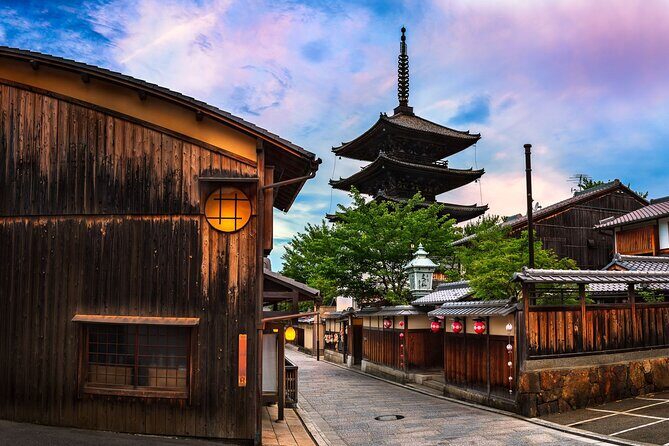
- Gion Walk: Old Streets, Wooden Houses, and Calm Within Crowds
- Fushimi Inari-taisha: The Torii Gate Trails, Stairs, and Tempo
- Guide Style and Private Pace: Why Ahmed Abu Tayeh (and Others) Matter
- Who This Tour Fits Best (and Who Might Feel Frustrated)
- What to Bring and How to Prepare for a 10-Hour Day
- Should You Book This Tokyo to Kyoto and Nara Private Tour?
- FAQ
- How many people can be in the group?
- How long is the tour?
- Is the bullet train ticket included in the tour price?
- What entrance fees should I expect to pay during the day?
- Is lunch included?
- Do I get a mobile ticket?
- Is transportation included?
- Is there an extra cost for Tokyo pickup?
- What is the cancellation policy for a full refund?
- Can this tour be canceled due to weather?
Key Highlights Worth Your Time
- Station meeting setup: Your guide meets you at the arrival station so you can jump into Kyoto/Nara with less friction.
- Nara + Kyoto in one day: You check off deer, a giant Buddha, a golden pavilion, and torii gates without chaining separate tours.
- Custom pacing: You can adjust the itinerary to your interests instead of running on a rigid script.
- Icon stops with context: You get more meaning than just photos at places like Todaiji and Fushimi Inari.
- English-friendly guidance: Multiple named guides are highlighted for being helpful and easy to communicate with.
Kyoto and Nara in One Day: What You’re Really Buying
This tour is for people who don’t want to burn their short Japan window on logistics. Yes, it’s “a day trip,” but the real value is the way it compresses two cities into a single plan with guided flow. Instead of you hunting down the right train, figuring out platforms, and translating ticket sites, someone else handles the moving parts—then meets you so you don’t waste your first hour in Kyoto.
The itinerary is built around variety. Nara gives you the deer park atmosphere and one of Japan’s most monumental temple experiences. Kyoto shifts gears into classic sights: the Golden Pavilion (Kinkaku-ji), historic Gion, and the red torii tunnel trails at Fushimi Inari-taisha. If you’re the kind of traveler who wants the icons, but also wants your guide to explain what you’re looking at, this format fits well.
The private part matters here. In a normal group tour, you can feel rushed at big sites. Here, you have undivided attention and flexibility to adjust based on your group’s pace and interests. That’s especially helpful if your group includes kids or if someone just wants a slower walk through gardens and shrine paths rather than sprinting to the next photo spot.
You can also read our reviews of more private tours in Tokyo


Price and Logistics: The Costs You Must Plan For
The headline price is $490 per group (up to 10 people). That part is straightforward. The less obvious part is what’s not included, because this is one of those tours where the final day cost depends on your group size and your choices.
Here’s what you should budget for besides the tour price:
- Local transportation (cash): ¥100,000 per booking if your group has up to 5 travelers. If you have more than 5, you’re asked to check the amount.
- Tokyo pickup guide cost (if needed): ¥60,000 per booking for pick up in Tokyo (cash to the guide). If you’re starting from Tokyo Station, it’s still explicitly costed.
- Bullet train tickets: Not included. The Tokyo–Kyoto and return cost is listed as ¥28,000 per person (ticket type affects this).
- Entrance fees: Todaiji temple and Kinkakuji have an extra admission cost of ¥1,300 per person.
- Lunch: Not included. There is a lunch break under Kyoto Station, but you pay for what you order.
- Gratuities: Optional, appreciated, never expected.
When I look at value like this, the question becomes: will this save you more time (and stress) than the extra fees add up to? If you hate ticket logistics and want a guide to manage sequencing, it often feels like a bargain for a “two cities in one day” mission. If you’re comfortable booking everything yourself and want maximum freedom, you might feel the added cost. Either way, you’ll know what you’re paying for after reading the list above.
Also note: the tour is private, mobile-ticket based, and designed for moderate physical fitness. That means there is walking and some shrine-temple movement. It’s not a couch tour.
Bullet Train Without the Ticket-Stress: How the Day Flows
The tour takes care of bullet train booking, but not the bullet train ticket itself. In practice, that means you won’t be stuck browsing Japanese ticket workflows when you’d rather be watching the countryside roll by.
Why this matters: the bullet train day can be stressful if you’re trying to time connections with check-in windows for tours, plus keeping your group together. Even when you speak a bit of Japanese, station wayfinding and ticket systems are easy to botch under time pressure. This tour is designed around getting you to Kyoto/Nara with less hassle, then handing you off to sightseeing at the right moments.
Plan for a long day anyway. The tour duration is about 10 hours. The schedule likely assumes you’ll move efficiently between major stops and enjoy each site in a “see it well” window rather than a “spend half the day” window. That’s exactly what you want if you have limited time and want the highlights, not if you want to linger deeply at just one temple.
Nara Park and Todaiji: Deer, Giants, and Meaning
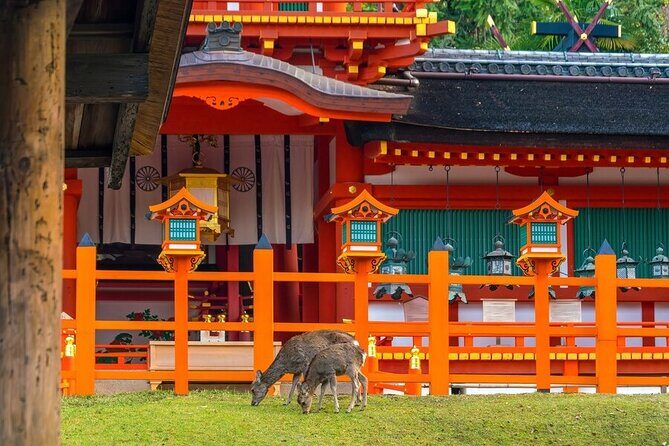
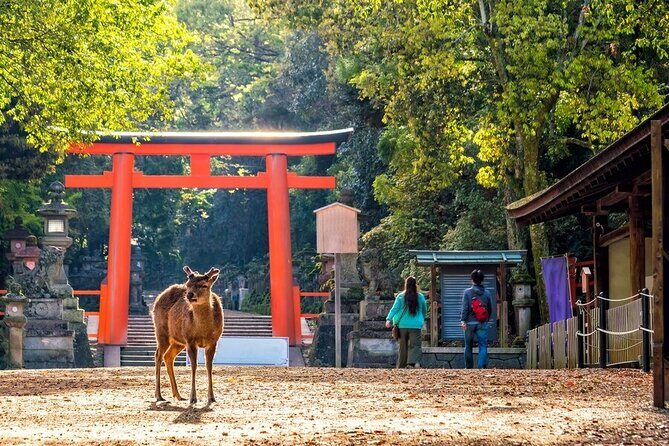
Nara Park is your first stop, and it sets the tone fast. You get a leisurely walk through Nara Deer Park, where deer roam freely. The atmosphere is friendly and open—good for your first impressions of Nara before you step into temple formality. It’s also a nice reset after travel, because it’s an outdoor stroll rather than immediate indoor site time.
One practical tip: go in with the expectation that deer encounters are part of the experience. You’ll likely spend time watching them, taking photos, and moving slowly to avoid getting in their way. If you don’t like close animal interactions, you can still enjoy the park paths, but your pace may be different.
Next is Todaiji Temple Cultural Center, with Todaiji and the Kasuga Shrine area tied into the visit. This is where the tour earns its keep. Todaiji is famous for the Great Buddha Hall, which houses one of the world’s largest bronze Buddha statues. Even if you’ve seen photos before, this is the kind of sight where a guide’s explanations change your understanding—symbolism, layout choices, and what you’re looking for.
Admission is extra for this stop (part of the ¥1,300 per person entrance fee total you should plan for). You’ll also get a time window of about 1 hour. That’s enough to see the key highlight and learn what matters without turning it into a half-day ordeal.
A small consideration: Nara temple areas can include lots of walking and crowd flow. The guide helps you keep moving, but this stop is still popular.
Kinkaku-ji Golden Pavilion: The Icon, Plus the Garden Pace
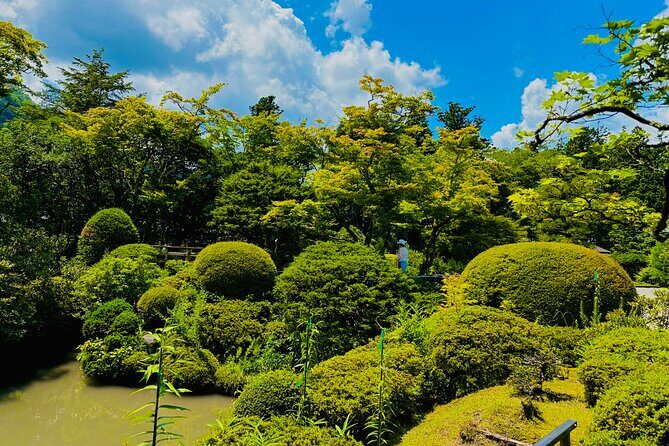
Then you jump into Kyoto’s defining temple image: Kinkakuji, the Golden Pavilion. Expect the classic scene—reflections and gardens—where the pavilion’s gold look is made for photos. This is one of those sites where being there in person hits harder than images.
Your stop time is about 1 hour. In that window, you’ll want to do two things:
1) see the main pavilion view points the way the paths guide you, and
2) take a slow lap through the garden spaces where the scenery works as a frame.
One benefit of having a guide: you won’t just walk the route. You’ll get context on what the layout and symbolism are trying to communicate. That turns the hour from a photo sprint into a meaningful visit.
Entrance is also extra for Kinkakuji (again, part of the ¥1,300 per person total listed). If you’re traveling with a tight budget, this is the moment to remember that the tour is not all-in on temple admissions. On the plus side, these fees are predictable and listed clearly.
A few more Tokyo tours and experiences worth a look


Kyoto Station Lunch Under the Same Roof: Porta Dining Break
Between major sightseeing clusters, you get a lunch break at Porta Dining, located beneath Kyoto Station. This is practical. Kyoto Station is easy to reach, easy to orient yourself in, and packed with food choices—so you’re not spending extra time hunting for a meal you’ll rush through.
Lunch itself isn’t included, but the time to eat is built into the plan (about 1 hour). I like this setup because it reduces decision fatigue. If your day starts early, you’ll appreciate having a known, convenient place to sit, recharge, and then rejoin the route.
What to do with this break:
- Choose something you can actually finish comfortably. When you return to shrine-temple pacing, you won’t want your stomach working overtime.
- Use the time to check your group energy. If someone needs a rest, this is when it’s easiest to adjust rather than changing plans mid-staircase at Fushimi Inari.
Gion Walk: Old Streets, Wooden Houses, and Calm Within Crowds
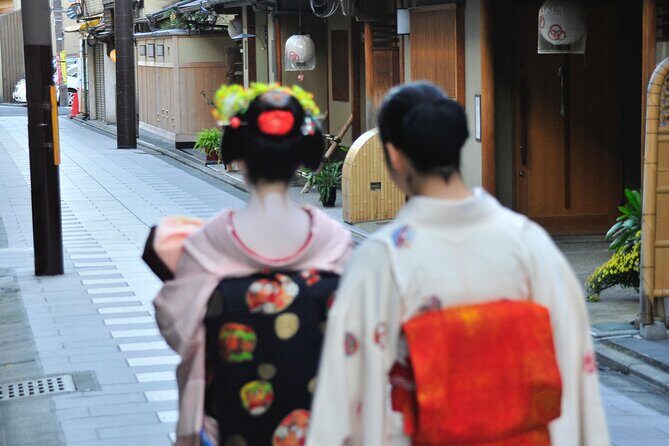
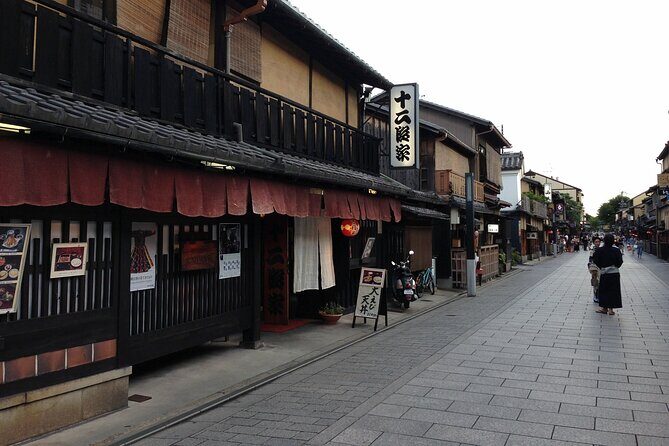
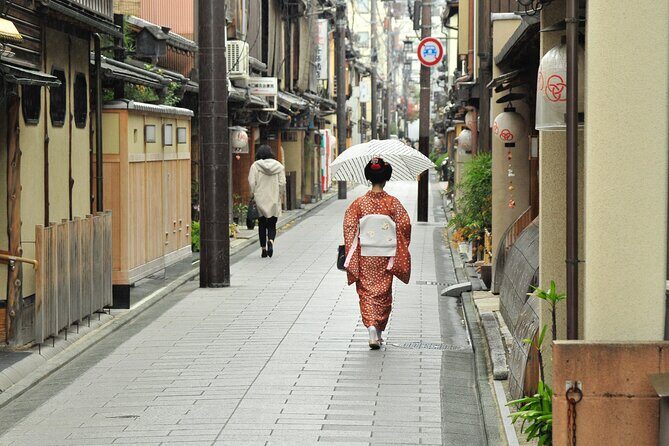
Gion is one of Kyoto’s signature districts, and you get about an hour there. The tour focuses on the historic feel—traditional machiya houses and the classic Gion atmosphere around the geisha district.
This isn’t only about seeing the neighborhood. With a guide, it’s also about understanding why this area looks the way it does and how it fits into Kyoto’s long cultural life. You’ll walk, look, and absorb the details, but the guide also helps you keep your time realistic within a day schedule.
A consideration: Gion can feel crowded depending on the time of day. A private guide helps you navigate so you’re not forced into a dead stop every few minutes. If you want quieter streets, ask your guide to steer the walk toward calmer sections at the right moments.
Fushimi Inari-taisha: The Torii Gate Trails, Stairs, and Tempo
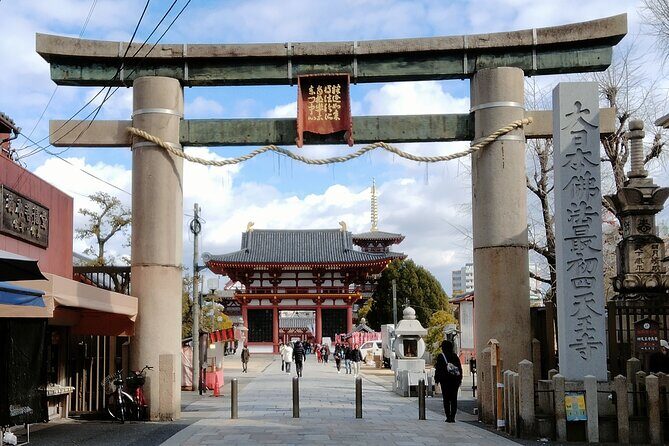
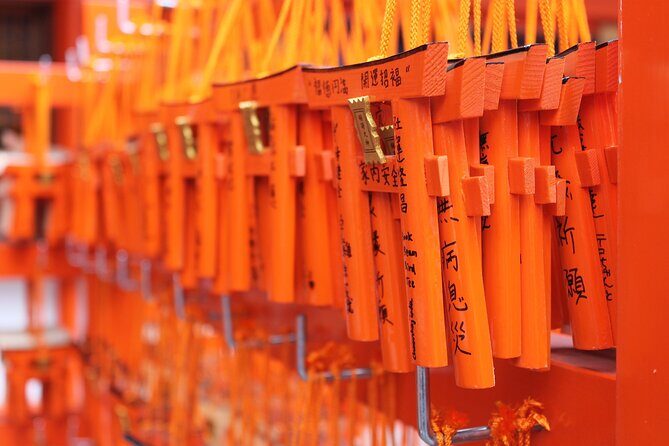
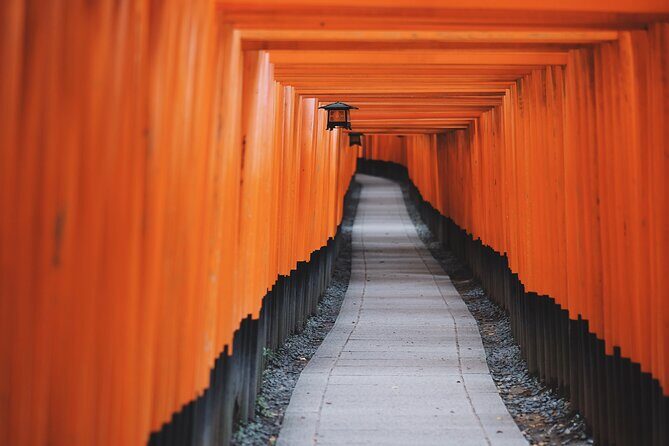
Finally comes Fushimi Inari-taisha, known for its thousands of red torii gates. This stop is about the experience of walking through the torii tunnel trails, not just reaching one landmark point. The shrine’s identity is in the repetition, the path layering, and the way it changes as you move.
You get about 1 hour. Here’s how to make that hour work:
- Don’t aim for the highest point unless your group is strong on walking. In an hour, you’ll enjoy the lower and mid sections without feeling like you’re racing.
- Wear shoes that handle stairs comfortably. Even if you’re not climbing aggressively, you’ll still feel the ground under your feet.
- Use your guide’s context. In a place like this, understanding the meaning behind the torii and shrine tradition makes your photos feel less random.
All the Fushimi Inari goodness is also the reason it can be physically demanding. The torii area is active. Plan for a moderate fitness pace, and let your guide control tempo so your day doesn’t fall apart at the end.
Guide Style and Private Pace: Why Ahmed Abu Tayeh (and Others) Matter
The experience is built around the guide meeting you, keeping the group together, managing sequencing, and explaining what you’re seeing. That’s why so many reviews highlight guides for covering key sites and adding historical and cultural context.
You may be guided by someone like Moto, Yuka, Kento, Yuji Hino, Midori-san, or Ahmed Abu Tayeh. Across names, the common praise is English support and story-focused explanations, including symbolism and cultural details that don’t always show up in signage.
Also, private tours often win or lose based on pacing. The best guides know how long to linger without letting the day drag, and how to handle real-world timing issues like schedule delays. If you’ve got a limited day in Japan, you want someone who keeps your plan intact while still making room for questions.
I also like the touch that lunch suggestions are part of the guide’s job. You’ll get help choosing where to eat within the schedule instead of taking a gamble and losing time.
Who This Tour Fits Best (and Who Might Feel Frustrated)
This tour fits best if:
- You have limited time and want Nara and Kyoto highlights in one day.
- You want English-friendly explanations, not just a checklist of sites.
- You prefer not to manage bullet train tickets and station navigation yourself.
- You like the idea of a plan you can slightly customize without starting from scratch.
You might feel less excited if:
- You love slow travel and don’t want a packed 10-hour schedule.
- You’re very price-sensitive and prefer to DIY trains, entrances, and meals.
- Your group has very limited walking tolerance. There’s moderate fitness required, plus stairs and trail walking at Fushimi Inari.
If you’re a first-time Japan visitor, this is also a smart way to get oriented. You’ll see the big icons and learn how they connect culturally, while still keeping your day organized.
What to Bring and How to Prepare for a 10-Hour Day
This is a full-day outing, so prepare for movement and weather swings.
Bring:
- Comfortable walking shoes (Fushimi Inari includes steps and uneven foot traffic).
- A small daypack for water and basics.
- An umbrella or light rain layer if you might hit wet conditions, since the tour requires good weather.
Also keep your expectations realistic: each stop is about 1 hour, plus travel between points. That pacing is what makes the two-city plan possible.
And plan your payments: you’ll likely deal with extra cash items for local transportation, and you’ll handle bullet train tickets separately. If you’re the type who likes everything pre-paid, this is a point to factor in before you book.
Should You Book This Tokyo to Kyoto and Nara Private Tour?
If you’re aiming to see Nara and Kyoto without turning your day into a ticket-and-translation problem, I think this is a strong choice. The private pacing, station meeting approach, and ability to customize stops make it feel efficient instead of frantic.
I’d book it if your priority is highlights with context and a guide who keeps you on track. I’d pause if you want maximum freedom, you’re comfortable handling bullet trains and entrances on your own, or your group needs a less active day.
FAQ
How many people can be in the group?
The tour is priced per group and supports up to 10 travelers.
How long is the tour?
The duration is approximately 10 hours.
Is the bullet train ticket included in the tour price?
No. Bullet train booking is taken care of, but the ticket cost is not included.
What entrance fees should I expect to pay during the day?
Entrance fees for Todaiji temple and Kinkakuji are listed as ¥1,300 per person.
Is lunch included?
Lunch is not included, even though there is a lunch break at Porta Dining under Kyoto Station.
Do I get a mobile ticket?
Yes, the tour includes a mobile ticket.
Is transportation included?
Transportation cost is not included. A cash payment is required for local transportation (¥100,000 per booking for up to 5 travelers).
Is there an extra cost for Tokyo pickup?
Yes. Tokyo Station pickup (guide cost) is listed as ¥60,000 per booking, paid in cash to the guide.
What is the cancellation policy for a full refund?
You can cancel up to 24 hours in advance for a full refund. Within 24 hours, no refund is provided.
Can this tour be canceled due to weather?
Yes. The tour requires good weather, and if it’s canceled due to poor weather, you’ll be offered a different date or a full refund.