REVIEW · TOKYO
Nikko Toshogu, Kegon waterfall, Lake Chuzenji One Day Pvt. Tour
Book on Viator →Operated by Sato · Bookable on Viator
Nikko feels like a time machine from Tokyo. This private day trip pairs UNESCO Nikko Toshogu sights with the kind of mountain scenery you usually only reach after a lot of transit fuss.
I like how the tour gives you real variety in one long day: ornate shrines plus a museum stop, then a full push into nature at Kegon Falls and Lake Chuzenji. I also love the comfort factor—an air-conditioned vehicle, parking handled, and a driver who keeps the whole plan moving smoothly.
One thing to consider: entrance fees are not included, and lunch isn’t included either—so budget a bit extra before you go.
In This Review
- Key things I’d prioritize on this Nikko private day
- Why this private Nikko day is worth the extra comfort
- Tokyo Station pickup and a driver who manages the day
- Nikko Toshogu: Tokugawa Ieyasu’s shrine complex in full detail
- Rinno-ji Temple: massive wooden halls, sacred statues, and quiet gardens
- Nikko Toshogu Museum: artifacts that make the carvings make sense
- Shōyō-en garden and Shinkyo Bridge: the approach that sets the mood
- Tokugawa Nikko Botanical Garden (Rinno-ji Garden)
- Shinkyo Bridge (Red Bridge)
- Kegon Falls and Lake Chuzenji: almost 100 meters of drama
- Price and logistics: what you’re paying for (and what you still need to cover)
- Who this Nikko day trip fits best
- Should you book this Nikko one-day private tour?
- FAQ
- FAQ
- How long is the Nikko Toshogu, Kegon waterfall, Lake Chuzenji one-day private tour?
- How many people can go on this private tour?
- Does the tour include pickup in Tokyo?
- Are entrance tickets included?
- Is lunch included?
- Is there a mobile ticket?
- What’s included in the transportation?
- Is free cancellation available?
Key things I’d prioritize on this Nikko private day
- Private vehicle from Tokyo Station: you skip the crowded bus shuffle and ride in comfort for about 12 hours.
- UNESCO Nikko Toshogu + Rinno-ji complex: Shinto and Buddhist sites tied to Tokugawa Ieyasu.
- Museum time at Toshogu: armor, swords, and personal items help connect the carvings to the real people behind them.
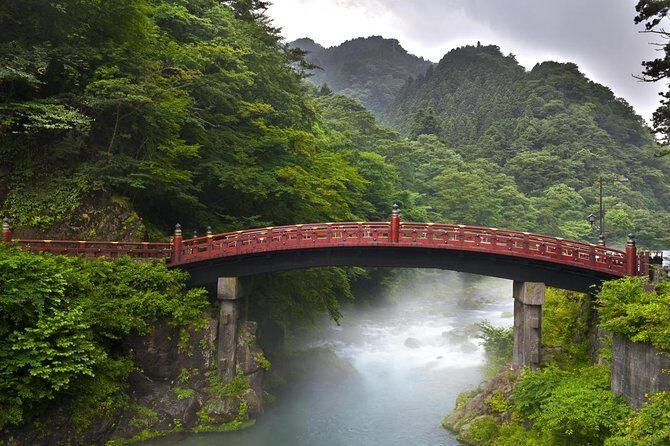
- Shinkyo Bridge on the shrine approach: an old bridge with Tokugawa-era roots and history about when it was accessible.
- Kegon Falls with elevator access: designed views up close to falls that drop nearly 100 meters.
- Driver-host energy: you get small comforts like water and snacks, plus useful history along the way.
Why this private Nikko day is worth the extra comfort
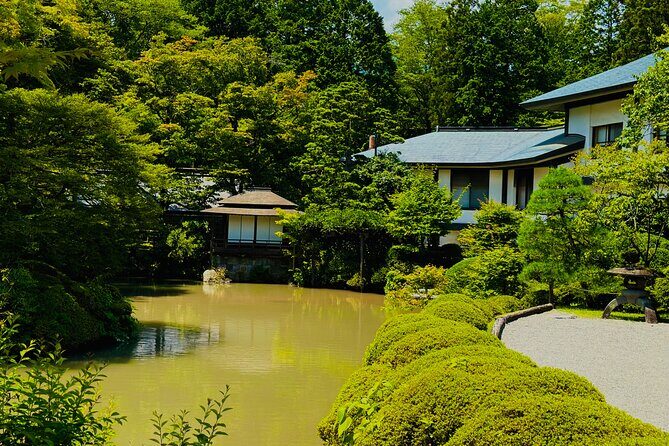
Nikko is one of those places where the details matter. You’re not just ticking off a shrine sign; you’re walking through layered faith—Shinto and Buddhism—tied to the Tokugawa shogunate, then switching gears to dramatic waterfall country.
The big reason I’d choose a private format is simple: it protects your day. A day trip can turn into a transportation math problem—waiting, crowded transfers, and lost time. Here, you’re in an air-conditioned vehicle with parking taken care of, and the driving plan is handled for you.
Also, the route is paced like a “best-of” rather than a marathon. You get time at key places (from 30 minutes up to about 2 hours) instead of rushing through everything in 10-minute bursts.
The only tradeoff is that this is still a long day: you’re out roughly 12 hours. If you’re hoping to do something short and mellow, this one may feel like a lot.
A few more Tokyo tours and experiences worth a look



Tokyo Station pickup and a driver who manages the day
This tour starts at Tokyo Station (Marunouchi, Chiyoda City) and ends back at the meeting point. That matters. Getting out and in from Tokyo is often where the stress hides—especially when you’re trying to make train schedules line up with a timed attraction.
Once you’re on the road, you’ll have:
- a/c comfort in the vehicle
- a hotspot on board
- fuel surcharge and parking covered
In one of the experiences I’m using as a guide for what to expect, the driver (Rana) was described as an all-around host—keeping things comfortable with small touches like water and snacks, while also spending time chatting and giving context. That kind of hosting isn’t just nice; it helps you understand what you’re seeing when you step outside.
One practical tip: bring a small day bag with a layer for temperature changes. The vehicle keeps you comfortable, but shrine areas and waterfall viewpoints can feel cooler or windier.
Nikko Toshogu: Tokugawa Ieyasu’s shrine complex in full detail
Nikko Toshogu is the centerpiece, and it’s not subtle about it. This is where the story of Tokugawa Ieyasu—enshrined here—connects to the big shift in Japan’s history. His rise to shogun status helped launch the Edo period, which is often remembered for long stretches of peace and prosperity.
What you’ll actually see is a complex grouped close together:
- a Shinto shrine and a Buddhist shrine in the same area
- ornate structures with detailed carving work
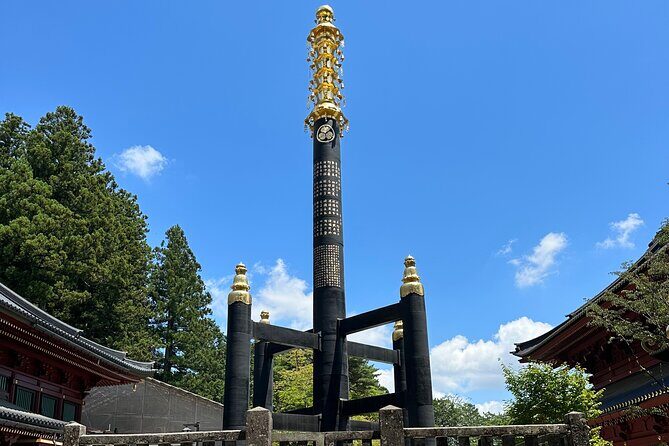
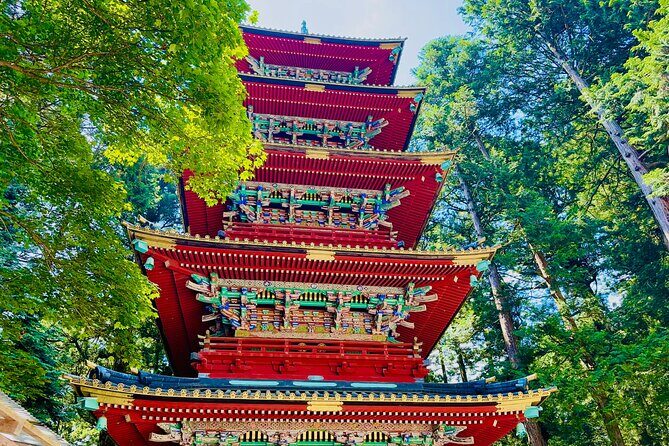
- a 36-meter pagoda that’s easy to recognize from a distance
You’ll have about 2 hours here, which is enough time to actually look instead of just “arrive and pose.” The Toshogu complex is also part of the UNESCO World Heritage listing for Shrines and Temples of Nikko.
What I love about this stop: the combination of scale and proximity. The Shinto and Buddhist sections are meant to be visited easily because they sit near each other. That makes your time feel efficient without rushing.
A consideration: admission fees are not included for Toshogu itself. Plan for an extra $10 per person for that shrine admission.
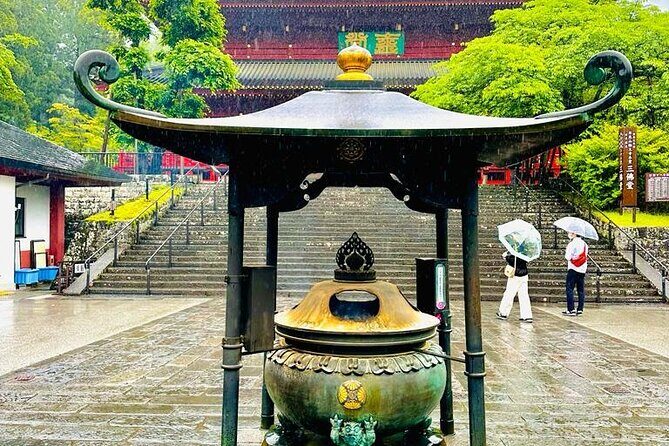
Rinno-ji Temple: massive wooden halls, sacred statues, and quiet gardens
Rinno-ji is more than a single building. It’s one of Nikko’s major historical temples and part of the same UNESCO World Heritage framework that includes Nikko Toshogu.
Expect a mix of major sights:
- the main hall, noted for being one of the largest wooden buildings in the area
- a set of massive gilded wooden statues tied to the mountain deities of Nikko:
- Amida Nyorai (Amitabha)
- Senju Kannon (Kannon with a thousand arms)
- Batō Kannon (Horse-headed Kannon)
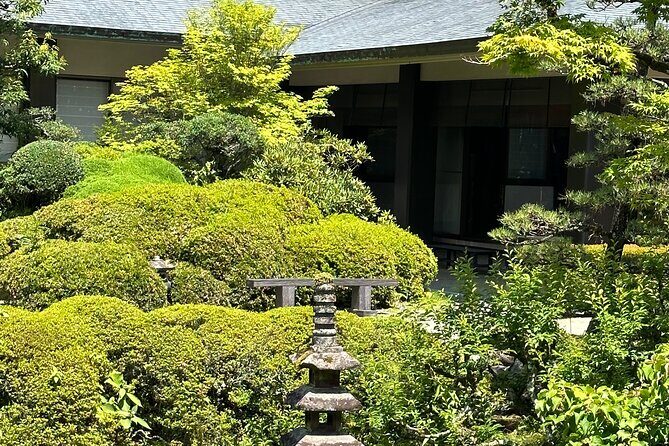
- Shōyō-en Garden behind the Sanbutsudō area, designed as a classic Japanese garden style
- Taiyūin Mausoleum, described as lavish
You’ll spend about 1 hour at this stop. That’s a good chunk of time because Rinno-ji can feel dense: there are multiple key areas, and some visitors benefit from slowing down rather than trying to see everything at maximum speed.
Just like Toshogu, Rinno-ji admission is not included in the tour price. The entrance amount listed is $7 per person for Rinno-ji and related garden/museum access.
Quick reality check: if you’re not into temples and statues, this is still worth seeing for the craftsmanship and the way the garden space creates a calmer rhythm between grand shrine structures.
Nikko Toshogu Museum: artifacts that make the carvings make sense
After the shrine walk, the Nikko Toshogu Museum is a smart mid-day pivot. It helps translate what you saw into something more human and specific.
Here’s what you’ll find in the museum collection:
- samurai armor
- swords
- personal belongings of Tokugawa Ieyasu
- exhibits that connect to the Edo period and the Tokugawa shogunate
This stop is about 30 minutes, so it’s not meant to be a full museum day. Think of it as a “context booster.” It’s especially helpful if you’d like to understand why certain decorations and architectural choices matter.
The museum is also described as part of the broader Toshogu complex, and it connects visually to elements you’ll hear about in that area—like the famous gate known as Yomeimon and a carved cat called the Nemuri-neko (Sleeping Cat).
Admission for this museum area isn’t included either, since it’s included in the bundled entrance you’re given for Toshogu-related museum access.





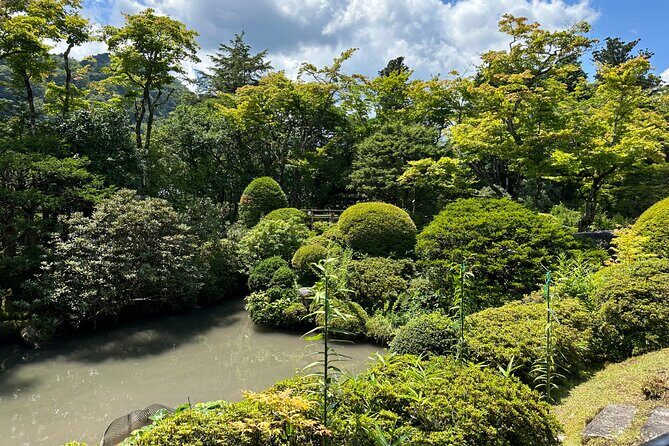
Shōyō-en garden and Shinkyo Bridge: the approach that sets the mood
Nikko doesn’t just hit you with big sights; it builds atmosphere along the way. Two stops do that particularly well: the Nikko Botanical Garden area and then Shinkyo Bridge.
Tokugawa Nikko Botanical Garden (Rinno-ji Garden)
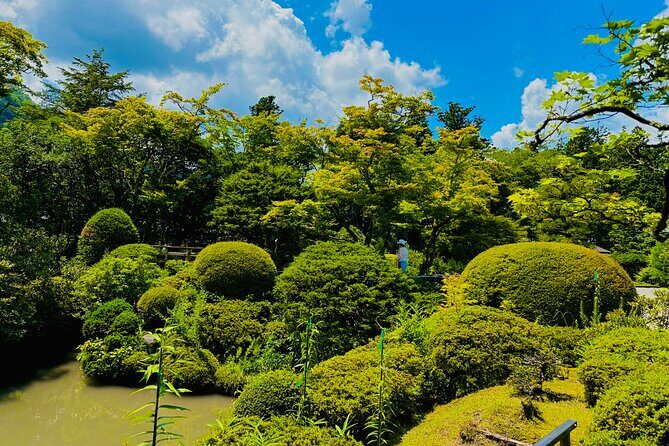
This garden is described as historically significant and tied to Tokugawa Ieyasu, with elements like carefully arranged rocks, ponds, and maintained vegetation designed to create a sense of tranquility.
You’ll have about 30 minutes. That’s the right timing for a garden: long enough to notice layout choices, but not so long that you start losing the thread of the day.
Admission isn’t included for the garden stop.
Shinkyo Bridge (Red Bridge)
Shinkyo Bridge is the classic “arrive at the shrines” moment. It’s said to be the oldest bridge since the Tokugawa era, and the current bridge was constructed in 1636. A key detail here: until 1973, the bridge was off limits to the general public. It then underwent major renovation work in the late 1990s and early 2000s, and now visitors can walk across for a fee.
The tour lists the stop as free for the bridge time, but the bridge itself includes the idea that walking access involves an entrance fee. Either way, this is a short stop—about 30 minutes—so it’s an easy win for photos and atmosphere.
Why this pair matters: the garden slows you down, and the bridge gives you a threshold moment right back into the shrine area.
Kegon Falls and Lake Chuzenji: almost 100 meters of drama
Then you go full nature mode. Kegon Falls is famous in Japan for its scale—described as almost 100 meters deep—and it’s built for viewing. There’s also an elevator installed in 1930 to reach the closest viewpoint.
You’ll spend about 2 hours here, which helps because waterfall areas often have variable viewing routes and you may want time just to take it in. This is the kind of stop where you’ll probably end up standing longer than you planned, even if you’re not a big photo person.
The falls are also connected to the broader Chuzenji area. The information provided links the experience with Lake Chuzenji and the nearby Chuzenji shrine, with the lake described as peaceful—almost like a slice of paradise.
Admission for the Kegon Falls stop is listed as free in the tour details, which makes this section feel extra satisfying after the shrine admission add-ons earlier in the day.
Practical advice: wear shoes you can trust. You’re dealing with damp ground in waterfall areas, and walking around platforms can be slippery depending on weather.
Price and logistics: what you’re paying for (and what you still need to cover)
At $500 per group (up to 5), this isn’t cheap on paper—but private day trips often aren’t about the absolute number. They’re about what you avoid: time lost to logistics, fatigue from crowded transit, and the hassle of coordinating tickets and transfers.
Let’s do the value math in a practical way:
- If your group fills the limit of 5, that’s $100 per person for the transportation and the guided route.
- If it’s just 2 people, it’s $250 per person.
Entrance fees still apply, and the tour data lists specific amounts:
- Rinno-ji Temple / Old garden / Toshogu Museum: $7 USD per person
- Nikko Toshogu Shrine entrance: $10 USD per person
So you may be looking at about $17 USD per person in listed shrine-area admissions on top of the tour price. Lunch and brunch are not included.
The positives in the inclusion list are meaningful for a long day:
- Air-conditioned vehicle
- hotspot on board
- private transportation
- fuel surcharge
- parking fees
- pickup offered
- mobile ticket
A final practical note: the tour runs about 12 hours. Build in realistic expectations: you’ll see a lot, but you won’t have time to slow down like you would on a multi-day trip.
Who this Nikko day trip fits best
I’d point this tour at people who want Nikko without turning the trip into a puzzle.
It’s a strong match if you:
- want UNESCO Nikko Toshogu and Rinno-ji without dealing with buses
- like having a set route so you don’t have to research everything in advance
- appreciate a mix of indoor/cultural stops (museum) and outdoor views (Kegon Falls)
- prefer comfort on a full-day plan and value a driver who helps keep the flow smooth
If you’re the kind of traveler who loves going completely DIY and doesn’t mind figuring out transit, this may feel pricey. But if you want efficiency plus comfort, it’s one of the clearer ways to do Nikko in a single day.
Should you book this Nikko one-day private tour?
I’d book it if your main goal is a well-managed day that hits the big Nikko highlights—Toshogu, Rinno-ji, Shinkyo Bridge, and Kegon Falls—without the friction of crowded public transport.
Skip it or reconsider if:
- you’re trying to keep costs ultra-low once admission and meals are added
- you want a short outing rather than a roughly 12-hour full day
- you don’t care much about shrine architecture, temple statues, or historical context
For most first-timers to Nikko from Tokyo, the private format feels like the difference between surviving a day trip and actually enjoying it.
FAQ
FAQ
How long is the Nikko Toshogu, Kegon waterfall, Lake Chuzenji one-day private tour?
The duration is about 12 hours.
How many people can go on this private tour?
It’s a private tour for your group, with up to 5 people per group.
Does the tour include pickup in Tokyo?
Yes, pickup is offered, and the meeting point is Tokyo Station (Marunouchi, Chiyoda City).
Are entrance tickets included?
No. Entrance fees are not included. Nikko Toshogu Shrine is $10 per person, and Rinno-ji Temple/Old Garden/Toshogu Museum is $7 per person.
Is lunch included?
No. Lunch and brunch are not included.
Is there a mobile ticket?
Yes, the tour includes a mobile ticket.
What’s included in the transportation?
You get an air-conditioned vehicle, private transportation, fuel surcharge, and parking fees. There’s also a hotspot on board.
Is free cancellation available?
Yes. You can cancel up to 24 hours in advance for a full refund.