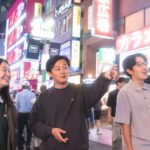
Tiny doors and big Tokyo energy in one night. This Shinjuku bar-hopping tour helps you move through the city’s neon chaos with confidence, from Omoide Yokocho to Golden Gai, where the little lanes are the whole point. I like how guides make the area feel readable even when you’re seeing a lot at once, and that support matters in a place like Shinjuku.
What I like most, though, is the included food-and-drink part: tastings of Japanese street snacks and drinks, plus a focused stop for whisky and sake favorites like Hibiki, Yamazaki, and Hakushu. One thing to plan for is that alcohol and what you eat at the bars is not included, so your final night spend depends on how many drinks you choose.
In This Review
- Key highlights before you go
- Why Shinjuku at night feels less random with a guide
- Price and what $61.78 gets you in real life
- Meeting at Shinjuku Station East Exit and the 6:00 pm pace
- Omoide Yokocho: old-school lanes, movie-style vibes
- Kabukicho gateways and the Godzilla moment
- Tokyu Kabukicho Tower: the short view that helps you get oriented
- Golden Gai: tiny bars, big history, and 280 places to lose track
- 3rd ROOM whisky and sake tasting: Hibiki, Yamazaki, Hakushu
- A second Golden Gai bar chosen with you
- Mendou Nishiki ramen: a warm reset after drinks
- Hanazono Shrine: etiquette, history, and a wish
- Who should book this Shinjuku night tour (and who might skip it)
- Should you book? My take on booking this exact tour
- FAQ
- How long is the Tokyo Shinjuku Golden Gai Bar Hopping Night Tour?
- What’s included in the tour price?
- Does the tour include alcohol?
- Where does the tour start and end?
- What time does the tour begin?
- How many people are in the group?
Key highlights before you go
- Golden Gai’s post-WWII bar maze: tiny counters and doors packed into one compact district known for its bar culture.
- Whisky and sake at 3rd ROOM: a guided tasting with Hibiki, Yamazaki, and Hakushu plus sake options.
- Photo and atmosphere stops: Kabukicho gate, a 3D billboard moment (and yes, a cat can be part of it), and Godzilla nearby.
- A view from Tokyu Kabukicho Tower: short observation-deck time that helps you orient yourself.
- Ramen to finish: a warm bowl at Mendou Nishiki after the drinking stops.
- Small groups: capped at 10 travelers, so your guide can actually manage the flow of people.
Why Shinjuku at night feels less random with a guide
Shinjuku at night is a sensory workout. Bright signs, loud streets, and side alleys that look like they lead to… something. Maybe a bar. Maybe nothing at all. With a guide, you spend your time on the real places instead of wandering, guessing, and worrying you’ll show up at the wrong door.
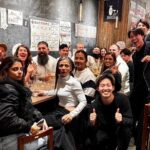
This tour runs with a local guide who speaks English and Japanese, and that bilingual support is the difference between fumbling with menus and actually understanding what you’re ordering. In the small-group setting (up to 10 people), you’re not just herded along. You get pointed toward places that are hard for tourists to find and you get help when the venue rules or menus get tricky.
One detail I really appreciate: the guides seem to think about pace. In Shinjuku, “seeing a lot” can quickly turn into “seeing nothing because you’re exhausted.” Here, the rhythm is built for a 6:00 pm start and an ending near Hanazono Shrine, so you can keep moving without feeling rushed.
You can also read our reviews of more evening experiences in Tokyo

Price and what $61.78 gets you in real life
At $61.78 per person for about 3 hours 30 minutes, this is priced like an activity that’s doing three jobs at once: navigation, access, and taste-guided introductions.
Here’s what’s included:
- Guided visit to two bars or izakayas
- Local guide (English & Japanese)
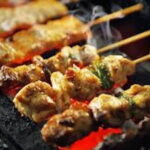
- Taste and drink popular Japanese street food and snacks plus drinks
- Introduction to local specialty drinks
- A social, warm setup for meeting other people
Here’s what isn’t included:
- Alcoholic beverages, and food/drink costs while you’re inside the venues
- Meals for the guide
So the best way to think about value is this: you’re paying for the places you otherwise wouldn’t reach smoothly, and you’re getting tastings covered so you can try before you commit your money to full orders. If you’re the type who likes sampling a few things and then ordering one or two drinks, you’ll likely feel like you got your money’s worth.
Also, several stops note admission tickets as free, which matters in Tokyo where some viewpoints can add up. Even if you end up spending extra inside the bars (totally normal), you’re not double-paying just to get in and see the sights.
Meeting at Shinjuku Station East Exit and the 6:00 pm pace
The meeting point is by Shinjuku Station East Exit Police Box, then the tour runs out toward Hanazono Shrine. Start time is 6:00 pm, which is smart. You’re catching Shinjuku as it flips from late-afternoon crowds into true nightlife energy, and you’re not walking in full darkness the moment you arrive.
You’ll get a mobile ticket, which is convenient if you’re already juggling transit cards, maps, and photos. Also, the tour is near public transportation, so if you need to regroup or you’re late, you’re not stuck.
In practice, the pace is built around short stops—some for photos, some for an up-close look at districts, and some for tastings. The key is that you’re not meant to “figure it out.” Your guide is doing the hard part so you can do the fun part.
Omoide Yokocho: old-school lanes, movie-style vibes
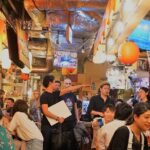
The first real “Tokyo night” mood comes from Omoide Yokocho, often described as an old bar district. You’re walking through narrow lanes that feel nostalgic even if you’re not trying to chase a theme park look. The value here isn’t just aesthetics. It’s orientation.
In a place like Shinjuku, learning the layout early pays off. Omoide Yokocho gives you an early sense of how Japanese nightlife can be small, tight, and social without feeling like a giant club scene.
The stop time is short (around 15 minutes), which is exactly right. You get enough to soak up the atmosphere and start recognizing the vibe, but you move on before the group stalls.
Kabukicho gateways and the Godzilla moment
After the old bar lanes, you step into the big nightlife district energy around Kabukicho. You’ll take a commemorative photo in front of the Kabukicho gate, and you’ll also spot the giant Godzilla head above the action.
These are classic photo moments, but they do more than look good on your camera roll:
- They anchor you in what’s actually happening in Shinjuku.
- They help you map distances in your head for the next stops.
- They give you a quick break from walking while the guide explains context and what to notice.
There’s also mention of a famous 3D billboard advertisement with a cat playing on the screen. That kind of “Tokyo surprise” is part of the fun. The important thing is you’re seeing it as you go, not hunting it later.
You can also read our reviews of more nightlife experiences in Tokyo

Tokyu Kabukicho Tower: the short view that helps you get oriented
One stop takes you to Tokyu Kabukicho Tower and a nearby observation deck. The time is limited (about 15 minutes), so you’re not getting a long sightseeing lecture.
Still, even a quick view can change how you understand the night. From up high, Kabukicho stops being a blur of signs and becomes a place with structure. You start to see why the bar districts feel clustered, why streets funnel where they do, and what direction you’ll be heading next.
This is the kind of stop I’d normally skip if I had to walk it on my own, but on a night tour it’s worth it because it reduces confusion later. If you’re on your first evening in Tokyo, this “get your bearings fast” moment is especially helpful.
Golden Gai: tiny bars, big history, and 280 places to lose track
Then comes Shinjuku Golden Gai, the area people talk about for a reason. It’s known for its compact layout and a huge concentration of small bars and restaurants—around 280—with roots going back to the post-WWII era.
What makes this stop work is that Golden Gai can look intimidating from the outside. The doors are small. The lanes are narrow. You might not know which bar will be friendly—or which one even has seating for someone walking in solo.
With a guide, you understand the district as more than a photo-op zone. You get the basic context, and you’re directed through the area with enough time to feel the atmosphere. The stop is about 30 minutes, which is the sweet spot: long enough to wander within the district and short enough to keep the evening flowing.
Here’s a practical tip: Golden Gai can be loud in a low-key way—lots of conversation, small spaces, strong personalities. If you’re sensitive to noise or want a quieter vibe, tell your guide early so they can steer you toward the kind of bar you’ll enjoy.
3rd ROOM whisky and sake tasting: Hibiki, Yamazaki, Hakushu
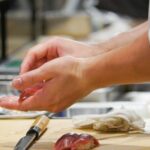
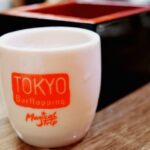
A major value point is the stop at 3rd ROOM, where you can do a tasting experience. The highlights are named for a reason: you’ll have Japanese whisky favorites like Hibiki, Yamazaki, and Hakushu, plus a variety of sake.
Even if you don’t consider yourself a whisky person, this is a great “learn while tasting” moment. The guide’s job here is to help you understand what you’re trying and how to order what fits your taste. Instead of buying a full drink you might not like, you get guided sampling first.
The stop is about 30 minutes. That’s enough time to taste, ask a couple questions, and settle into the mood for the second bar without feeling like the night becomes a classroom.
Also, keep in mind that tasting doesn’t mean everything is free. The tour includes the tasting experience, but if you fall in love with a pour and want more, you’ll need to pay for additional drinks.
A second Golden Gai bar chosen with you
After 3rd ROOM, you head to a second bar in Golden Gai. This is where you shift from guided tastings to more personal choice.
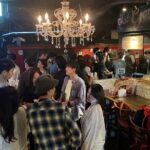
The tour format here is flexible: you can explore and the guide visits based on your requests. That matters because Golden Gai bars can vary a lot in vibe. Some feel quieter and more counter-style. Others lean louder or more showy.
The big advantage is that even venues that might be hard to enter alone can feel welcoming when you have a Japanese guide guiding you in. That social “on-ramp” is a huge part of why this tour works well for first-timers.
If you’re traveling with friends and you want a calmer night, ask your guide for a quieter bar direction. If your group wants to sing, you might find karaoke nearby on other parts of the experience flow (the tour overview mentions karaoke bars or sake-tasting options as part of the night), so it’s worth telling your guide your preference early.
Mendou Nishiki ramen: a warm reset after drinks
After the bar portion, the tour ends with food that makes sense: ramen at Mendou Nishiki. The stop is about 30 minutes, and the point is simple—after alcohol and tastings, your body wants something warm and filling.
Ramen is also a good “shared language” meal. Even if you ordered drinks you didn’t expect to like, ramen helps tie the night together. It’s not just a snack. It’s a reset button that makes the last leg of the walk and shrine stop feel easier.
One practical note: ramen shops can have their own ordering habits. Since the tour includes guidance and timing, you’re less likely to feel lost. Still, check with your guide about what’s covered versus what you’ll pay individually.
Hanazono Shrine: etiquette, history, and a wish
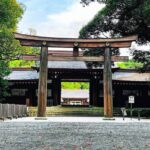
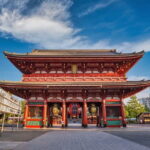
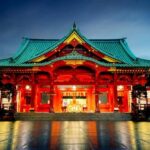
The final stop is Hanazono Shrine, located next to Kabukicho. The tour includes time to learn about proper shrine etiquette as well as its history and cultural significance.
Even if you’re not big on temple visits, this is a meaningful end point because it changes the tone. After neon signs and small bars, you get a quieter moment where Tokyo feels more timeless.
You’ll also have the chance to make a wish as the journey concludes. The important takeaway is that you’re being shown how to approach the shrine respectfully, so you can participate without guessing.
Who should book this Shinjuku night tour (and who might skip it)
This tour is best for:
- Your first night in Tokyo and you want a fast, guided introduction to Shinjuku nightlife
- People who feel overwhelmed by nightlife districts and want someone to handle the route and the “which door” problem
- Food-and-drink samplers who like tasting and then choosing what they actually want to order
- Anyone who wants an experience that’s more local-feeling than bar hopping done by random map pin
It may not be ideal for:
- Hardcore nightlife hunters who already know where they want to go and plan to order a lot of alcohol (since alcohol and extra food are paid separately)
- Travelers who want a long, sit-down meal focus rather than a walking-and-tasting flow
- Anyone who struggles with noise in compact spaces like Golden Gai (though your guide can often help you choose a better match)
Also, the group size matters. With a max of 10 people, you’re more likely to get attention and pacing control. That’s a good trade in a district where crowds can swallow your plans.
Should you book? My take on booking this exact tour
I’d book it if you want Shinjuku nightlife without the usual “guessing game.” The mix of major neon landmarks (Kabukicho gate and Godzilla) plus the more intimate districts (Omoide Yokocho and Golden Gai) gives you both the big-picture feel and the small-scale texture.
The other reason is the value of the included tasting. If you’re curious about Japanese whisky and sake, the 3rd ROOM stop with Hibiki, Yamazaki, and Hakushu is the kind of experience that’s hard to recreate on your own on a single night.
Just go in with one mindset: this is guided access and tastings, not an open bar. If you budget for extra drinks and decide what you want to pay for ahead of time, the night stays fun instead of confusing.
FAQ
How long is the Tokyo Shinjuku Golden Gai Bar Hopping Night Tour?
It runs for about 3 hours 30 minutes.
What’s included in the tour price?
You get a guided visit to two bars or izakayas, a local English/Japanese-speaking guide, tastings of Japanese street food snacks and drinks, and an introduction to local specialty drinks. Food and drink costs during the tour are not included.
Does the tour include alcohol?
The tour includes tastings, but alcoholic beverages are not included. Any alcohol or additional food and drinks you order at the venues must be paid individually.
Where does the tour start and end?
It starts at Shinjuku Station East Exit Police Box (3-chōme-38-1 Shinjuku) and ends at Hanazono Shrine (5-chōme-17-3 Shinjuku). You can also return to Shinjuku Station again.
What time does the tour begin?
The start time is 6:00 pm.
How many people are in the group?
The tour has a maximum of 10 travelers.