REVIEW · TOKYO
One Day 10hrs Mount Fuji Tour English Speaking Driver
Book on GetYourGuide →Operated by Travel Addicts · Bookable on GetYourGuide
Fuji day can feel like a dream—this turns it practical. You get a private, air-conditioned car with an English-speaking driver plus a tight set of classic Fuji-area stops, including the lake views around Kawaguchiko and the Chureito Pagoda area. I like how the day mixes big scenery with small, walkable places like Oshino Hakkai and Saiko Iyashi-no-Sato Nenba. One thing to consider: if you’re hoping to reach Mt. Fuji Fifth Station, you’ll need to go with weather—plus there’s an extra uphill fee if you do.
You’ll also spend your time efficiently, with hotel pickup/drop-off and included tolls/fuel. The schedule is designed for photos (pagoda, lake, parks), but there’s still room to shop and stroll. The main drawback is communication and timing risk: traffic can happen, and if your driver is late due to an accident, you may not get a heads-up right away—so keep your phone available.
In This Review
- Key highlights to know
- A private 10-hour Mount Fuji day: what you really get
- Tokyo pickup and the ride to the Fuji area
- Mt. Fuji Fifth Station: go only if the view is worth the climb
- Chasing Fuji views at Oshino Hakkai: spring water, walkways, and snacks
- Kawaguchiko Lake and Oishi Park: the day’s photo-friendly rhythm
- Kachi Kachi Ropeway: a short ride that adds height to the day
- Saiko Iyashi-no-Sato Nenba: reconstructed houses and a slower pace
- Arakurayama Sengen Park and the Chureito Pagoda moment
- Your English-speaking driver: comfort, customization, and communication
- Price and value: $554 for up to 6 plus small add-ons
- Who this tour suits best (and who should think twice)
- Should you book this Mt. Fuji tour?
- FAQ
- How long is the Mount Fuji tour?
- Is Mt. Fuji Fifth Station included?
- What is the extra fee for Mt. Fuji Fifth Station?
- What is included in the price?
- How many people are in the group?
- Do I need to pay for activities and entrance fees?
- Where do you pick up and drop off in Tokyo?
- Is the driver able to speak English?
- What is the cancellation policy?
Key highlights to know
- Mt. Fuji Fifth Station (if weather permits) for high-altitude views and that iconic stop-on-the-map feeling
- Oshino Hakkai springs and the photo-friendly old-village vibe around Mount Fuji’s water sources
- Kawaguchiko Lake + Oishi Park for classic Fuji reflection viewpoints and a sunset-chasing slot
- Kachi Kachi Ropeway for an elevated look at the lake area (time for photos and walking)
- Saiko Iyashi-no-Sato Nenba reconstructed village where you can explore traditional-style houses
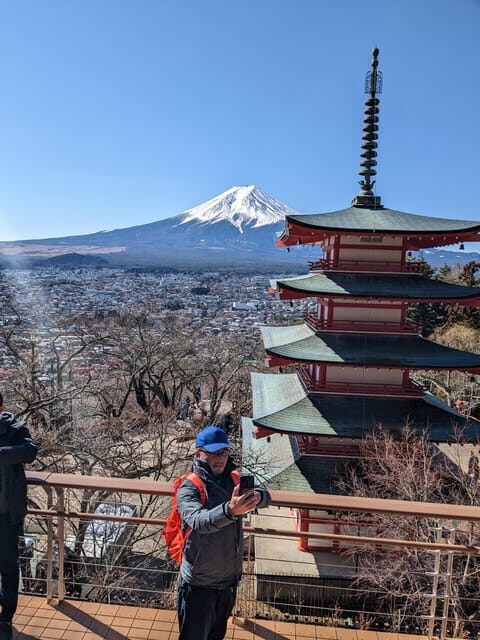
- Arakurayama Sengen Park (Chureito Pagoda) for the famous pagoda angle with cherry blossoms in season
A private 10-hour Mount Fuji day: what you really get
This is a full-day plan built for one goal: seeing Mt. Fuji and then surrounding it with the best-known places in the Fuji Five Lakes area. You’re not bouncing from one tiny group bus to another. Instead, you’re in a private vehicle with an English-speaking driver/guide, so your day feels smoother and more adjustable.
I like the mix of viewpoints and villages. You’ll get big “wow” scenery—then you’ll step into calmer places where you can wander, shop a bit, and slow down. It’s also set up for photos, but it’s not only about standing still; most stops give you walking time and photo stops that don’t feel rushed.
Your big consideration is expectations: visibility in Japan’s Fuji region depends heavily on weather. Your tour can include the Fifth Station, but the itinerary notes it’s weather-dependent, and that one decision changes the tone of the day. Plan for photos with flexibility, not certainty.
A few more Tokyo tours and experiences worth a look



Tokyo pickup and the ride to the Fuji area
Your day starts with hotel pickup in central Tokyo. You’ll be asked to wait in the lobby about 10 minutes before your scheduled pickup, and the driver messages you when they arrive. For me, that small timing detail matters because it reduces the stress of chasing someone through hotel halls.
The drive out takes about 1.5 hours to reach the Mt. Fuji area, and you’re in an air-conditioned van. That comfort helps when you later spend time walking around parks and lakeside spots. It also means you’re not arriving at your first viewpoint already feeling wrung out.
If you’re staying outside Tokyo’s 23 wards, there can be an additional pickup charge (JPY 5,000 to 20,000 depending on where you’re picked up). Within the Tokyo 23 wards, there’s no extra fee. It’s worth checking before you book so your day budget is clean.
Mt. Fuji Fifth Station: go only if the view is worth the climb
Mt. Fuji Fifth Station is the tour’s most dramatic “top of the trip” stop. You’ll typically get a photo stop plus time to visit, walk, and enjoy scenic views on the way. The scheduled stop is about 30 minutes once you reach the station.
Two key points you should know:
- It’s weather-dependent. If clouds roll in, you may not get the visibility you imagined.
- There’s an additional uphill fee if your itinerary includes the Fifth Station: JPY 1,500 to JPY 3,700, paid directly at the local facility at the station area.
That fee is small compared to the overall value of the day, but it still affects your final total. I suggest you treat Fifth Station as the bonus layer. Your trip should still be worthwhile even if you don’t reach it or can’t see much from there.
Chasing Fuji views at Oshino Hakkai: spring water, walkways, and snacks
Oshino Hakkai is one of those places that feels quietly classic. It’s located in the foothills of Mount Fuji, and the village is known for abundant spring water that comes from Mount Fuji. That sounds simple, but it gives the whole stop a different energy than the big lakeside lookout spots.
You’ll have about 40 minutes here: photo stop, visit time, shopping time, and walking with scenic views along the way. If you like places where you can nibble and browse while still keeping your eyes open for pretty angles, this is a strong mid-day anchor.
A drawback? It can be a “stroll plus stalls” type of stop. If you’re expecting a museum-style deep experience or a lot of guided structure, the time is more about wandering and choosing what you want to see and buy. Still, it’s a great contrast after a viewpoint-heavy morning.
Kawaguchiko Lake and Oishi Park: the day’s photo-friendly rhythm
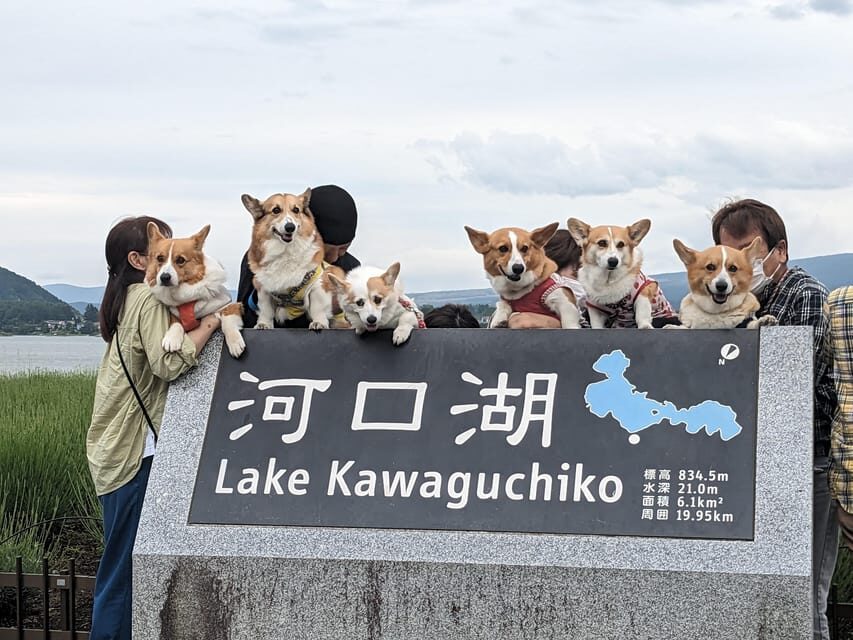
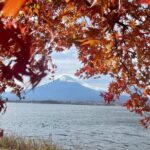
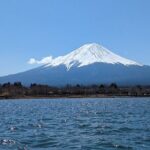
If Oshino Hakkai is the calm village pause, Lake Kawaguchiko is where the day turns open and scenic. You’ll spend about 1.5 hours around the lake, with time for photos, sightseeing, lunch, shopping, and walking with scenic views.
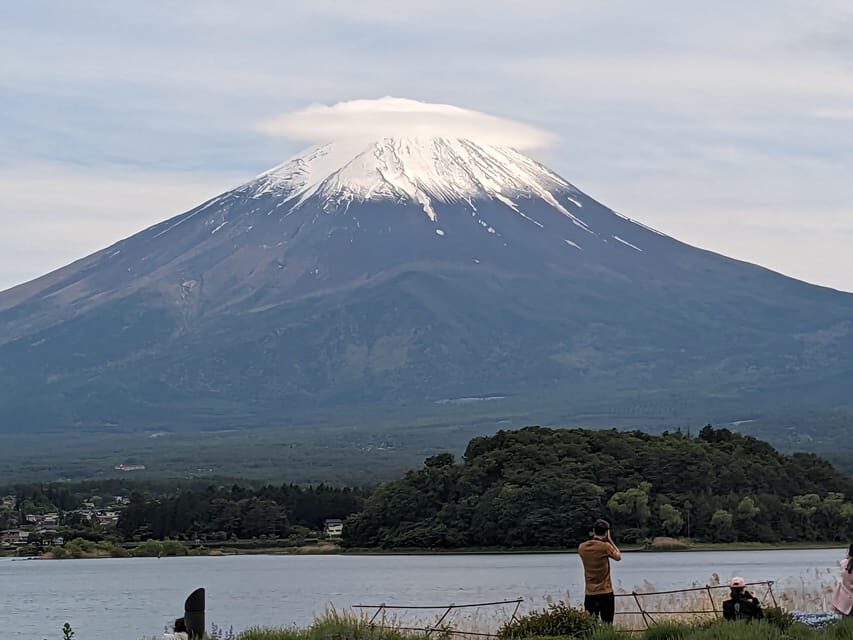
This stop matters because Kawaguchiko is the heart of the Fuji-area “lake + mountain” compositions. Even when the mountain is partially hidden, you can still get strong atmosphere—water color, the shoreline, and the way Fuji peaks sit in the background.
Then comes Oishi Park, with another 30-minute slot including photo time and a sunset-focused option. The itinerary sets it up like a mini arc: you go from broad lake viewing to a park angle that’s commonly used for dramatic Fuji views. If the weather cooperates, this is the moment you’ll be happy you didn’t rush.
If it doesn’t cooperate, don’t panic. Still plan to enjoy the walk. You’ll get the lakeside vibe and a break from constant driving, which keeps the day from feeling like a checklist.
A few more Tokyo tours and experiences worth a look

Kachi Kachi Ropeway: a short ride that adds height to the day
Next up is the Mt. Kachi Kachi Ropeway. Your stop is about 30 minutes, including a photo stop, visiting time, walking, and scenic views. This is one of those activities that changes the angles without eating your whole schedule.
The practical benefit is simple: from the ropeway area, you can often see the lake region from a different perspective than you get on the ground. That variety makes it easier to create a set of photos that doesn’t all look the same.
One caution: ropeway schedules and views can be weather-affected in general, but the tour data here focuses on the time slot rather than operating conditions. The best move is to go with the flow—if conditions aren’t ideal, use the time for photos from nearby points and keep enjoying the park/lake areas you already have.
Saiko Iyashi-no-Sato Nenba: reconstructed houses and a slower pace
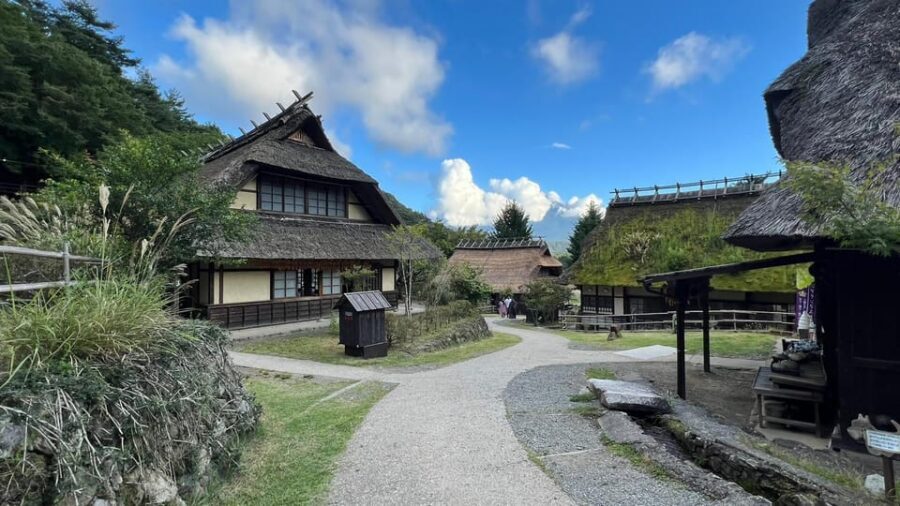
The final portion of the day includes Saiko Iyashi-no-Sato Nenba, a reconstructed Japanese village. You’ll get about 30 minutes here: photo stop, visit time, shopping, sightseeing, and walking.
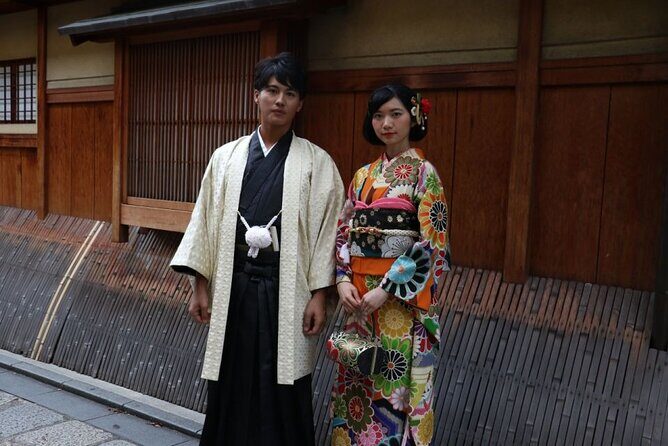
What I like about this stop is the shift in tempo. Instead of chasing viewpoints, you’re walking through traditional-style houses and village layouts, which makes the Fuji region feel more than just scenery. The tour highlights that you can explore the houses and even rent traditional clothing (if available), which is a fun option if you want a more playful photo set.
The drawback is time. Thirty minutes passes quickly in a village setting, especially if you’re stopping to read details or take lots of pictures. If you’re the type who likes to linger, treat this as a taste. You can always add extra time another trip if this theme really hooks you.
Arakurayama Sengen Park and the Chureito Pagoda moment
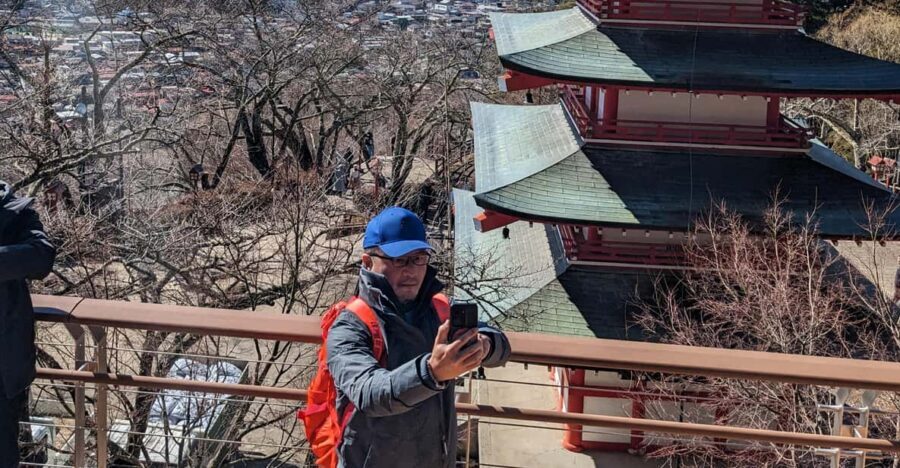
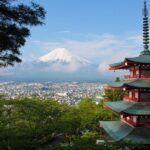
Arakurayama Sengen Park is the place tied to the famous Chureito Pagoda—the one people photograph with Mt. Fuji in the background. Your stop is about 30 minutes, with time for photos, sightseeing, shopping, and walking.
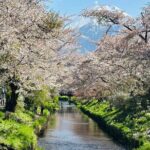
This is also where seasonal magic can happen. The highlights call out cherry blossoms and the pagoda’s crimson look, which is exactly the kind of combination that turns a normal photo stop into a memory. Even outside blossom season, the pagoda is a strong focal point because it’s designed for that upward-sky framing.
Tip for your planning brain: since visibility is always the big question with Fuji, this is one of the best places to keep your expectations flexible. You may get a clear Fuji shot, or you may get moody clouds. Either way, you’ll still have something visually strong to enjoy here.
Your English-speaking driver: comfort, customization, and communication
A big part of the value here is that you’re not just riding; you’re being guided in an English-speaking format. Your driver/guide can help you navigate the day and answer questions, and the tour is described as fully customizable. That means if your group wants to tilt toward more walking or more shopping, you can usually shape the order within reason.
From what I’ve seen, drivers can differ in style. Some, like Zohan, are described as friendly and comfortable with questions, and even giving recommendations to make the most of the trip. Others may be less fluent in English. You’ll get the service either way, but if English clarity matters a lot to you, it’s smart to ask your questions early in the day so you’re not left trying to interpret later.
Also, about timing: traffic is a fact of life around Tokyo and the highways out. One important consideration is that if there’s an accident causing delays, you might not receive immediate updates. Keep your phone charged, and if you’re watching the clock, don’t be shy about asking your operator for a status check.
Price and value: $554 for up to 6 plus small add-ons
At $554 per group (up to 6 people), this tour can be excellent value when you compare it to the cost of private transfers plus guided time. You’re paying for a full day with a private air-conditioned vehicle and an English-speaking driver/guide, and the price includes:
- Hotel pickup and drop-off
- Highway tolls and fuel
- Private transportation
What you should budget separately:
- If Fifth Station is included, expect the JPY 1,500 to JPY 3,700 uphill fee, paid directly at the station area.
- If you’re picked up outside Tokyo 23 wards, there may be an extra JPY 5,000 to JPY 20,000 depending on pickup location (paid directly on the day).
On paper, that can sound like a lot of numbers. In practice, it’s manageable. You get a day packed with multiple named stops, and the transport pieces are the costly part when you travel as a group. For couples, it can still be worth it if you want private pacing and don’t want to wrestle with crowded group logistics.
One more value note: the tour duration is 10 hours. That’s long enough to do the major hits without turning the day into a marathon of constant sprinting between far-apart locations. You’re also not locked into one fixed theme. It’s scenery, village time, and parks—done in one go.
Who this tour suits best (and who should think twice)
This fits best if you:
- Want Mt. Fuji day-trip convenience from Tokyo without changing trains or buses
- Like a mix of big views and walkable local stops
- Prefer private vehicle comfort and pacing over group bus schedules
- Are traveling with up to 6 people and can split the cost
It may be less ideal if you:
- Have a strict need for a guaranteed Fifth Station view (weather decides)
- Prefer fewer stops and more time at each place (this schedule packs multiple areas into 10 hours)
- Are extremely sensitive to potential pickup delays due to traffic
If your priority is only one or two places, you could also consider a shorter route. But if you want the classic Fuji-area highlights in a single day, this is built for that.
Should you book this Mt. Fuji tour?
I’d book it if your goal is a real Fuji day with less hassle and more flexibility. The combination of Kawaguchiko Lake, Oishi Park, Oshino Hakkai, and the Chureito Pagoda/Arakurayama area gives you multiple chances for photos and multiple types of scenery. Add in Saiko Iyashi-no-Sato Nenba for the cultural slowdown, and you get a balanced day that doesn’t feel purely scenic or purely touristy.
I’d hesitate if weather certainty is your main requirement, since Fifth Station depends on conditions. And if punctuality and crisp English are non-negotiable, it’s smart to remember that driver experience can vary and traffic accidents can delay pickup.
If you’re flexible and want convenience, this tour is a strong way to spend your time in Japan. You’ll cover a lot of ground, but the stops are chosen so you still get time to breathe, walk, and look up.
FAQ
How long is the Mount Fuji tour?
The tour runs for 10 hours.
Is Mt. Fuji Fifth Station included?
It’s included only if weather permits. If your itinerary includes it, there is an additional uphill fee.
What is the extra fee for Mt. Fuji Fifth Station?
If Fifth Station is included, you’ll need to pay an uphill fee of JPY 1,500 to JPY 3,700 directly at the local facility in the Fifth Station area.
What is included in the price?
Hotel pickup and drop-off, private transportation, and highway tolls and fuel are included.
How many people are in the group?
It’s a small group limited to 6 participants.
Do I need to pay for activities and entrance fees?
Any activity that costs extra is not included, so entrance fees or paid attractions are on you.
Where do you pick up and drop off in Tokyo?
Pickup and drop-off are included for Tokyo 23 wards. If you’re outside Tokyo 23 wards, there may be an additional charge of JPY 5,000 to JPY 20,000 depending on the pickup place.
Is the driver able to speak English?
Yes, the driver/guide is English-speaking.
What is the cancellation policy?
Free cancellation is available up to 24 hours in advance for a full refund.