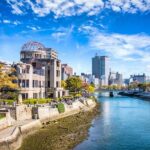
REVIEW · HIROSHIMA
Hiroshima: Tour of Atomic Bomb Dome & Peace Memorial Museum
Book on GetYourGuide →Operated by DeepExperience, Inc. · Bookable on GetYourGuide
8:15 AM in Hiroshima doesn’t fade. This guided visit brings the Atomic Bomb Dome and the Peace Memorial Museum into focus with a local guide’s context you won’t get from a quick wander. It’s a heavy subject, but the structure of the tour helps you follow what happened and why it matters.
I love how the tour connects the physical evidence outside to the human stories inside. One guide, including Gordon Michasiw, shares clear, in-depth explanations, and there’s even room for personal details—like Emiko’s thoughtful touch—or a guided moment that helps you understand the meaning behind Sadako, including making paper birds to reflect on what she represents. The one drawback to plan for: this isn’t a casual sightseeing stop. You’ll be walking and looking at very difficult material, and there are no drinks or foods included.
In This Review
- Key highlights you’ll feel during the tour
- Getting oriented: how the day’s structure helps you process it
- Atomic Bomb Dome: the UNESCO stop that turns questions into questions you can’t ignore
- Peace Memorial Museum: where the story becomes specific, not abstract
- If you want something memorable beyond panels
- The one caution at the museum
- UNESCO + local context: why a guide makes this tour worth the $105
- Walk time, timing, and what to bring (so you don’t lose focus)
- What I’d pack
- How to get the most from the pace
- Who this tour suits best (and who might not love it)
- Price and value: what you’re really paying for
- Should you book this Hiroshima tour of the Dome and Peace Museum?
- FAQ
- What sites does the tour include?
- How long does the tour take?
- What languages are the guides available in?
- What is included in the price?
- Are food and drinks included?
- Where do I meet, and where do I get dropped off?
- Is free cancellation available, and can I pay later?
Key highlights you’ll feel during the tour
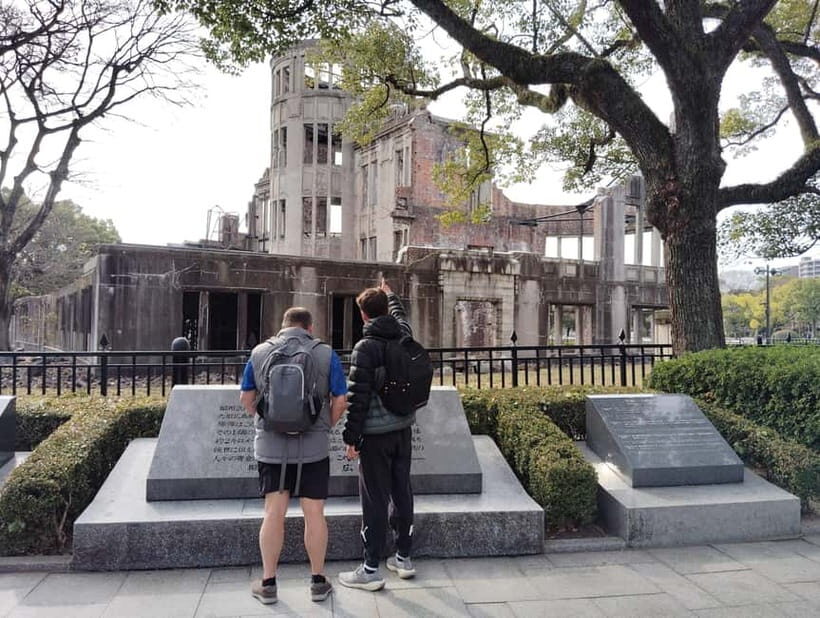
- UNESCO A-Bomb Dome visit: you see the exposed steel frame and what it symbolizes right away
- Local guides with strong narrative skill: they translate the science and history into something you can actually follow
- A museum session built around impact: radiation, burns, long-term effects, and discrimination are explained in plain terms
- Real human perspective from the guide: personal family history shows up in some guides’ stories
- Sadako-related reflection time: making paper birds helps the message stick without turning it into a performance
- Short, realistic walking pace: the route is timed, so you’re not rushing through the hard parts
Getting oriented: how the day’s structure helps you process it
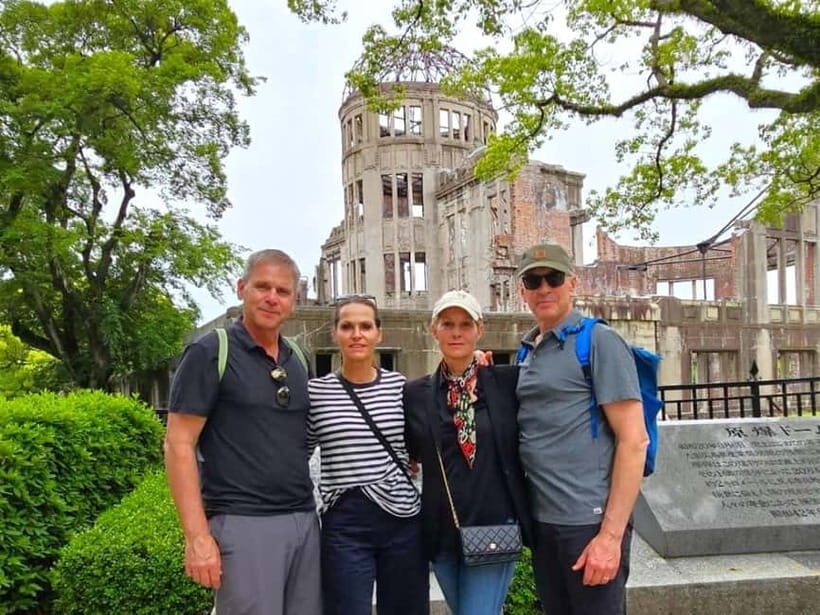
Hiroshima asks you to slow down. The 3–4 hour format is useful because it prevents the usual problem: staring at buildings or reading panels without any clear thread tying it together. With a guide in English or Japanese, you’re guided through the main sites and given a framework for what you’re seeing.
You’ll start at one of two meeting points (depending on your option): Hiroshima Port or Seven-Eleven Hiroshima Otemachi 1-chome. That’s handy if you’re arriving by ship or trying to connect with other plans around the city center.
You also end in a way that gives you flexibility. Drop-off can be at the Peace Memorial Museum area or back at Hiroshima Port, so you’re not stuck backtracking just to make your next move.
You can also read our reviews of more museum experiences in Hiroshima
Atomic Bomb Dome: the UNESCO stop that turns questions into questions you can’t ignore
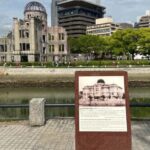
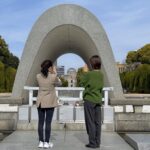
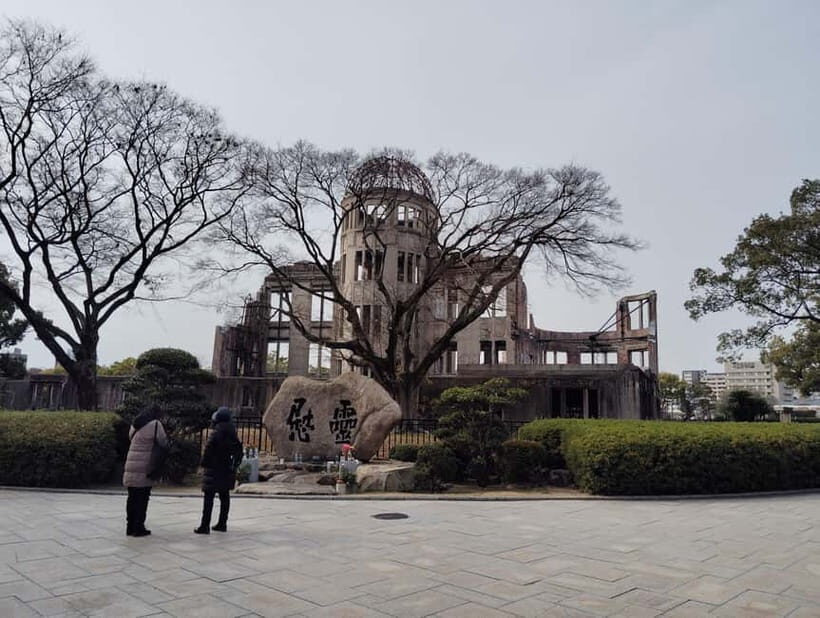
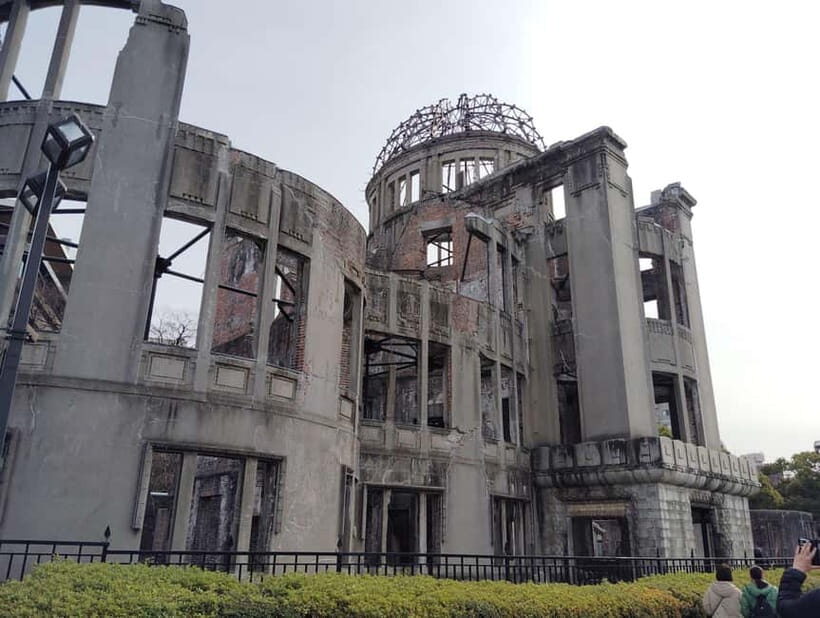
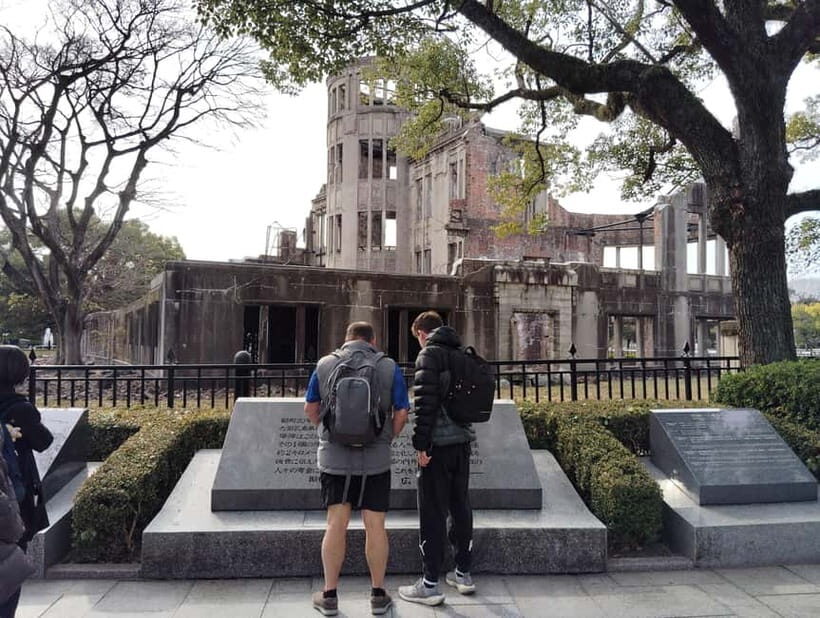
The Atomic Bomb Dome stop is short on paper—about 20 minutes—but it’s powerful. Even without a long visit, the guided approach helps you notice what the building is and isn’t. You’re not just taking photos of a landmark; you’re looking at a structure whose exposed steel frame carries the aftermath in a way that words alone can’t.
Your guide points out what makes this spot so unsettling. On Aug 6, 1945, the bomb dropped on Hiroshima created heat rays, radiation, and shock waves. Those forces didn’t just break buildings. They caused catastrophic damage in a roughly 10-square-kilometer area centered on the hypocenter, and more than 100,000 people died within that zone.
That context matters because the dome can look like a survivor from a distance. Up close, it’s easier to understand it as evidence—something that forces questions like: how does a city rebuild after that, and what gets left behind when people are gone?
Practical note: this is a “look, then look again” stop. If you go in expecting a quick photo op, you’ll miss the point. Go in ready to stand still for a minute longer than you think you need.
Peace Memorial Museum: where the story becomes specific, not abstract
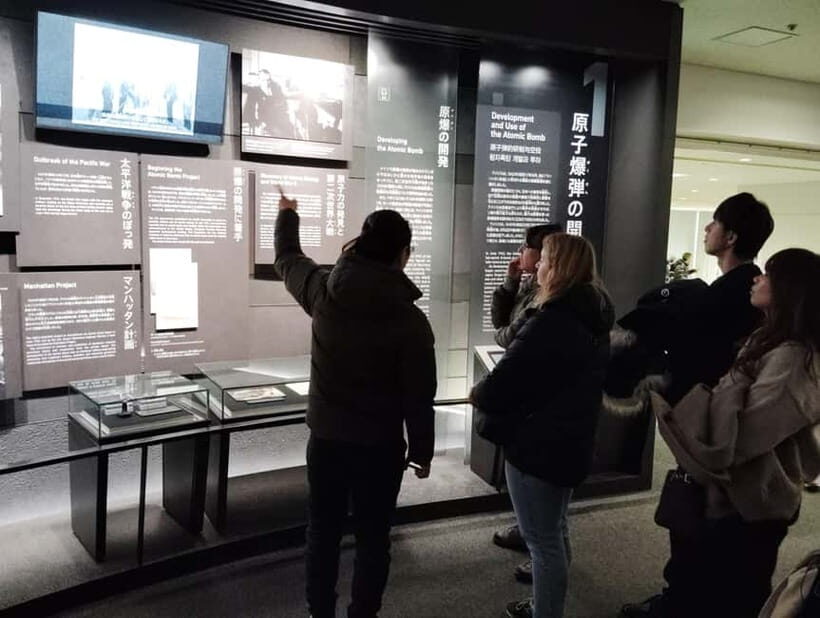
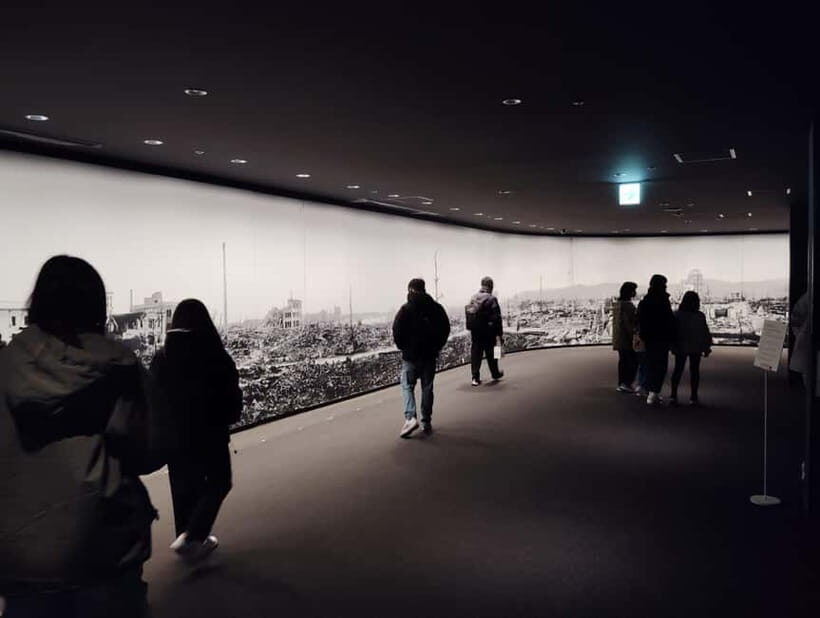
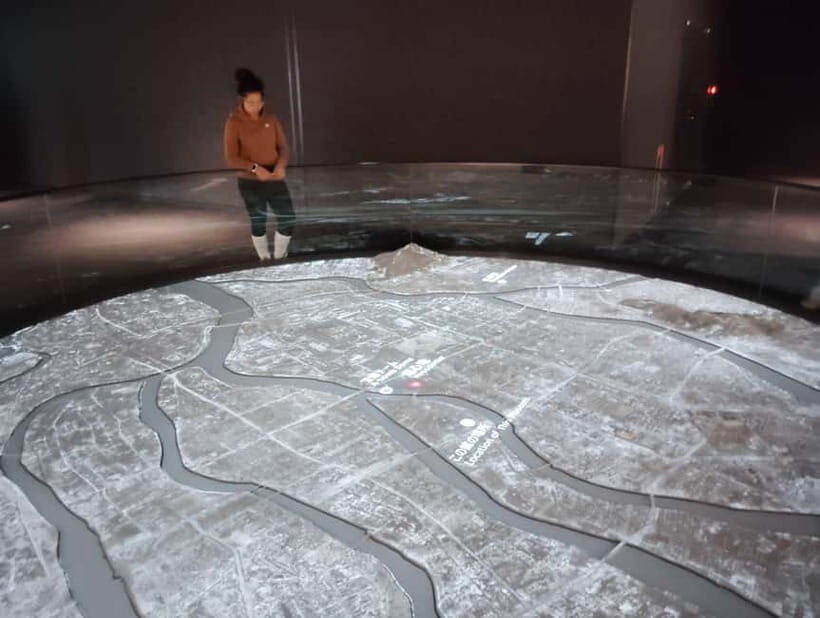
Next comes the main event: the Hiroshima Peace Memorial Museum, timed at around 2.5 hours. This is where the tour earns its keep. The guide doesn’t just point at exhibits; they help you understand what the artifacts and displays are showing—especially the scale and the human consequences.
The museum’s material can feel raw. That’s part of why the tour works as a guided experience: it doesn’t throw you into the deepest sections without context first. You learn what the atomic bomb released—radiation, heat rays, shock waves—and then you connect that to what happened to people afterward: burns, radiation damage, and the painful reality of discrimination toward survivors.
This part is important for your understanding, because it moves beyond the moment of impact. The effects didn’t stop when the explosion ended. They continued through injuries and illness, and survivors also faced social harm. A good guide helps you hold those layers at once.
If you want something memorable beyond panels
Some tours include a reflection-style activity tied to Sadako (the paper birds moment comes up in guide experiences). It’s not just a craft for fun. It’s a way to make the message personal and easier to carry after you leave the building.
That matters if you’re the type who needs meaning, not just facts. If you only read labels, your brain can file the experience under history. The reflection time nudges it toward memory.
The one caution at the museum
Plan for an emotional load. This stop can be uncomfortable. Not in a “surprise, it’s sad” way—in a practical way. Your eyes and attention will get tired from dense displays, and the subject matter doesn’t let you skim.
Since drinks and food aren’t included, I strongly suggest you arrive ready with water. Take short breaks if you need them, and don’t feel guilty stepping aside to get your bearings.


UNESCO + local context: why a guide makes this tour worth the $105
The price is $105 per person for a 3–4 hour guided outing. That can sound steep if you compare it to buying tickets on your own. But this experience isn’t only paying for museum entry—it’s paying for translation, context, and the ability to connect what you see outside with what you learn inside.
You’re also paying for a person who knows how to explain difficult content without turning it into slogans. In the reviews, the standout theme is how guides land the details: in-depth explanation, relaxed pacing, and the kind of storytelling that gives you a clearer emotional map of what you’re witnessing.
Some guides bring personal family history into the conversation. For instance, Gordon Michasiw’s stories are noted as especially meaningful, including how his explanations helped people understand the bombing more clearly. Another guide example includes Emiko, with an extra personal gesture mentioned in experiences.
Even if you don’t get a family-history angle every time, the core value stays the same: you’ll understand why the dome looks the way it does, and you’ll understand what the museum exhibits are pointing at.
That’s the difference between sightseeing and actually learning from the place.
Walk time, timing, and what to bring (so you don’t lose focus)
This tour is designed with walking built in, but it’s not a long hike:
- Atomic Bomb Dome: about 20 minutes
- Peace Memorial Museum: about 2.5 hours, including guided touring and walking time
Those numbers are useful because they help you plan your day around something serious. If you cram this right before a long meal, or right after a late arrival, you might miss the emotional and intellectual payoff.
What I’d pack
Nothing fancy. Just what keeps your body steady:
- Water (since drinks are not included)
- A layer (museums can run cool, and morning weather can shift)
- Comfortable shoes (you’ll be walking and standing for extended periods)
How to get the most from the pace
When a tour is heavy, speed becomes your enemy. Don’t try to absorb everything at once. Instead, let the guide’s sequence do the heavy lifting: dome first for the visual evidence, museum second for the human and scientific context.
If you’re the kind of person who likes to read every sign, you may go slower. That’s okay. Use the guide as a roadmap, not a race clock.
Who this tour suits best (and who might not love it)
This is a strong fit if you want more than a photo stop. You’ll likely enjoy it if you:
- Prefer local guide explanations over self-guided reading
- Want the full connection between the dome and the museum
- Care about understanding both immediate damage and the longer-term effects on people
It may be less ideal if you’re looking for a light, upbeat half-day. This isn’t that. You’re there to learn about catastrophic harm and long-term suffering, and you should be mentally prepared for that.
If you’re traveling with kids, it can still work, but you’ll want to judge your child’s emotional readiness. The Sadako paper-bird moment, for example, suggests the tour can include reflective, age-accessible elements—but it’s still an intense topic.
Price and value: what you’re really paying for
Let’s talk money in plain terms. At $105, you’re paying for:
- Admission to the Peace Memorial Museum
- Guide fee
- Guided time for both major sites
So you’re not just buying a ticket—you’re buying someone’s ability to guide your attention. That’s where the value shows up. Without a guide, you can still visit and read panels, sure. But on a topic this complex and this emotionally charged, a good guide keeps you from missing key links: what the blast did, why radiation mattered, and how survivors faced discrimination afterward.
The best way to think about it: the tour helps you translate the place into understanding. For many people, that’s worth the cost because it turns a visit into learning you can take home.
Should you book this Hiroshima tour of the Dome and Peace Museum?
I’d book it if you want your visit to make sense as a story, not just a set of sights. The guide-led format, the museum time, and the chance to connect the dome’s exposed evidence to what the museum explains add up to more than standard sightseeing.
Skip it only if you’re hoping for something casual or if you’re not up for a deeply difficult subject. If you are willing to slow down, bring water, and let the guide set the pace, this is the kind of Hiroshima experience that stays with you for good reason.
FAQ
What sites does the tour include?
It includes a guided visit to the Atomic Bomb Dome and the Hiroshima Peace Memorial Museum.
How long does the tour take?
The duration is listed as 3 to 4 hours.
What languages are the guides available in?
The tour offers English and Japanese live guided commentary.
What is included in the price?
Admission to the Peace Memorial Museum and the guide fee are included.
Are food and drinks included?
No. Drinks and foods are not included, so plan to bring or buy your own.
Where do I meet, and where do I get dropped off?
The meeting point may vary by option, with two starting points listed: Hiroshima Port or Seven-Eleven Hiroshima Otemachi 1-chome. Drop-off options listed are the Peace Memorial Museum or Hiroshima Port.
Is free cancellation available, and can I pay later?
Yes. You can cancel up to 24 hours in advance for a full refund, and the listing also offers reserve now & pay later.