REVIEW · HIROSHIMA
Hiroshima: Atomic Bomb Dome and Peace Memorial Museum 3 hours
Book on Viator →Operated by DeepExperience · Bookable on Viator
A stop that changes how you see history. In Hiroshima, this 3-hour visit brings you face-to-face with the Atomic Bomb Dome and the Peace Memorial Museum, with a local guide explaining what happened on August 6, 1945 and how the city carried the aftermath.
I especially like two things: the way the guide layers facts with human stories (I heard from guides such as Naoka, Naomi, Emiko, Gordon, and Ami), and the structure that saves most of your time for the museum. You’re not just doing picture stops—you’re learning how to read the exhibits.
One possible drawback: the museum part uses whisper-level narration and asks everyone to stay quiet. If you want loud explanations and chatter, this won’t be that kind of tour.
In This Review
- Key highlights worth planning for
- Atomic Bomb Dome: What you’re actually looking at
- Peace Memorial Park: The cenotaph pause that slows you down
- Peace Memorial Museum with 2 quiet hours: How to make the most of it
- What your guide helps you do
- A practical way to pace yourself in the museum
- Private group guidance: Why some tours feel flat—and this one doesn’t
- The balancing act
- Timing, meeting point, and what 3 hours feels like
- Price and value at $94.26 per person
- What to bring (and what to skip) for a respectful Peace Park day
- Who should book this Hiroshima Peace Memorial tour
- Who might want a different style
- Should you book this Atomic Bomb Dome and Peace Memorial Museum tour?
- FAQ
- How long is the Hiroshima Atomic Bomb Dome and Peace Memorial Museum tour?
- What are the main stops on the tour?
- Is the museum ticket included in the price?
- What is the meeting point for the tour?
- Is lunch included?
- Is this tour private?
- What if I need to cancel?
Key highlights worth planning for
- Atomic Bomb Dome + Peace Park in short, meaningful stops so you can spend your real time where it counts
- Guides with personal connections, including second-generation survivor Naoka sharing what family history adds to the record
- A full 2 hours in the museum with clear guidance on how to take it in responsibly
- Museum admission included, while the Dome and Peace Memorial Park stops are free to enter
- Private tour so your group gets time for questions without mixing with strangers
- Mobile ticket for an easy check-in flow
Atomic Bomb Dome: What you’re actually looking at
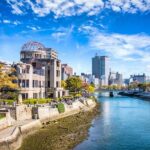
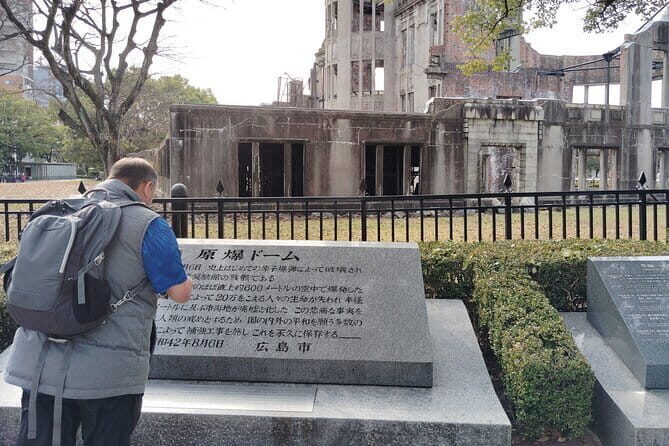
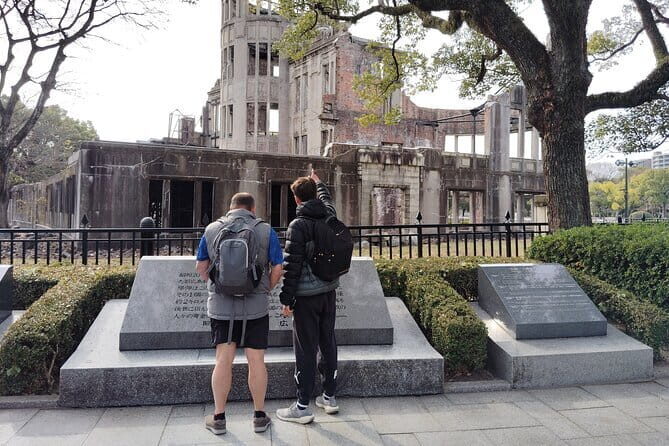
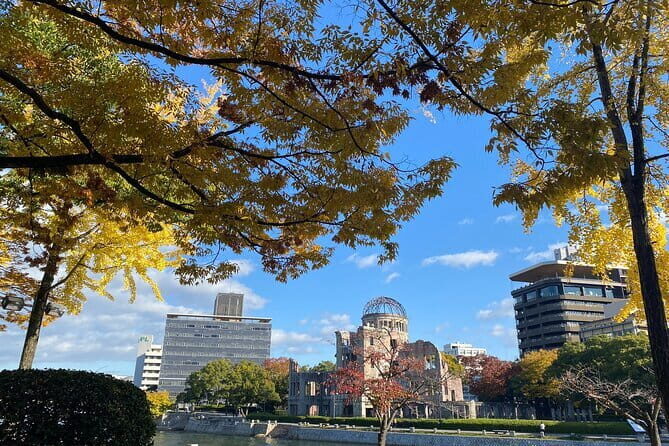
The Atomic Bomb Dome looks like a haunting landmark, but the point is what it represents: a building left standing in the middle of ruin. The structure you see today survived in fractured form, because the blast and heat did their work fast—then time did the rest. Your guide helps you connect the physical scene to the human reality behind it.
This stop is only about 30 minutes, which is smart. You don’t need a long layover here to appreciate the moment, and it keeps the tour focused on learning instead of turning the Dome into a photo session that runs long.
Practical tip: plan to arrive with the mindset of observation. Look up, look around, and let your guide point out details you might miss if you’re only aiming your camera.
You can also read our reviews of more museum experiences in Hiroshima
Peace Memorial Park: The cenotaph pause that slows you down
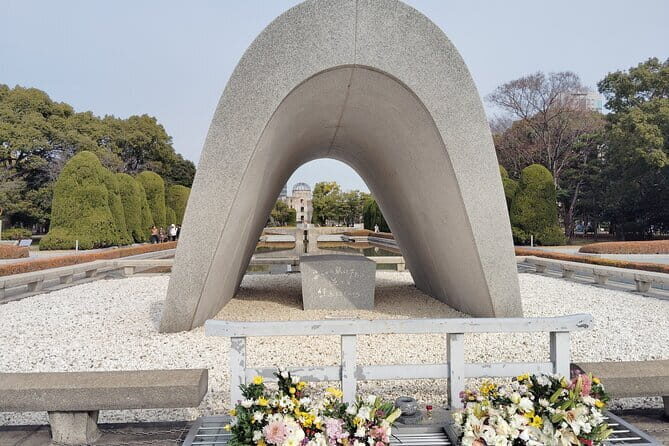
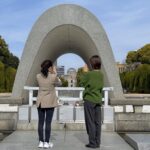
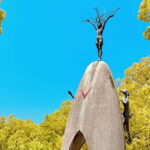
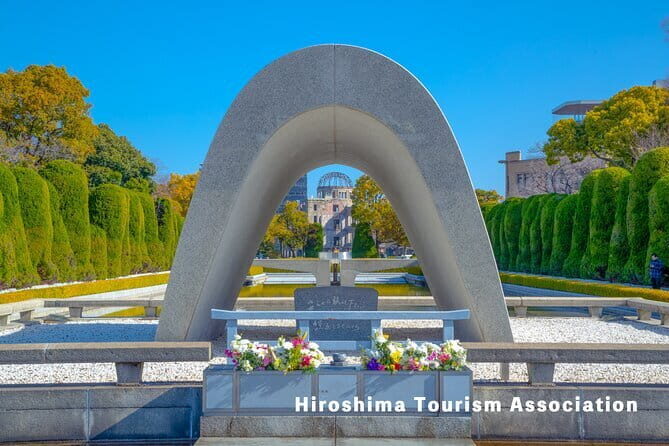
Just beyond the Dome, the Peace Memorial Park gives you a little space to absorb what you just saw. Overlooking the Dome, there’s a cenotaph meant to comfort the spirits of atomic bomb survivors—an intentional, quiet kind of marker in the open air.
This part runs about 20 minutes, and that short timing matters. The park is not where you “power through” emotions; it’s where you let the story settle. Your guide’s narration at the monuments often shifts from describing events to explaining what remembrance looks like in this place.
If you’re tempted to rush—don’t. The park is designed to make you stand still.
Peace Memorial Museum with 2 quiet hours: How to make the most of it
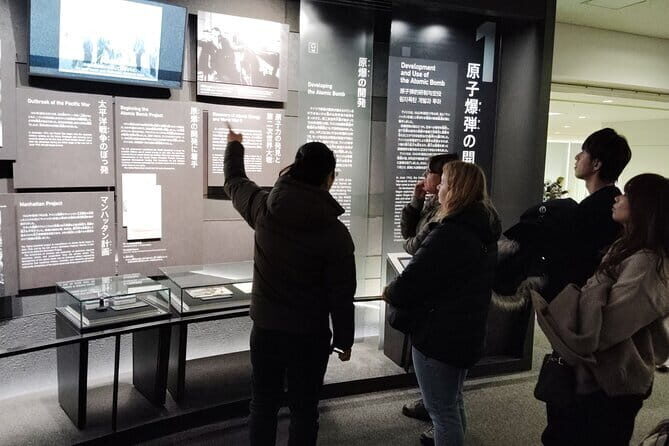
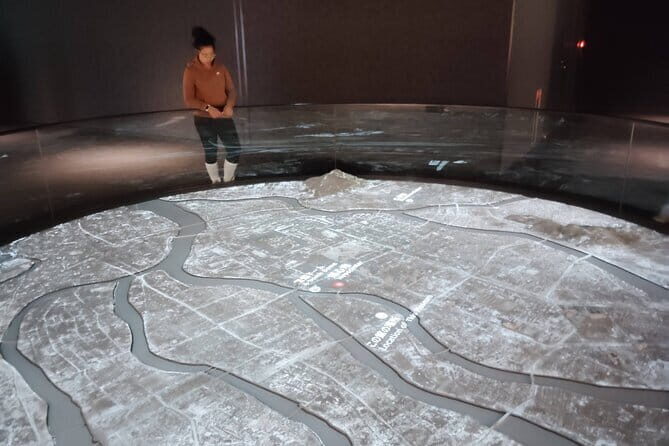
The museum is the heart of the tour and the time sink in the best way. You get around 2 hours here, and the tour includes museum admission.
The big rule you’ll notice right away: guides explain in a whisper and everyone is asked to be quiet. That can feel different at first, especially if you’re used to fast, talky museum tours. But it improves the experience. You can hear the guide when it matters, and the rest of the room doesn’t turn into background noise.
What your guide helps you do
A good guide doesn’t just point at items; they help you understand context. In this tour style, you’ll be guided through the story of Hiroshima and its people before the bombing, and then the impact of the attack after August 6, 1945. The museum also leans heavily on archives—quiet records that explain what happened, without turning the tragedy into spectacle.
In the same tour format, I’ve seen guides like Gordon and Ami handle questions patiently while still keeping the room’s tone respectful. And I’ve heard Naomi share family stories that add a different layer—proof that history isn’t only dates and documents.
A practical way to pace yourself in the museum
Two hours is enough time to get value without losing the thread. Still, you’ll want a simple strategy:
- Pick a few sections to take slowly rather than trying to read everything.
- When the guide pauses to explain, don’t treat it like background narration—treat it like a “key” to unlock what you’re about to see.
If you come in tired or hungry, the museum can feel even heavier than it needs to. (More on snacks later.)
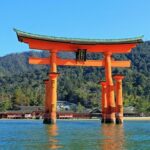


Private group guidance: Why some tours feel flat—and this one doesn’t

This is a private tour. Only your group participates, so you’re not squeezed into a moving crowd. That matters with a museum like this. You can ask questions without worrying about holding up strangers.
From the guide style described in past groups, the standout element is personal connection. Some guides share family history and lived links to the event, while still keeping the tour anchored in respectful, historical explanation. Naoka is noted for being a second-generation survivor herself, and guides such as Takashi and Emiko are described as patient with questions and thoughtful in how they talk.
The balancing act
This kind of place can tip into either extremes: pure facts with no heart, or emotional storytelling without grounding. The guide approach here aims for balance—teaching while honoring those affected, and linking the past to the importance of peace in the present.
It’s also why the museum whisper rule works. It keeps the room human and quiet, instead of turning it into a performance.
Timing, meeting point, and what 3 hours feels like
The tour is about 3 hours total, structured around three stops:
- Atomic Bomb Dome: about 30 minutes
- Peace Memorial Park: about 20 minutes
- Peace Memorial Museum: about 2 hours (with admission included)
You start and end at Hiroshima Peace Memorial Museum, at 1-2 Nakajimachō, Naka Ward, Hiroshima, 730-0811, Japan. The meeting point being at the museum helps you avoid confusion and gets you into the right frame fast.
A note on getting there: the tour is described as near public transportation, and that’s a good thing. Hiroshima’s Peace area is easiest when you’re not juggling long commutes between stops.
Also, you’ll want to be a little early. One past experience highlighted that arriving a few minutes late can create uncertainty about where to line up. You don’t want your first minute in Hiroshima history to be a guessing game.
Price and value at $94.26 per person
At $94.26 per person, this isn’t a “cheap attraction add-on.” But for what you get, it can be good value.
Here’s the math that matters:
- Guide fee is included
- Hiroshima Peace Memorial Museum admission is included
- The Dome and Peace Memorial Park stops are presented as free entry
So you’re paying mainly for the local guide and the museum admission portion. The guide time is the part you can’t replicate with a simple audio app, especially in a place where context changes what you see.
There’s also mention of group discounts, which can help if you’re traveling with friends or family. And since it’s private, you’re not paying for a big group’s silence—you’re paying for your group’s pacing and questions.
If you’re visiting Hiroshima with limited time, this tour is basically a focused dose: the most important sites, handled in about half a day.
What’s not included: lunch and coffee/tea. So plan to eat before or after. If you try to schedule a big meal during the middle, the museum’s quiet rules will make that feel awkward fast.
What to bring (and what to skip) for a respectful Peace Park day
You’ll be outside for at least part of the Dome and Peace Park time, and then you’ll spend a long block inside the museum. Keep it simple:
- Comfortable shoes, because you’ll want steady footing.
- Water, especially if you’re visiting in warm weather.
- A plan for lunch: since it isn’t included, decide ahead of time where you’ll stop after the tour.
Because the museum asks for quiet, it’s also worth thinking about your phone habits. If you can read signs without constant screen use, you’ll get more out of the exhibits and also fit the room’s tone.
And emotionally: yes, it’s heavy. That’s not the tour’s “sales pitch.” It’s just the reality of what you’re seeing. Coming in ready to slow down helps a lot.
Who should book this Hiroshima Peace Memorial tour
This experience fits best if you want:
- Meaningful context, not just sightseeing
- A guide who can answer questions and explain how the city and its people understood what happened
- A structured visit that protects the museum time (2 hours)
It’s also described as suitable for most travelers. If you’re traveling with mobility needs, the key detail you can rely on from the info provided is that it’s designed for broad participation. That said, you’ll still be walking around the Peace Memorial area, so comfy pacing matters.
Who might want a different style
If you strongly prefer a loud, casual, back-and-forth tour vibe, the museum’s whisper and quiet expectations may feel restrictive. The guide approach is respectful by design, and you should pick this tour if you’re comfortable with that tone.
Should you book this Atomic Bomb Dome and Peace Memorial Museum tour?
I’d book it if you want the best use of a short Hiroshima window and you care about understanding more than what a brochure can show you. The private format, the focused timing, and the museum admission included make it practical value. The biggest reason to choose it is the guide element—especially when you’re getting personal connections and patient, thoughtful explanations from guides like Naoka, Naomi, Gordon, Emiko, and Ami.
I wouldn’t book it if you hate quiet, don’t do well with emotionally heavy sites, or want a high-energy “tour ride” style. This tour is solemn. It’s meant to be.
If you’re on the fence, decide this way: If you’ll regret not learning the deeper context, book. If you only want photos and a quick stroll, you’ll likely find this structure too slow and too quiet.
FAQ
How long is the Hiroshima Atomic Bomb Dome and Peace Memorial Museum tour?
It runs for about 3 hours.
What are the main stops on the tour?
You’ll visit the Atomic Bomb Dome, Hiroshima Peace Memorial Park, and the Hiroshima Peace Memorial Museum.
Is the museum ticket included in the price?
Yes. Admission to the Hiroshima Peace Memorial Museum is included.
What is the meeting point for the tour?
The start (and end) point is Hiroshima Peace Memorial Museum, 1-2 Nakijimachō, Naka Ward, Hiroshima, 730-0811, Japan.
Is lunch included?
No. Lunch and coffee/tea are not included.
Is this tour private?
Yes. Only your group will participate.
What if I need to cancel?
You can cancel for a full refund if you cancel at least 24 hours before the experience’s start time.