REVIEW · HIROSHIMA
Hiroshima Peace Memorial Museum & Miyajima Spiritual Shores
Book on GetYourGuide →Operated by Fukuhara tours · Bookable on GetYourGuide
Hiroshima and Miyajima hit you in two different ways. I love how the Hiroshima Peace Memorial Museum turns history into personal stories, and I also love the way the Atomic Bomb Dome makes you stop talking and start thinking. One drawback to plan for: this is a full, emotion-heavy day, so if you’re looking for an easy, carefree outing, you might find it a lot.
The good news is you go with a local expert and a small group, which keeps the pace human and the explanations clear. Guides like Ihsan and James are called out for respectful, lively storytelling, which matters a lot when you’re trying to understand the tragedy without turning it into a lecture. You’ll also need to get yourself to the meeting area (hotel pickup is optional, not included by default).
Key points to watch for
- Peace Memorial Museum focuses on survivor belongings and personal stories, not just dates
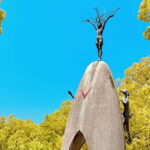
- Peace Memorial Park gives you quiet time among monuments like the Children’s Peace Monument
- Atomic Bomb Dome is a frozen view you’ll feel in your chest
- Ferry to Miyajima shifts the mood from remembrance to calm
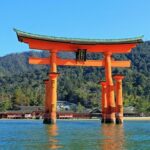
- Itsukushima Shrine’s vermilion floating torii gate appears at high tide
- Momiji Manju is built into the day for a sweet little reset
In This Review
- Hiroshima Peace Memorial Museum to Miyajima: two moods, one day
- Your guide and why a small group makes the day work
- Hiroshima Peace Memorial Museum: what you’ll actually take in
- Peace Memorial Park: quiet monuments and room to think
- Atomic Bomb Dome: the moment that sticks
- Getting to Miyajima: ferry time and a mood reset
- Itsukushima Shrine and the floating torii gate at high tide
- Pagoda views, deer encounters, and local shopping streets
- Food break and Momiji Manju: a small taste that matters
- Price and value: why $121 can make sense
- Practical tips to make the day feel easier
- Who this tour suits best
- Should you book this Hiroshima and Miyajima day trip with Fukuhara Tours?
- FAQ
- What does the tour include in Hiroshima?
- Is admission to the Hiroshima Peace Memorial Museum included?
- What does the tour include on Miyajima Island?
- Is shrine admission included?
- How do we get to Miyajima Island?
- Is lunch included?
- Is Momiji Manju included?
- Is pickup available?
- Is the tour wheelchair accessible?
- Are pets or drones allowed?
Hiroshima Peace Memorial Museum to Miyajima: two moods, one day
If you only knew Hiroshima as a headline, this trip gives you the human version. You start in Hiroshima with the Peace Memorial Museum and Peace Memorial Park, where the story of 1945 is told through artifacts, images, and survivor accounts. Then you head to Miyajima, and the air changes. Nature, shrine traditions, deer, and slow island walks take over.
I like that the day isn’t trying to shock you into noticing. It moves you from understanding to reflection to beauty, with time to look at what’s in front of you. And it does it with a guide who keeps the tone respectful while still making the details clear.
There’s a practical consideration you should respect: the subject matter at the Peace Memorial sites is heavy. You’ll be walking outdoors too, so wear shoes you trust and bring what you need for comfort.
Your guide and why a small group makes the day work
This tour is built around a local expert and personal storytelling in English throughout the day. That combination is the difference between reading signs and actually understanding what you’re seeing. In the reviews, guides like Ihsan and James are praised for how they bring culture and history to life, and for doing it with sensitivity at the memorial sites.
A small group matters more than people think. You can pause without feeling rushed. Questions don’t get swallowed by the crowd. And you’re better able to follow the subtle flow of the day: museum first, then monuments, then the big visual jolt of the Atomic Bomb Dome, and finally the calmer rhythm of Miyajima.
If you want a guide who can explain the meaning behind what you’re looking at, this format supports that. If you prefer total freedom to wander on your own with no structure at all, you may feel constrained. Most people find the structure helpful here.
You can also read our reviews of more museum experiences in Hiroshima
Hiroshima Peace Memorial Museum: what you’ll actually take in
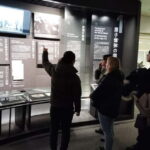
The Peace Memorial Museum is the heart of this outing. You’ll walk through Hiroshima’s story after the atomic bombing in 1945, and you’ll see how the city rebuilt itself while holding onto memory. The museum is described as leading you through personal belongings, survivor stories, and haunting images.
What makes that valuable is how it changes your attention. Instead of thinking in broad terms, you start noticing individual lives and ordinary items tied to an extraordinary event. Even if you’ve read about Hiroshima before, this kind of display can reorganize what you thought you already knew.
Plan mentally for a slower pace. Museum rooms can feel quiet in a way that’s hard to replicate elsewhere. I’d treat this like a guided lesson in empathy and context, not a quick stop. If you try to multitask, you’ll miss what the museum is designed to do: help you understand impact, not just mechanics.
Peace Memorial Park: quiet monuments and room to think
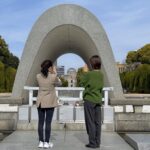
Just outside the museum, the Peace Memorial Park shifts you from indoor exhibits to open-air remembrance. The park is known for quiet spaces and thoughtfully placed monuments, including the Children’s Peace Monument and the Eternal Flame of Peace.
This part is valuable because it gives your mind a place to settle after the museum. A museum hits you with information; a park lets you process it with your own pace. You can look at the names, symbols, and layout without having to read every label at once.
I also appreciate the balance here. You’re not just staring at a sad scene. The monuments are about peace and harmony, and they’re meant to point beyond the tragedy. That idea can be uncomfortable at first, but it becomes clearer as you walk.
If you’re the type who prefers photography, keep it respectful. The goal isn’t to capture proof you were there. It’s to understand why people set these memorials up the way they did.
Atomic Bomb Dome: the moment that sticks
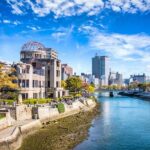
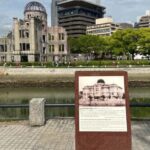
Near the park area is the Atomic Bomb Dome, often described as a silent witness frozen in time. When you see it, the shape of what’s left can make the event feel closer than any map or timeline.
The reason this stop lands is simple: the structure itself looks fragile, like it’s still holding its breath. It doesn’t explain. It just shows. And that’s why a good guide helps. You need context for what it means and why it was preserved, otherwise it can become just another photo spot.
In reviews, guides are praised for making the explanation of the atomic bombing respectful and moving. That matters here because the Dome is not entertainment. It’s an urgent message for peace.
Tip for your day: let a few minutes pass before you rush onward. Walk a little farther than the first obvious viewpoint, then look back once. You’ll understand why people remember this stop for years.
Getting to Miyajima: ferry time and a mood reset
After Hiroshima, the day shifts with transportation to Miyajima Island. You’ll take a ferry and you’ll also use included train options as part of the transfer setup. This travel segment matters because it acts like a mental reset between two different kinds of atmosphere.
The ferry experience also gives you something practical: movement and a change of scenery. You’re leaving the memorial intensity behind, and you’re heading into a place where the day feels more like a spiritual visit mixed with sightseeing.
I’d treat the transit like part of the tour, not downtime. If the museum and park left you carrying heavy thoughts, the ride to Miyajima is where those thoughts begin to soften into attention on details: water, timing, and the island’s slower pace.


Itsukushima Shrine and the floating torii gate at high tide
Miyajima’s main event is Itsukushima Shrine, with its famous vermilion torii gate floating at high tide. This is the visual moment most people come for, and it’s also the moment you should be ready to slow down.
The shrine area blends spirituality, nature, and history. You’ll walk calm paths, and you’ll likely spot the sacred deer that make Miyajima feel like a living shrine landscape. The mood can feel almost like a pause button compared with Hiroshima.
The key practical point is the tide. The tour describes the torii gate at high tide, so you’re timing the experience for when that famous effect happens. That’s why a guided, scheduled tour is helpful. You’re not left guessing when the water will rise enough.
Also, don’t only chase the big photo. Take a few minutes to look around the shrine grounds and understand how the shrine’s setting with water shapes its meaning. A good guide will explain what you’re seeing and why this place has lasted as a pilgrimage destination.
Pagoda views, deer encounters, and local shopping streets
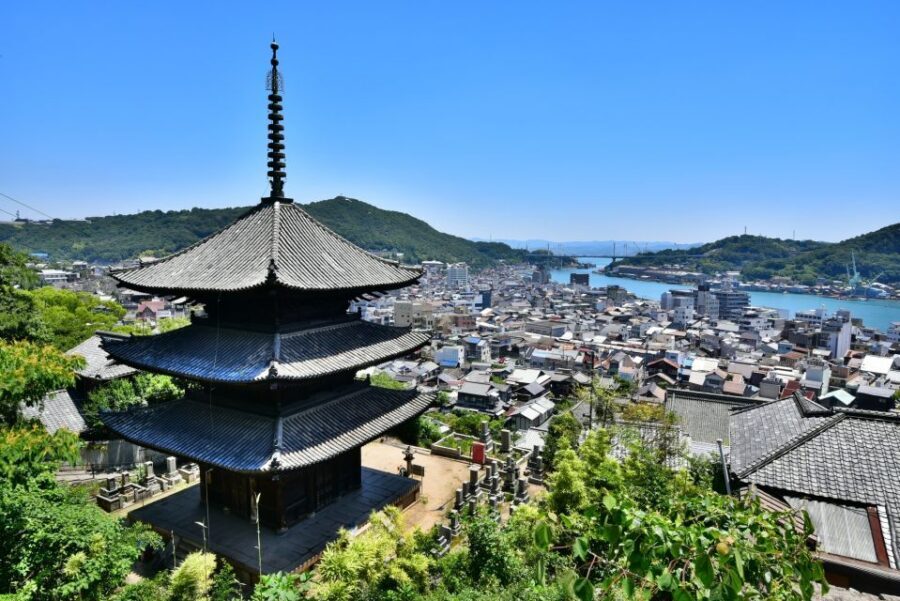
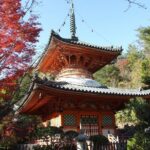
After the shrine highlights, you’ll continue walking Miyajima’s key spots, including the Five-Story Pagoda and local shopping streets. This is where the day becomes more playful and more sensory.
The pagoda stop gives structure to the experience. It’s not just about the torii gate. You’ll see another iconic element that helps you understand Miyajima as an entire shrine and temple ecosystem, not a single monument.
Then there are the shopping streets. This is practical sightseeing: snack stops, small items, and the everyday rhythm of an island town. It’s not a long free-for-all, but you get time built into the day for browsing.
The deer are part of the charm and part of the logistics. You’ll want to pay attention as you walk so you don’t get in their way. Think of it as sharing space, not competing for attention.
Food break and Momiji Manju: a small taste that matters
The tour includes an optional food break, plus time to enjoy local sweets like Momiji Manju. This may sound minor compared to the major memorial sites, but it’s a smart pacing tool.
When you spend hours absorbing emotional history, your body still needs a break. A short pause with a snack helps you keep your energy up for the next walk, especially on an island day.
I like that the sweets moment is planned rather than left to chance. Momiji Manju is a classic Miyajima treat, and having time set aside makes it feel like part of the experience, not an afterthought.
Lunch isn’t included, and food and drinks are not included during the break, so you’ll want to budget for it. If you have dietary needs, consider bringing something simple to hold you over until the break.
Price and value: why $121 can make sense
At $121 per person, the pricing feels like a bargain only if you compare it to what it would cost to arrange everything separately. Here, you get a lot bundled together: guided storytelling, museum admission, Peace Memorial Park visits with key points included, and transportation elements like ferry and train tickets. Shrine admission is included too.
You’re also getting a small-group guide, which can be hard to duplicate at a low cost in Japan, especially when you want context for sites like Hiroshima. Admission tickets alone plus transport plus an expert guide can add up quickly if you’re piecing it together yourself.
The only catch is that lunch and snacks are on you. Souvenirs and personal purchases are also not included. So the true cost depends on how much you add on during free time.
If you’re short on time in Hiroshima and want a structured day that covers the major sights without turning into a logistics headache, this pricing looks fair. If you love independent planning and already know the routes and ticket process, you might spend less by booking your parts separately. But you’d likely lose some storytelling value.
Practical tips to make the day feel easier
This is a day with two big themes: remembrance and beauty. That means you need comfort and respect more than thrill.
What to bring
- Comfortable walking shoes (both shrine grounds and museum/park areas involve a lot of walking)
- Weather protection, because you’ll be outdoors for multiple segments
- A small budget for your food break since lunch isn’t included
What to know before you go
- It’s not suitable for wheelchair users, based on the tour setup. If mobility is an issue, consider alternatives that fit your needs better.
- The tour does not allow pets, drones, or alcohol and drugs. So plan your day without those items.
- If you want pickup, it’s optional and available from specific places: Hiroshima Ujina Port, Hiroshima Station (Shinkansen exit), or a meeting spot near Peace Memorial Park (with exact details shared after booking).
One more tip: keep your phone for photos, but keep your attention for people and places. At Hiroshima, the quiet moments do more work than the dramatic ones.
Who this tour suits best
This works best if you want both depth and flow. You’ll like it if you:
- Want an expert guide to explain Hiroshima’s history with respect
- Prefer a structured day that covers Hiroshima’s core memorial sites plus Miyajima’s main shrine experience
- Appreciate a small group pace so you can pause and ask questions
- Enjoy a mix of spiritual sightseeing and local snack time
It may not be ideal if you want a purely relaxed, flexible day with no scheduled stops, or if your mobility needs don’t match the walking-based format.
Should you book this Hiroshima and Miyajima day trip with Fukuhara Tours?
I think it’s a strong choice if you’re visiting Hiroshima and you also want Miyajima without juggling ferry logistics, ticket timing, and route planning. The value comes from the combination: admissions and key sights are covered, you get guided context in English, and you also get a real transition from memorial reflection to island calm.
If the emotional content of Hiroshima is something you feel prepared for, this tour can be very meaningful. And if you choose it because you want the famous floating torii gate at high tide plus the quiet shrine walk, you’ll be glad you went with a plan.
If you’re unsure, ask yourself one question: do you want the story behind what you see, or do you just want to check boxes? This tour is built for the first option.
FAQ
What does the tour include in Hiroshima?
The tour includes a guided visit to Hiroshima Peace Memorial Park and the Peace Memorial Museum, plus stops and included admission tied to major sites such as the Atomic Bomb Dome, Memorial Cenotaph, and the Children’s Peace Monument.
Is admission to the Hiroshima Peace Memorial Museum included?
Yes. Admission ticket to the Peace Memorial Museum is included.
What does the tour include on Miyajima Island?
You’ll take the ferry to Miyajima and then visit Itsukushima Shrine, walk through key areas on the island, and see highlights such as the O-Torii Gate and the Five-Story Pagoda, along with local shopping streets.
Is shrine admission included?
Yes. Admission to Itsukushima Shrine is included.
How do we get to Miyajima Island?
The day includes transportation to Miyajima by ferry, and round-trip ferry tickets are included, along with train tickets.
Is lunch included?
No. Lunch is not included, and food and drinks are not included. There is an optional food break on Miyajima where you can purchase your own items.
Is Momiji Manju included?
The tour includes time to enjoy local sweets like Momiji Manju.
Is pickup available?
Pickup is optional and not included by default. If requested, it is available from Hiroshima Ujina Port, Hiroshima Station (Shinkansen exit), or a specific spot at Hiroshima Peace Memorial Park (shared after booking).
Is the tour wheelchair accessible?
No. It is not suitable for wheelchair users.
Are pets or drones allowed?
No. Pets and drones are not allowed, and alcohol and drugs are also prohibited.