REVIEW · HIROSHIMA
Hiroshima; Hiroshima Peace Memorial Museum and Castle Tour
Book on GetYourGuide →Operated by Fukuhara tours · Bookable on GetYourGuide
Hiroshima hits you fast, and this tour helps you process it. You’ll walk through the city’s most important places—starting at the Peace Memorial Museum and moving out to the Peace Park and ground zero—so the story doesn’t feel like random monuments on a map.
Two things I really like: first, the museum time with a live guide makes the tragedy easier to follow without turning it into a lecture marathon. Second, the Peace Park stop goes beyond facts and explains the ideas behind the memorial, so you leave thinking about peace with actual context, not just photos.
One drawback to plan for: some exhibits describe the bombing in graphic, upsetting detail. If you’re sensitive, ask ahead about what you’ll see before you go, and consider bringing a little emotional padding.
In This Review
- Key Highlights You’ll Care About
- Why This 3-Hour Hiroshima Plan Makes Sense
- Meeting Point and Pace: A Short Walk, Smart Timing
- Hiroshima Peace Memorial Museum: What a Live Guide Adds
- Peace Memorial Park: Learning the Message Behind the Monuments
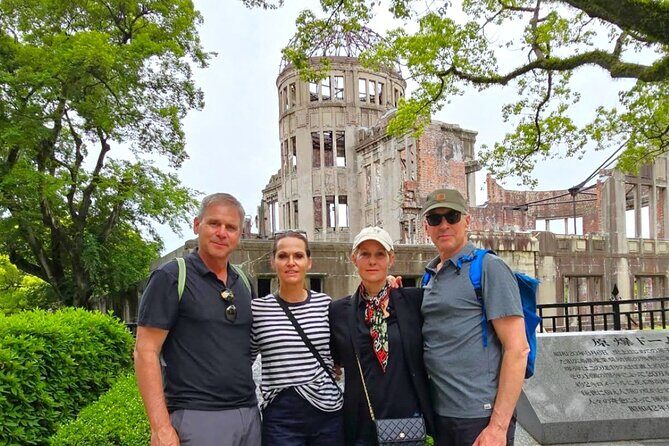
- Atomic Bomb Dome and the Hypocenter: Ground Zero With a Narrative
- Hiroshima Gokoku Shrine: A Different Side of the Story
- Hiroshima Castle: Samurai Props, Real Context, and Tickets You’ll Need
- Guides Matter Here: The Human Factor That Keeps This Tour Moving
- What’s Included vs. What You’ll Pay For
- Who This Tour Fits Best (and Who Might Want a Different Option)
- Small Practical Tips That Make the Difference
- Should You Book This Hiroshima Peace and Castle Tour?
- FAQ
- How long is the Hiroshima Peace Memorial Museum and Castle Tour?
- How much does the tour cost?
- What does the tour include?
- Are Hiroshima Castle tickets included?
- Where is the meeting point?
- What languages are available for the live guide?
- Is the museum audio guide included?
- Is food included?
- Is the tour wheelchair accessible?
- What’s the cancellation policy?
Key Highlights You’ll Care About
- Museum + Peace Park with live guides, not self-guided browsing
- Guided look at the Atomic Bomb Dome and the hypocenter, with a clear narrative
- Atomic-bombed buildings nearby, focused on daily life and what changed
- Hiroshima Gokoku Shrine + Hiroshima Castle to balance grief with continuity
- Photo stops built in, so you’re not constantly hustling for time
Why This 3-Hour Hiroshima Plan Makes Sense
Hiroshima is the kind of place where you can walk for hours and still feel lost. This tour solves that problem by giving you a storyline you can hold onto, then steering you through the key sites in a manageable 3-hour window.
At $67 per person, you’re paying for three high-value things: a guide, museum access included in the price, and “not thinking” time. In practice, that means less queue stress and fewer awkward pauses trying to figure out what matters most.
And yes, it’s intense. The good part is that you’re not just staring at memorials—you’re learning how Hiroshima remembers, how it rebuilt, and why the city chose these specific markers.
You can also read our reviews of more museum experiences in Hiroshima
Meeting Point and Pace: A Short Walk, Smart Timing
The tour starts at the taxi stand near the Peace Memorial Museum. That’s convenient because you’re already in the right neighborhood from the first minute.
You’ll be on your feet with comfortable shoes, and you’ll get photo stops sprinkled through the route. The timing is structured: about an hour in the museum, about an hour at Peace Memorial Park, a brief guided stop at the Atomic Bomb Dome, and then roughly 40 minutes for Hiroshima Castle. That rhythm matters. You’re not forced into a nonstop sprint, but you also won’t wander aimlessly with a dead battery in your brain.
The guides also tend to adjust the pacing. Many people praised how guides kept the tour moving at a group pace—especially useful inside the museum, where you might want a moment to read exhibits rather than just listen.
Hiroshima Peace Memorial Museum: What a Live Guide Adds
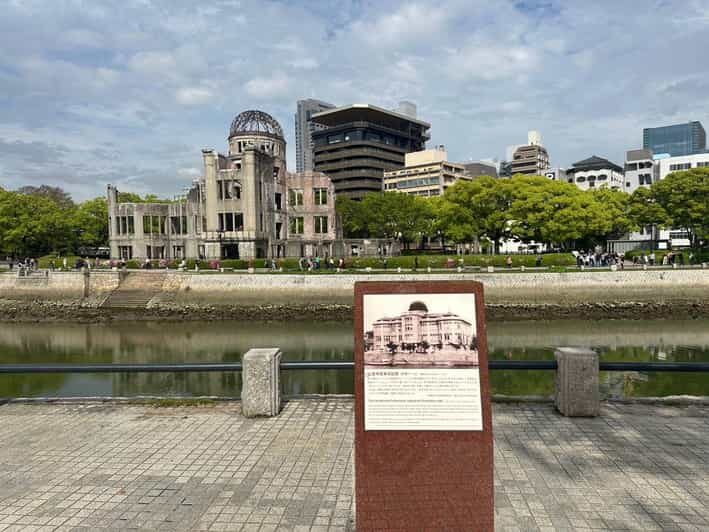
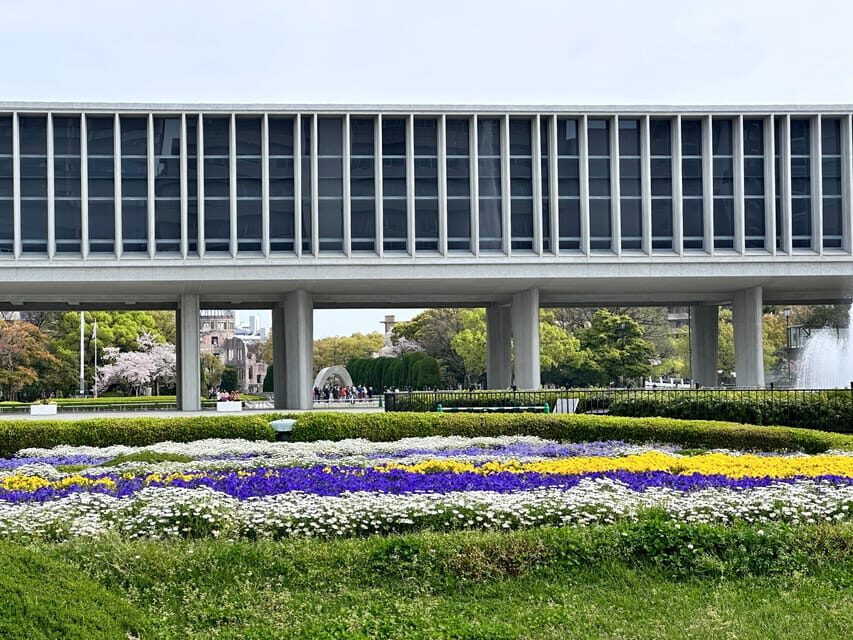
The museum visit is where this tour earns its weight. You get a guided visit (about 1 hour), plus a museum ticket included. With a guide, you’re not just collecting names and dates—you’re learning what to look for and how the pieces connect.
Here’s what you should expect from the experience overall:
- Exhibits cover the bombing and its aftermath directly.
- Some content is disturbing and graphic.
- The museum can feel overwhelming if you’re not sure where to focus.
This is also where many people say having a guide makes the difference. One common thread: guides respected the emotional tone of the place and helped people go at their own pace, including when visitors wanted to read more slowly. If you want the story to land, this is the stop that turns scattered information into a coherent picture.
One more practical note: the tour includes the museum ticket, but it doesn’t include the museum’s optional audio guide. If you like layered listening (guide plus audio), you’ll need to plan for that separately.
Peace Memorial Park: Learning the Message Behind the Monuments
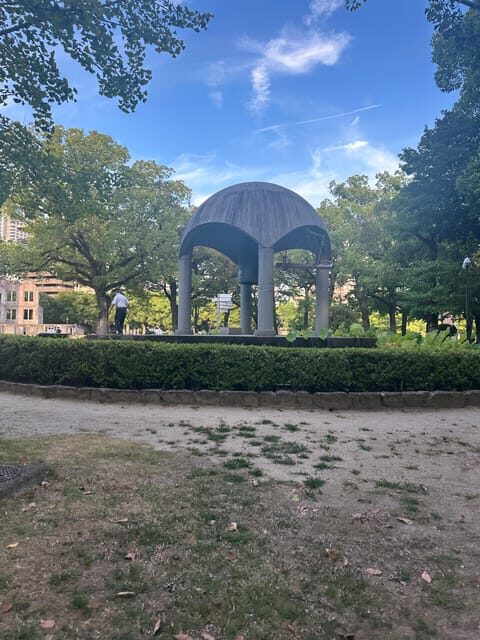
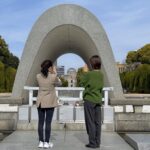
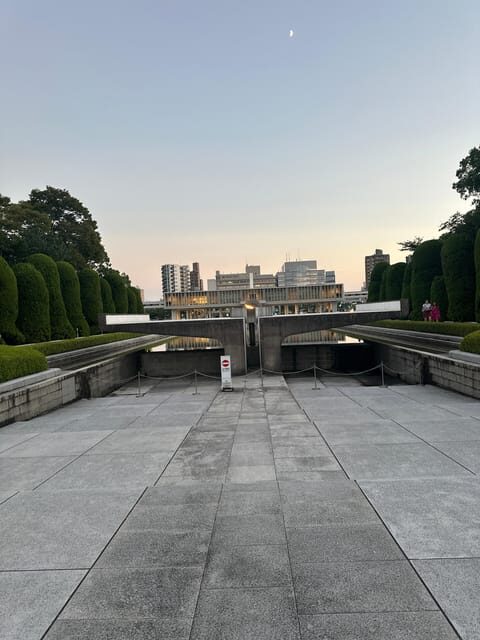
After the museum, the tour heads into Peace Memorial Park with another guided segment (about 1 hour). The change of setting is important. Indoors, you absorb details. Outdoors, you start seeing how Hiroshima communicates those details to the future.
In the park, your specialist guide focuses on:
- World War II context in a way that connects to the memorial
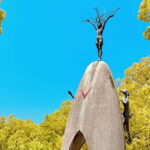
- the thinking behind the monuments and what they symbolize
- a deeper message about peace that isn’t just “be nice”
This is where I think the tour is especially valuable for first-time visitors. Peace Park isn’t laid out like a theme park. Without guidance, it’s easy to feel like you’re walking past impressive statues without understanding what they’re trying to say.
People also praised guides who took the time to answer questions and explain symbolism clearly—so you’re not left guessing.
Atomic Bomb Dome and the Hypocenter: Ground Zero With a Narrative
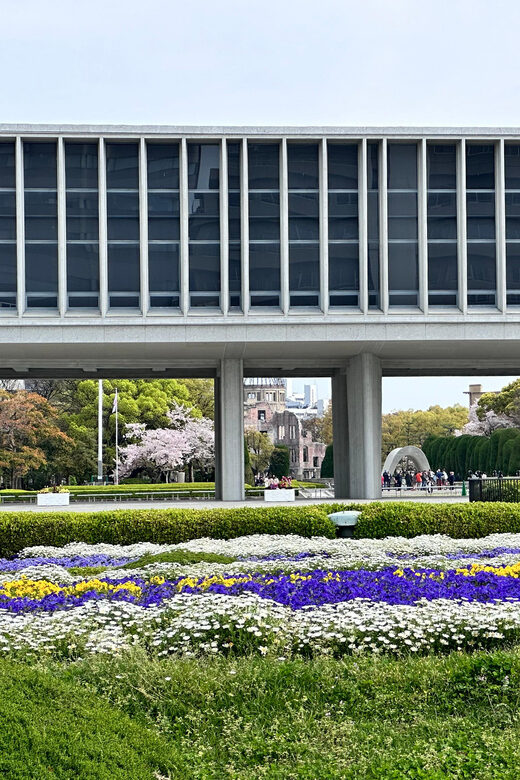
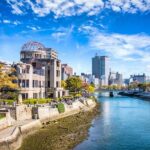
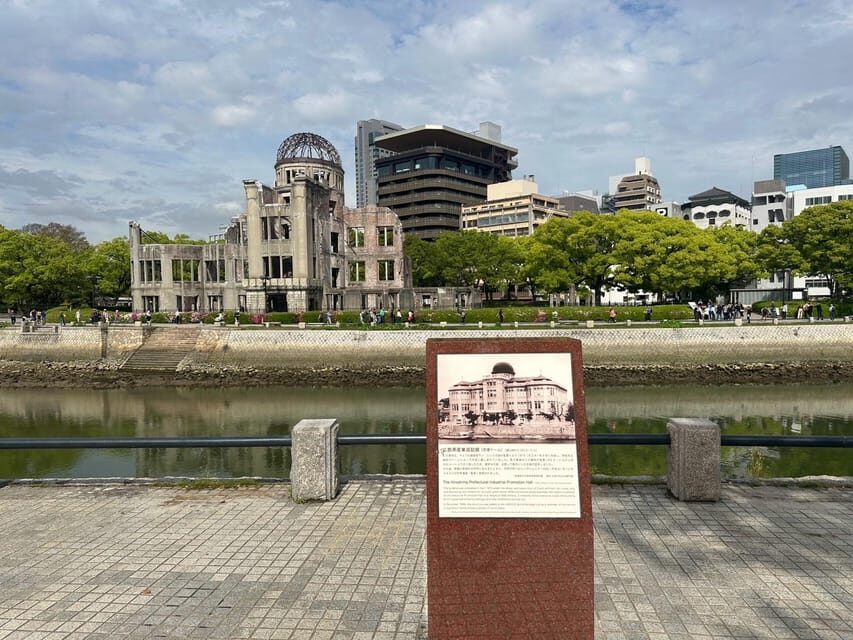
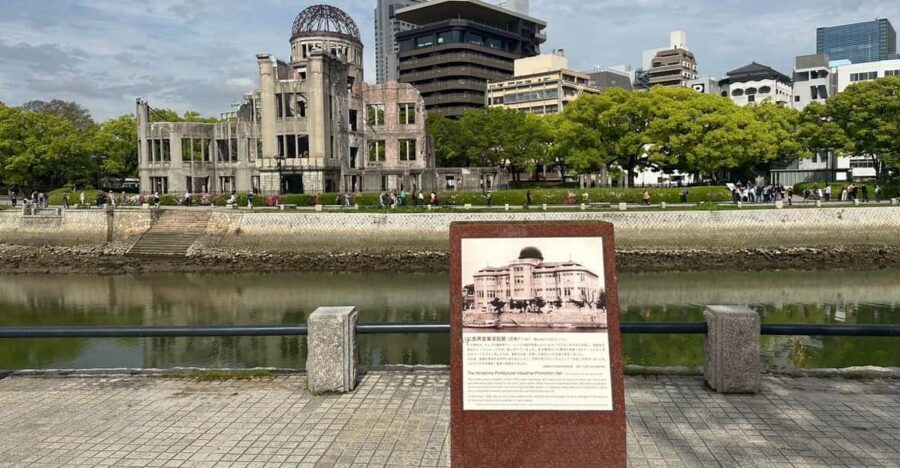
Next comes the Atomic Bomb Dome (photo stop plus guided visit, about 10 minutes) and then the hypocenter area. Even with limited time, the guide framing is the difference between “I saw a landmark” and “I understand why this spot matters.”
At these stops, you’ll learn:
- what the dome represents today
- what the hypocenter means historically
- how the surrounding area was affected
- the broader impact on Hiroshima’s residents
And you’ll also get the kind of “nearby history” that doesn’t always show up on a basic route. The tour description includes visiting additional atomic bombed buildings to see the power of the bombing up close and to learn about daily life during that period.
One interesting note from guide behavior: several guides (including people like Maria, Léo, Ihsan, and others) were praised for pointing out less-frequented, story-rich spots. That might include extra connected sites such as a school, hospital, or bank tied to the bombing narrative. Those details can make the experience feel more personal and less like a checklist.


Hiroshima Gokoku Shrine: A Different Side of the Story
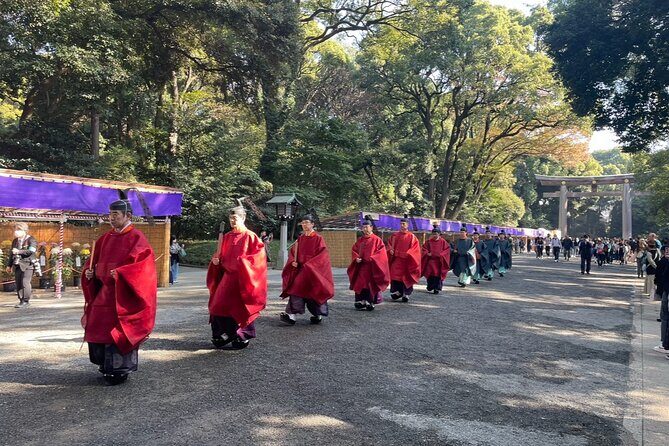
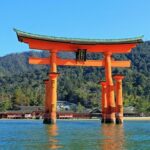
After the ground-zero area, the tour includes a visit to Hiroshima Gokoku Shrine. This is a quieter pivot. You’re moving from WWII memory toward a site shaped by local tradition and belief.
Even if you’re not a shrine-specialist, you’ll likely appreciate this stop because it adds contrast. Hiroshima isn’t only the bomb. It’s also a working city with spiritual and cultural routines that continue alongside remembrance.
If you prefer tours that balance weight with perspective, this “break in tone” can help you absorb the day without shutting down emotionally.
Hiroshima Castle: Samurai Props, Real Context, and Tickets You’ll Need
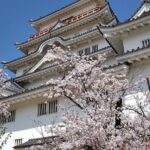
The tour ends at Hiroshima Castle, with photo opportunities and guided sightseeing for about 40 minutes.
What you’ll get here is a practical window into Japanese history through visible artifacts—swords, helmets, and samurai-style interpretive material. The tour description makes it clear the goal is cultural understanding, not just a photo at the entrance.
Important: castle tickets are not included. So if you want to go inside displays or into any ticketed areas, you’ll need to pay separately. That’s the one “small cost” snag to keep in mind so you’re not standing there wondering what your ticket covers.
Also, some people noted that the castle portion can feel less essential compared with the memorial sites. My take: if you’re mainly in Hiroshima for WWII history, treat the castle as a short cultural appendix—use it to zoom out and see how the city’s story extends beyond a single event.
Guides Matter Here: The Human Factor That Keeps This Tour Moving
The biggest praise across experiences isn’t the sites—it’s the people leading you between them.
Names that came up repeatedly include Maria and Ihsan, with other guides such as Léo also mentioned. People consistently praised guides for:
- strong explanations of WWII history and local Hiroshima context
- answering questions clearly and respectfully
- keeping a good pace and adjusting to the group
- patience during museum reading time
A few guides were also praised for tailoring the tour to interests. If you’re the type who asks lots of questions, this kind of flexibility is worth its weight in yen.
There was also positive feedback about snack and food suggestions. The tour includes traditional Hiroshima snacks, but food and drink beyond that are on you—so having guide recommendations can make your next meal easier to plan.
What’s Included vs. What You’ll Pay For
Included:
- walking tour
- Peace Memorial Museum ticket
- traditional Hiroshima snacks
- a tour guide
- guided stops at the main memorial sites and Hiroshima Castle (with photo stops)
Not included:
- food and drink bills beyond the included snacks
- the Peace Memorial Museum optional audio guide
- Hiroshima Castle tickets
That’s a pretty fair setup. You’re not paying separately for museum entry, but you’re also not forced into a bundle that might not match your needs once you’re onsite.
Who This Tour Fits Best (and Who Might Want a Different Option)
This tour is best for you if:
- it’s your first trip to Hiroshima and you want the story connected
- you prefer a guide to explain meaning, not just let you walk around
- you want a short, structured visit that still includes the big emotional anchors
It may not be the right fit if:
- graphic exhibits are too hard for you to handle without warning (ask beforehand)
- you’re looking for an “I’ll wander and read everything at my own speed” style day
- you have limited stamina for walking
Also, the information says it’s wheelchair accessible, but it separately notes it’s not suitable for wheelchair users. Those two statements conflict, so if that applies to you, confirm directly with the operator before booking.
Finally, it’s listed as not suitable for people over 95 years, so plan accordingly if age is a factor.
Small Practical Tips That Make the Difference
Here are a few things that help you get the most out of the 3 hours:
- Wear comfortable clothes and supportive shoes; you’ll be walking and standing.
- Bring water and a snack plan for after the included snacks (food isn’t included).
- If you’re worried about emotionally heavy exhibits, ask ahead what’s included and what’s most graphic.
- Decide how you want to split your attention: listen to the guide first, then take a little time to read what you missed.
If you do those, the guide’s framing will stick, and you’ll leave with more than a memory—you’ll have a coherent understanding you can actually talk about.
Should You Book This Hiroshima Peace and Castle Tour?
I’d book it if you want the cleanest path through Hiroshima’s most important places without getting overwhelmed or stuck in confusion. The museum + Peace Park combo with live guides is the core value, and the Atomic Bomb Dome and hypocenter stops make sure you understand what you’re looking at.
Skip it only if you know you want maximum self-guided flexibility, you strongly prefer lighter emotional content, or you don’t want to pay extra for Hiroshima Castle tickets. For most first-time visitors, the price feels fair because you’re buying time, context, and a guide who can answer real questions.
If you can handle the emotional weight with care, this is the kind of short tour that leaves you steady and informed—not rushed and not blank.
FAQ
How long is the Hiroshima Peace Memorial Museum and Castle Tour?
The duration is 3 hours.
How much does the tour cost?
The price is $67 per person.
What does the tour include?
It includes a walking tour, the Peace Memorial Museum ticket, traditional Hiroshima snacks, and a tour guide.
Are Hiroshima Castle tickets included?
No. Castle tickets are not included.
Where is the meeting point?
The meeting point is the taxi stand near the Peace Memorial Museum.
What languages are available for the live guide?
The tour guide is available in English, Hindi, Malay, and Urdu.
Is the museum audio guide included?
No. The Peace Memorial Museum optional audio guide is not included.
Is food included?
Traditional Hiroshima snacks are included, but food and drink bills are not included.
Is the tour wheelchair accessible?
The details list it as wheelchair accessible, but it also says it is not suitable for wheelchair users. It’s worth checking directly with the operator before booking.
What’s the cancellation policy?
It offers free cancellation up to 24 hours in advance for a full refund.