REVIEW · TOKYO
Tokyo: Mt Fuji Private Day Tour By English Driver Low Price
Book on GetYourGuide →Operated by Travel Cottage · Bookable on GetYourGuide
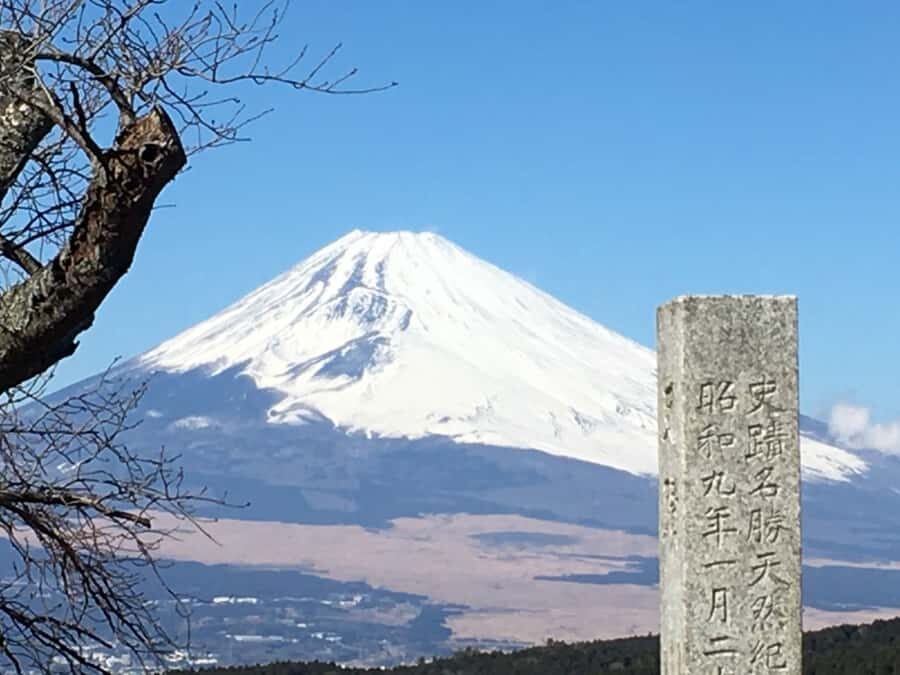
Fuji day trips live or die by the light. This private trip stacks your chances with a private vehicle and an English-speaking driver plus a tight loop of Fuji photo stops and scenic walks.
I love the Chureito Pagoda climb and the classic Arakurayama Sengen Park viewpoint that comes with it. I also like the Lake Kawaguchi shoreline stroll for reflection photos, plus the spring-pond scenery and village atmosphere around Oshino Hakkai.
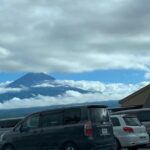
One consideration: Mt Fuji can be partly hidden by clouds or mist. Plan for weather changes and note that the lunch stop is scheduled, but your meal cost is not included.
In This Review
- Key things I’d plan around
- Door-to-door Pickup Across Tokyo’s 23 Wards
- Your Private Driver-Guide: Why It Makes Fuji Less Stressful
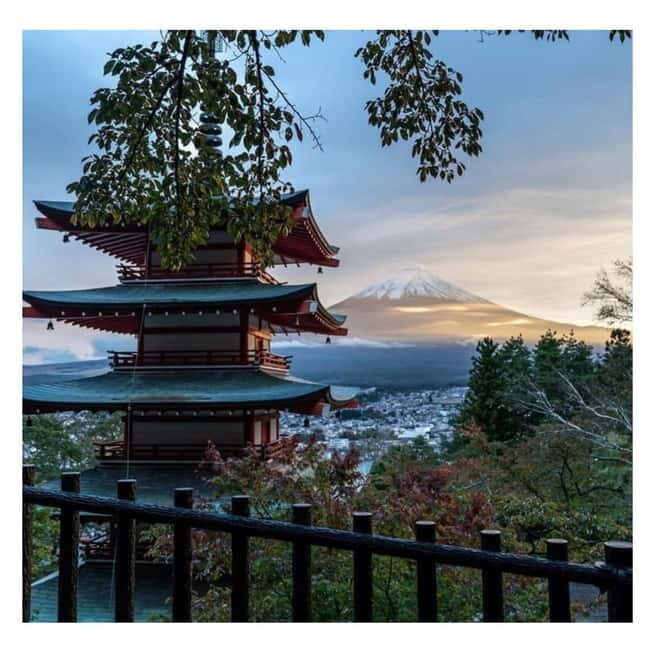
- Chureito Pagoda and Arakurayama Sengen Park: The Fuji Photo Moment
- Kitaguchi-hongu Fuji Sengen Shrine: The Pilgrims’ Gateway
- Lake Kawaguchi Shore Walk: Where Reflections Are the Whole Point
- Lunch at a Local Restaurant: Plan Your Budget
- Oshino Hakkai: Spring Ponds, Village Walks, and Local Bites
- Oishi Park’s Seasonal Flower Views
- Gotemba Premium Outlets: Shopping When You’re Already Near the Route
- What This Tour Really Feels Like (In a Good Way)
- Price and Value: $344 for Up to 6 People
- Who Should Book This Private Mt Fuji Day
- Should You Book This Mt Fuji Private Tour?
- FAQ
- How long is the Mt Fuji private day tour?
- Is hotel pickup and drop-off included?
- What is the price?
- Is the guide English-speaking?
- What does the tour include?
- Are entry tickets included?
- Is lunch included?
- Where can the tour pick you up?
- What should I bring?
- What happens if the weather is bad?
Key things I’d plan around
- Chureito Pagoda + Arakurayama Sengen Park give you multiple angles in one go
- Lake Kawaguchi is built for calm reflection photos, not just quick stops
- Oshino Hakkai’s spring ponds add a different mood from the mountain views
- Kitaguchi-hongu Fuji Sengen Shrine adds the pilgrim side of Fuji tourism
- Gotemba Premium Outlets means you finish with shopping near Tokyo-bound routes
- Photo and video help from the driver-guide keeps your pictures from looking like accidents
Door-to-door Pickup Across Tokyo’s 23 Wards
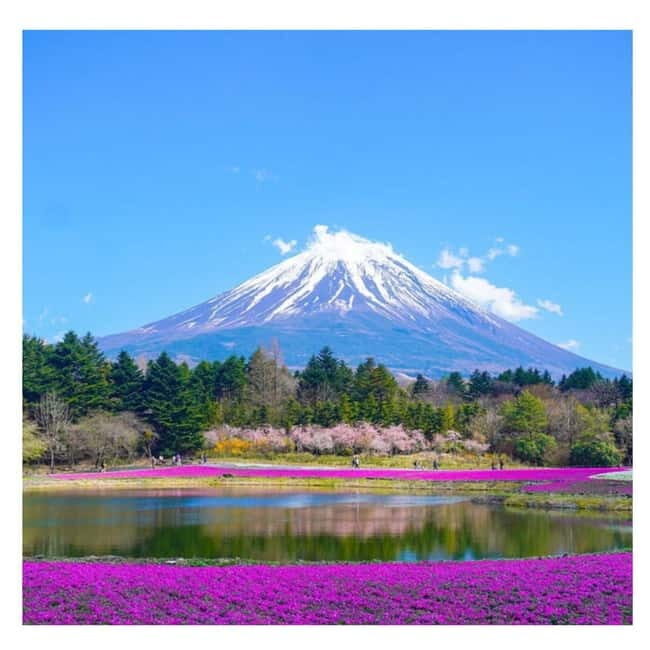
This is a private day out of Tokyo, built around one simple idea: you shouldn’t waste your limited Fuji hours on trains, transfers, and finding meeting points. You get hotel pickup and drop-off in Tokyo’s 23 wards, in areas like Shinjuku, Shibuya, Minato, Nakano, and more.
The tour runs about 11 hours total, and that time includes driving between the Fuji-area sights. That matters because Mt Fuji days can slow down fast when traffic or weather shifts.
Two small practical notes: you should choose a clear pickup point (hotel lobby, a specific landmark), and arrive about 10 minutes early. Drivers wait up to 60 minutes past the designated time, which is a lifesaver when you’re juggling a late espresso or a wrong elevator.
You can also read our reviews of more private tours in Tokyo


Your Private Driver-Guide: Why It Makes Fuji Less Stressful
The biggest “quality of life” upgrade here is the English-speaking driver-guide. You’re not just chauffeured. You get explanations on what you’re seeing and hands-on help with photos, plus onboard tea, coffee, and bottled water.
The driver team can include English, Urdu, Japanese, and Hindi speakers, depending on assignment. That’s useful if you want smoother communication beyond basic directions, especially around shrine etiquette and viewpoint timing.
In real-life terms, I’d expect this setup to help with two things: getting to the right spots for photos faster, and adapting when conditions aren’t perfect. One example from guide feedback: guides have adjusted to cloudier moments by taking you to alternate viewpoint areas when the mountain isn’t showing well from the first angle.
Chureito Pagoda and Arakurayama Sengen Park: The Fuji Photo Moment
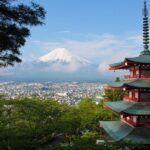
This day is built around the classic Fuji silhouette, and the schedule reflects that. You’ll spend about one hour at the Chureito Pagoda area for sightseeing and photos, with a safety briefing included. Then there’s additional time around Arakurayama Sengen Park, including another photo stop and a shorter guided segment.
What you’ll love here is the structure: you get time to breathe and take photos, not just hustle through. Chureito Pagoda is famous for a reason, but the real value is the way the viewpoint gives you that familiar Fuji composition without needing complicated transport planning.
What to watch for: the pagoda approach involves walking and uneven steps. Bring comfortable shoes and expect that the viewpoint can be crowded during peak times, even on a private tour.
Also, Fuji visibility is not guaranteed. Clouds can sit low, fog can roll in, and rain can change everything. If the mountain is obscured, a good guide can shift your position and help you still get close, sharp views.
Kitaguchi-hongu Fuji Sengen Shrine: The Pilgrims’ Gateway
After the big photo hit, you shift from mountain imagery to mountain meaning. Kitaguchi-hongu Fuji Sengen Shrine is treated as a sacred gateway for people who climb Fuji, and your stop is designed for actual exploration time, not a drive-by.
You’ll get roughly 40 minutes here, including guided viewing, photo stops, and safety briefing. This is a nice balance when you’ve spent most of the day thinking about pictures. The shrine gives you context for why Fuji matters beyond being a postcard.
Practical tip: go in with slightly quieter energy. Shrines are places where people show respect in small ways, and you’ll enjoy it more if you move slowly and don’t rush the details.
Lake Kawaguchi Shore Walk: Where Reflections Are the Whole Point
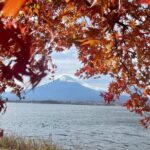
Lake Kawaguchi is one of the reasons people fall for Fuji again and again. You get about one hour here for walking and guided sightseeing, with time for photo stops.
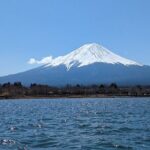
This stop is different from the viewpoints. The goal isn’t elevation. It’s still water, softened light, and that possibility of Mount Fuji appearing in the lake like a mirror. When conditions are good, this becomes one of the calmest parts of the day.
When conditions aren’t perfect, the lake still works. You’ll at least get a scenic break, fresh air, and a chance to reset before heading to the more “busy” village and shopping segments later.
Bring a hat and sunscreen. Even when it feels mild, light can be strong around open water.
A few more Tokyo tours and experiences worth a look

Lunch at a Local Restaurant: Plan Your Budget
Lunch is scheduled for about 30 minutes at a local restaurant. The tour doesn’t list meals as included, so your bill is on you.
Here’s the practical takeaway: some lunch options can feel pricey compared to what you’d pay for a casual meal elsewhere. If you’re trying to keep costs down, think about ordering carefully or considering a lighter lunch than you might normally choose.
If you’re traveling with kids or anyone who gets hungry fast, build in a calm buffer. The tour keeps moving after lunch, so you’ll want the energy to handle the later walking.
Oshino Hakkai: Spring Ponds, Village Walks, and Local Bites
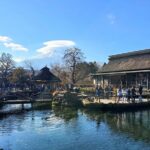
Oshino Hakkai is where the day shifts from “Fuji as a view” to “Fuji as a water source.” You’ll spend about one hour here, including time to walk through the village and enjoy the crystal-clear spring ponds.
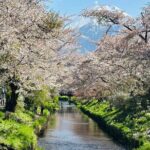
What I like about this stop is variety. You’re not just staring at Mount Fuji. You’re walking through a traditional-feeling area where the water creates a different kind of scenery—cool-looking ponds, reflections, and a slower pace than the viewpoints.
It’s also a great place for snacks and local specialties. You’ll have time to pause and taste without feeling like you’re sacrificing everything else on the program.
The main thing to plan for is simple: this is still outdoors and you’ll likely do some walking on uneven paths. Good shoes matter again.
Oishi Park’s Seasonal Flower Views
Next up is Oishi Park, with about 40 minutes on the ground for sightseeing, guided stops, and photo time. This is another “Fuji view” area, but with flowers as the supporting character.
In different seasons, the overall feel changes a lot. If you’re visiting outside peak bloom months, you might still get strong viewpoints, but the garden impact could be lighter.
Even so, I’d still treat Oishi Park as a worthwhile part of the day because it gives you a new frame for Fuji: less classic pagoda silhouette, more garden-level perspective.
If you’re picky about photos, arrive mentally ready to take several attempts. Light and wind can shift quickly, and a few extra minutes often helps you catch a better angle.
Gotemba Premium Outlets: Shopping When You’re Already Near the Route
The tour ends with Gotemba Premium Outlets for about 40 minutes. The value here is timing. You’re already traveling in the Fuji region, so it’s smart to include a popular shopping stop before you head back toward Tokyo.
This isn’t a “must-do” for everyone, but it’s a practical option if you want something to fill the final block of time without adding travel complexity. You also won’t need to hunt for an outlet-style mall back in the city.
One consideration: 40 minutes goes quickly. If shopping is your priority, have an idea of the brands you want before you arrive, and focus on a short list so you’re not sprinting.
What This Tour Really Feels Like (In a Good Way)
A private Fuji day tour can either feel like a VIP experience or like a checklist ride. This one works better because the schedule gives you time for walking, photo attempts, and shrine/village pacing—not just back-to-back drives.
The onboard extras help too: free Wi-Fi, bottled water, and tea or coffee take the edge off long road time. Photo and video assistance is also underrated. When you’re dealing with a mountain viewpoint, you often need more than one angle, and it’s nice not to hand your camera to a stranger for every shot.
Guide performance seems to be a recurring theme in real-world feedback. For example, names like Prem J., Sarfi, Waqas, Waqas/Ali, Alex, Hamza Ali, Arsalan, and Sarfraz come up as standouts for friendliness, flexibility, and helping with photos. You can use that as a signal: this tour generally isn’t run like a mechanical bus program.
Price and Value: $344 for Up to 6 People
The price is listed as $344 per group up to 6, with a “best price guaranteed” pitch. For most people, the key value is not that it’s the cheapest possible Fuji day. It’s that you’re paying for a private vehicle, hotel pickup/drop-off, and a structured set of major Fuji-area stops in one day.
Think in group math. If you’re traveling as a couple, you still get the private pacing, just at a higher per-person cost. If you’re traveling as a small family or with friends, the per-person figure drops and the value makes more sense fast.
You’re also getting inclusions that usually cost extra on many tours: fuel and parking, onboard refreshments, Wi-Fi, and photo help. Entry tickets aren’t included, so you may still pay where attractions require them, but the big transportation components are handled.
Who Should Book This Private Mt Fuji Day
This tour is a strong fit if you want:
- A private day with hotel pickup in Tokyo
- Multiple Fuji-focused stops that mix views, shrines, and water scenery
- An English-speaking guide who can help with photos and small adjustments
- Less stress than cobbling together buses and trains for a single long day
It may be less ideal if:
- You’re extremely budget-focused and want to pick every meal and stop on your own
- You’re dependent on perfect Fuji visibility; clouds can happen
- Your group includes someone with limited mobility, since walking is part of key stops (the tour lists wheelchair accessibility, but the terrain still matters)
There’s also a “not suitable for people over 95 years” note, so if that applies, you’ll want to choose another option.
Should You Book This Mt Fuji Private Tour?
If your main goal is a smooth Fuji day with a private driver, clear timing, and the chance to hit the classic viewpoints plus Oshino Hakkai, I’d say this is worth considering. The structure is practical: you get Chureito Pagoda, shrine context, Lake Kawaguchi calm, Oshino Hakkai water-and-village scenery, and Oishi Park plus a final outlet-shopping finish.
Book it if you value convenience and you’re traveling with a group where the “up to 6” price helps. Skip it if you want total control of every stop and you’re comfortable organizing your own transport and meal plans.
In short: if you want the Fuji day experience to run like a plan instead of a scramble, this one fits.
FAQ
How long is the Mt Fuji private day tour?
The total duration is about 11 hours, including travel time.
Is hotel pickup and drop-off included?
Yes. Pickup and drop-off are included from accommodations within Tokyo’s 23 wards, with multiple pickup locations listed.
What is the price?
It’s $344 per group up to 6 people.
Is the guide English-speaking?
The driver-guide speaks English, and languages can also include Urdu, Japanese, and Hindi depending on the assigned guide.
What does the tour include?
You get a private, air-conditioned vehicle, an English-speaking driver-guide, fuel and parking coverage, refreshments onboard (tea, coffee, bottled water), free Wi-Fi in the vehicle, and photo/video assistance.
Are entry tickets included?
No. Entry tickets are not included.
Is lunch included?
Lunch is not included, even though the schedule includes a local restaurant stop for about 30 minutes.
Where can the tour pick you up?
Pickup is available within Tokyo’s 23 wards. Pickup is not available from airports or ports.
What should I bring?
Bring comfortable shoes, a hat, sunscreen, comfortable clothes, and a charged smartphone.
What happens if the weather is bad?
If bad weather or unexpected events affect the tour, you can reschedule to a more convenient day. If there’s a pickup delay, the tour duration may be extended at no extra cost.