REVIEW · ONOMICHI
Onomichi: Private Walking Tour with Local Guide
Book on GetYourGuide →Operated by JGA Inc. · Bookable on GetYourGuide
Onomichi feels like it was built for walking up and down. This private tour lets you pick your pace and your stops, with a licensed local guide who brings the stories behind temples, lanes, and ramen to life. I especially like the way the route turns steep hills into something you can enjoy, not survive, and how the guide can tailor the day so it matches what you actually want to see.
The main drawback to plan for is simple: it’s a hilly day with walking and slopes, so you’ll want comfortable shoes and a realistic mindset for stairs and inclines. If you want a super laid-back stroll with minimal elevation, this may not be your best match.
In This Review
- Key highlights worth marking on your map
- Why Onomichi’s slopes feel made for a private walk
- Choosing your day: how a local guide shapes the route
- Senkō-ji: ropeway up, panoramic views, then the slope-walk down
- Senkō-ji Shinmichi and Neko no Hosomichi: cats, literary lanes, and small surprises
- Kōsan-ji Temple: wide grounds and a personal story tied to Osaka industry
- Onomichi ramen: seafood-light soup and how your guide helps you order
- Getting the most from 4 to 6 hours without feeling rushed
- Price and value: what $96 per person really covers
- Who should book this private walking tour
- Final verdict: should you book?
- FAQ
- What languages are the guides?
- How long is the Onomichi private walking tour?
- Is this a private tour or a group tour?
- Where does the pickup happen?
- Are entrance fees, transportation, and food included?
- Does the tour run in bad weather?
Key highlights worth marking on your map
- Private, licensed guide: you get an English or Japanese guide focused on your interests, not a fixed group script.
- Senkō-ji views plus a gradual walk down: ropeway up, then enjoy Onomichi’s famous sloped feeling on the way back.
- Cat-themed lanes and lucky-stone details: stop at Senkō-ji Shinmichi, then stroll Neko no Hosomichi with the fukuishi-neko.
- Maneki-neko Museum break: a small detour for fun cat culture without eating up the whole day.
- Kōsan-ji Temple story: a temple visit tied to a specific personal history, not just generic sightseeing.
- Onomichi ramen with local recommendations: seafood-flavored, light-tasting soup guided by someone who knows the best orders.
Why Onomichi’s slopes feel made for a private walk
Onomichi’s big visual trick is also its practical one: the town runs like a set of stacked layers. Streets climb, temples sit higher, and stair-like paths connect everything. A standard tour can rush that. A private guide changes the mood. You move at a pace that fits you, pause for views when you actually notice them, and skip anything that doesn’t pull your attention.
I like that this tour leans into the town’s identity instead of fighting it. The day includes a temple and viewpoints that clearly show how the city sits toward the Seto Inland Sea, then it intentionally gives you time to experience the slopes as you descend. That’s a small design choice, but it makes the whole experience feel more “you’re here” and less “you just checked boxes.”
Another thing that matters: you’re not stuck with a one-size plan. You can tell your guide what you’re curious about—shrines, photo stops, temple grounds, or food—and they build an itinerary around that. In real terms, it means you’re more likely to walk into the right alley at the right moment for the kind of photos you want.
You can also read our reviews of more tours and experiences in Onomichi.

Choosing your day: how a local guide shapes the route
This is a private group tour with a licensed local guide, so you should think of it as a guided walk you design with an expert. You’ll be able to choose which highlights you want to include, and you can tell your guide what you want to focus on.
One of the best parts is that the guide isn’t just reciting facts. Some guides go beyond standard storytelling. I’ve seen this in action through real examples like Yuji, who included a lesson on how to pray at a Shinto shrine, plus a surprise instrumental performance during the day. That’s not “extra fluff.” It’s the kind of lived-cultural detail that’s hard to find on your own.
Another guide example: Mami brought organization and flexibility, shaping a day around the group’s interests and making connections to meaningful places. Kazuha was praised for knowing the city well, including great picture opportunities and smart food recommendations. Even if your interests differ, the pattern is the same: you’re getting local context, not just a route.
So when you book, think about what you want more than what you want less. If you love temples and quiet details, say so. If you care more about photos and ramen, tell them early. Your guide can’t read your mind, but they can absolutely adjust your day if you give them a clear starting point.
Senkō-ji: ropeway up, panoramic views, then the slope-walk down
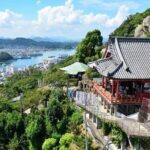
Senkō-ji is the centerpiece if you want the Onomichi feeling in one stop. You start with the viewpoint side of the experience—the part where you can see Onomichi, the Seto Inland Sea, and islands spread out below. On clear days, that alone makes the climb worth it.
Then comes the pacing trick: you take the ropeway up to reach the temple area, and you come down gradually by walking. That down-walk matters. It’s not just transportation. It’s how you slowly absorb the town’s “slopes” personality—the layers of houses, the way paths thread together, and the shift from temple hush back to neighborhood life.
After you’ve taken in the commanding view, the tour also includes time around Senkō-ji Park. This is one of those places where you can slow down without feeling like you’re losing time, especially if you want calmer breaks between viewpoints and lanes.
Possible drawback to keep in mind: depending on your route choices and how your guide spaces breaks, your afternoon may still include more uphill or steps afterward. If you’re sensitive to walking distance, ask early about where the steepest segments will land and plan rest stops accordingly.
Senkō-ji Shinmichi and Neko no Hosomichi: cats, literary lanes, and small surprises
If Senkō-ji gives you the big picture, the surrounding lanes give you the intimate details. The tour passes Senkō-ji Shinmichi, a narrow hill road lined with old houses that tie back to former residences of literary masters. It’s the kind of street you can wander slowly, because the atmosphere does the work for you: narrow views, old building facades, and the sense that the city has layers of memory.
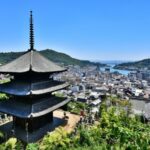
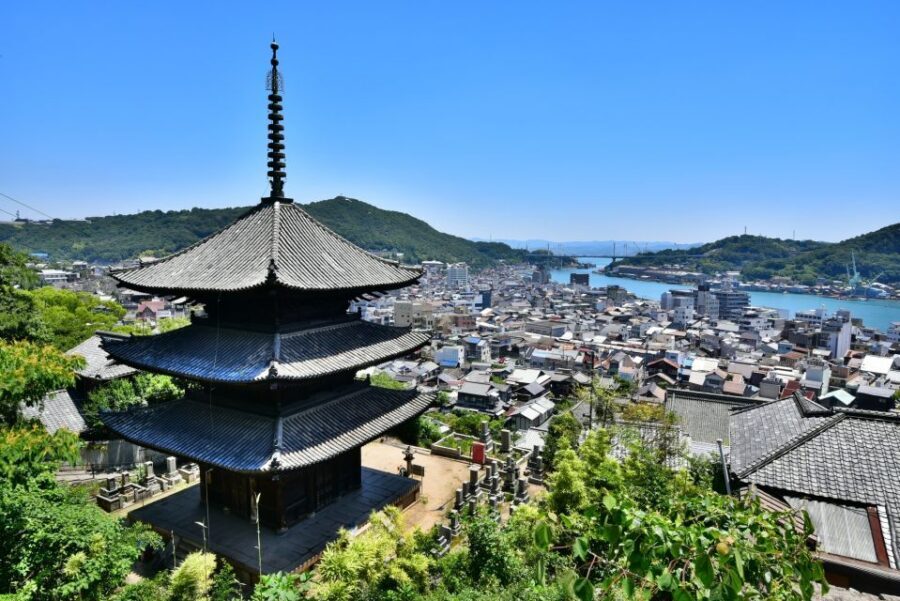
From there, you continue to Neko no Hosomichi, a lane that stretches from the east of Ushitora Shrine to the three-floor pagoda of Tennei-ji Temple. This is also the cat-walk portion of the day. You’ll see fukuishi-neko, the lucky stone cats scattered along the alley. The effect is simple and charming: it breaks the walk into little “look here” moments.
There’s also a stop at the Maneki-neko Museum. It’s a compact add-on, but it can be a fun breather when your legs start asking questions.
What makes these cat and literary lanes especially valuable with a guide is interpretation. A local can point out what you’re seeing and why it matters to Onomichi’s identity. Without guidance, you might enjoy the scenery but miss the connection. With a guide, the little details become part of a bigger story about how the town thinks about culture—shrines, literature, and even the friendly luck symbolism of cats.
Tip for comfort: because these lanes are part of the “sloped town” experience, they often mean uneven pavement and stairs. Go with shoes you trust. Your future self will thank you.
Kōsan-ji Temple: wide grounds and a personal story tied to Osaka industry
Next up is Kōsan-ji Temple, a great change of pace from the narrow lanes. This stop is about space—wide grounds, prominent buildings, and a story you can connect to beyond postcard scenery.
The specific story matters: the temple is tied to an Osaka industrialist who constructed it in memory of his deceased mother. That kind of human backstory gives a temple visit weight. You’re not just walking through a set of structures. You’re seeing how personal grief, wealth, and religious dedication intersected to shape architecture and cultural presence.
The tour also highlights the buildings modeled after famous architecture from across the country. That detail is useful because it changes how you look. Instead of treating the temple grounds as one style, you can view them as a curated set of inspirations.
Practical consideration: temple areas often involve more walking within the grounds even when distances aren’t huge. If you’re planning this on the same day as other sightseeing in Japan, keep your schedule flexible. A guided, on-foot pace works best when you’re not racing to the next station.
Onomichi ramen: seafood-light soup and how your guide helps you order
No Onomichi day worth its salt is finished without ramen. This tour gives you a chance to try Onomichi ramen, and the key detail is the flavor style: a light-tasting soup with seafood from the Seto Inland Sea.
The real value isn’t just that ramen exists. It’s that your guide can recommend where to go and how to fit it naturally into the rest of your day. When you’re in a new town, ramen shops can be hard to choose quickly. A local guide reduces the guesswork and often saves you time hunting for a place that matches your comfort level and timing.
One more point I’ve seen emphasized through guide quality: picture and food timing. Kazuha, for example, was praised for knowing the best picture opportunities and the food. That matters because ramen can be either a relaxed reward or a stressful scramble. A guide can position it as the reward that closes your walk, not the thing that cuts it short.
A small planning reminder: food and drinks aren’t included, and entrance fees also aren’t included. So treat ramen as a planned spend. On a day like this, it feels less like a random meal and more like the final chapter of the city.
Getting the most from 4 to 6 hours without feeling rushed
This tour runs 4 to 6 hours, which is a sweet spot for Onomichi. You can cover multiple highlights—temples, lanes, a museum stop, and ramen—without needing a full-day commitment that burns your energy.
The private format helps here. You don’t need to keep up with a faster group. Your guide can pace breaks and viewpoints. And because you can choose which highlights to emphasize, you can steer the itinerary toward either more scenery or more cultural learning.
Rain or shine matters because this is not a weather-dependent “maybe we’ll cancel” kind of day. Bring a plan for wet conditions: a small umbrella, a light rain layer, and shoes that handle damp pavement. If it’s rainy, those slopes and stone lanes can feel slick. The better your footwear, the more you can enjoy the walk instead of worrying about footing.
Also worth noting: the pickup is on foot from any address or train station in the city, with the guide waiting 10 minutes early in the hotel lobby or the station you request. That makes it practical for day trips, especially if you’re arriving by train and want a smooth start instead of figuring out meeting points.
Price and value: what $96 per person really covers
At $96 per person for a private 4 to 6 hour walking tour, you’re paying for three things: local licensed expertise, personalization, and a route designed around Onomichi’s real geography (including slopes).
Entrance fees and transportation aren’t included, and food and drinks aren’t included. That means you should budget a bit beyond the tour price for museum or temple entry if needed, plus your ramen and whatever else you choose to drink or snack.
So is it worth it? If you’re traveling with just a couple of people, or you care about getting context while walking—culture lessons, shrine etiquette guidance, the why behind lanes and temples—this price often feels fair because you’re buying time and interpretation. It’s also a good value if you’re doing Onomichi as a day trip and want a structured way to see multiple highlights without wasting hours figuring out which side streets are worth it.
If your priority is mostly photos and you’re comfortable DIYing, you might spend less on a self-guided route. But you’ll trade away the kind of guide-driven details people praised here—like the Shinto prayer lesson, the instrumental performance, and recommendations that make the ramen part land well.
Who should book this private walking tour
This tour fits best if you want Onomichi to feel personal, not generic. I’d particularly recommend it if you:
- Want a licensed local guide to explain temples, shrines, and local symbolism.
- Are interested in cultural nuance, including shrine prayer etiquette (as demonstrated by Yuji’s Shinto lesson).
- Care about photo stops and practical suggestions for where to eat (as seen in Kazuha’s food guidance).
- Prefer a day that can shift to your interests instead of following a fixed checklist.
It’s also a solid option if you have mobility needs, since it’s listed as wheelchair accessible. On the other hand, it is still an area of slopes and walking, so you’ll want to discuss your comfort level with your guide before setting expectations.
Final verdict: should you book?
If you like walking with purpose and you want someone local to connect the dots—temples, lanes, cat details, and that specific light seafood ramen style—then yes, I think you should book this private Onomichi tour.
Choose it when you want a day that feels guided, not just guided-looking. The best part isn’t a single landmark. It’s the way a strong guide can turn a sloped seaport town into a story you can actually feel under your feet, with moments that can surprise you along the way.
FAQ
What languages are the guides?
The live tour guide is available in English and Japanese.
How long is the Onomichi private walking tour?
The tour lasts 4 to 6 hours.
Is this a private tour or a group tour?
It’s a private group tour.
Where does the pickup happen?
Pickup is included on foot from any address or train station in Onomichi. The guide will wait about 10 minutes before the scheduled pickup time.
Are entrance fees, transportation, and food included?
No. Food and drinks, entrance fees, and transportation are not included.
Does the tour run in bad weather?
Yes. The tour takes place rain or shine.