Breathe by the river in Kyoto. This Zen workshop swaps a crowded temple hall for a calm riverside deck with trees overhead, real morning air, and water sounds that do half the work of relaxing you. I also love how the session is taught like a beginner-friendly workshop, not a test of traditional etiquette.
What I like most is the step-by-step guidance for zazen and the way the instructor frames mindfulness as practical—something you can carry back into daily life. A possible drawback to plan around: it’s weather dependent, and the whole experience is only about 2 hours, so you’ll want to arrive ready to slow down, not squeeze in other stuff right before.
In This Review
- Key things I’d mark on your Kyoto map
- Zen by the River: Why This Setting Matters
- The 2-Hour Flow: What the Zazen Workshop Feels Like
- What You Get from a Real English-Speaking Guide
- Riverside Stillness: The Sensory Details That Help You Focus
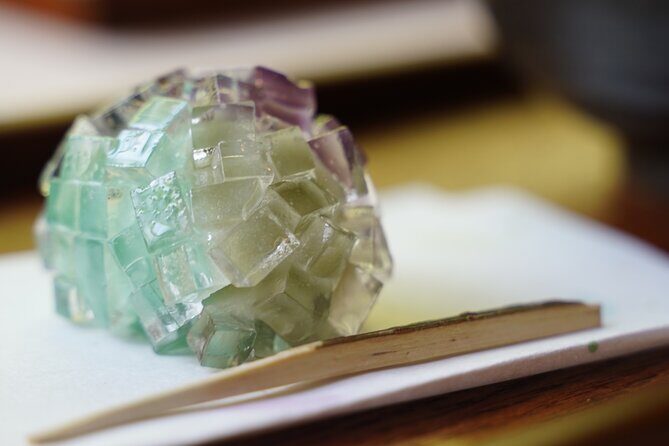
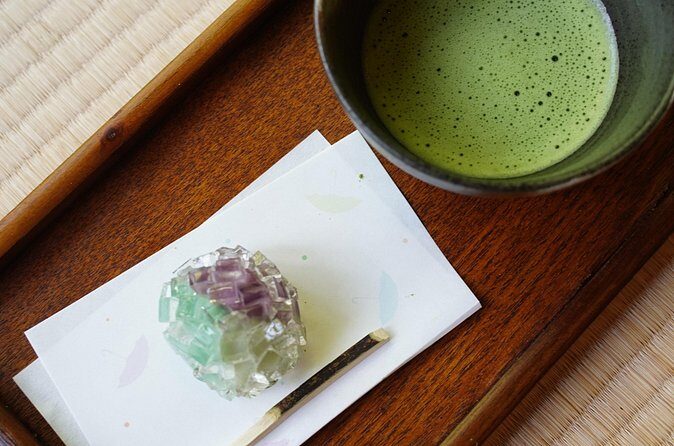
- Uji Matcha and Seasonal Wagashi: The Calm Landing
- Price and Value: Is $105 Worth Two Hours?
- Logistics That Actually Affect Your Day
- Weather and Expectations: What to Plan For
- Who This Kyoto Riverside Zen Workshop Suits Best
- Should You Book This Zen and Uji Matcha Experience?
- FAQ
- How long is the Kyoto Hidden Riverside Zen Mediation and Uji Matcha Experience?
- Is the meditation session indoors or outdoors?
- What’s included in the experience?
- Do I need to be experienced with Zen meditation?
- Is transportation included?
- Is the tea time a formal tea ceremony?
- What happens if the weather is bad?
- How large is the group?
Key things I’d mark on your Kyoto map
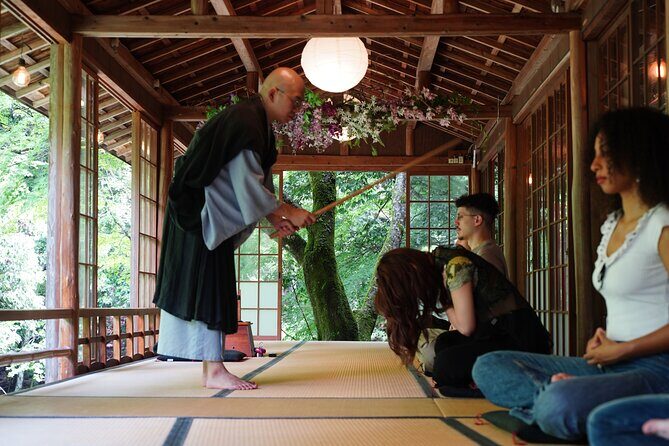
- Open-air riverside zazen deck where water, breeze, and morning scenery become part of the practice
- Structured basics of seated meditation that feel approachable even if you’ve never sat before
- English-speaking cultural guidance for context in real time, not after-the-fact explanations
- Mindful close with premium Uji matcha and seasonal wagashi (not a full formal tea ceremony)
- Small group size capped at 10, which keeps the atmosphere quiet and personal
Zen by the River: Why This Setting Matters
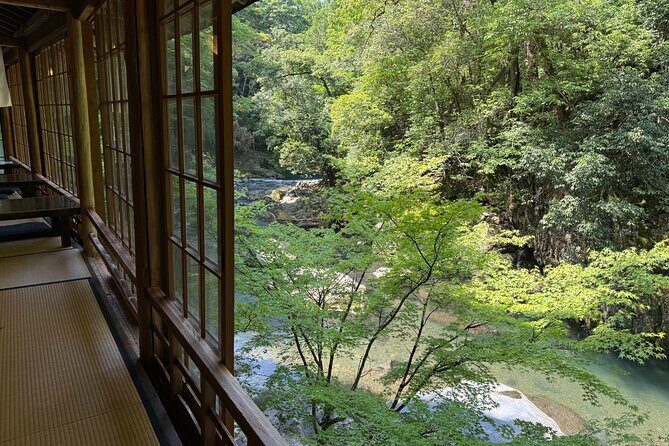
Kyoto has plenty of places where you can sit quietly. But this one is different because you’re not trying to “pretend you’re a local” inside a formal temple space. You’re outdoors on a riverside deck, with trees around you and the steady sound of moving water in the background.
That matters because Zen instruction isn’t just about posture and breathing. It’s about training your attention. When the environment is peaceful and natural, it’s easier to notice what’s happening in your mind—without wrestling with distractions like crowds, hard floors, or a room that feels overly rigid.
I also like that the experience isn’t framed as a religious performance. The focus is on how Zen can fit ordinary life. That tone makes it less intimidating if you’re simply curious, or if you want something calm to balance the rest of your Kyoto sightseeing.
You can also read our reviews of more tours and experiences in Kyoto.



The 2-Hour Flow: What the Zazen Workshop Feels Like
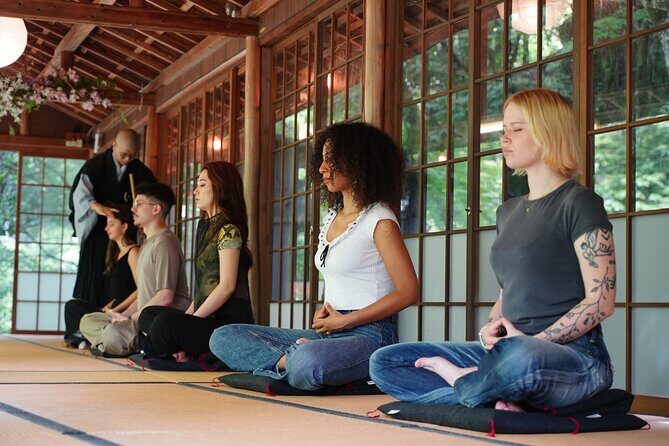
The workshop is built as a genuine introduction to Zen practice. You’ll be guided step by step through the basics of zazen, which is seated meditation. Expect practical coaching rather than a lecture you have to translate in your head.
Here’s what the experience is designed to do:
First, you get oriented to what you’ll be doing and why. The goal isn’t perfection. It’s helping you understand how to sit, how to settle your body, and how to begin observing your attention without making it complicated.
Next comes the main sitting period, with guidance aimed at beginners. You’ll learn the simplest version of the practice—how to hold posture, how to work with breath, and how to return when your mind wanders. Zen teachers often say the practice is in the returning, and this workshop is set up so you actually experience that.
Then you’ll shift from “learning the steps” into personal reflection. The instructor encourages you to connect the practice to everyday life. So instead of treating meditation as something sealed off from the rest of your day, you’re encouraged to think about how calm and awareness can show up when you’re walking, eating, or dealing with small stress back home.
One more thing: this session is said to be respectful but not focused on strict formality or rituals. If you’re the type who worries about doing things wrong in a traditional setting, that approach helps a lot.
What You Get from a Real English-Speaking Guide
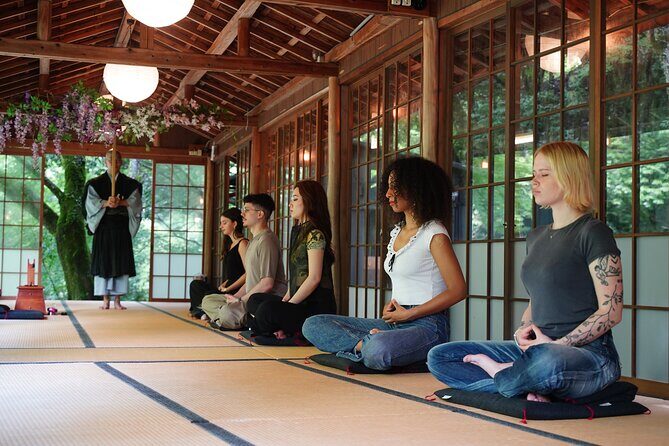
One of the smartest parts of this experience is that an English-speaking cultural guide accompanies you throughout. That means you’re not stuck with silence and guesswork while you try to figure out what the instructor is doing—or why.
You get interpretation and cultural insight in real time. In practice, that usually translates to two big wins:
- You understand the instruction while you’re still in the moment.
- You don’t waste time later trying to piece together the meaning of what you experienced.
I especially appreciate this kind of guidance because zazen basics can feel abstract at first. Even if you get the “sit and breathe” instruction, there’s still the question of what attitude to bring. A guide helps you catch the intent behind the practice—so you spend your energy on settling, not decoding.
Riverside Stillness: The Sensory Details That Help You Focus
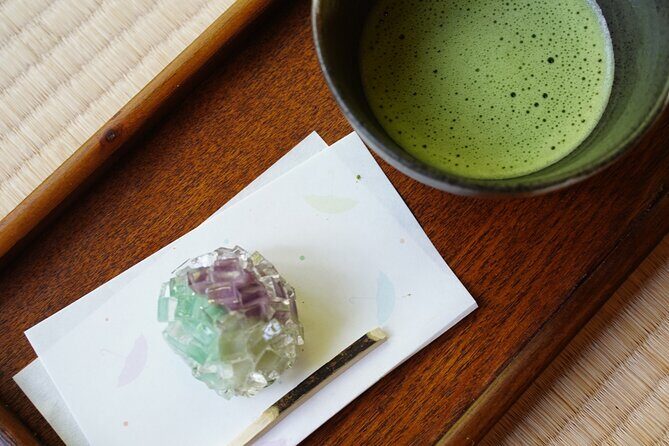
This workshop takes place along a peaceful river, and the environment is treated like part of the training rather than a backdrop. When water is moving nearby, it naturally gives your mind something steady. Add the morning breeze and seasonal scenery, and your attention has a softer place to land.
In many meditation experiences, the most common distraction is physical awkwardness. Outdoors, you’ll feel the body more clearly—so the instruction on posture matters. If you’re uncomfortable, you’ll notice quickly. That’s not bad. It pushes the lesson into real life: you feel discomfort, you return your attention, you keep going.
Also, being in nature changes the vibe. The session doesn’t feel like you’re lining up for a photo spot. It feels slower, more grounded. For me, that’s the difference between “I watched something spiritual” and “I practiced something.”
Uji Matcha and Seasonal Wagashi: The Calm Landing
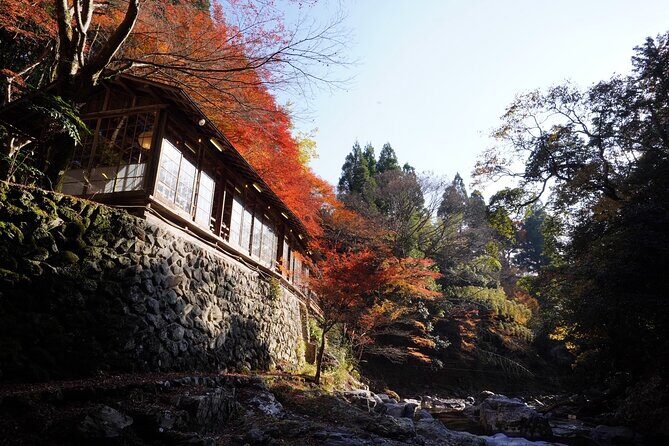
After the meditation, you’ll enjoy a peaceful tea time. This isn’t described as a full formal tea ceremony. Instead, it’s a gentle closing ritual—one last moment to bring your mind back into a calm rhythm.
You get premium Uji matcha, freshly whisked, along with seasonal Japanese sweets (wagashi). Even if you don’t know the first thing about matcha, you can enjoy this as a mindful pause. The structure is simple: you sit, you taste, you notice flavors and texture, and you let the practice end without jolting back into tourist mode.
Why this is valuable: lots of experiences dump you back onto the street right after the “main event.” Here, the tea time is designed as a soft transition. That makes the whole workshop feel more complete—and it helps you remember the calm after you’ve walked away.
Practical note: since wagashi and matcha are included, you don’t need to budget or search for a snack afterward just to make the timing work.






Price and Value: Is $105 Worth Two Hours?
At $105 per person for about 2 hours, this isn’t a bargain-basement activity. But the price makes more sense when you look at what’s included and how it’s delivered.
You’re paying for:
- Guided Zen workshop instruction (not a generic presentation)
- A structured zazen experience geared to beginners
- An English-speaking cultural guide for real-time help
- Premium Uji matcha and seasonal wagashi
- A small group size (maximum 10), which usually means a quieter experience than big tours
That small-group cap matters. When you’re learning meditation basics, you don’t want chaos. Lower numbers keep things respectful and easier to follow.
So is it “value” in the money sense? If you compare it to a standard walking tour or museum ticket, it’s more expensive. But if you compare it to paying for a guided wellness or mindfulness class with a high-touch instructor and a nice included finish, it starts to look reasonable.
I’d book it if you want a break from Kyoto’s constant motion. If you only want a quick photo moment, you might feel the cost more sharply than the calm you get from it.
Logistics That Actually Affect Your Day
This activity is set up for a calm start, and the location is on a riverside deck in Kyoto. You begin at 35 Umegahata Tonohatachō, Ukyo Ward, Kyoto 616-8293, and it ends back at the meeting point.
Two practical notes based on the information provided:
- Private transportation isn’t included, so you’ll need to handle getting there.
- It’s near public transportation, which helps. Still, you’ll want to plan to arrive early enough to settle your nerves and get comfortable before you start sitting.
Also, you’ll receive a mobile ticket. That’s one less thing to manage while you’re moving around Kyoto.
Duration is roughly 2 hours. This makes it a strong option when you want one focused experience that doesn’t swallow your whole day. Just don’t stack it so tightly that you’re rushing in and out.
Weather and Expectations: What to Plan For
This experience requires good weather. That means you shouldn’t schedule it as the only plan for that time window unless you’re comfortable with possible changes.
If conditions aren’t right, the experience may be canceled due to poor weather, with the option to reschedule or get a full refund. The key point for you: your Kyoto day might need flexibility.
Also, set expectations. This is not described as a full temple ritual experience. It’s a workshop focused on zazen basics and integrating mindfulness into everyday life. If you’re hoping for a strict religious service, you may find it more approachable than you expected—but also less formal than you imagined.
Finally, the group size is capped at 10. That’s great for calm. It also means you should book ahead if your dates are flexible but limited.
Who This Kyoto Riverside Zen Workshop Suits Best
This is a strong match if you:
- Want a beginner-friendly introduction to zazen
- Prefer quiet, reflective activities over crowded sightseeing
- Like the idea of a calmer start or middle of the day in Kyoto
- Enjoy thoughtful food moments, especially matcha and wagashi
- Appreciate explanations in English as you practice, not after the fact
It may not be your best fit if:
- You don’t handle outdoor settings well (because it depends on weather)
- You expect a long, elaborate multi-hour ceremony
- You want a fast-moving “see a lot” tour format
Should You Book This Zen and Uji Matcha Experience?
I’d recommend booking it if you want one Kyoto activity that slows you down for real. The riverside setting helps you settle quickly, the workshop format makes zazen basics understandable, and the included Uji matcha and seasonal wagashi provide a calm, satisfying finish.
The price is not tiny, but you’re getting more than a viewing experience: you’re getting guided practice plus a mindful food stop, in a small group. If you’re the kind of traveler who likes learning a skill you can reuse at home, this one has that payoff.
If your schedule is tight or the weather is uncertain, plan with flexibility. But if you can meet it on a good day, it’s the kind of activity you’ll likely remember for its quiet focus—more than for its check-the-box moments.
FAQ
How long is the Kyoto Hidden Riverside Zen Mediation and Uji Matcha Experience?
It lasts about 2 hours.
Is the meditation session indoors or outdoors?
It’s held on an open-air riverside deck, not inside a temple hall.
What’s included in the experience?
You’ll have the Zen workshop, plus premium Uji matcha and seasonal wagashi.
Do I need to be experienced with Zen meditation?
No. The workshop is designed to be approachable for beginners with step-by-step guidance.
Is transportation included?
No. Private transportation is not included, though the meeting point is near public transportation.
Is the tea time a formal tea ceremony?
No. It’s described as a peaceful, mindful tea time rather than a full formal tea ceremony.
What happens if the weather is bad?
The experience requires good weather. If it’s canceled due to poor weather, you’ll be offered a different date or a full refund.
How large is the group?
The group is capped at a maximum of 10 travelers.