REVIEW · TOKYO
2 Hours Mochi &Nerikiri Making & Matcha Class in Bunkyo
Book on Viator →Operated by Waga・Chic Japanese Sweets Making Class · Bookable on Viator
Mochi-making in Tokyo starts at a home table. This private wagashi class in Bunkyo turns a real Japanese home kitchen into your workbench, with step-by-step guidance and matcha as part of the flow. You pick the sweets you want to make, and you get taught at a human pace.
I especially like the personal instruction. The bi-lingual, native-Japanese teacher (trained by the Wagashi Association of Japan) explains what you’re doing and why it matters, not just how to form the sweets.
One possible drawback: you’re inside a home setting for about 2 hours, so you’ll want to stay focused and accept a practical, hands-on pace rather than a long, staged “watch and photograph” experience.
In This Review
- Key things I’d bet on
- Yuko’s Bunkyo Home: The real reason this feels special
- Picking your course: Mochi, Dango, Nerikiri, or the full combo
- What happens during the 2 hours: from tea to shaping your sweets
- Learning skills you can practice again at home
- Price and value: what $78.83 buys you (and why it can be worth it)
- 1) The private, small-table format
- 2) Skills plus culture, not just a product
- A real consideration
- Demand note
- Getting there in central Bunkyo: simple, but use the address
- Who should book this class?
- Before you go: small prep that helps a lot
- Should you book the Mochi & Nerikiri Making & Matcha Class?
- FAQ
- What sweet options can I make in this class?
- Is this a private class?
- How long is the class?
- Who teaches the workshop?
- Where is the meeting point?
- What’s the cancellation policy?
Key things I’d bet on
- Private class format: only your group, taught in a small, intimate setup
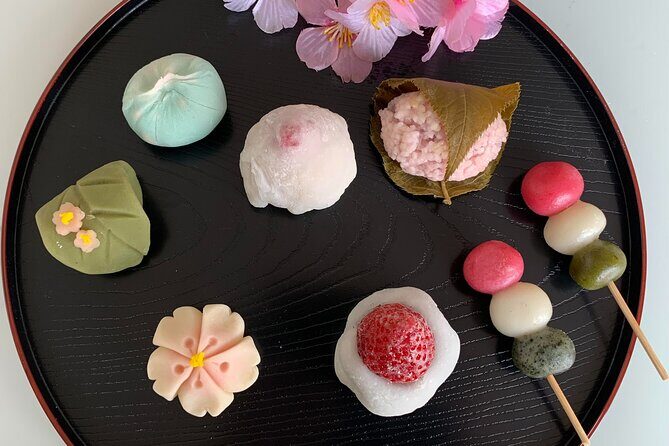
- Choose your sweets: mochi, dango, nerikiri, or a full combination course
- Meaning tied to technique: New Year mochi, special-event dango, tea-ceremony nerikiri
- Tea and matcha included in the vibe: the session starts with refreshments and finishes with what you make
- Learnable results: you’ll shape sweets you can keep practicing at home afterward
Yuko’s Bunkyo Home: The real reason this feels special
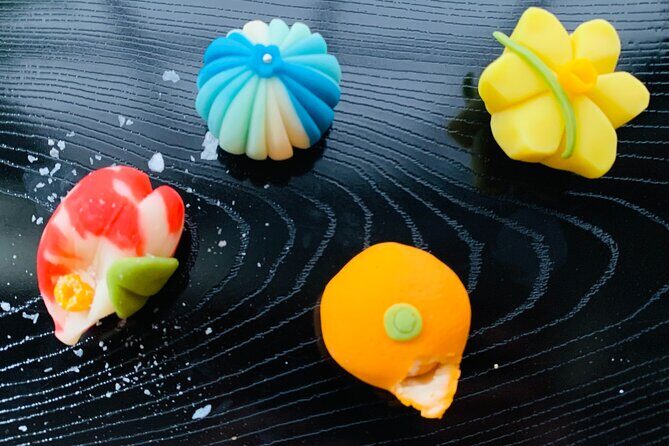
This isn’t a big studio. It’s a Japanese home setup in Bunkyo (Sekiguchi), where your teacher works with you right at the table in a traditional style. That matters because it changes the tone from lesson-to-lesson “performance” into something more like sitting down with a craftsperson who wants you to get it right.
In the class atmosphere, you’re not competing for attention. Reviews consistently describe it as 1:1 or very small-table instruction, with the teacher taking time to walk through each step while you actually do the work. That’s a huge deal for sweets like mochi, dango, and nerikiri, where technique is mostly about feel—pressure, timing, and how the dough behaves.
Another practical win: the venue is in central Tokyo’s Bunkyo City, and it’s said to be near public transportation. That makes it easier to fit into a full day than activities that require a long trek to the outskirts. You also end back at the same meeting point, so you don’t get stuck with the stress of finding a different drop-off area.
A few more Tokyo tours and experiences worth a look

Picking your course: Mochi, Dango, Nerikiri, or the full combo
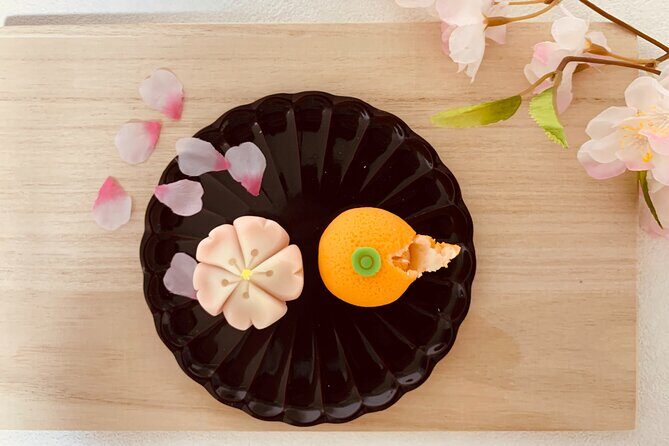
You get three course options, and they’re built around different Japanese sweets traditions:
- Mochi | Dango course
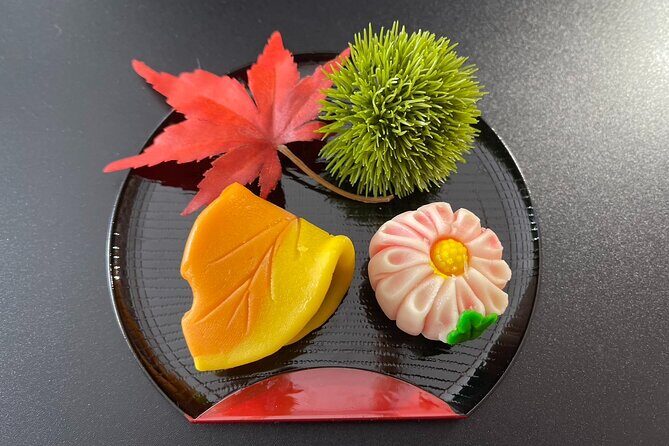
- Nerikiri course
- Combination: Mochi | Dango | Nerikiri
The sweet-types themselves also line up with cultural occasions:
- Mochi is connected to events like New Year and new birth
- Dango shows up in special events
- Nerikiri is strongly associated with the tea ceremony
So here’s how I’d choose, based on the vibe you want:
If you love the idea of chewy, classic Japanese comfort food, go for the mochi option. If you want something that feels a bit more seasonal-festival, dango is a great match. If you’re drawn to sweets that look like art—shaped and finished with intention—nerikiri is the course that tends to feel most like edible craftsmanship.
The combination course is your “I’m here for the culture and the variety” option. If you’re only in Tokyo for a few days, it’s also the lowest-friction way to sample multiple wagashi styles without having to book separate sessions.
What happens during the 2 hours: from tea to shaping your sweets
The class runs for about 2 hours and starts at 10:00 am. That timing is convenient because you can still do a major Tokyo sightseeing block later in the day. You’ll meet at the address in Bunkyo (1-chōme-27-8 Sekiguchi, Bunkyo City, Tokyo 112-0014, Japan), and the session ends back there.
Even though the exact step-by-step sequence can vary by course, you can expect a consistent rhythm:
- A welcome and explanation of what you’ll make
- Tea and matcha as part of the experience tone
- The hands-on making phase, where the instructor demonstrates and you repeat the steps
- Finishing work so your sweets look how they’re supposed to
What stands out in feedback is how careful the teacher is with pacing and clarity. Many participants talk about the instructor being patient and attentive, with explanations that make the process feel doable even if you’ve never made wagashi before. One review even describes watching the teacher perform steps with a kind of precision that feels almost mesmerizing—then realizing you get to try those same motions yourself.
Also, the class isn’t only about the end result. The teacher adds cultural context along the way—how certain sweets connect to occasions, and how nerikiri links to tea ceremony traditions. That kind of commentary makes the craft feel less like a cooking stunt and more like learning a small piece of Japanese social life.
Learning skills you can practice again at home
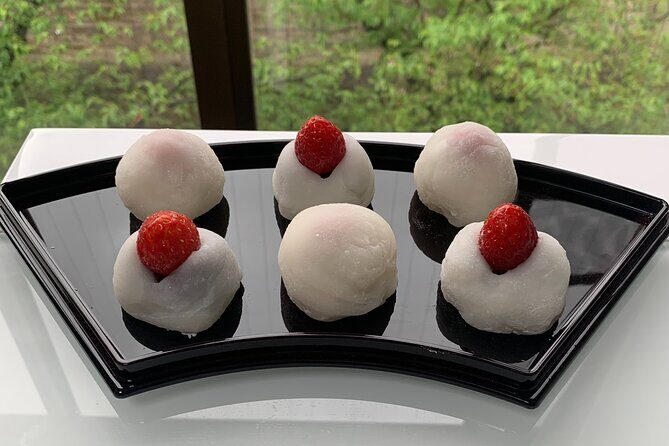
This is the part that makes it more than a sweet-tasting activity. The goal is for you to leave with a set of repeatable techniques.
Here’s what that means in real terms:
- You’re taught step-by-step, so you understand the sequence instead of just guessing
- You learn how to handle the dough and shaping in a way that matches wagashi tradition (not generic “baking hacks”)
- You get context that helps you remember why a certain style is used for certain occasions
A few reviews mention creativity during shaping and finishing, like making distinct designs rather than only one cookie-cutter result. If you enjoy expressing yourself—without losing the underlying technique—this class fits.
And yes, you typically get to take your sweets with you in some form. Some participants say they were sent home with a take-out tray of sweets and keepsakes. Even if your exact take-home setup differs, you should expect a satisfying portion of what you made to be part of your departure.
One more thing: the teacher is described as conversational and welcoming, including for solo visitors and for families. That matters because it reduces the “I don’t know what I’m doing” anxiety that can happen in hands-on food classes.
Price and value: what $78.83 buys you (and why it can be worth it)
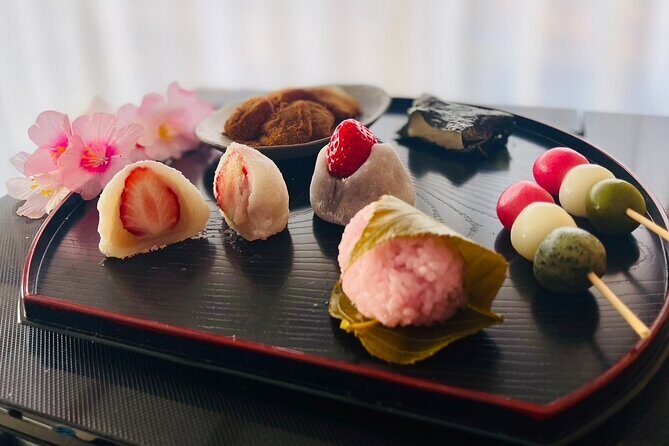
At $78.83 per person for about 2 hours, the price isn’t cheap in the category of “snack experiences.” But this class is built around two value drivers that justify the number for many people:
A few more Tokyo tours and experiences worth a look





1) The private, small-table format
You’re not sharing time with a crowd. The instruction time is concentrated on your group. That usually improves your odds of leaving with sweets that you feel proud of, not just something you sampled and forgot.
2) Skills plus culture, not just a product
You’re learning wagashi technique and also the meaning tied to each sweet-type (New Year mochi, special-event dango, tea-ceremony nerikiri). That combo makes the experience feel more substantial than a simple cooking workshop.
A real consideration
The big tradeoff is that you’re paying for time and attention, not for a high-capacity spectacle. If your ideal class is a lively show with lots of people and big energy, a home-based private lesson might feel a little quieter than you expect.
Demand note
It’s commonly booked around 38 days in advance on average. That’s often a sign that dates fill up, especially for popular time slots. If your trip dates are firm, don’t wait too long.
Getting there in central Bunkyo: simple, but use the address
The meeting point is the specific residential address: 1-chōme-27-8 Sekiguchi, Bunkyo City. The activity is near public transportation, and you get a mobile ticket plus confirmation at booking.
Here’s what you should do to keep it easy:
- Plan to arrive a bit early so you can settle in before the start time
- Use the full address exactly as provided, since this is a home-style venue
- Expect a calm residential environment, not a brightly branded storefront
Also, the class being private and ending back at the meeting point means you don’t have to build extra transport plans around a separate drop-off location.
Who should book this class?
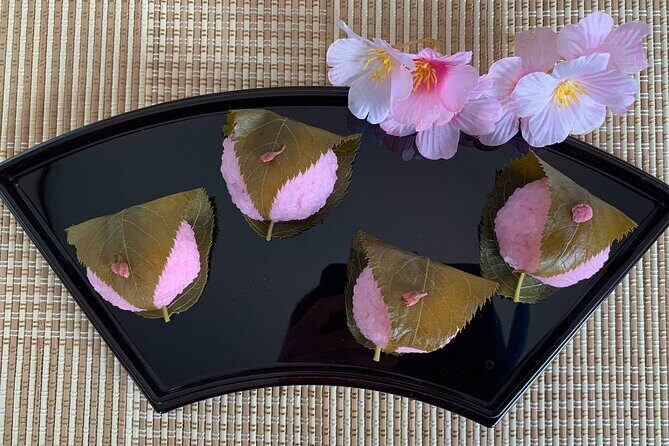
This is a great fit if you want Japanese sweets in a way that actually teaches you something.
You’ll likely enjoy it if:
- You care about traditional Japanese sweets beyond just tasting them
- You want hands-on instruction with personal attention
- You’re traveling with family and want a shared activity that feels warm and sit-down
- You’re a solo traveler who prefers a calmer, more intimate lesson rather than a big group workshop
Families also seem to do well because the teacher’s patience is a recurring theme, and the atmosphere is described as homely and relaxing. One review even mentions enjoying the experience while taking in the view from the dining room area, which suggests the setting is part of the comfort factor.
If you’re extremely time-sensitive, keep in mind it’s a short, focused 2-hour session with a fixed start time. That’s good for scheduling, but it’s not designed for leisurely strolling through the process.
Before you go: small prep that helps a lot
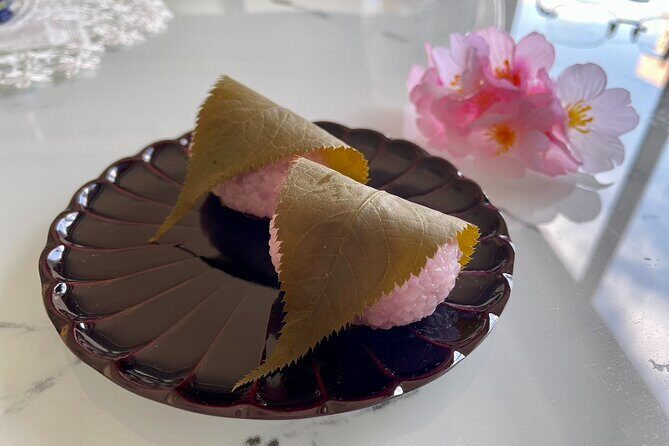
You don’t need Japanese cooking experience. The class description emphasizes that the recipes are simple enough for beginners, and the teacher walks you through everything.
Still, a few practical moves will make the session smoother:
- Bring curiosity, and don’t worry about asking questions mid-step
- Expect texture work: dough can feel sticky and require careful handling
- Plan to enjoy matcha and tea as part of the pacing, not as an add-on
- If you’re taking notes, do it for yourself—some participants mention note-taking and reviewing techniques afterward
Also, check your course choice in advance. If you can only handle one option, think about what you’re most excited to look at and eat: mochi chew, dango festival feel, or nerikiri artistry.
Should you book the Mochi & Nerikiri Making & Matcha Class?
Book it if you want a genuine wagashi lesson in a real Japanese home setting, with private instruction and a clear cultural connection to each sweet type. The biggest strength is that the class isn’t just about watching—it’s about learning, shaping, and finishing with confidence.
Skip it only if you’re expecting a large-group, high-energy production or you want a long sightseeing-style meal experience. This is a focused craft class, and it rewards people who like hands-on learning.
If your schedule is tight and you still want something meaningful that you can practice later, this is the kind of Tokyo activity that’s easy to recommend.
FAQ
What sweet options can I make in this class?
You can choose between a Mochi | Dango course, a Nerikiri course, or a combination course that includes Mochi | Dango | Nerikiri.
Is this a private class?
Yes. This is listed as a private tour/activity, so only your group participates.
How long is the class?
The duration is about 2 hours.
Who teaches the workshop?
The class is presented by a bi-lingual, native-Japanese instructor who is trained by the Wagashi Association of Japan.
Where is the meeting point?
The meeting point is 1-chōme-27-8 Sekiguchi, Bunkyo City, Tokyo 112-0014, Japan. It also ends back at this meeting point.
What’s the cancellation policy?
You can cancel for a full refund up to 24 hours before the experience’s start time. If you cancel less than 24 hours before, the amount paid is not refunded.