REVIEW · TOKYO
Asakusa: 2-hour history exploration
Book on Viator →Operated by Arumachi · Bookable on Viator
Asakusa history comes into focus fast. This 2-hour walk is built around Senso-ji’s 1400-year story, and you’ll get headsets so your guide stays audible even when streets get crowded.
What I like most is how the route strings together the big landmarks with clear, local context, so the area stops feeling like random photo stops.
One thing to keep in mind: at just about 2 hours, you’ll cover a lot of ground and won’t linger as long as you could on a solo temple-and-shop day.
In This Review
- Key things to know before you go
- Why Asakusa Works So Well in Just Two Hours
- Sumida River and Azumabashi: Skytree Plus the Birthplace Vibe
- Asakusa Culture Tourist Information Center: The Rooftop Preview That Saves Confusion
- Kaminarimon and the Thunder Gate Lantern: What You Should Notice
- Nakamise Shopping Street: Souvenirs, Snacks, and the History Tablets
- Hōzomon to Sensō-ji: Fortune Paper, Incense Rituals, and the 53m Pagoda
- Asakusa Shrine: The Shared Space Between Buddhism and Shinto
- What the End Spot Really Means for Your Next Move
- Price and Value: How $64.55 Adds Up (and Where It Doesn’t)
- Who This Tour Suits Best (and Who Might Prefer Solo Time)
- The Human Factor: Guides, English Clarity, and Small Extras
- Should You Book This Asakusa History Walk?
- FAQ
- How long is the Asakusa history exploration?
- What stops are included on the route?
- Is the tour in English, and can I hear the guide clearly?
- What’s the price and what does it cover?
- Where do we meet, and what’s the ending point?
- Is this tour good for first-time visitors to Asakusa?
Key things to know before you go
- Headsets for clarity: works for groups of 3+ so you can actually hear your guide on the move
- Small group pace: maximum 20 travelers means you’re not lost in a sea of people
- No entry-fee drag: the listed stops are free admission, so you’re paying for the guided explanations
- A rooftop “preview” moment: Asakusa Culture Tourist Information Center helps you understand where you’ll go next
- Snack and souvenir help: your guide points you toward what to buy and may treat you to traditional snacks
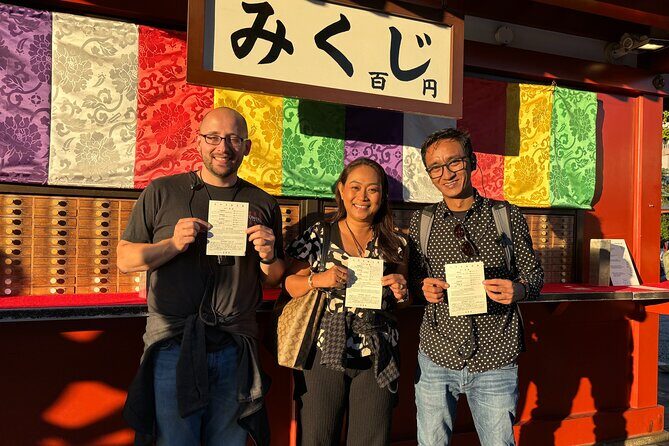
- Fortune and rituals: you’ll have a chance to draw omikuji and watch incense and purification customs
Why Asakusa Works So Well in Just Two Hours
Asakusa can feel like two places at once: the old Tokyo you came for, plus the modern crowds that show up at the exact places you want to photograph. That’s why a guided walk helps. You’re not just passing landmarks—you’re getting the story that connects them.
This tour starts by anchoring you to the Sumida River, which is where Asakusa’s history began, then continues through the gate-to-gate approach that leads straight into Sensō-ji. Instead of bouncing between websites and guessing what matters, you get a sequence you can remember. It’s also practical: you’ll walk at a leisurely pace, but you’ll still check off the main sights quickly.
If you’re a first-timer, I’d think of this as your “map in human form.” You’ll come away knowing which buildings and streets are more than just backdrops—like why Kaminarimon matters and how Nakamise developed around the temple area.
You can also read our reviews of more historical tours in Tokyo
Sumida River and Azumabashi: Skytree Plus the Birthplace Vibe
The tour begins at the Sumida River with a view across the Azumabashi bridge. Even if you’ve seen Tokyo SkyTree in pictures already, seeing it while your guide explains Asakusa’s origins gives it meaning. This is the kind of anchoring moment that makes the rest of the neighborhood click.
From here, you’ll also spot the Asahi Breweries headquarters with its world-famous golden flame object. It’s a quick visual contrast—historic temple approach nearby, modern Tokyo icons in the same view. That contrast is part of what makes Asakusa interesting: old religious traditions and everyday city life happening side by side.
This stop lasts about 15 minutes, which is perfect at the start. You’re getting orientation without losing time you’ll later want at temple entrances and shopping streets. Also, the admission here is listed as free, so again, you’re paying for the guide’s framing rather than an entry ticket.
Asakusa Culture Tourist Information Center: The Rooftop Preview That Saves Confusion
After the river, you’ll stroll to the Asakusa Culture Tourist Information Center, an 8-story building designed to look like separate wooden structures stacked at different angles. It’s one of those buildings you’d probably notice from street level, but you might not understand why it’s so visually distinct until your guide points it out.
The best part is the open-air observation deck on the 8th floor. You’ll get a preview of the tour course—landmarks like Kaminarimon gate, Nakamise shopping street, Hōzomon gate, Sensō-ji Temple, and more. That “from above” moment matters because it turns a walking route into a mental picture you can carry.
This is also a strong spot for photos, but more importantly, it helps you navigate later without feeling rushed or disoriented. The stop is about 15 minutes, and admission is free—another way the tour keeps things efficient.
Kaminarimon and the Thunder Gate Lantern: What You Should Notice
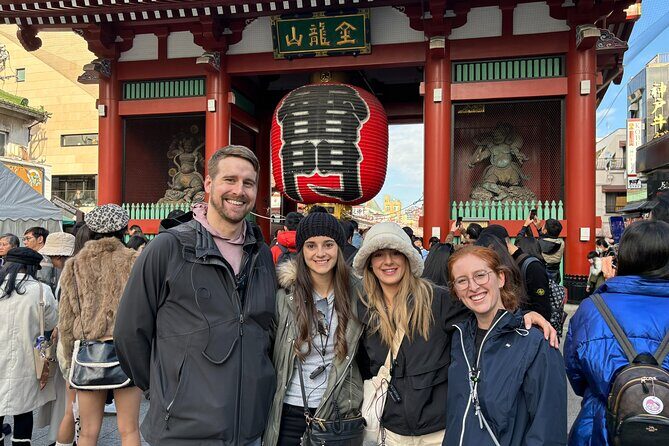
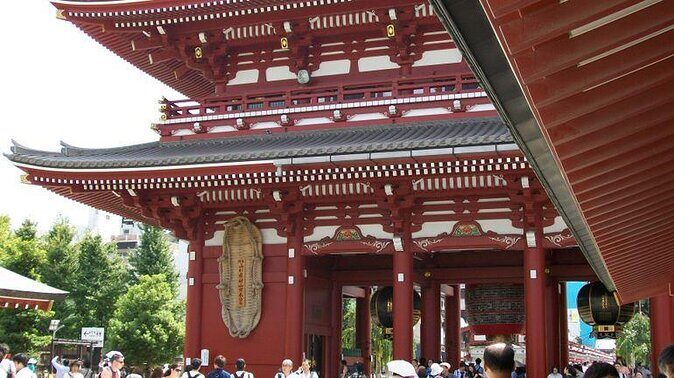
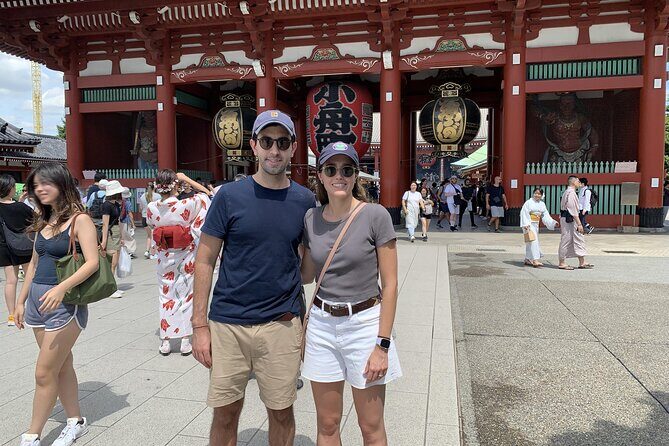
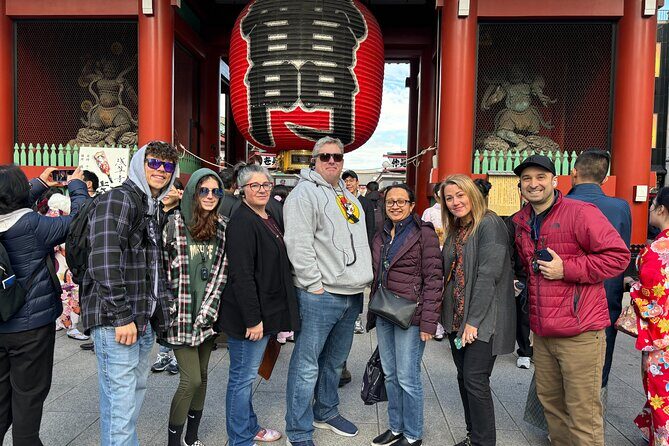
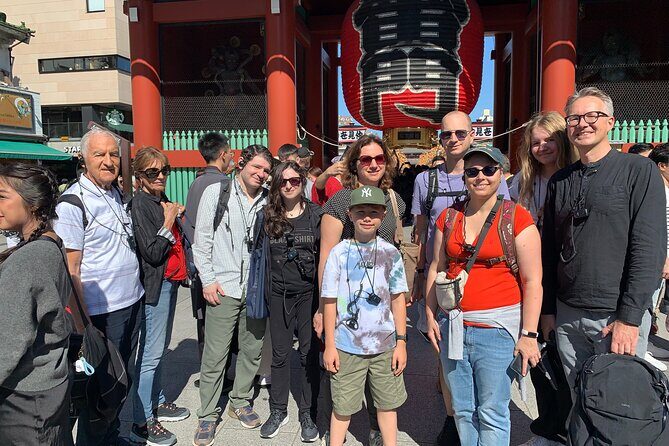
Next up is Kaminarimon (Thunder Gate), the outer gateway that leads into Sensō-ji. The main attraction is obvious: a huge red lantern and statues that dominate the approach. But the difference between just seeing it and understanding it is what your guide does here.
Your guide will demystify the big lantern and the objects around it. This is one of those small “story moments” that makes temple architecture feel less mysterious. Instead of thinking only about aesthetics, you start noticing symbolic details and how the gate functions as a threshold between everyday street and sacred space.
You’ll spend around 15 minutes here. That’s long enough to look closely, ask questions, and not feel like you’re being dragged forward too fast. Admission is free, and your guide’s explanations are really the value-add at this stop.
Nakamise Shopping Street: Souvenirs, Snacks, and the History Tablets
Then you’ll move into Nakamise shopping street, the 250-meter approach connecting Kaminarimon gate to Sensō-ji’s main gate. This is where Asakusa becomes a sensory walk: souvenirs, food stalls, and the steady stream of people heading toward the temple.
Your guide will point out where to buy souvenirs you actually want, not just whatever catches your eye first. And here’s a practical perk: your guide will buy you traditional snacks in Asakusa (and may swap the snack location depending on your preferences). It’s a nice way to sample local street foods without doing a lot of guesswork.
As you walk, you’ll also see history tablets on the sides that depict how Asakusa started and developed around Sensō-ji Temple. That detail helps Nakamise feel more purposeful than a typical tourist shopping street.
One note: Nakamise is popular, so if you’re sensitive to crowds, plan to slow down and use the guide’s timing. It’s still only about 30 minutes total, so you’ll be moving through while the energy is high.
A few more Tokyo tours and experiences worth a look



Hōzomon to Sensō-ji: Fortune Paper, Incense Rituals, and the 53m Pagoda
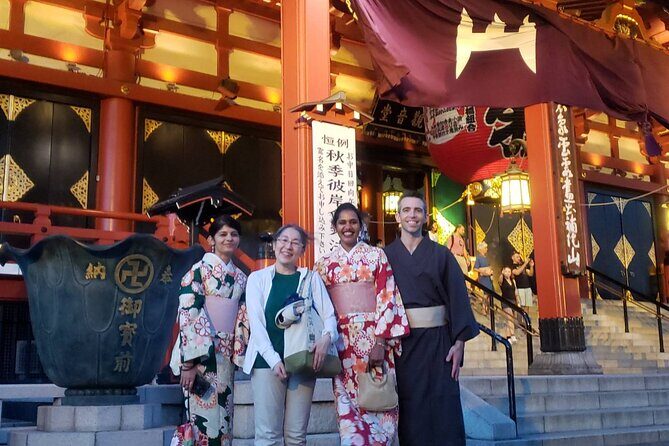
At Hōzomon (Treasure-House Gate), you move from the outer entrance into the inner gateway leading into Sensō-ji. The Hōzomon is two stories tall, with many treasures housed on the second story. On the first story, you’ll see statues, lanterns, and two large sandals.
Your guide’s job at this point is to help you notice what’s easy to miss when you’re simply rushing toward the main hall. The time here is about 15 minutes, and it’s free admission, so the emphasis stays on understanding.
Then comes Sensō-ji Temple, where the tour really delivers on “why this place matters.” Between Hōzomon and the main hall, you’ll have several key things to observe and do before entering:
- Draw omikuji paper fortune to predict your future
- Watch the ritual around the huge bronze incense burner, where many people bathe their hands and faces in the smoke before climbing the stairs to pray
- Use the water purification fountain to purify yourself before proceeding
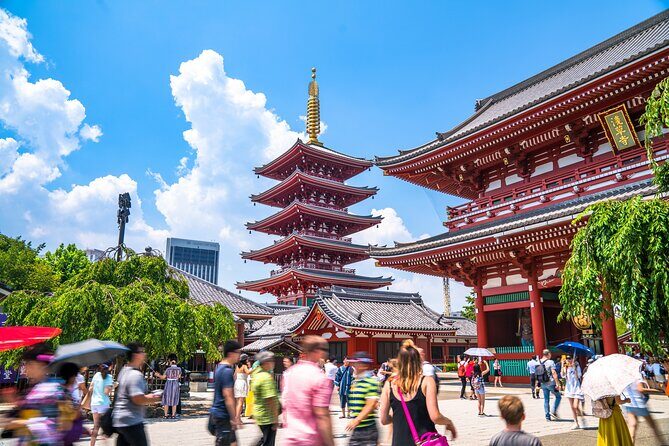
You’ll also see the Five-storied pagoda, noted here as the second highest in Japan at 53 meters. The tour info also includes a specific detail: it holds Buddha’s ashes on its top floor given by the Sri Lankan government. That kind of fact makes the pagoda more than a landmark—it becomes part of the temple’s story.
Sensō-ji is a high-contrast place: ornate details, big open spaces, and lots of people trying to do the same rituals at once. Your best move is to go with the flow and let the guide set the pace.
Asakusa Shrine: The Shared Space Between Buddhism and Shinto
After Sensō-ji, the walk continues to Asakusa Shrine. This stop is especially valuable if you’re curious how Japanese religious life works in everyday settings.
The tour highlights something that can feel unusual at first glance: Buddhism and Shinto coexist on the same premises and share origins and worshipers. Your guide will explain why that coexistence makes sense, and how these traditions are woven into ordinary life rather than kept in separate boxes.
You’ll spend about 15 minutes here. That’s enough time to grasp the “why” and then take in the vibe at a slower moment after the busy temple approach. Admission is free, and the focus is interpretation—less about ticking off sights, more about understanding cultural context.
What the End Spot Really Means for Your Next Move
The tour ends at Saryō Ichimatsu (1-chōme-15-1 Kaminarimon, Taito City). The tour info indicates it’s the restaurant where a geisha activity is held.
That detail matters because it changes how you think about finishing. You’re not ending in a random area or back at the start—you’re being positioned near the kind of cultural experience many people add to their Asakusa day. If you’re planning extra activities after the walk, this ending point is convenient because it keeps you close to the Kaminarimon area.
Price and Value: How $64.55 Adds Up (and Where It Doesn’t)
At $64.55 per person for about 2 hours, you’re paying for more than just sightseeing. The big value pieces are:
- Live guiding in English by a local certified expert
- Headsets for groups of 3 or more, so you aren’t playing guessing games in crowds
- The fact that the listed stops have free admission, meaning the tour isn’t soaking your budget in ticket fees
- A guided route through the key gate-and-temple sequence, which is exactly the area where independent wandering often feels confusing
Also, the tour runs with a maximum of 20 travelers, which usually translates into a calmer feel than bigger mass tours. And since booking is often made around a month in advance, planning ahead is smart if you want a specific date.
The one “don’t count on it” area is time. You’ll see a lot, but you won’t have hours to get very personal with each site. If you want long sits at temple halls or extended shopping loops, consider this the front door—then do your own follow-up wandering.
Who This Tour Suits Best (and Who Might Prefer Solo Time)
This tour is a strong fit if you:
- Want Japanese history context tied to the actual places you’re walking past
- Are visiting Asakusa for the first time and prefer a guided sequence over self-navigation
- Like practical structure: gates, streets, temple rituals, and cultural explanations in a logical order
- Appreciate being able to hear your guide thanks to headsets, especially in busy outdoor areas
It’s also a good match if your interests include temple rituals. The chance to draw omikuji and learn about the incense and purification customs gives you hands-on cultural participation rather than only sightseeing from the side.
Where solo time might win is when you want unhurried pacing. Sensō-ji and Nakamise are places you might want to revisit later with time for extra photos, longer shopping stops, or a slower temple experience. This tour is built to be efficient and informative, not to stretch into a half-day.
The Human Factor: Guides, English Clarity, and Small Extras
One reason this tour scores extremely well is the guide experience. In the information shared with past participants, English clarity and friendly help show up again and again. Specific guide names credited include Choco, Yasu, and Amy—and that matters because it suggests the tour isn’t only about the route. It’s also about how well the guide keeps you oriented and answers questions.
You may also pick up small extras at the end. Some past participants noted a bonus origami lesson, and another mentioned fortune reading as a memorable moment beyond the general temple activities. I can’t promise every add-on will match what you see elsewhere, but it signals the tour can feel a bit more personal than a strict stopwatch walk.
Should You Book This Asakusa History Walk?
If your goal is to understand Asakusa quickly and correctly—without getting lost in crowds—yes, I’d book this. The mix of headsets, a tight route through the main temple gateway sequence, and the rooftop preview at Asakusa Culture Tourist Information Center makes it easier to enjoy the area instead of just surviving it.
Skip it only if you already know Asakusa deeply and you want a long, independent day with lots of downtime. In that case, you may prefer self-guided wandering so you can linger where you like best.
FAQ
How long is the Asakusa history exploration?
The tour lasts about 2 hours.
What stops are included on the route?
You’ll visit the Sumida River area, Asakusa Culture Tourist Information Center, Kaminarimon, Nakamise Shopping Street, Hōzomon, Sensō-ji Temple, and Asakusa Shrine.
Is the tour in English, and can I hear the guide clearly?
Yes. There is live guiding in English by a local certified expert, and headsets are provided for groups of 3 or more.
What’s the price and what does it cover?
The price is $64.55 per person. The tour includes the live English guide, a 1400-year history focus around Sensō-ji Temple, and headsets when applicable. The stops listed in the route indicate free admission.
Where do we meet, and what’s the ending point?
You meet at Burger King Asakusa Azumabashi (Cross Bil Royal Palace, 2-chōme-20-6 Kaminarimon, Taito City). The tour ends at Saryō Ichimatsu (1-chōme-15-1 Kaminarimon, Taito City).
Is this tour good for first-time visitors to Asakusa?
Yes. It’s described as ideal for first-time visitors to Asakusa.