REVIEW · SAPPORO
Sapporo: Furano Lavender & Biei Blue Pond Tour with Lunch
Book on GetYourGuide →Operated by Leda Japan · Bookable on GetYourGuide
Hokkaido looks fake until you see this. I love the photo stops built around Blue Pond and the day’s big taste payoff with Yubari melon at lunch, and I also like that the route keeps moving without turning into a full day of rushing. One thing to watch: this is a shared group tour, so if you want deep, site-specific explanations every step of the way, you may find the guide focuses more on timing and smooth transitions than long narration.
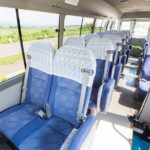
You’re out from about 8:00 AM and back around 6–7 PM, with small-group energy (max 9 guests) and guided stops at the big-name natural sights. For me, the value lands in the mix: you get multiple iconic views plus a proper buffet lunch, all tied together by comfortable roundtrip transport from Sapporo.
In This Review
- Key Things You’ll Really Notice on This Tour
- A One-Day Flower Run That Fits Real Schedules
- Blue Pond and Shirahige Falls: The Photo Pair You’re Paying For
- Blue Pond (Biei) around 10:30 AM for about 30 minutes
- Shirahige Falls around 11:20 AM for about 20 minutes
- Roller Coaster Road: The Scenic Transport Moment That Feels Like a Stop
- HERB GARDEN FURANO Lunch: The Best Time to Reset and Eat Well
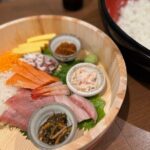
- What the buffet is like
- Optional unlimited Yubari King Melon upgrade
- Shikisai-no-Oka: Flowers, Alpacas, and a Nice Hour to Wander
- The seasonal flower picture
- Alpaca encounter (optional)
- Farm Tomita: Lavender Waves in Peak Season
- Seasonal expectations
- How to make your time count
- Price and Value: What $94 Covers (and What Might Cost Extra)
- Guide Style and Group Pacing: The Good and the Not-So-Great
- Who Should Book This Tour (and Who Might Skip It)
- Should You Book the Sapporo Furano Lavender & Biei Blue Pond Tour?
- FAQ
- Where do I meet the tour from Sapporo?
- Is there hotel pickup?
- What time does the tour start and end?
- How long do I get at Blue Pond and Shirahige Falls?
- Is lunch included, and what’s it like?
- Can I get Yubari melon with lunch?
- Do I pay for Shikisai-no-Oka?
- Is the alpaca feeding included?
- What languages are supported?
Key Things You’ll Really Notice on This Tour

- Blue Pond’s mineral color: that shifting aquamarine look people photograph nonstop
- Shirahige Falls access: a rare subterranean waterfall experience
- Lunch that’s actually a meal: buffet-style Hokkaido comfort foods, with optional unlimited Yubari King Melon upgrade
- Alpacas at Shikisai-no-Oka: feed them during the flower-fields visit
- Drive-by scenery: Roller Coaster Road views as patchwork fields roll toward the mountains
- Small group pacing: max 9 guests, strict departure times, and enough time to wander photo spots
A One-Day Flower Run That Fits Real Schedules

This is the kind of day trip that works when you have limited time in Hokkaido but still want the signature places people come for. Instead of picking just one “main event,” you hit Blue Pond, Shirahige Falls, two major flower areas, and a big lunch stop—then you’re back in Sapporo before dinner plans get complicated.
The itinerary also makes practical sense for photography. Blue Pond arrives mid-morning, when you can still get clear reflections, then you move to Shirahige Falls for misty, high-contrast scenes. After that, the day shifts from waterfall + water reflections to classic lavender-and-flower fields, which usually do best with daylight and a bit of wandering time.
The pacing is built for enjoyment, but it’s still a tour schedule. You’ll get time blocks (often around an hour, sometimes less) and then you’re on to the next stop. If you hate being timed, treat the day more like a carefully packed highlights tour than a slow stroll.
A few more Sapporo tours and experiences worth a look
Blue Pond and Shirahige Falls: The Photo Pair You’re Paying For

Blue Pond (Biei) around 10:30 AM for about 30 minutes
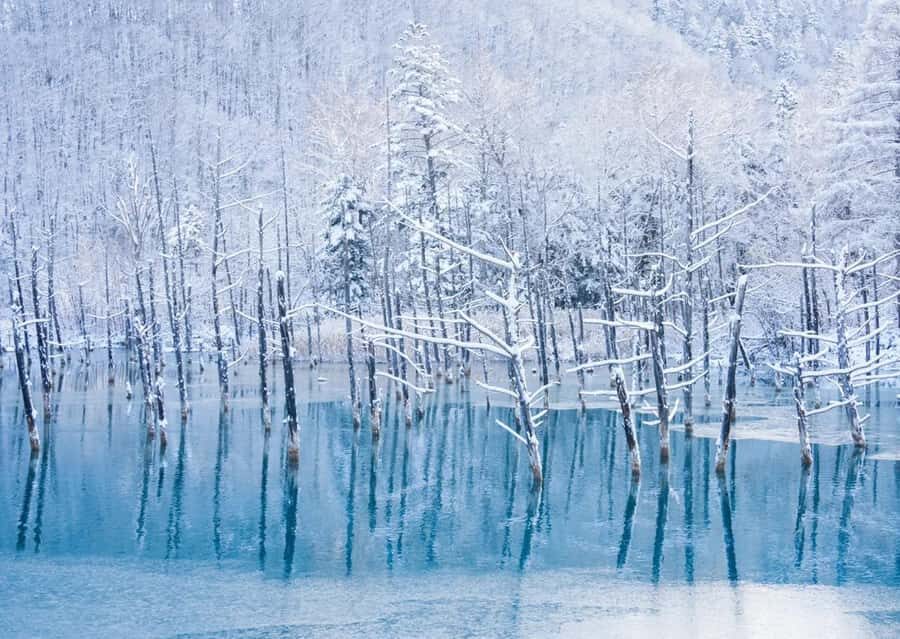
This is the stop that sets the mood for the whole day. The water is known for a mineral-rich, “liquid mirror” look that can shift in color as light changes. You’ll see that signature aquamarine tone reflected against the pale trunks of skeletal birch trees—exactly the kind of scene that makes people pull out phones immediately.
Here’s how to get better results without slowing everyone down:
- Stand where reflections are strongest, often along the calmer edges rather than the busiest center.
- Plan your photos early; you only have about 30 minutes, and the color can change as clouds move.
If the weather turns rainy, you can still come away with great shots, but you’ll trade crisp reflections for moody blues and softer edges. Either way, the visual payoff is the reason this tour exists.
Shirahige Falls around 11:20 AM for about 20 minutes
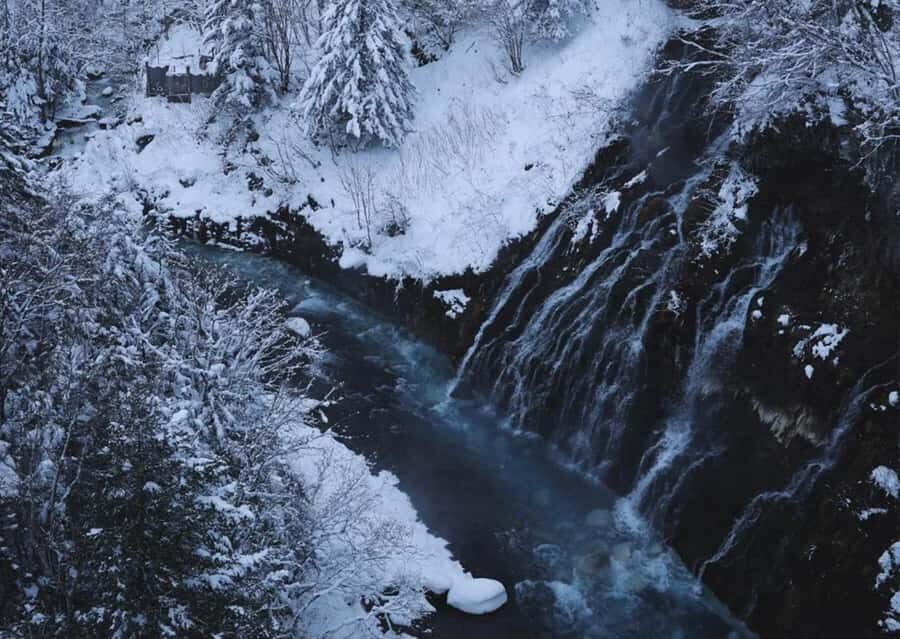
Next comes the waterfall stop, and it’s a standout because Shirahige Falls is rare for how it’s positioned—described as subterranean. You’ll feel mist as 30-meter falls create that “white beard” look, often with rainbow-like effects when conditions cooperate.
Twenty minutes sounds short, but waterfalls don’t ask for slow tourism the way gardens do. The key is simple: get your bearings fast, then pick one main viewing angle for photos and one spot for a calmer look. If you’re sensitive to cold mist, bring a light layer you can keep on even during photos.
This stop also breaks the day emotionally. Blue Pond is serene and still. Shirahige Falls is motion, sound, and cool air. That contrast makes the full route feel more complete.
Roller Coaster Road: The Scenic Transport Moment That Feels Like a Stop

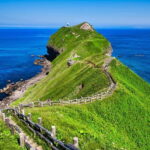
Around noon, you’ll drive along Roller Coaster Road. This isn’t just a “transfer” segment. You’re riding through noticeable elevation changes, so the road itself becomes part of the sightseeing: panoramic views, quilt-like patchwork fields, and a sense of how the land shapes the farming landscape toward the Tokachi peaks.
Why this matters: a lot of Hokkaido tours treat transit as dead time. Here, the drive gives you a mental reset between sights—so you don’t arrive at the next place already tired of sitting on a bus.
If you’re prone to motion discomfort, you’ll still be on the vehicle, but at least you’ll have views worth looking at the window. And because the schedule keeps moving, you won’t feel like you lost half the day in transportation.


HERB GARDEN FURANO Lunch: The Best Time to Reset and Eat Well
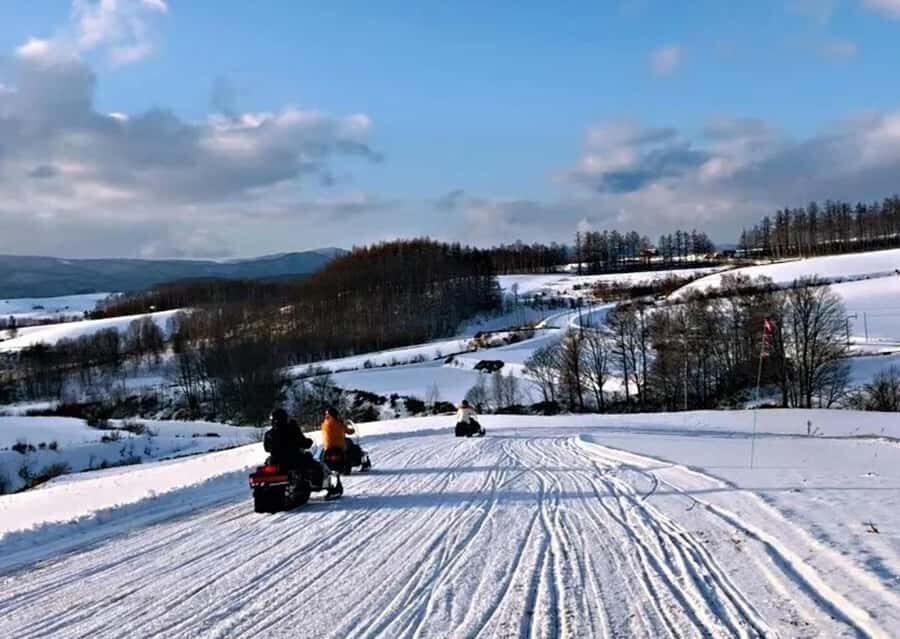
Lunch lands around 12:20 PM at HERB GARDEN FURANO for about 60 minutes. This is the big fuel stop, and the buffet is where a lot of your day-trip value shows up.
What the buffet is like
The spread is Hokkaido-forward and designed for variety:
- A ramen bar and curry station
- Salad buffet plus local hot dishes
You get enough choice to find something that feels like comfort food, not just “tourist lunch.” This matters because you may walk a fair bit after lunch, especially at the flower fields.
Optional unlimited Yubari King Melon upgrade
Now the sweet part. You can add an upgrade for unlimited Yubari King Melon with the meal. That melon is treated as the highlight: juicy, very sweet, and memorable enough that people often mention it first when they talk about the day.
Practical advice: if you choose the melon upgrade, don’t over-stack your plate. Melon is best eaten without fighting against heavy side dishes. And because the stop is timed, plan to get your first round of food early so you’re not rushing at the end.
If you decide not to take the upgrade, you’ll still eat the buffet. Just note that the tour notes make clear the melon option is tied to the meal plan choice—so check what you selected before you arrive.
Shikisai-no-Oka: Flowers, Alpacas, and a Nice Hour to Wander
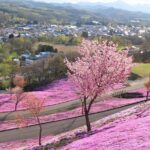
Around 14:00, you’ll head to Shikisai-no-Oka, with admission included, for about 60 minutes. This is a big flower park spread across about 15 hectares, and the feel is “designed nature”—not wild like a mountain hike, but carefully planted for color.
The seasonal flower picture
If you travel in different months, the look changes:
- July to August: you may see lavender waves plus poppy and sunflower displays
- Year-round: tulips in May can show up, and cosmos is a late-season possibility (like October)
So when you arrive, don’t expect one fixed palette. Look at what’s currently blooming, then work your photos around that.
Alpaca encounter (optional)
You can feed alpacas during this stop. The feed is available at ¥500 per bucket, which is useful because it turns the flowers into a more playful, hands-on memory.
This is also a good time to slow down for a minute. Most of the day is photo-heavy. Shikisai-no-Oka gives you a chance to wander, choose your angles, and let the scenery do the talking.
Farm Tomita: Lavender Waves in Peak Season
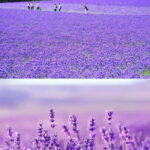
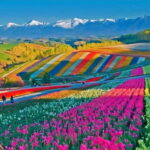
At about 15:00, you’ll visit Farm Tomita for roughly 50 minutes. This is where the day leans hardest into the classic lavender-and-violet picture many people imagine when they think of Furano.
Seasonal expectations
Farm Tomita is described as seasonal and at its peak in July. In that period, you can see those iconic lavender fields rolling toward the Tokachi Mountains.
There’s also mention of the Irodori Field with rainbow-like stripes (poppies and sunflowers) during certain seasons (May through October). That’s helpful because it means you may get color variation even if lavender isn’t at full strength.
How to make your time count
You won’t have hours here, so choose:
- One wide shot where the field pattern is clear
- One closer shot with foreground texture
- If clouds are moving, keep an eye on light direction for the best tone
This stop is short enough that you’ll feel the schedule pressure, but long enough to get a few strong images without feeling like you’re being herded.
Price and Value: What $94 Covers (and What Might Cost Extra)

At about $94 per person, the pricing works because the day includes the heavy stuff:
- Roundtrip transportation from Sapporo
- A lunch buffet
- Fuel and tolls
- Driver/guide
That’s a real savings compared with piecing together separate transport and separate tours for each location. The tour also includes admission for Shikisai-no-Oka, which helps.
What you should expect to pay for separately:
- Entrance fees to any optional attractions (the tour notes specifically call out optional attraction entrances)
- Personal shopping and snacks beyond lunch
- Alpaca feed at ¥500 per bucket
- The Yubari King Melon upgrade is optional
In other words, the base value is strong for a full day of A-to-B-to-C sightseeing. The “extras” are mostly about what you choose to add, not about surprise fees landing on you at every stop.
Guide Style and Group Pacing: The Good and the Not-So-Great
This tour can feel smooth and relaxing when your guide prioritizes clear stop instructions and gives you breathing room. Many drivers/guide staff are described as courteous and professional, with clear English commentary and a friendly attitude during the day. Some guides provide useful info during the ride and then let you explore on your own while they remain with the vehicle.
But there’s also a clear downside possibility: if you’re looking for deep storytelling at each location, you might find the guidance leans toward basic timing and logistics instead of detailed explanations. You can also run into crowding at popular spots, which can make the experience feel busier than you hoped, even if the tour flow is efficient.
One more practical consideration: routes can sometimes run in a different order depending on operations. If your app confirmation shows one sequence but your day feels rearranged, it’s usually about on-the-ground logistics. The best defense is to watch for your morning update message so you know what you’re walking into.
Who Should Book This Tour (and Who Might Skip It)
You’ll likely enjoy this if:
- You want the major Furano and Biei hits in one day
- You care about photos as much as scenery
- You want a real lunch stop with warm dishes and a chance at the famous melon
- You’re okay following a timed itinerary in exchange for convenience
You might want to consider another option if:
- You need a long, story-driven guide presence at each stop
- You dislike crowded photo locations
- You’re the type who plans to linger until the light is perfect and don’t want schedule pressure
The small-group size helps. And the route is built so you’re not just riding between places—you’re seeing things worth seeing from the start.
Should You Book the Sapporo Furano Lavender & Biei Blue Pond Tour?
If your goal is a high-yield day in Hokkaido—Blue Pond photos, Shirahige Falls mist, flower-field wandering, and a buffet lunch with optional Yubari melon—this tour is a solid bet. The included lunch and the smart stop selection make the $94 feel more justified than many “transport-only” group days.
Book it if you’ll use the allotted time well: be ready at each stop, grab your photos early, and save your slower moments for Shikisai-no-Oka. Skip or reconsider if you want lots of interpretive detail in every location, because the guide style may feel more focused on timing than deep on-the-ground explanations.
FAQ
Where do I meet the tour from Sapporo?
You’ll meet at Sapporo Station North Exit Group Bus Terminal at 3 Chome Kita 7 Jonishi, Kita Ward, Sapporo.
Is there hotel pickup?
Yes, there’s an optional hotel pickup package for hotels within 3 km of Sapporo Station.
What time does the tour start and end?
It departs around 8:00 AM and returns to the meeting point around 6–7 PM.
How long do I get at Blue Pond and Shirahige Falls?
Blue Pond is about 30 minutes and Shirahige Falls is about 20 minutes.
Is lunch included, and what’s it like?
Lunch is included as a buffet at HERB GARDEN FURANO, with a ramen bar and curry station, plus salad and local hot dishes.
Can I get Yubari melon with lunch?
Yes. There’s an optional unlimited Yubari King Melon upgrade with the meal.
Do I pay for Shikisai-no-Oka?
Admission to Shikisai-no-Oka is included.
Is the alpaca feeding included?
No. Alpaca feed is optional and costs ¥500 per bucket.
What languages are supported?
The tour is available in Chinese, English, Japanese, and Traditional Chinese.