REVIEW · SAPPORO
Hokkaido Seafood Sushi Rolls Experience with Matcha, in Sapporo
Book on Viator →Operated by Tomoko's Japanese Cooking · Bookable on Viator
Fresh seafood, hot tempura, and matcha in one morning. This hands-on Sapporo class mixes Hokkaido seafood sushi rolls with crispy tempura—then slows down for a matcha and sweets tea-culture moment. The setting is a quiet residential kitchen in Sapporo, so it feels more like learning in a friend’s home than doing a show.
I especially like the small-group size (2 to 3 people), which keeps the lesson personal and makes it easier to talk and compare notes. I also like the clear flow: you cook, you taste, and you eat together at the table. One consideration: this is not a hotel door-to-door experience, so you’ll want to plan your own way to the meeting point in Odorinishi.
In This Review
- Key Points You’ll Notice Right Away
- Why This Sapporo Class Feels Like Real Life Cooking
- The Studio Setup at Tomoko’s Japanese Cooking
- Hands-On Hokkaido Seafood Sushi Rolls: What You’ll Practice
- Crisp Tempura: How the Lesson Stays Practical
- Matcha and Japanese Sweets: Tea Culture, Without the Stuffiness
- The 10:00 Schedule That Keeps You From Rushing
- Where It Is in Sapporo: Odorinishi and Nearby Sights
- Price and Value: Is $97.55 Worth It?
- Who This Class Suits Best
- What If the Weather Doesn’t Cooperate?
- Should You Book This Sapporo Sushi, Tempura, and Matcha Class?
- FAQ
- What is the meeting point for this experience?
- What time does the class start?
- How long does the experience last?
- Is pickup included?
- Is it a small group or a private class?
- What will I cook during the hands-on portion?
- Is matcha included?
- What’s included in the price?
- Where does the activity end?
- Is cancellation free?
- What happens if the weather is bad?
Key Points You’ll Notice Right Away
- Small group (2–3 people): more hands-on help and easier conversation.
- Fresh Hokkaido seafood: you’re making sushi rolls with ingredients chosen for this region.
- Tempura technique focus: crispy, light results are part of the point, not an afterthought.
- Matcha + Japanese sweets: you get a short, structured introduction to tea-culture ideas.
- Real home-kitchen vibe in a residential area: less touristy, more everyday Japan.
Why This Sapporo Class Feels Like Real Life Cooking
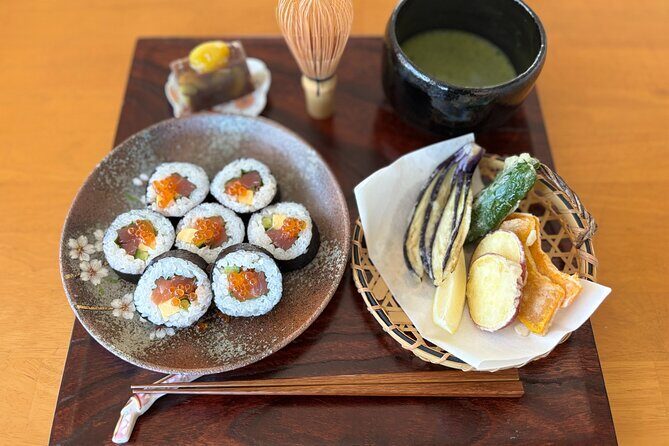
In Japan, the best food classes tend to feel practical, not performative. This one is built around the idea that you learn by doing: rolling sushi, cooking tempura, and then sitting down to eat what you made.
I like that the pace has built-in breathing room. You don’t just run around the kitchen, then leave. You cook from about 10:15 to 12:00, then you shift to matcha from 12:00 to 12:30. That rhythm helps the experience feel complete, even though it’s only 2 hours 30 minutes.
You can also read our reviews of more tours and experiences in Sapporo.


The Studio Setup at Tomoko’s Japanese Cooking
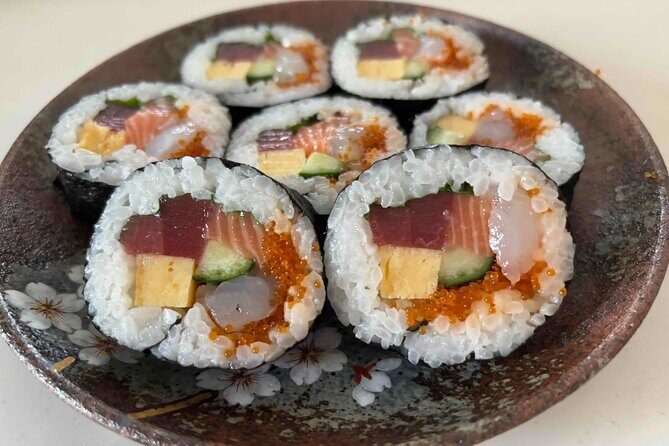
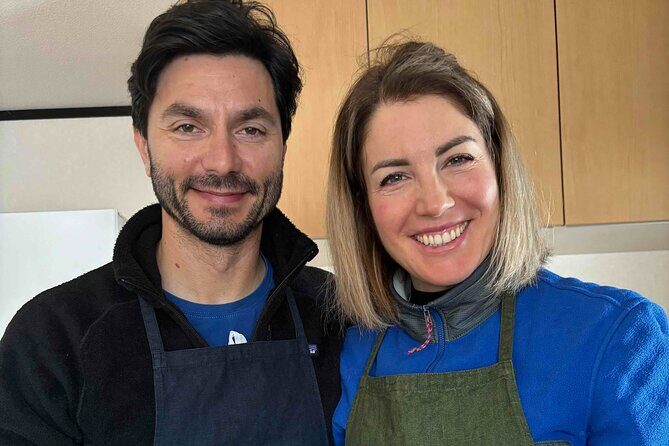
This experience is run by Tomoko’s Japanese Cooking, and it’s designed for a small group of 2 to 3 people, with the option to book as a private activity for your group. That small size matters in real terms: you’ll have time to ask questions and correct small mistakes while you’re cooking.
The class takes place in a quiet residential area of Sapporo. That’s a nice change of scenery from the usual high-traffic spots. If you like seeing how everyday neighborhoods work—where people actually live—this fits the mood.
Pickup can be offered, but hotel pickup and drop-off aren’t listed as included. So I’d treat this as a you-get-there experience. The studio is about 15 minutes by car from Sapporo Station and is within walking distance of Hokkaido Shrine and Maruyama Zoo, which is handy if you want to tack on sightseeing before or after.
Hands-On Hokkaido Seafood Sushi Rolls: What You’ll Practice
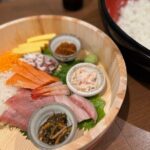
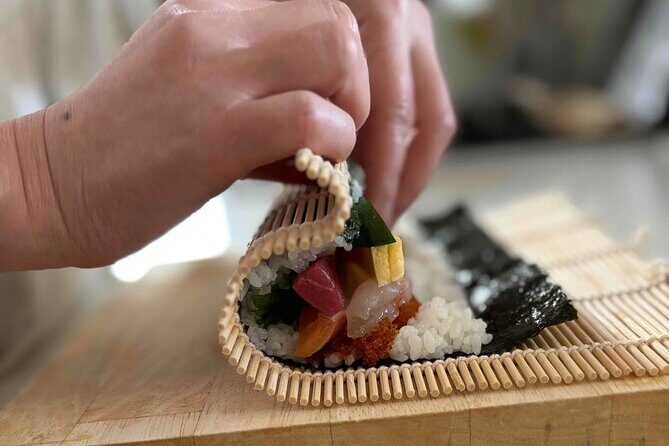
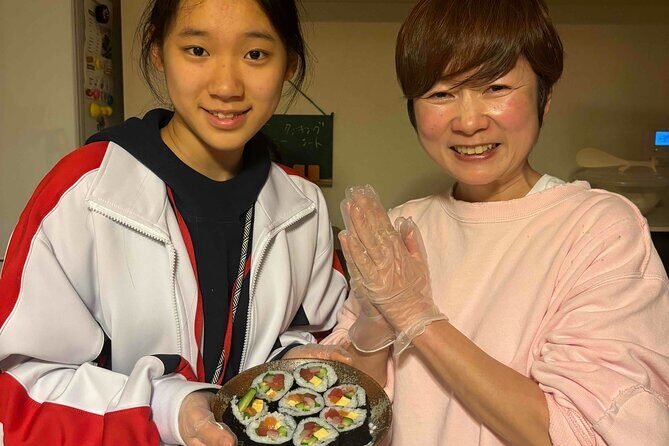
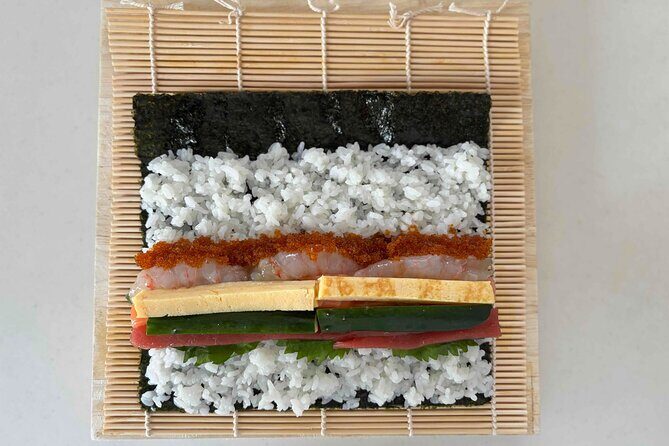
The sushi part is the headline here, and you’ll do it in a hands-on way rather than watching from the side. You’ll make seafood sushi rolls using fresh Hokkaido seafood, aiming for rolls that look nice, not just taste good.
What’s useful is that the lesson is framed around making the rolls themselves. That means you’ll be working on technique—like getting the right amount of filling and managing how you roll—rather than relying on a finished demonstration. The goal is “beautiful” rolls, so expect attention to detail.
And you’re not cooking in a hurry. The session from 10:15 to 12:00 includes both hands-on cooking and tasting. That tasting matters because sushi is one of those foods where small changes in texture and balance show up fast.
If you’re traveling with someone who likes cooking, this is also a good “shared win” activity: even if your first rolls aren’t perfect, you’ll still sit down with something you made. That turns the experience from instruction into a meal.
Crisp Tempura: How the Lesson Stays Practical
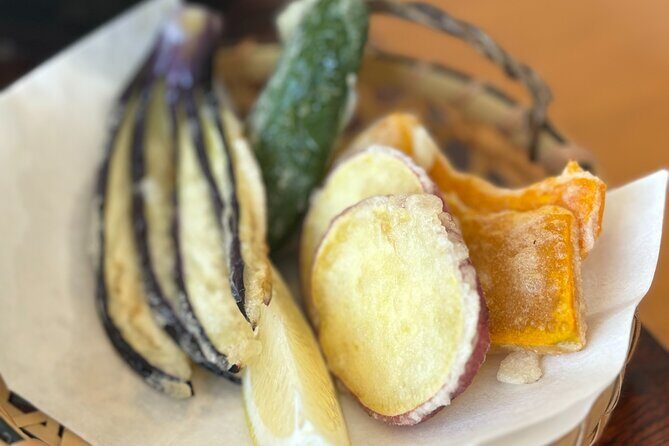
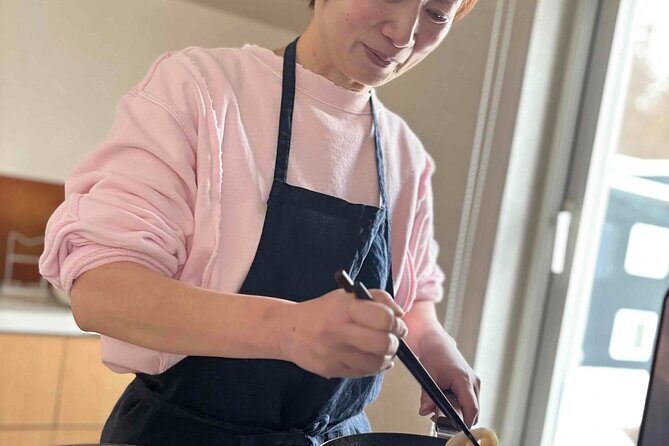
After the sushi rolling, you’ll cook light, crispy tempura. The class isn’t vague about the result; it specifically sets “crispy” as the target. Tempura is one of those foods where technique matters more than people expect, especially with batter texture and frying timing.
You’ll learn how to cook it in the same overall hands-on block with the sushi work, so your kitchen skills build in a real sequence: roll, cook, then taste. That structure helps you connect what you did with what you’re eating.
The most practical value of a tempura lesson is that it gives you a mental checklist you can carry home. Even if you don’t repeat the exact same steps later, you’ll understand the idea behind the crisp texture and the importance of timing. That’s the kind of knowledge you can reuse for other fried foods too.
Matcha and Japanese Sweets: Tea Culture, Without the Stuffiness
From 12:00 to 12:30, the class shifts from cooking to tea culture. You’ll experience matcha with traditional Japanese sweets. It’s not presented as a long ceremony that requires a history lecture. Instead, you get a structured introduction to the spirit and basic ideas behind Japanese tea culture.
This part works well because it changes the pace. After hands-on food work, your brain gets to rest for a bit—while your taste buds still stay busy. Matcha also pairs naturally with sweets, so the flavors make sense together.
If you’ve had matcha before but didn’t understand the point beyond taste, this is where you can get context. You’ll learn the way tea is treated as more than a drink: it’s about attention, timing, and the mood of the moment. In a short class format, you won’t get every historical detail, but you’ll leave with a cleaner understanding of what people are doing when they serve and sip matcha.



The 10:00 Schedule That Keeps You From Rushing
This class is timed for a calm morning. It starts at 10:00 am and runs about 2 hours 30 minutes.
Here’s the flow you can count on:
- 10:00–10:15: short introduction to the class and Hokkaido’s food culture
- 10:15–12:00: hands-on cooking and tasting (sushi rolls + tempura)
- 12:00–12:30: matcha experience with traditional Japanese sweets
The intro block matters more than it sounds. A quick orientation helps you understand what you’re aiming for in sushi and tempura, so you can cook with intention instead of guesswork. Then you move into cooking right away, without dead time.
If you plan your day around this class, you’ll likely want a light afternoon schedule afterward. You’ll be eating a full meal, and you’ll also spend energy in the kitchen.
Where It Is in Sapporo: Odorinishi and Nearby Sights
You’ll meet at 26 Chome-2 Odorinishi, Chuo Ward, Sapporo, Hokkaido 064-0820, Japan. The experience ends back at the meeting point.
The location is a big practical plus. The studio is described as being in a quiet residential neighborhood, yet it’s still near public transportation. You’re also within walking distance of sights like Hokkaido Shrine and Maruyama Zoo, which gives you options.
One smart way to use the location: if you arrive a little early, you can take a short walk around the area before class. If you finish around 12:30, you can then head to a nearby attraction while the morning feels fresh. That keeps your time efficient without turning the day into a marathon.
Price and Value: Is $97.55 Worth It?
At $97.55 per person, this isn’t a budget snack. But it also isn’t a short tasting where you leave hungry or unsure what you actually learned.
What you’re getting for the price:
- seafood sushi roll(s) and tempura included
- matcha and Japanese sweets included
- rental apron and hand towel included
- a small-group setup (2–3 people) that supports hands-on learning
- a private-group option depending on how you book
When I judge value, I focus on two things: food quantity and skill transfer. Here, you cook core items that take real effort—rolling sushi and cooking tempura—then you eat what you made. That’s a meal you didn’t just buy; you created it.
The matcha add-on is also meaningful. It extends the experience beyond cooking into tea culture, and it gives a nice “complete” feeling to the morning. You’re not paying for a single dish; you’re paying for a full themed sequence.
Who This Class Suits Best
This is a great fit if you want more than a restaurant meal. You’ll enjoy it most if you like:
- hands-on food experiences
- learning techniques you can talk about (and maybe repeat) later
- a smaller, calmer group setting
It’s also a strong choice for couples or friends who want to do something active together. The small group format makes it easier to chat, and at least some of the class vibe comes through in the feedback: people describe the lesson as interesting and the hosts as friendly, with a chance to make new friends.
If you prefer sightseeing-only days, this might feel like too much time in one place. But if you’re craving a genuine kitchen experience—one that mixes seafood, frying, and tea—you’ll likely appreciate the structure.
What If the Weather Doesn’t Cooperate?
This activity requires good weather. If it gets canceled due to poor weather, you’ll be offered a different date or a full refund. Since Sapporo weather can be changeable, it’s smart to keep a bit of flexibility in your schedule if you book this class on a day you have a packed plan.
Should You Book This Sapporo Sushi, Tempura, and Matcha Class?
If you want a morning with real technique, real food, and a warm home-kitchen feel, I think it’s a smart booking. The combination of Hokkaido seafood sushi rolls, crispy tempura, and matcha with sweets gives you multiple flavors and skills in a compact 2.5-hour window.
I’d book it if you:
- like small-group experiences where you’re not stuck watching
- want a meal you cooked yourself
- also care about food culture, not only the recipe steps
I’d think twice if you strongly need hotel pickup or you don’t want to travel to a specific residential meeting point. Since hotel pickup isn’t listed as included, your plan should start with how you’ll reach Odorinishi on your own.
FAQ
What is the meeting point for this experience?
You meet at 26 Chome-2 Odorinishi, Chuo Ward, Sapporo, Hokkaido 064-0820, Japan.
What time does the class start?
The class starts at 10:00 am.
How long does the experience last?
It lasts about 2 hours 30 minutes.
Is pickup included?
The tour summary says pickup is offered, but hotel pickup and drop-off are not listed as included. It’s worth confirming what applies to your booking.
Is it a small group or a private class?
Classes are held in small groups of 2 to 3 people, and it can also be booked as a private activity where only your group participates.
What will I cook during the hands-on portion?
You’ll make seafood sushi rolls and cook light, crispy tempura.
Is matcha included?
Yes. You’ll have a matcha experience with traditional Japanese sweets.
What’s included in the price?
Included items are seafood sushi rolls and tempura, matcha and Japanese sweets, and a rental apron and hand towel.
Where does the activity end?
It ends back at the meeting point.
Is cancellation free?
Yes. You can cancel for a full refund up to 24 hours in advance. If you cancel less than 24 hours before the start time, the amount you paid won’t be refunded.
What happens if the weather is bad?
If it’s canceled due to poor weather, you’ll be offered a different date or a full refund.