REVIEW · TOKYO
Mount Fuji Full-Day Private Tour from Tokyo (Customizable)
Book on Viator →Operated by Xplor Japan · Bookable on Viator
Mount Fuji looks better when you steer the day. This private tour keeps things calm by swapping crowded trains for a door-to-door ride, and it lets you pick up to five stops so your day matches your interests. I especially like the English-speaking driver, who helps with navigation and gives context as you move from viewpoint to viewpoint. The one big consideration: Mount Fuji visibility and the 5th Station plan depend on weather, so be ready for some flexibility.
Second, I love how the itinerary mixes classic icons with quieter choices without forcing every activity. You can build your day around Lake Kawaguchiko views, photogenic pagoda moments, and cultural stops like Oshino Hakkai and traditional villages, while skipping anything you do not care about. That customization is the main value here, because you only pay for what you choose—yet you may still face a few extra paid options along the way.
In This Review
- Key things to know before you go
- Why a private Fuji day from Tokyo feels worth it
- Price and value: what $410 per group buys you
- How the day is built: timing that keeps you from feeling rushed
- Chureito Pagoda: the classic Fuji opener
- Oshino Hakkai ponds and the quiet World Heritage pause
- Kitaguchi Hongu Fuji Sengen Jinja: short, serene, and worth it
- Lake Kawaguchiko: big views, more things to do
- Oishi Park: flowers and the kind of snack break you’ll remember
- Saiko Lake: where the scenery feels less predictable
- Subaru Line 5th Station: the main event, but not always simple
- Optional excitement: Fuji-Q Highland if your group wants thrills
- Optional culture swap: Saiko Iyashi no Sato Nenba village life
- Your guide matters: examples from the team
- The weather reality check: how to stay flexible (and still enjoy it)
- Who this tour is best for
- Should you book this Mount Fuji private tour?
- FAQ
- What time does the tour start, and how long is it?
- How many people can be in the private group?
- What does the $410 price include?
- Can I customize which stops we visit?
- Is hotel pick-up and drop-off included?
- Are admission tickets included at each stop?
- Is lunch included?
- Are there extra costs for Oshino Hakkai or Lake Kawaguchiko activities?
- What happens if the weather is poor?
- Is Mt. Fuji 5th Station guaranteed?
- What is the cancellation policy?
Key things to know before you go
- Private transport that saves time and stress: no train juggling, no crowd pushing, just get in and go.
- You choose up to 5 stops: pick what matters to you, and leave out the rest.
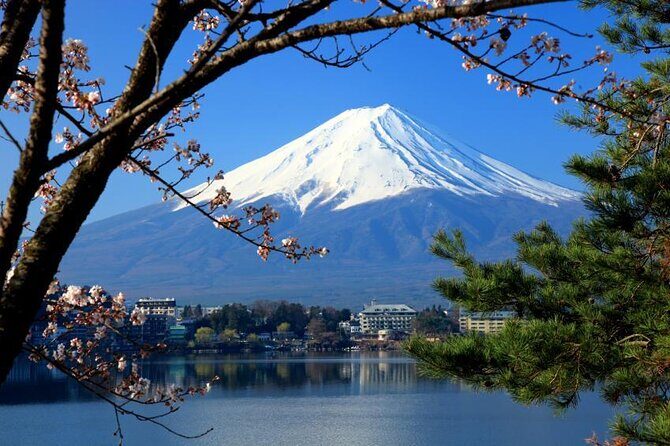
- Mount Fuji viewpoints built into the route: you’ll hit multiple “see it from here” moments around the lakes area.
- Oshino Hakkai is free to enter (with a paid museum option): you get the World Heritage ponds, and you can decide on the extra.
- 5th Station may be weather-dependent: guides can adjust your plan midday if conditions change.
- Optional add-ons like Fuji-Q Highland: if your group wants thrills, you can trade some sightseeing time.
Why a private Fuji day from Tokyo feels worth it
A Mount Fuji day can be a battle: long travel time, limited daylight, and crowds all competing for the same photos. With this tour, you get a private vehicle and a human guide in the driver’s seat (English speaking), so you spend your energy on the views instead of the logistics.
I also like the pacing logic. You start at 8:00 am and run for about 10 hours, which is long enough to hit several meaningful stops without feeling like you’re sprinting across the region. Plus, you can tailor the day so it fits your group: easy scenery if you want it, more culture if that’s your thing, and optional fun stops if you have energy to spend.
You can also read our reviews of more private tours in Tokyo


Price and value: what $410 per group buys you
The price is $410 per group (up to 5 people). That matters because this is not priced per person in a way that punishes families or small friend groups. For a group of five, you’re effectively splitting the cost, and the day becomes a practical alternative to DIY when you factor in time, transport stress, and the value of a guide who can sort out the details for you.
Here’s what you’re paying for in real terms:
- Private transportation for the whole day
- Hotel or Airbnb pickup and drop-off
- An English-speaking driver who helps with navigation and communication
- The ability to choose up to five places from the list, instead of being locked into a one-size plan
One note on value tradeoffs: lunch and some optional experiences cost extra, and some admissions are not included. So if your ideal day includes optional paid activities, you’ll want to budget a little on top of the base price. Still, the key advantage stays the same: you only pay for what you actually choose.
How the day is built: timing that keeps you from feeling rushed
You begin at 8:00 am, and the tour lasts roughly 10 hours. The structure is simple: multiple stops grouped around the Fuji Five Lakes region, with breaks long enough to actually experience each place rather than just pose and run.
Also, the tour’s stop limit is important for planning your ideal day:
- You can select up to 5 stops total from the available choices.
- If you include Mt. Fuji Subaru Line 5th Station, you can add max 3 more sites (so your full day becomes smaller, more focused, and usually more travel-heavy around that station).
That limit prevents a common problem on DIY-style days: overbooking yourself. Here, you get to decide what you want more of—number of places, or time at the big ticket stops.
Chureito Pagoda: the classic Fuji opener
Your first stop is Chureito Pagoda (about 1 hour), with admission ticket free. This is one of those places where the scene is the point: a famous pagoda view framed with Mount Fuji in the background, and a setting that feels like a postcard but still grounded in everyday Japan.
What I like about starting here is the quick payoff. You get an iconic look early, before the day’s lighting and weather mood swings can make everything feel harder later. It also works well as a “warm-up stop” for photo-taking, because you’re not yet tired from long drives.
Practical consideration: if the weather is cloudy, you may still enjoy the area, but your payoff can be lower. That’s just the nature of Fuji days.
Oshino Hakkai ponds and the quiet World Heritage pause
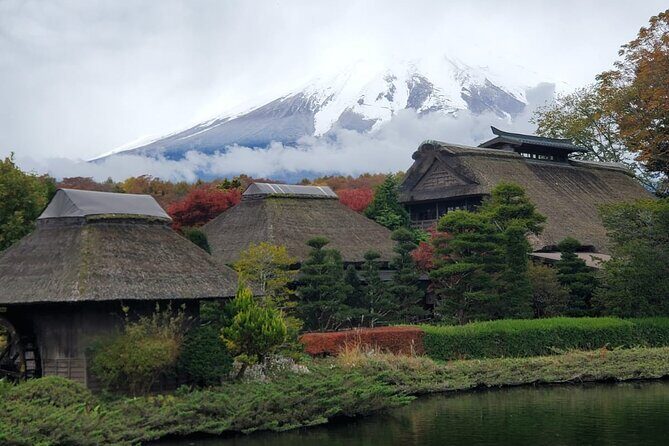
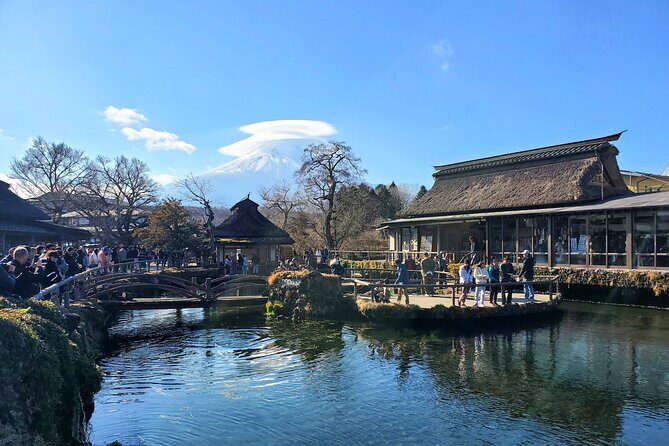
Next is Oshino Hakkai (about 1 hour), also listed as admission ticket free. This is a World Heritage Site known for eight clear ponds and the chance to see rare koi fish. It also includes samurai houses and a museum setting with a Mount Fuji view.
Here’s the important nuance for budgeting: the Oshino Hakkai Museum costs ¥300 per person, not included. So you can choose how deep you go. If you only want the ponds and the basic cultural setting, you can keep spending down. If the museum side sounds interesting, add that budget and enjoy more of the context.
Why I think this stop works: it slows the day down. After driving and viewpoint hopping, Oshino Hakkai gives you a calmer, water-focused scene where you can actually take in details.
A few more Tokyo tours and experiences worth a look

Kitaguchi Hongu Fuji Sengen Jinja: short, serene, and worth it
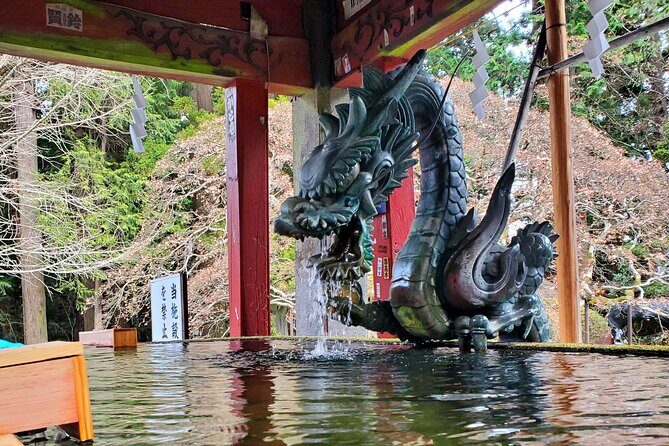
Then you’ll visit Kitaguchi Hongu Fuji Sengen Jinja Shrine (about 30 minutes), with admission ticket free. Even in a shorter time slot, shrines can offer something different from the lake scenery—stillness, ritual spaces, and a sense of how Fuji fits into Japanese culture.
This stop is ideal when you want variety without adding hours. If your group enjoys cultural sites, those 30 minutes can feel like a breath of fresh air. If not, it still gives you a change of pace so the day does not become one long series of lookouts.
Lake Kawaguchiko: big views, more things to do
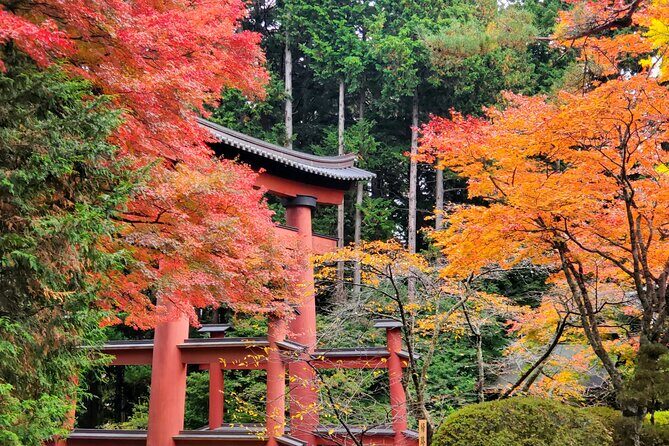
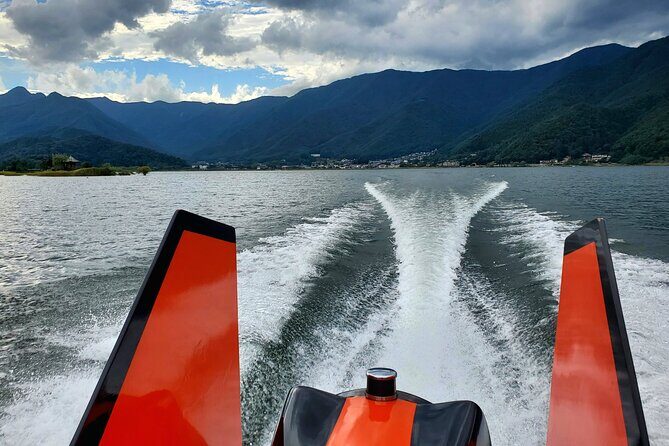
Lake Kawaguchiko is next (about 1 hour). It’s described as the second-largest lake of the Fuji Five Lakes, and the area has options like excursion boats and a ropeway, plus lakeside hotels and activities.
Important detail: admission here is listed as not included. That means if you want a boat experience or something tied to the ropeway, you should expect extra costs.
This is one of the stops where having your own driver helps. Rather than wandering and guessing what costs what, your guide can point you toward the experience that matches your time and energy.
If you care most about views and photos, this is a strong central stop. If you want pure quiet, you might prefer the later lake options (like Saiko Lake), which tend to feel more tucked-in.
Oishi Park: flowers and the kind of snack break you’ll remember
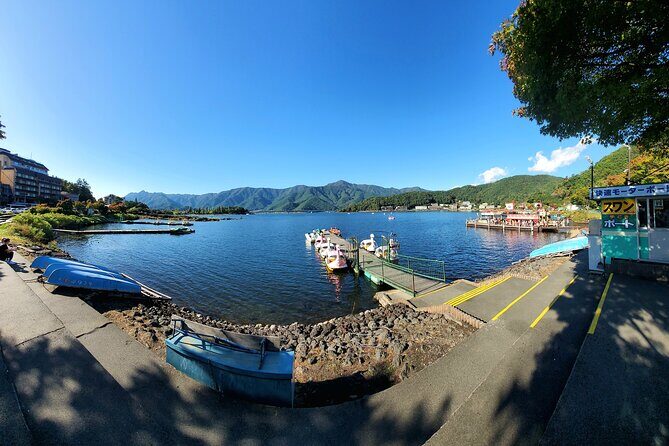
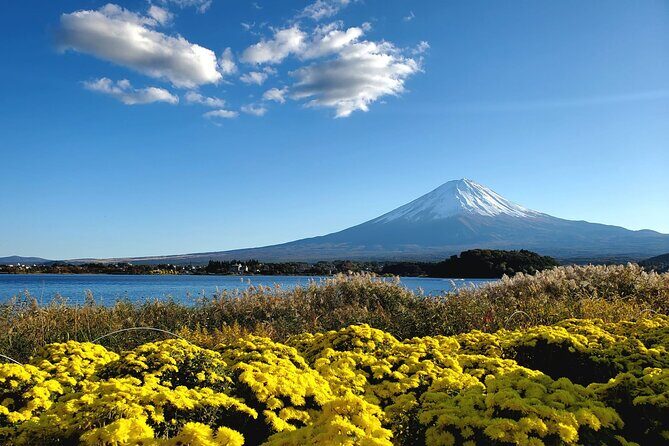
You’ll then head to Oishi Park (about 1 hour), with admission ticket free. The focus here is magnificent Mount Fuji views and seasonal flowers, plus the tour description calls out ice cream as a highlight in the area.
This is a good stop for stretching your legs and taking your time. It also gives your day a lighter touch—parks like this can feel less structured than shrines or museums. If your group includes people who get antsy during “quiet culture” stops, Oishi Park often becomes the easy win.
Saiko Lake: where the scenery feels less predictable
After that, you visit Saiko Lake (about 30 minutes), with admission ticket free. This one is framed as a hidden gem style stop: clear water reflecting the sky like a mirror, ducks paddling around, and a pine-scented, bird-filled atmosphere.
That 30-minute window is smart. You get enough time for photos and a slow walk without turning the day into a long detour. And if the weather is tricky, shorter stops can be a blessing—you can wait for a better moment, then move on.
Subaru Line 5th Station: the main event, but not always simple
The tour can include Mt. Fuji Subaru Line 5th Station (about 30 minutes) when you choose it. Admission here is not included, and you can expect panoramic views, plus restaurants and souvenir shops. You can also visit Komitake Shrine.
This is where you have to plan with reality. Mount Fuji day conditions can change fast, and the tour includes a note that it requires good weather. Also, the guide team can pivot your plan midday if getting to the 5th Station becomes a problem—so it’s not the kind of stop you should assume will always happen exactly as first imagined.
My practical advice: if 5th Station is your must-do, choose it and build your day around it. If it’s a nice-to-have, you can still pick it, but consider your other choices as your backup.
Optional excitement: Fuji-Q Highland if your group wants thrills
There’s an optional add-on at the base area: Fuji-Q Highland (listed as optional, around 10 minutes), with admission not included. This is an amusement park known for record-breaking roller coasters like Fujiya.
Because it’s short, it works best if you want a taste of the vibe rather than a full theme-park day. It can also be a practical choice for groups with mixed ages or interests—one or two people can get thrills while others use the time to rest and regroup.
If your group wants maximum Fuji views and minimal detours, you may decide to skip this and use your stop count elsewhere.
Optional culture swap: Saiko Iyashi no Sato Nenba village life
Another optional choice is Saiko Iyashi no Sato Nenba (about 45 minutes), with admission not included. This is a reconstructed traditional Japanese village near Mount Fuji, where you can explore older-style houses and experience traditional culture, including kimonos for rent.
This stop is a great fit if you want more cultural depth than the lakes and viewpoints alone. It also gives your day a different texture: less about scenic framing, more about how people lived in the region.
Just remember the trade: adding this takes a chunk of your stop capacity, since you’re limited to five choices total.
Your guide matters: examples from the team
This is not just a ride; it’s also interpretation. The driver is described as English-speaking and able to help with language barriers, but the best part is how the guide turns stops into stories and context.
For example, I heard about guides like Ryu, who provided lots of information about Mount Fuji’s history and culture as you move between places, and who contacted guests before the tour to align on what they wanted to see. There was also praise for Makk, noted for keeping track of time and making the day feel smooth, while also explaining what you were looking at along the way. Another guide profile is described as a seasoned expert with 19 years of experience in all things Japan.
In a region like this, that guidance can be the difference between seeing Fuji and understanding why so many Japanese places orbit around it.
The weather reality check: how to stay flexible (and still enjoy it)
This tour requires good weather. That’s not a sales pitch; it’s how these areas work. When skies cooperate, you get Mount Fuji in full view from several stops. When they do not, the day can still be enjoyable, but your view may be partial or intermittent.
The good news is that the tour is built with multiple viewpoint options and a guide who can adapt. If Mount Fuji is elusive, you’re not stuck in one location waiting all day—you can keep moving among stops that still offer scenery and cultural experiences.
Who this tour is best for
This private day makes the most sense if:
- You want control over what you do and what you skip
- You’re tired of train transfers and crowd timing
- You value having an English-speaking guide to help you move smoothly
- You’re traveling as a small group (up to five) and want the math to work
It’s also a strong choice for families, because the schedule is structured, and you can choose optional stops (like the amusement park or the traditional village) depending on energy levels.
Should you book this Mount Fuji private tour?
I’d book it if you want Mount Fuji without the DIY stress and you like the idea of building a custom mix of views and culture. The $410 price becomes easier to justify when you compare the value of private door-to-door transport, an English-speaking guide, and multiple stops designed to give you several chances to enjoy the mountain.
I’d think twice if your entire trip hinges on one very specific outcome, like guaranteed access to 5th Station in perfect conditions. Weather can change the day, and that can affect plans. If you can stay flexible, though, this tour is one of the more practical ways to get a great Fuji day from Tokyo.
FAQ
What time does the tour start, and how long is it?
It starts at 8:00 am and runs for about 10 hours (approx.).
How many people can be in the private group?
This is a private tour for your group of up to 5 people.
What does the $410 price include?
The $410 per group includes private transportation, an English-speaking driver, and pick-up and drop-off at your hotel or Airbnb. You also choose up to five places from the list.
Can I customize which stops we visit?
Yes. You can choose up to 5 places from the list. If you include Mt. Fuji 5th Station, you can choose max 3 more sites.
Is hotel pick-up and drop-off included?
Yes. Pick and drop at your Hotel or Airbnb is included.
Are admission tickets included at each stop?
Some stops are listed as admission ticket free, while others are not included. For example, Lake Kawaguchiko and Mt. Fuji Subaru Line 5th Station are listed as not included, and Fuji-Q Highland is optional with admission not included.
Is lunch included?
No. Lunch is not included.
Are there extra costs for Oshino Hakkai or Lake Kawaguchiko activities?
Yes. The Oshino Hakkai Museum costs ¥300 per person (not included), and the Kawaguchi cruise costs ¥1,000 per person (not included).
What happens if the weather is poor?
The experience requires good weather. If it’s canceled due to poor weather, you’ll be offered a different date or a full refund.
Is Mt. Fuji 5th Station guaranteed?
It depends on conditions. If you include it, the stop is planned, but weather may affect what’s possible, and the tour’s guide team can offer a midday pivot choice.
What is the cancellation policy?
You can cancel for a full refund up to 24 hours in advance of the experience start time. If you cancel less than 24 hours before, the amount paid is not refunded.