REVIEW · KYOTO
Morning Zen Meditation at a Kyoto Café
Book on Viator →Operated by Zen Coffee Kyoto · Bookable on Viator
Start your morning with real quiet. This guided Zen session happens inside a traditional machiya café, led by host Uyesugi, trained at a Kyoto Rinzai Zen Temple. You’ll get a structured start with mantra chanting, then sit through a focused 20-minute zazen, and end with coffee chat in a calm space made for slowing down.
I love the small group size of just four participants, because it keeps things gentle and personal. I also love that the practice is beginner-friendly and taught in English or Japanese, so you’re not guessing what to do. The main drawback to consider is that it’s only about one hour, so if you want a longer meditation block, you may feel slightly rushed.
In This Review
- Key Highlights You’ll Care About
- A Kyoto Machiya Morning, With Zen Rules-of-the-Road
- Meeting at Zen Coffee Kyoto and Getting Into the Right Headspace
- Brief Intro to Zen: What You Need Before You Sit
- 10 Minutes of Mantra Chanting: Sound as a Training Tool
- Silent Zazen for 10 Minutes: Posture, Patience, and Time
- Casual Coffee Conversation: The Bridge Back to Daily Life
- Price and Value: Why $18.24 Can Make Sense
- Who This Morning Zen Session Is Best For
- What Makes the Host’s Temple Training Matter
- Practical Tips for Your Own Smooth Experience
- Booking Timing and How Flexible It Is
- Should You Book Morning Zen Meditation at a Kyoto Café?
- FAQ
- What happens during the Kyoto café Zen meditation session?
- How long is the experience?
- How many people are in the group?
- Where does the experience start?
- What language is the session taught in?
- Is a mobile ticket provided?
Key Highlights You’ll Care About
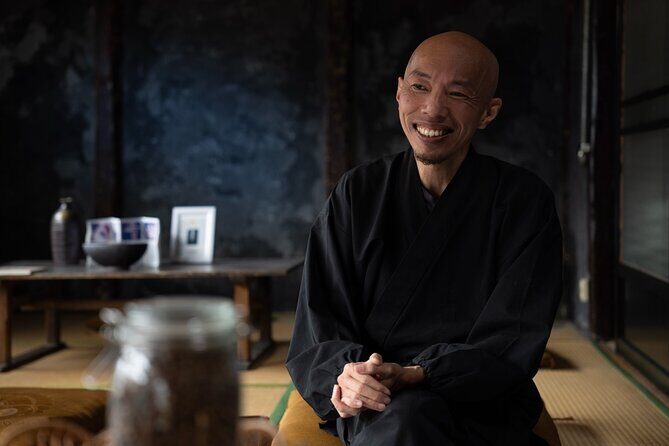
- Rinzai-trained host, Uyesugi leads the session with a clear beginner approach
- Max 4 participants keeps the room calm and questions easy
- Mantra chanting (10 min) + zazen (10 min silent) gives you both sound and stillness
- Single-origin specialty coffee turns meditation mode into friendly conversation
- Mobile ticket makes check-in simple on a busy Kyoto morning
A Kyoto Machiya Morning, With Zen Rules-of-the-Road
Kyoto mornings can feel like a race: temples at opening time, photos to chase, crowds to dodge. This experience is the opposite. You trade the scramble for a quiet start inside a traditional machiya-style café—one of those Kyoto spaces where wood, layout, and lighting naturally encourage you to slow your body down.
The session is guided, not mysterious. You’re not thrown into silence and told to figure it out alone. Instead, you get simple structure: a short intro to Zen, then chanting, then seated meditation, then a casual conversation over coffee. It’s built for beginners, so you don’t need prior meditation experience to get something meaningful out of it.
And because it’s limited to only four participants, the host can actually keep an eye on what you’re doing—important for zazen, where posture and comfort matter.
A few more Kyoto tours and experiences worth a look

Meeting at Zen Coffee Kyoto and Getting Into the Right Headspace
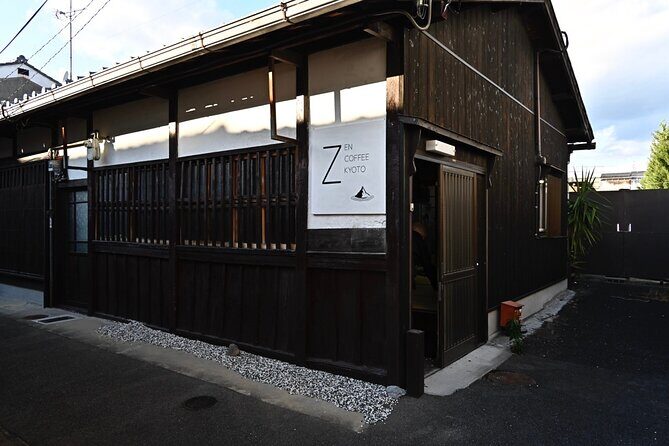
You’ll meet at Zen Coffee Kyoto, located at 650-18 Shimotenjinchō, Kamigyo Ward, Kyoto (602-0074). The session ends back at the meeting point, so you’re not wondering where to go next while your mind is still settling.
The venue is a café, but don’t expect it to function like a loud, busy coffee stop. This is a morning practice. The location being near public transportation is a real plus: you can fit it into your Kyoto plan without adding a complicated detour.
One practical tip: arrive a few minutes early. With meditation, the first minute matters. You’ll have time to sit, breathe, and mentally switch from Kyoto-speed to Zen-speed before the guidance begins.
Brief Intro to Zen: What You Need Before You Sit
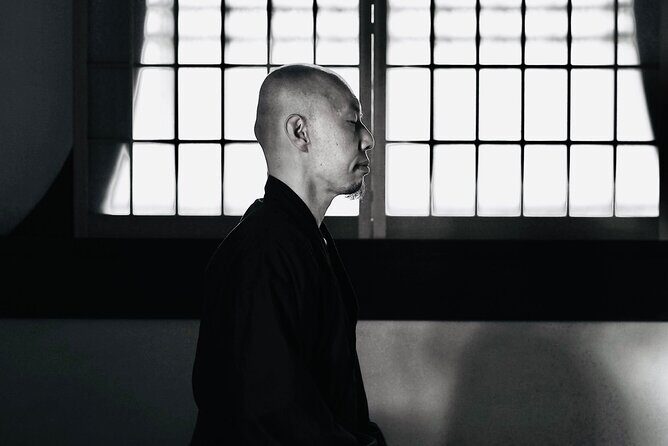
A good meditation session does two things: it tells you what’s happening, and it removes pressure to perform. Here, the host provides a brief introduction to Zen, in English or Japanese, so you have a basic framework before chanting and zazen.
Even if you’re brand new, you’ll benefit from knowing what you’re doing and why. Zen practice isn’t about forcing feelings or chasing relaxation. It’s about attention—steady attention—so having context helps your mind stop treating meditation like a confusing performance.
If you’re the type who likes instructions (many of us are), this structure will feel comforting. If you’re more go-with-the-flow, the intro still helps you relax into the process instead of worrying you’re doing it wrong.
10 Minutes of Mantra Chanting: Sound as a Training Tool

The session starts with 10 minutes of mantra chanting (vocal meditation). Chanting can feel intimidating at first—like you might miss words or get the rhythm wrong.
But in a beginner-friendly guided session, chanting is usually less about getting it perfect and more about using the sound to anchor the mind. Your focus follows the voice and breath. When your thoughts wander, you return—again and again. That mental “return” is basically the workout.
In a small group, this phase tends to feel less awkward. You’re not shouting into a big hall. You’re joining a small circle of people learning together, under the calm guidance of Uyesugi.
If your brain is the kind that needs a task to settle down, chanting gives you that. It’s active, but it’s still Zen. You’re doing something, and it’s also quiet enough to start training attention.
Silent Zazen for 10 Minutes: Posture, Patience, and Time
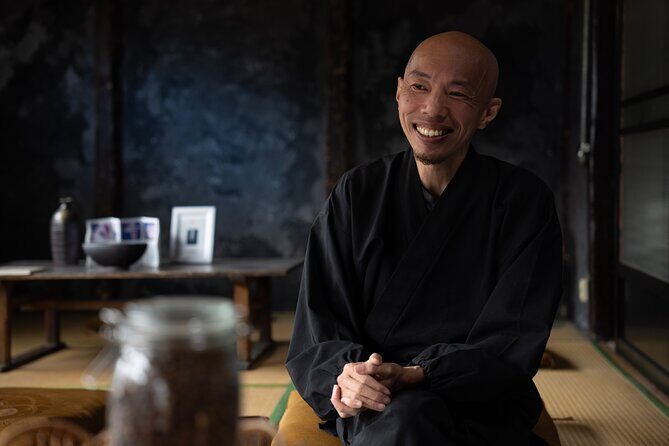
Next comes 10 minutes of silent seated meditation (zazen). Let’s talk about what that means in real-life terms, not just theory.
Zazen is where your body becomes part of the practice. Sitting still for any length of time can be uncomfortable if you’re not used to it—knees, hips, or back might complain. The host’s role matters here. With a group limited to four, guidance can be more personal, helping you adjust without turning meditation into a stretching session.
What to expect during silent meditation:
- You’ll sit and focus on your breath or a steady point of attention (the session is guided, so you won’t be left guessing).
- Thoughts will show up. That’s normal. The goal isn’t to silence your mind; it’s to keep returning to your focus.
- You’ll feel the time because it’s silent. That can be challenging at first, but also surprisingly clarifying.
Ten minutes isn’t a long block, but it’s enough to get the effect. In fact, this shorter zazen window is part of the value for beginners. You experience the discipline without needing the endurance of a longer session.
If you’re expecting a spa-like nap, you might find it more mentally awake than you planned. That’s not a bad thing—it’s the point. You leave feeling like your mind got tuned, not just soothed.




Casual Coffee Conversation: The Bridge Back to Daily Life

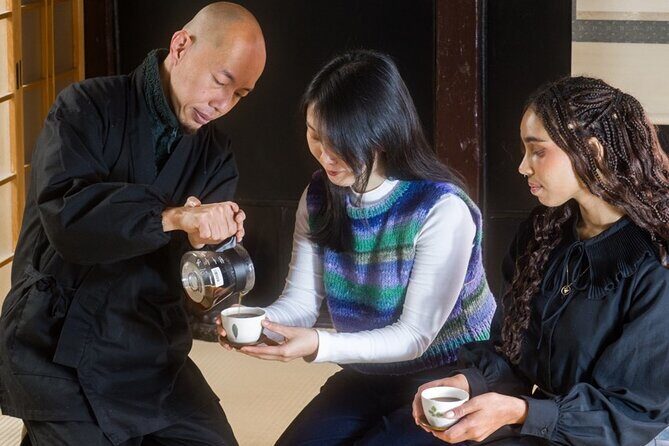
After the meditation comes the best “Kyoto contrast” part: a casual conversation over freshly brewed, single-origin specialty coffee.
This is where the experience becomes more than a set of instructions. Coffee in a machiya setting has a way of lowering your guard. And conversation—when it stays casual—helps your brain connect the practice to real life.
You might talk about Zen basics, the rhythm of chanting, what silence felt like to you, or how meditation fits into travel. You might also just enjoy the simple fact that you’re sharing a calm moment with a small group before going back to the city.
The coffee being single-origin and specialty isn’t just a marketing label. It signals care in the drink, which matches the care in the session. It also gives you something sensory and comforting right after stillness.
For many people, that last cup makes the morning stick. It turns an hour of quiet into a memory you can recall later when you need a reset.
Price and Value: Why $18.24 Can Make Sense
At $18.24 per person, this isn’t just an inexpensive “try it once” experience. You’re paying for structure, guidance, and a small-group setting led by someone with real Rinzai temple practice in Kyoto.
Here’s what makes the price feel reasonable:
- The group size is capped at four, so it’s not a mass-class vibe.
- You get a full sequence: intro, chanting, zazen, then coffee.
- The host is trained through temple practice, not just generic “mindfulness” coaching.
Of course, you could find cheaper guided meditation options elsewhere. But cheaper often comes with big group chaos, less personal attention, or a less authentic tone. In this case, the intimate setup helps the experience actually work for beginners.
Also, the time is efficient: about an hour. In Kyoto, time matters. You can do this without losing half your day to logistics.
Who This Morning Zen Session Is Best For

This experience fits a specific type of traveler. You’ll likely love it if you:
- Want something more reflective than the usual sightseeing rhythm
- Are curious about Zen, but prefer clear guidance over trial and error
- Like small-group activities that feel calm rather than crowded
- Enjoy coffee and would rather end with a human conversation than a quick photo and goodbye
It may not be perfect if you:
- Want a longer meditation session than about one hour
- Are looking for a lively cultural workshop with lots of sightseeing explanations
- Don’t like quiet environments or structured instruction (even when it’s gentle)
That said, the beginner-friendly setup and the small number of participants make it easier for most people to relax into the process.
What Makes the Host’s Temple Training Matter
The session is led by Uyesugi, who has practiced Zen meditation at a Rinzai temple in Kyoto for over three years. That kind of training matters because it shapes how the guidance sounds and how the practice is framed.
When someone is trained in a specific Zen tradition, they tend to be more consistent about essentials: posture, pacing, and what to do when your mind wanders. You benefit from a host who isn’t improvising on the spot.
In practical terms, you’re less likely to feel awkward or lost. And when the group is small, the guidance you receive can be more responsive to real beginner needs.
Practical Tips for Your Own Smooth Experience
A few smart habits will help you get more from the hour:
- Plan for calm, not photos. The experience is a practice moment. Keep your phone use low so you can settle.
- Wear comfortable clothing. Sitting still can be harder in stiff clothes.
- Arrive a few minutes early. You want your mind quiet before instruction begins.
- Expect beginner structure. You’re guided through steps; you don’t need to know Zen vocabulary in advance.
If you’re worried about being the only first-timer, don’t. This is designed for beginners, and the format makes it easier to follow along.
Booking Timing and How Flexible It Is
You’ll typically want to book ahead. This activity is booked about 18 days in advance on average. That suggests it has limited availability—probably because the session is capped at four participants.
If you change your mind, cancellation is free up to 24 hours before the start time for a full refund. If you cancel less than 24 hours before, the amount paid isn’t refunded. For any last-minute tweaks, base your timing on Kyoto local time.
Should You Book Morning Zen Meditation at a Kyoto Café?
If you’re on the fence, here’s the simple way to decide: book it if you want a Kyoto morning that actually changes your pace. This is not just meditation as a concept—it’s a guided experience with clear steps, short enough to welcome beginners, and ended with coffee conversation that makes the quiet feel usable.
Skip it if you’re chasing a full morning of temple walking or you want a longer, more intense meditation block. This session is gentle and structured, and it stays inside about an hour.
My call: it’s strong value for the combination of intimate group size, temple-trained guidance by Uyesugi, and the practical sequence from chanting to silent zazen to specialty coffee.
FAQ
What happens during the Kyoto café Zen meditation session?
The session includes a brief introduction to Zen, 10 minutes of mantra chanting (vocal meditation), 10 minutes of silent seated meditation (zazen), and then casual conversation over a cup of freshly brewed single-origin specialty coffee.
How long is the experience?
It runs for about 1 hour.
How many people are in the group?
It’s limited to just four participants, and it’s a private activity for your group.
Where does the experience start?
You meet at Zen Coffee Kyoto, 650-18 Shimotenjinchō, Kamigyo Ward, Kyoto 602-0074, Japan. The activity ends back at the meeting point.
What language is the session taught in?
The introduction is available in English or Japanese.
Is a mobile ticket provided?
Yes, the experience includes a mobile ticket.