REVIEW · SAPPORO
Hokkaido Day Tour from Sapporo: with Bear Park Option
Book on Viator →Operated by Trevopedia Wonders · Bookable on Viator
Steam vents and lakes in one long day. This Sapporo day trip ties together Noboribetsu Jigokudani and volcanic Shōwa-shinzan views, then winds you through two of Hokkaido’s showpiece lakes: Lake Toya and Lake Shikotsu. I especially like how the day balances dramatic geology with easy walking breaks and photo stops. I also like that several key sights have no admission charge, so your money mostly goes to transportation and the overall route.
One possible drawback is that your on-bus explanations may be limited. This tour’s leader role is handled by the driver (an intro, not a full guide), and some groups report that English support can be thin; on at least one day, the guide named Lisa was doing her best to communicate clearly. If language matters a lot to you, plan to rely on signs, your phone, and your own curiosity more than in-depth narration.
If you pick a day with good weather and you’re okay with a set schedule, this is a strong sampler of Southern Hokkaido’s wow-factor.
In This Review
- Quick take
- A Volcano-and-Lakes Day Trip From Sapporo
- Jigokudani Hell Valley: Steam, Sulfur, and Real Geothermal Action
- Shōwa-shinzan and Mt. Usu Ropeway: Volcanic Terrain With Big Views
- Optional Noboribetsu Bear Park: Conservation Time in a Tight Window
- Lake Toya Onsen Street: Shopping Time Disguised as Break Time
- Lake Shikotsu: The Final Payoff (Especially If You’re Traveling in Winter)
- Price and Logistics: Is $113 Good Value?
- Scheduling Pace: What the 8 to 9 Hours Really Feels Like
- Who Should Book This Tour (and Who Should Skip It)
- Should You Book This Tour?
- FAQ
- How long is the Hokkaido Day Tour from Sapporo with Bear Park option?
- What are the main stops on the tour?
- Is the Bear Park admission included?
- Are there admission fees for the other stops?
- Are meals included in the tour price?
- Will there be a tour guide on the bus?
- What should I do about timing at the start of the day?
- Is this tour refundable or changeable after booking?
- Is the tour suitable for children?
Quick take
- Jigokudani Hell Valley takes you into sulfur steam vents for about 2 hours 20 minutes (admission-free).
- Shōwa-shinzan is a volcanic lava dome near Lake Toya, with time for panoramic views via Mt. Usu Ropeway.
- Optional Noboribetsu Bear Park adds about 50 minutes, and the bear park admission is included if you choose it.
- Lake Toya Onsen Street gives you a couple hours to browse shops and ryokan-area streets.
- Lake Shikotsu is the winter/seasonal payoff stop, with special festival timing noted for 2024.
- Max group size is 70, and the pace depends on traffic and participant count.
A Volcano-and-Lakes Day Trip From Sapporo
This tour is built as a one-day circuit through Southern Hokkaido’s signature natural attractions. You’ll start with a geothermal crater, move to a volcanic feature formed by eruptions in the area, then end with both Lake Toya and Lake Shikotsu—two very different moods in the same region.
The basic value idea is simple: the big sights are spread out, and the route saves you the hassle of transfers. At $113 per person for 8 to 9 hours, you’re paying mostly for organized transportation and timing, since many admissions are marked as free.
It’s also a good option if you only have a single full day in Sapporo and want an efficient sweep of the region. Just go in expecting a “see it, photograph it, move on” rhythm rather than a slow, relaxed day.
You can also read our reviews of more tours and experiences in Sapporo.

Jigokudani Hell Valley: Steam, Sulfur, and Real Geothermal Action
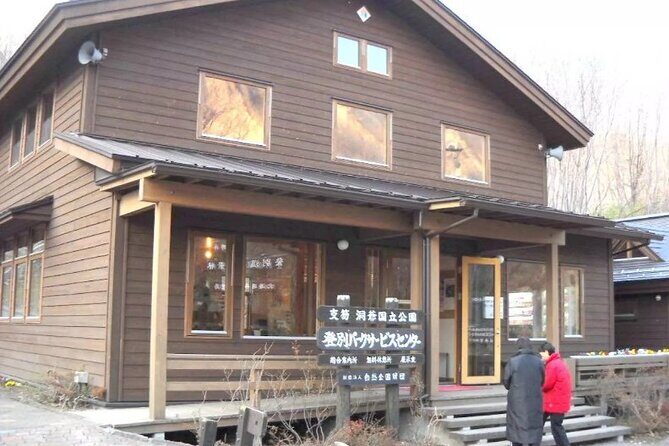
Your first stop is Noboribetsu Jigokudani Valley, often called Hell Valley. This is the part of the day where you feel like you’ve stepped into Earth’s engine room: steam vents, sulfurous streams, and hot rivers working their way through rugged rock.
You get 2 hours 20 minutes here, and admission is listed as free. That time matters. You’ll want it to walk the viewpoints at your own speed and take photos without constantly watching the clock.
Practical tips for enjoying Jigokudani:
- Wear shoes you’re comfortable getting a bit damp or dusty in. This isn’t a slick indoor attraction.
- Plan for strong smells from sulfur. It’s part of the experience, but it can be intense.
- If you love geology-style travel, this is your best “wow” stop of the day because the activity is so obvious.
There’s also a nice contrast effect later. After you’ve seen the heat and steam up close, the calm of Lake Toya and Lake Shikotsu lands differently.
Shōwa-shinzan and Mt. Usu Ropeway: Volcanic Terrain With Big Views
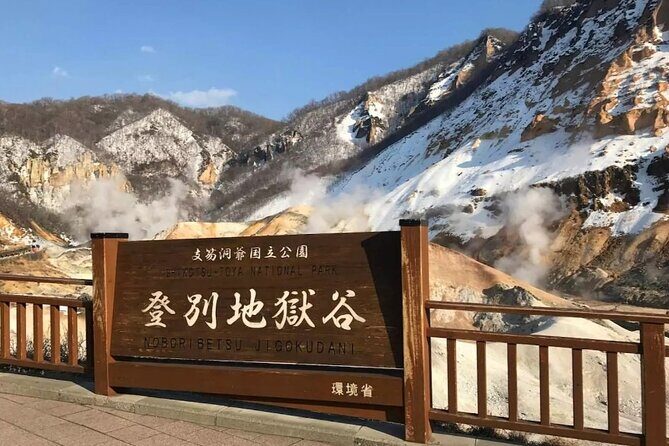
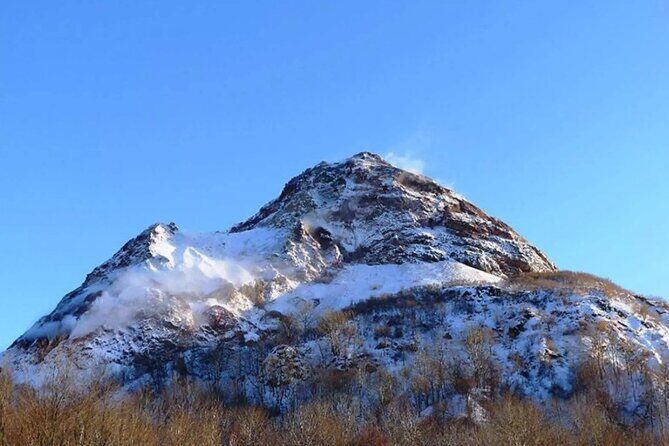
Next up is Shōwa-shinzan, a volcanic lava dome near Lake Toya. The key detail here is that this feature formed in 1943, and the tour is built to help you understand what you’re looking at—barren, otherworldly ground created by volcanic activity.
You’ll have 1 hour 40 minutes at this stop. Admission is marked as free, and you’ll take the Mt. Usu Ropeway for panoramic views of the surrounding area, including Lake Toya.
What I like about this stop is the way it connects the “science” feeling to a postcard view. From up high, you can see how the lake sits in the volcanic world around it. And when the weather is clear, your photos are noticeably better than you’d get on a flat roadside viewpoint.
If you want to photograph:
- Go with the mindset that clouds can change everything fast. If the sky clears, you’ll want your camera ready for lake and coastline angles.
- Wear layers. Ropeways and higher viewpoints can feel cooler than street level.
Also note: the itinerary mentions winter scenery too, where snow changes the look of Shōwa-shinzan into something quieter and more serene. If you’re traveling in winter, expect a different mood than the summer “moon surface” vibe.
Optional Noboribetsu Bear Park: Conservation Time in a Tight Window
If you choose it, there’s an optional stop at Noboribetsu Bear Park, with about 50 minutes on the ground. The admission is included when you select the bear option.
This place is described as a wildlife facility focused on bear conservation and care. The experience is centered on observing bears in spacious, more naturalistic enclosures and learning about different bear species and their behaviors. There are also educational programs or talks by park staff.
Here’s the practical reality: 50 minutes is enough for an initial circuit and to see the main exhibits, but it’s not enough for a slow, fully absorbing visit. So if bear viewing is your main priority, keep your expectations aligned.
A quick ethical/usefulness note: conservation-focused sites work best when you’re willing to read the signage and listen to the explanations when you can. Even if English isn’t perfect, you can learn a lot from the visible “how the park is set up” details and any staff messaging you catch.
Lake Toya Onsen Street: Shopping Time Disguised as Break Time
Lake Toya is the next big stop, with 2 hours here and admission marked as included. The tour frames this as a balance of natural views and a stroll through Lake Toya Onsen Street, where you’ll find small shops, cafes, and traditional ryokans.
I like Lake Toya because it’s a “breather stop.” After the crater and the volcanic dome, it’s a chance to slow your pace and look at the lake rather than the ground.
But I’d flag something to you: based on real experiences people reported, the time allocation here can sometimes feel tilted toward browsing and less toward lingering on viewpoints. If you care mostly about views, you may want to build your own micro-plan:
- Decide early where you want your “best lake photo” angle.
- Don’t spend all your time inside shops.
- If you stop for food, treat it as a trial, not a guarantee.
One of the most frustrating notes from a previous group was about the quality of a lunch stop on Main Street, to the point that it caused an upset stomach for that person. I can’t predict what you’ll eat, but it’s a reminder that “convenient” food in tourist corridors can be hit-or-miss. If you’re picky, consider eating before you arrive at the busy street area, or choose places with clear menus and steady turnover.



Lake Shikotsu: The Final Payoff (Especially If You’re Traveling in Winter)
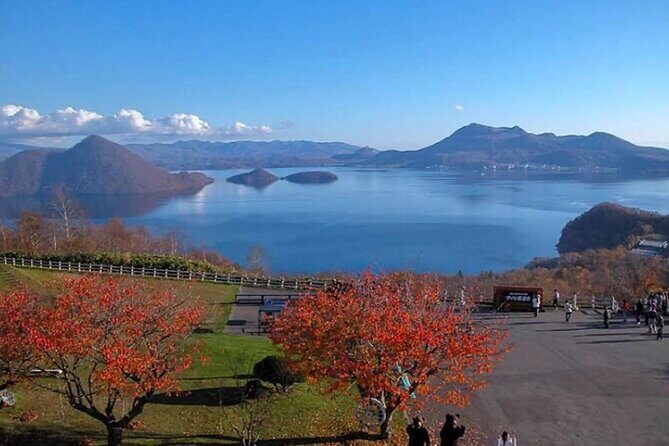
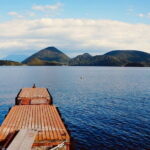
You end with Lake Shikotsu, scheduled for about 1 hour 40 minutes. Admission is listed as free, and the tour highlights how the lake changes through the seasons.
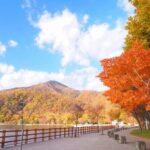
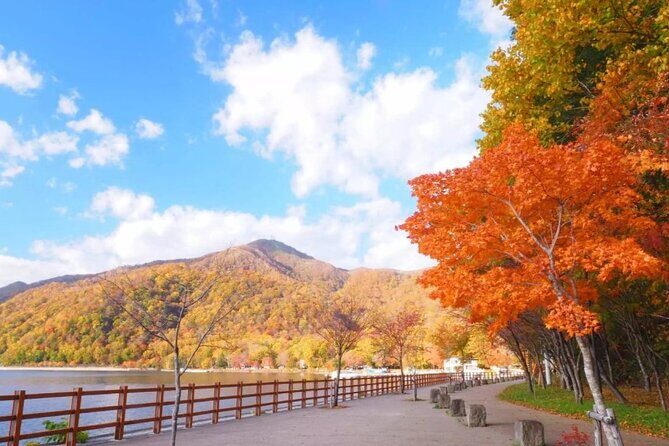
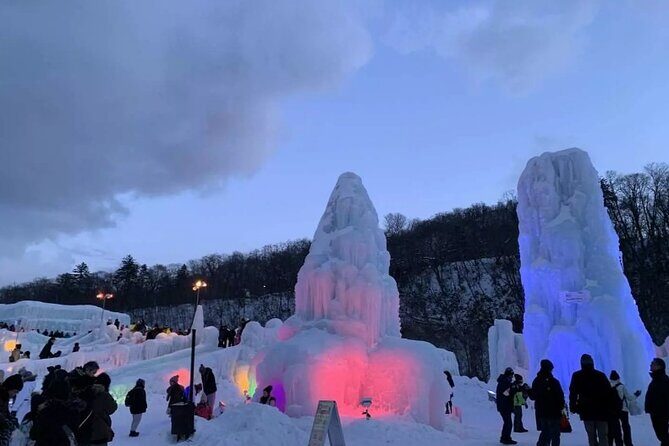
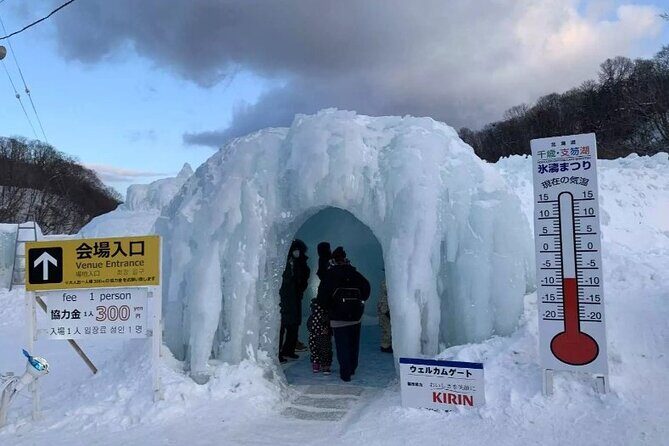
In fall, you’re looking at colorful foliage. In winter, the lake becomes a frozen scene, and the itinerary notes the Lake Shikotsu Ice Festival dates for 2024 (Jan 27 to Feb 25). Even if your travel year isn’t the same, the key point is this: the area is set up to feel like a winter attraction when temperatures cooperate.
This is a short final stop, so timing matters. If you arrive with limited energy, this can feel like a quick walk-and-go moment. If the weather is right, it’s one of those “save-the-memory” locations where one crisp photo at the right angle makes the whole day click.
When you’re there, keep it simple:
- Take your main photos first.
- Then use the remaining minutes for a relaxed stroll and quick snacks if you want them.
Price and Logistics: Is $113 Good Value?
For many travelers, the question isn’t whether the sights are worth it. It’s whether one day is worth $113.
Here’s the value math in plain terms:
- Transportation and a driver-led intro are included.
- If you add the bear option, Bear Park admission is included.
- Several stops are listed as admission-free (Jigokudani, Shōwa-shinzan, Lake Shikotsu), and Lake Toya is marked as included.
So you’re largely paying for the routing and timing across multiple locations that are spread out. If you try to stitch this together yourself, you’ll spend time on local trains/buses or need a private car, plus you’ll still have to coordinate entry timing and travel buffers.
Where the value can wobble:
- Your day is schedule-driven, and traffic/weather can shift exact timing.
- Language support may vary because the driver is providing an introduction rather than acting as a fully dedicated English-language guide.
- Time can be redistributed among stops depending on road conditions and group size, so don’t assume every location gets your ideal amount of “hang time.”
In other words: this tour is a good buy if you want a tight itinerary and you’re flexible. If you want deep stories at every stop, you might prefer a smaller guided option with stronger narration.
Scheduling Pace: What the 8 to 9 Hours Really Feels Like
The tour runs 8 to 9 hours, with stop durations that add up to a busy day:
- Jigokudani: 2h20
- Shōwa-shinzan: 1h40
- Bear Park (optional): 50m
- Lake Toya: 2h
- Lake Shikotsu: 1h40
The practical effect is that you’ll spend a meaningful chunk in transit. That’s normal for a multi-location day trip out of Sapporo.
Also keep these timing realities in mind:
- The bus will leave on time, so you really do need to arrive at the designated start 10 minutes early.
- The itinerary is subject to change due to hours or admission policies.
- Weather or traffic can cause delays, and you may have to work around that.
I’d treat this day as a “choose your priorities” plan. You can’t fully master every stop, so pick what matters most: geothermal, volcanic views, bears, or lakes.
Who Should Book This Tour (and Who Should Skip It)
This is a solid fit for you if:
- You want a first-timer friendly sampler of Southern Hokkaido in one day.
- You like natural wonders and photos—steam vents, volcanic domes, and lake views.
- You’re okay with a group pace and short walks rather than long independent exploring.
- You’re adding the Bear Park option and think a brief conservation stop sounds worthwhile.
You might skip it if:
- You need strong English narration throughout. The driver provides an introduction, and English quality can be inconsistent.
- You prefer a slower itinerary with more free time at the best viewpoints.
- You’re very sensitive to “tour schedule + shopping” energy, since some time at Lake Toya can feel more like browsing than lingering.
Should You Book This Tour?
Yes—if you’re using Sapporo as a base and you want a one-day hit list of Jigokudani, Shōwa-shinzan, and both lakes. The geothermal start and the volcanic viewpoint via Mt. Usu Ropeway are the strongest combo, and Lake Shikotsu is a satisfying finish when conditions cooperate.
Before you book, do one quick check:
- If you’re the type who expects deep, polished commentary, consider choosing an option with a more consistent guide presence.
- If you’re flexible and want maximum scenery per day, this route is a strong value—especially since many entrances are free and the bear admission is handled for you if you choose it.
In short: it’s a fast, scenic circuit. It rewards travelers who like to plan a little, move smart, and enjoy the views without needing a long lecture at each stop.
FAQ
How long is the Hokkaido Day Tour from Sapporo with Bear Park option?
It runs about 8 to 9 hours.
What are the main stops on the tour?
The tour includes Noboribetsu Jigokudani Valley, Shōwa-shinzan (with access to Mt. Usu Ropeway for views), Noboribetsu Bear Park if you choose the option, Lake Toya, and Lake Shikotsu.
Is the Bear Park admission included?
Yes. Noboribetsu Bear Park admission is included based on the package option you select.
Are there admission fees for the other stops?
The listed admission for Jigokudani Valley, Shōwa-shinzan, and Lake Shikotsu is free. Lake Toya is marked as included. (Meals are not included.)
Are meals included in the tour price?
No. Meals are not included.
Will there be a tour guide on the bus?
The materials say the driver provides an introduction to the tour and not a full tour guide.
What should I do about timing at the start of the day?
You should arrive at the designated location 10 minutes prior, because the bus departs on time and people arriving after departure won’t be responsible for missed boarding.
Is this tour refundable or changeable after booking?
It is non-refundable and cannot be changed. If it’s canceled due to poor weather, you’ll be offered a different date or a full refund.
Is the tour suitable for children?
Children under 3 are free if traveling with an adult and not occupying a seat, with one free child per adult. If your child needs a seat, you’ll need to book a child ticket.