REVIEW · SAPPORO
Sapporo: Hokkaido Historical Village, Step into the Frontier
Book on GetYourGuide →Operated by DeepExperience, Inc. · Bookable on GetYourGuide
Time travel with real Hokkaido buildings. This guided stop at the Hokkaido Historical Village lets you walk through the frontier days of the island, with a recreated Japanese Western streetscape and stories that connect the past to what Hokkaido is today. You’ll get an English live guide, and you can either meet them at Sapporo Station or meet them at the village itself.
I especially love how the village mixes built structures with clear explanations—original frontier-period buildings and town blocks are right there, so history feels tangible instead of abstract. I also like that the tour doesn’t only focus on settlers; it includes time for Ainu people and their connection to the land, which adds a more complete view of what changed and why.
One practical drawback to plan for: transportation to the meeting point isn’t included, so you’ll want to factor in how you’ll get to 旧札幌停車場(復元) or 妙夢 on your own.
In This Review
- Key highlights worth planning around
- Entering Hokkaido Historical Village’s frontier town streets
- Meeting at Sapporo Station or the village: choose your start
- A guided walk through the Meiji-era turning points
- Where the Ainu story fits in (and why it matters)
- The 2–4 hour timing: how the walk feels on the ground
- English guide quality: the conversational factor
- Price and value: is $98 per person worth it?
- What to look for while you’re walking (so you get more out of it)
- Who this tour suits best
- Should you book this Hokkaido frontier historical village tour?
- FAQ
- Where is the meeting point?
- How long is the tour?
- Is the tour guided in English?
- Is this a private tour?
- What is included in the price?
- What is not included?
- Can I choose where to meet and where I end?
- Is free cancellation available?
- Can I reserve without paying right away?
- Are there set starting times?
Key highlights worth planning around
- Two easy meeting options in Sapporo: meet at Sapporo Station or at the village
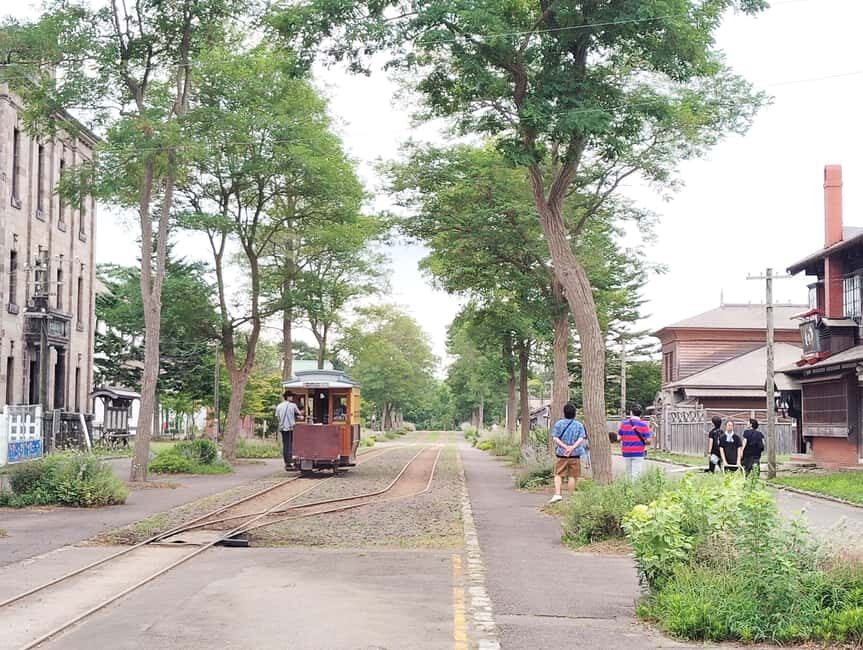
- A frontier streetscape with Japanese Western buildings side by side
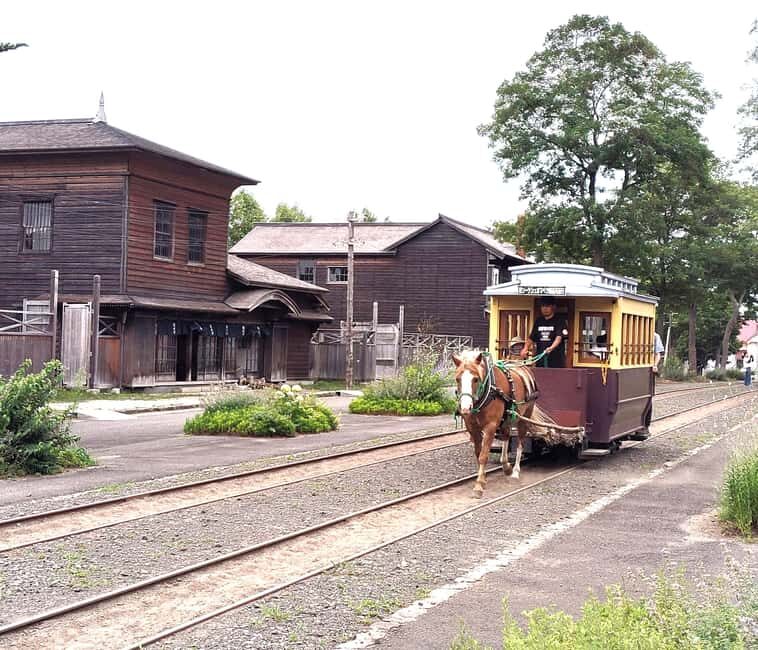
- Government offices, merchant shops, horse-drawn railways, and log huts you can walk among
- Meiji Restoration-era change explained clearly, including Hokkaido’s rapid incorporation
- Ainu history is built into the tour, not treated like a footnote
- Private, English-guided experience with a conversational guide
Entering Hokkaido Historical Village’s frontier town streets
When you picture Hokkaido history, it’s easy to imagine only quiet landscapes and fishing life. This tour swaps that mental image for an open-air museum that reconstructs the earlier frontier era—so you can see what the island looked like when new communities were taking root.
The village is arranged like a walkable town. You’ll move through a recreated Japanese Western townscape where frontier-era structures are set close together, letting you compare building styles and everyday spaces in a way that’s hard to get from books. You’ll also see simple log huts built by early settlers, which quickly ground the story in daily life rather than only big historical events.
A lot of the value here is that the buildings aren’t just photo props. The guide connects what you’re seeing to the larger story of change—how the Meiji Restoration affected Japan and how Hokkaido was incorporated into modern Japan quickly. Even if you’re not a history buff, the “look, then story” format helps everything make sense fast.
If you like tours that turn walking into learning, this one has that feel. If you’re the type who wants only a quick glance, you might find yourself wishing you had more time in each area. The tour is designed to hit the big themes without turning into a lecture.
You can also read our reviews of more historical tours in Sapporo

Meeting at Sapporo Station or the village: choose your start
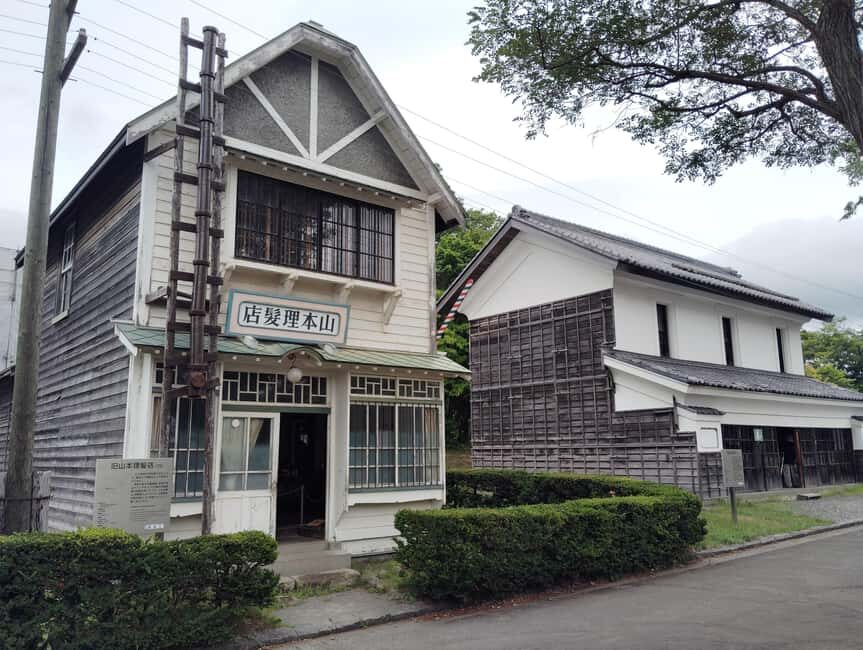
You get two starting choices, and it matters because it changes how much you’ll think about transit during your limited time window.
You can meet your guide at Sapporo Station and then travel together to the historical village area. Or you can meet directly at the village. The meeting point options include 旧札幌停車場(復元) and 妙夢, and the drop-off options match the start options.
Here’s the practical angle: meeting at Sapporo Station can be easier if you’re staying in the city center or you want one organized handoff at a major transit hub. Meeting directly at the village can be less time spent on group travel and more time on site—useful if you’re already near the area.
Because this is a private group experience, your schedule is usually cleaner than a large group tour. That said, you still want to show up on time. For a 2–4 hour activity, late arrival can cut directly into the time you have for the guided walk.
A guided walk through the Meiji-era turning points
This tour is built around one big idea: Hokkaido’s early frontier days were a period of rapid change. You’ll hear about the sweeping effects of the Meiji Restoration and how quickly Hokkaido became part of modern Japan.
What I like about this approach is that it’s not just names and dates. It’s tied to places. As you move around the townscape, you’ll encounter key built elements that represent different functions—government offices, merchant shops, and other practical spaces. Seeing those side by side helps you understand how a new society was organized and how commerce and administration showed up as settlers built their communities.
You’ll also see horse-drawn railways. That detail is small, but it’s the kind of physical evidence that makes a story feel real. When your guide points to something like that, you start to connect the dots between transportation, supply, and how frontier areas grew.
And then there are the log huts—simple, direct housing structures. They help keep the tour grounded in the human reality of settlement. The guide’s job is to place those structures in context, so you’re not just walking past buildings; you’re learning what they meant during the frontier period.
The tour also includes a photo stop. That’s helpful because you’ll likely want at least one clear shot of the recreated town elements before the walk carries you deeper into the village.
Where the Ainu story fits in (and why it matters)
A big part of the experience is the inclusion of the Ainu people and their connection to the land. That topic can be approached in different ways on tours. Here, it’s part of the core storytelling, which gives you a more balanced understanding of the era.
You’ll hear about the Ainu way of life before settlers arrived and how their relationship to nature shaped daily living. Then the story shifts to what happened when settlement and incorporation accelerated.
Why I think this is valuable for your trip: without this perspective, a frontier tour can drift into a simple settler success narrative. Adding the Ainu connection to the land changes the tone. It pushes you to think about continuity and disruption, not just development.
It also gives you a chance to reflect on the profound impact of the period of change that came with rapid modernization. That reflection is the kind that makes your visit more than a photo-and-walk stop. You leave with a more careful sense of how history affects real communities and real relationships to place.
If you care about culture and not only architecture, you’ll probably enjoy this section most. If you’re only focused on old buildings, the Ainu portion might feel more like a story stop than a photo stop. But it’s woven into the tour rather than tacked on.
The 2–4 hour timing: how the walk feels on the ground
The tour runs 2–4 hours depending on the starting times available and how your day is set up. The guided time inside the historical village is about 2 hours, which is a good length for an open-air site.
Here’s how that timing usually works in practice: you meet your guide, handle any short group travel if you start at Sapporo Station, then you spend focused time at the village with walking, photo stops, and guided storytelling. Because the village is an outdoor environment, you’ll likely do a decent amount of walking. Comfortable shoes matter more than you might think, especially if the ground is uneven or you’re moving between buildings and corners.
I’d also plan your schedule so you’re not trying to squeeze this between two major commitments. A frontier museum experience works best when you can slow down for questions and look closely at what your guide points out.
Since this is private, you’re more likely to get explanations tailored to your questions. That can be a big difference from a larger group tour where the guide has to rush to stay on timing.




English guide quality: the conversational factor
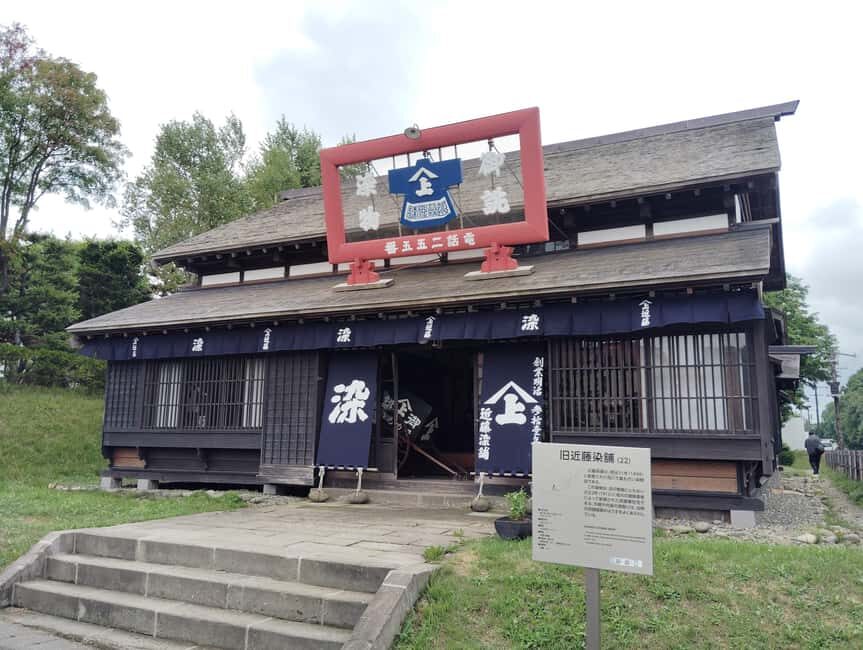
This is an English live tour guide experience, and the tone matters. You’ll probably learn more if your guide can explain clearly and keep the pace easy to follow.
One thing that stands out is the personal style described for guides on this tour. Oyama san is mentioned for being sweet, knowledgeable, and very good at conversation, including for a parent traveling with a daughter. That matters because history can feel heavy if it’s delivered as pure facts. A conversational guide helps you stay engaged, and it can make cultural topics feel approachable without losing seriousness.
Because the tour is private, you’re not stuck with a one-size-fits-all script. If you’re the kind of traveler who likes to ask why something is arranged a certain way, you’ll likely get more back-and-forth than you would in a big group.
Price and value: is $98 per person worth it?
At $98 per person, this isn’t the cheapest thing you can do in Sapporo. But you’re paying for a few value drivers that matter more than just the sticker price.
First, it’s guided. You’re not wandering alone through an open-air museum; you’re getting stories and insights that connect the buildings to the Meiji-era changes and the Ainu perspective. That kind of context is often what turns a “pretty town” into a meaningful visit.
Second, it’s private. Private tours typically cost more because the guide time is dedicated to your group. That’s a real value if you’re traveling as a small family, a couple, or a duo of friends who want a calmer pace.
Third, the duration is long enough to feel like a full experience. A 2–4 hour window gives you time to see key areas and still absorb what the guide is explaining.
What you need to remember: transportation to the meeting point isn’t included. So your true cost is the price plus whatever it takes to get to 旧札幌停車場(復元) or 妙夢, or to reach Sapporo Station if you start there.
If you want a guided, English-speaking walk through the frontier story with Ainu context and you’re okay paying for private time, $98 can feel fair. If you’re on a strict budget and you’re happy reading signs, you might find better value elsewhere.
What to look for while you’re walking (so you get more out of it)
You’ll get the most out of the visit if you keep an eye out for patterns, not just individual buildings. As you move through the recreated town, try to connect what you see to what your guide says.
Here are a few ways to “watch” the tour:
- Pay attention to how government offices and merchant shops are placed, since the tour focuses on how society organized itself during change.
- Watch for the mix of Japanese Western town elements alongside simpler settler structures like log huts.
- When you see horse-drawn railways, listen for how the guide explains the role of movement and supply in a frontier setting.
- In the Ainu portion, lean into the idea of connection to the land and what life looked like before settlement intensified.
If you’re traveling with kids, this approach also works well. A private setting means you can slow down when someone gets curious about a particular structure or wants to take extra photos.
Who this tour suits best
This experience fits best if you want a guided way to understand Hokkaido’s frontier period, not just a quick stop for scenery. It’s especially good for people who care about cultural context, since the tour includes stories of the Ainu people alongside Meiji-era change.
It also works well for families and for mixed interests. The walking time is long enough to feel like you visited a place, but short enough that younger travelers usually aren’t overwhelmed.
You might feel less satisfied if your main goal is modern city life in Sapporo or if you prefer self-guided museum visits with total flexibility. The experience is guided and structured, so you’ll be following the guide’s flow.
Should you book this Hokkaido frontier historical village tour?
Book it if you want a guided, English private tour that uses real recreated buildings to explain Hokkaido’s frontier period, including both Meiji-era change and the Ainu story. I think it’s a strong value when you want context, not just photos, and when you’re traveling at a pace where 2–4 hours fits comfortably.
Pass or look around if you’re trying to minimize costs, or if you don’t want to manage your own route to the meeting points. Also, if you’re strictly avoiding outdoor walking, remember this is an open-air museum.
If your idea of a great Sapporo day includes learning while you walk, this one is easy to recommend.
FAQ
Where is the meeting point?
You can meet your guide at either Sapporo Station or at the Historical Village area. The listed meeting point options include 旧札幌停車場(復元) and 妙夢.
How long is the tour?
The duration is listed as 2 to 4 hours. The historical village portion includes about a 2-hour guided visit.
Is the tour guided in English?
Yes. The tour includes an English live tour guide.
Is this a private tour?
Yes. It’s listed as a private group experience.
What is included in the price?
The guided tour of the Historical Village of Hokkaido and the frontier-day stories and insights are included.
What is not included?
Transportation to the meeting point is not included.
Can I choose where to meet and where I end?
Yes. There are flexible meeting options (such as Sapporo Station or the village), and the drop-off locations match the starting options.
Is free cancellation available?
Yes. You can cancel up to 24 hours in advance for a full refund.
Can I reserve without paying right away?
Yes. The activity offers reserve now & pay later, so you can book a spot without paying today.
Are there set starting times?
There are starting times, and you can check availability to see what’s offered for your preferred schedule.