REVIEW · SAPPORO
Sapporo: Buddha Hill, TV Tower, and Sake Stand Bar Tour
Book on GetYourGuide →Operated by Machinovate Japan Ltd. · Bookable on GetYourGuide
A mix of Buddha calm and big-city views. This Sapporo tour pairs the jaw-dropping 45-meter-long Buddha Nirvana at Butsugan-ji Temple with a 360-degree ride up the Sapporo TV Tower, then finishes with a guided sake tasting at Yata. The day runs long and involves walking and stairs, so plan around weather and bring your most comfortable shoes.
I like how this tour strings together sacred sites, local transit, and Sapporo’s downtown in one smooth flow. You start at Sapporo Station with an English-speaking guide (one booking mentioned Scott by name), then you’ll spend the afternoon at Buddha Hill and the TV Tower before landing at the Yata Sake Stand Bar to learn and taste. The main tradeoff is that it’s not a sit-and-stare museum loop—it’s mostly outdoors plus a full city finish.
In This Review
- Key things that make this tour worth your time
- Starting at Sapporo Station: where the day begins (and how you’ll travel)
- Butsugan-ji Temple and the Great Nirvana Hall’s 45-meter Buddha
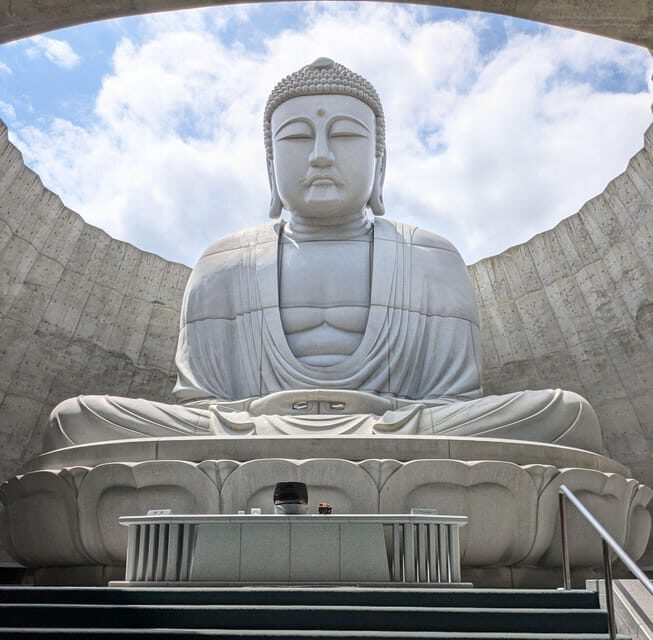
- Buddha Hill: the tunnel, rotunda light, and the 13.5-meter Buddha
- The Sapporo TV Tower: 360-degree city bearings you can use tonight
- Yata Sake Stand Bar: tasting your way through Sapporo’s sake culture
- Price and value: what $170 includes, and what you’ll supply
- What the timing feels like in real life (and why the day can run long)
- What to bring, what not to do, and how to stay comfortable
- Who should book this tour (and who should skip it)
- Should you book the Sapporo Buddha Hill, TV Tower, and sake tour?
- FAQ
- Where is the meeting point?
- What time does the tour start?
- How long is the tour?
- What’s included in the price?
- Is lunch included?
- What should I bring?
- Are there any rules around photos or smoking?
- Is the tour suitable for wheelchair users or people with mobility issues?
- Can I cancel, and can I pay later?
Key things that make this tour worth your time
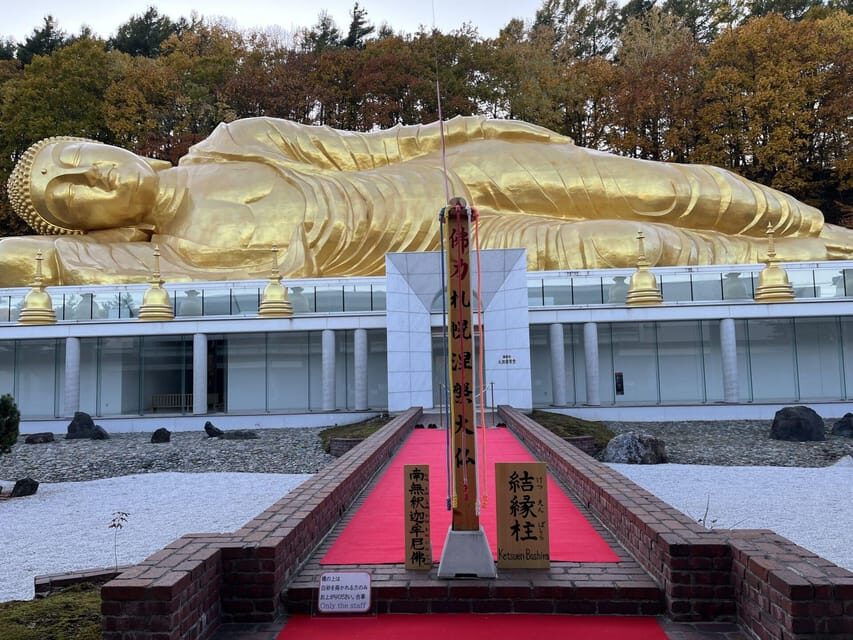
- Butsugan-ji’s Great Nirvana Hall: See a massive Buddha display that’s literally built into the hall’s roof.
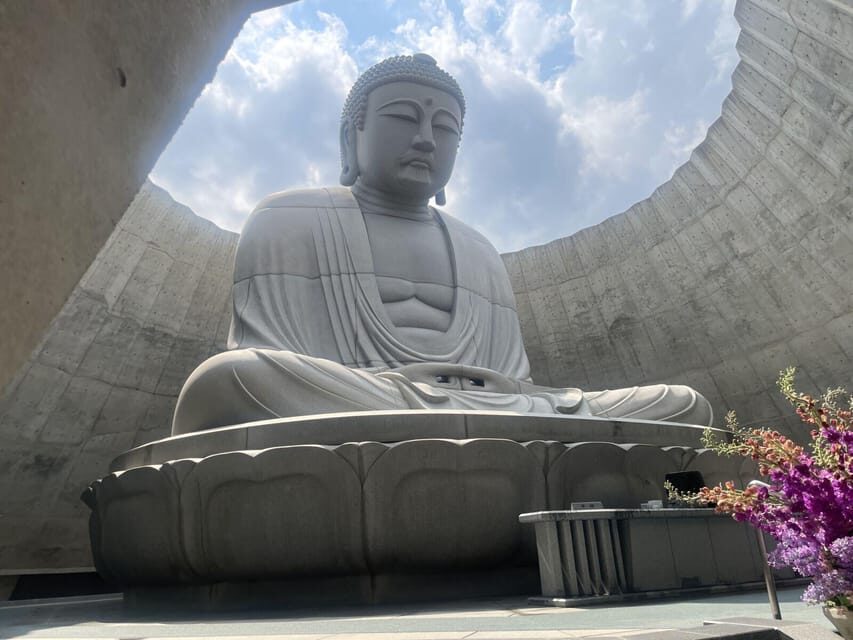
- Buddha Hill’s rotunda moment: Walk the tunnel and experience the calm feel when light hits the 13.5-meter Buddha.
- Moai and Stonehenge replicas: Odd, memorable extras in the sacred cemetery area.
- Real Sapporo views from the TV Tower: Get an easy bird’s-eye sense of where things are.
- Sake tasting with explanation: Taste different types of sake and learn what you’re drinking from the bar staff.
Starting at Sapporo Station: where the day begins (and how you’ll travel)
You meet at Sapporo Station in front of the circular white stone structure called MYOMU, after turning left once you exit the main JR gates and heading toward the South Exits. The guide stands there wearing a Snow Monkey Resorts tour tag, and you’ll want to arrive by 9:00 a.m. so the group can roll out smoothly.
From there, the pacing is “move, look, walk, snack later.” You travel to the south district first, then you go out to the Buddha Hill area. On the way, you can expect the kind of local transit that makes Sapporo feel real—not just a bus-to-bus-to-bus sightseeing circuit. One traveler specifically noted riding local trains and buses to reach Buddha Hill, which is exactly the kind of detail that changes the whole experience: it’s less like a guided bubble and more like you’re sharing the city’s rhythm.
The route also includes time in the underground mall network around Odori, Sapporo Station, and Susukino while you’re working your way through the TV Tower and the sake bar part of the day. In Hokkaido, that matters. Even if the weather is fine, underground connections help you keep momentum and avoid wasting time on long walks when it’s cold or windy.
Tip: if you don’t love crowds, this is still manageable, but you should treat it like a sightseeing day with set stops. Comfortable shoes aren’t optional.
You can also read our reviews of more food & drink experiences in Sapporo
Butsugan-ji Temple and the Great Nirvana Hall’s 45-meter Buddha
The heart of the spiritual side starts at Butsugan-ji Temple in the south district of Sapporo. This isn’t small. The big draw is the Buddha Nirvana statue—reported as 45 meters long—sitting on the roof of the Great Nirvana Temple Hall. When you see something that scale in person, it changes your mindset. You stop thinking about “photos” and start thinking about “how can that exist here?”
This stop is also where the tour’s tone shifts from city morning to something quieter and more reflective. The value isn’t only in the size. It’s in the way the temple setting frames the statue as a religious object you’re approaching respectfully, not a billboard you’re passing by quickly.
Practical notes that matter:
- Plan on standing and looking from different angles, not just one quick glance.
- You’ll want your camera ready, but remember flash photography isn’t allowed.
- If you’re the kind of person who likes to slow down, you’ll be able to. This is one of the moments where the tour design gives you time to actually take it in.
From a traveler’s perspective, Butsugan-ji gives you a strong “why Sapporo?” answer. Hokkaido’s reputation is often about snow and food, but this is one of the ways the city shows its spiritual identity.
Buddha Hill: the tunnel, rotunda light, and the 13.5-meter Buddha
Next comes the Hill of the Buddha, a place that feels intentionally designed for a walk-and-reveal experience. You enter an arched concrete tunnel to reach the main Buddha statue area. Then you arrive at a rotunda that holds a Buddha statue listed at 13.5 meters tall.
Here’s what you should pay attention to: the impression is shaped by light. The description highlights light streaming in through a circular opening of the rotunda. Even if you don’t know Buddhist architecture terms, you can feel the effect—your eyes adjust, the room quiets down, and the Buddha becomes the visual focus.
This stop is worth it even if you’ve seen other major statues in Japan. The tunnel-to-rotunda layout turns a statue visit into a sequence. You’re not just arriving at something big; you’re walking into it, then experiencing how the setting changes what you notice.
Also included in the Buddha Hill area:
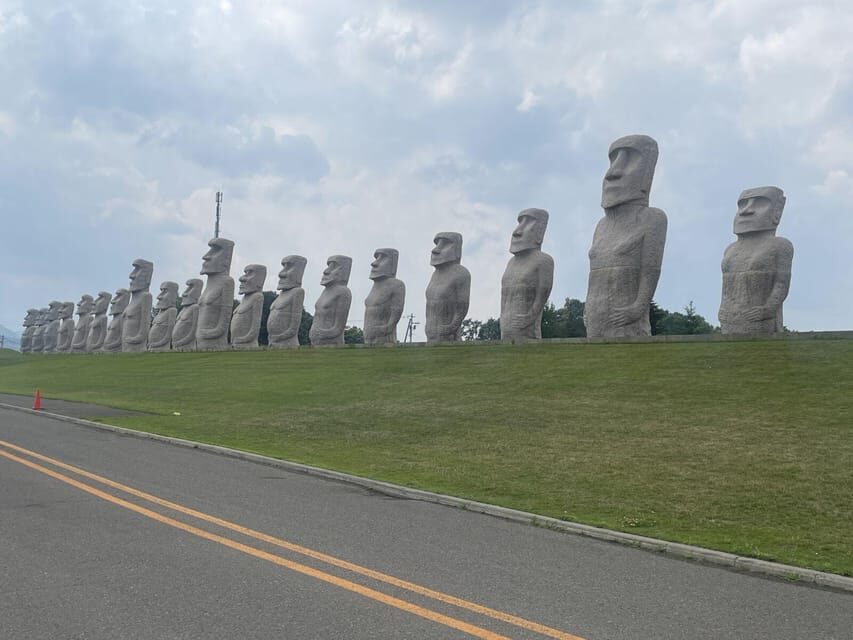
- Giant Moai statues
- A replica of Stonehenge in the sacred cemetery
These sound like playful surprises, but they add personality. They help the location feel less like a single-note religious site and more like a place with multiple layers of meaning and visitors’ curiosity—while still being connected to the spiritual setting.
Small drawback to consider: Buddha Hill involves walking and being outdoors. If you’re sensitive to cold, wind, or uneven steps, wear footwear that won’t slip when the weather turns.
The Sapporo TV Tower: 360-degree city bearings you can use tonight
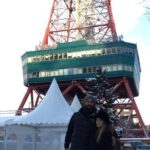
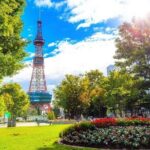
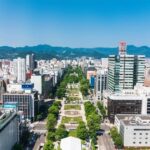
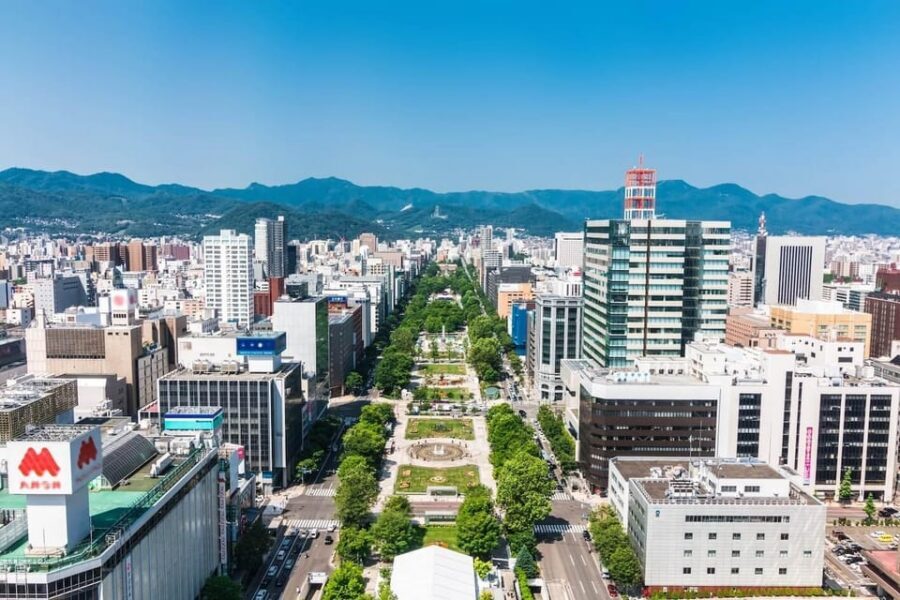
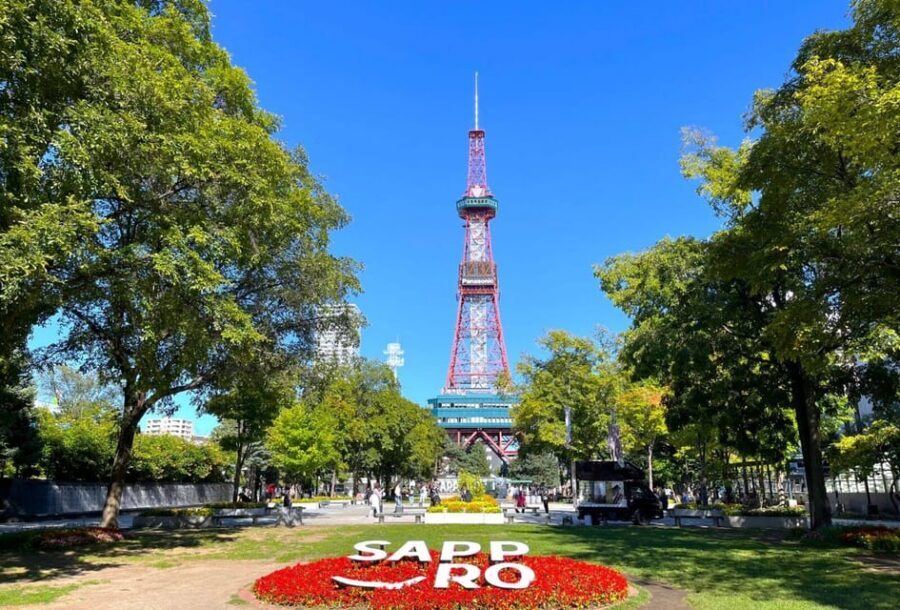
After the sacred stops, the tour shifts to Sapporo’s skyline view from the Sapporo TV Tower. This is the classic “get your bearings fast” moment, but it’s still genuinely useful.
You head up to the top observation deck and enjoy 360-degree panoramic views of the city. That matters more than it sounds. Once you can see the city layout, streets, major areas, and the general shape of Sapporo, it becomes easier to plan what you want to do next—especially if you’ll be figuring out dinner or an evening stroll on your own.
One of the best parts of this segment is that you’re not just viewing from outside; you’re moving from your earlier spiritual stops into the modern Sapporo rhythm. The underground mall connections you encounter along the way help reinforce that transition. You’ll go from “quiet temple scale” to “how big is this city really?” in the same day.
Camera tip: bring your camera, but don’t count on flash. And on cloudy days, you may still get strong visibility for city shapes—though contrast can be softer than a crisp blue-sky day.
Yata Sake Stand Bar: tasting your way through Sapporo’s sake culture
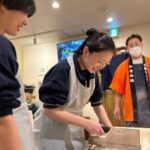
The day ends at Yata Sake Stand Bar, where you’ll do a sake tasting and learn about the different types of sake from friendly staff. This is where the tour gets fun in a different way: you’re no longer walking between sites, and you’re learning through taste and conversation.
Sake tastings are often underrated when they’re treated like a checkbox. Here, the focus is learning. That’s the difference between sipping and understanding. The bar staff explain the types of sake, and you can ask questions while you taste, which helps you leave with a better idea of what you like and why.
One small but practical bonus: you can chat with the bartenders. A traveler specifically mentioned that they shared tips on where to explore for dinner after the tour ends. That’s exactly the kind of local guidance that pays off later, when you’re hungry and deciding quickly.
What to expect as your body winds down:
- You’ll likely feel the day’s walking by this point, so pace yourself with the tastings.
- If you’re sensitive to alcohol, drink slowly and consider whether you’ll be out afterward.
You can also read our reviews of more drinking tours in Sapporo



Price and value: what $170 includes, and what you’ll supply
At $170 per person, this tour isn’t the cheapest way to see Sapporo—but it also isn’t just paying for views. You’re paying for a structured day that bundles transport, tickets, and an English-speaking guide, plus the sake tasting.
Here’s what’s included:
- English-speaking tour guide
- Transportation from Sapporo Station to the stops on the tour itinerary
- Entry/admission tickets for each listed attraction
- Sake tasting
What’s not included:
- Lunch
- Accommodation
That lunch gap is the main budgeting point. If you don’t want to scramble, plan to eat before the tour starts or figure out quick food on your own during the day. Because the day runs about 510 minutes (around 8.5 hours), grabbing something efficient is smart.
Is it good value? If you want:
- Big “wow” sights (Butsugan-ji and Buddha Hill)
- A high-effort city view (TV Tower)
- A guided food-and-drink finish (sake tasting with explanation)
- One day that connects it all without you planning transit
…then the price starts to make sense. If you only want one or two stops, you might find cheaper DIY options. But if you want a full arc—from spiritual scale to city orientation to a local tasting—this is the kind of tour that saves you planning stress.
What the timing feels like in real life (and why the day can run long)
This tour is built as a full-day outing. You start at 9:00 a.m. and end after the TV Tower and bar segment. That means you’re committing to:
- Morning temple time
- Midday travel to Buddha Hill
- Afternoon city views
- Evening-style tasting wrap-up
The time also means weather matters. The tour notes varying weather conditions, so bring what you need for cold or sun. You’ll be outside at Buddha Hill, and you’ll still be walking in the city.
One consideration from a real booking: there can be bus timing hiccups. In most cases, it doesn’t ruin the experience, but it can shift your sense of “on time.” The practical response is simple—keep expectations flexible. Your day is still built around the same core stops, and the tour remains worth it for the combination of sights.
What to bring, what not to do, and how to stay comfortable
This is a walking-forward day, so pack like you’re going sightseeing, not strolling.
Bring:
- Comfortable shoes
- Hat
- Camera
- Sunscreen
- Water
Not allowed:
- Smoking
- Flash photography
Also: respect the cultural and spiritual significance of the sites you visit. That’s not just etiquette—it helps you enjoy the atmosphere without feeling like you’re interrupting something meaningful.
Who should book this tour (and who should skip it)
This tour is a great fit if you want a mix of:
- Sacred sightseeing with real scale (Butsugan-ji and Buddha Hill)
- A 360 view that helps you navigate Sapporo afterward
- A low-pressure sake tasting with staff explanations
- Local transit and an underground mall connection in the city center
It’s less ideal if:
- You use a wheelchair (not suitable)
- You have back problems (not suitable)
- You’re pregnant (not suitable)
If you fall in the “I’m fine walking but hate long days” group, it still might work—just treat it as a long day and keep your pace easy.
Should you book the Sapporo Buddha Hill, TV Tower, and sake tour?
Book it if you want one organized day that gives you three big rewards: spiritual scale, city orientation, and a hands-on sake tasting with explanation. It’s especially worth it when you’d rather let a guide handle the timing, ticketing, and routing while you focus on seeing.
Skip it if you’re mainly after only one part—like just TV Tower views—or if your body can’t handle extended walking outdoors. Also, if you hate uncertainty with transport timing, know that bus timing issues can pop up, even when the experience remains strong.
My rule of thumb: if you’re the type who likes structured days with clear highlights and a food-and-drink finish, this is a solid way to spend your time in Sapporo.
FAQ
Where is the meeting point?
You meet after exiting the main JR gates of Sapporo Station. Turn left and walk toward the South Exits, looking for the circular white stone structure called MYOMU. The guide stands in front of it wearing a Snow Monkey Resorts tour tag.
What time does the tour start?
The pickup time is 9:00 a.m.
How long is the tour?
The total duration is about 510 minutes (roughly 8.5 hours).
What’s included in the price?
The tour includes an English-speaking guide, transportation from Sapporo Station to the listed stops, entry/admission tickets for each attraction, and a sake tasting.
Is lunch included?
No. Lunch is not included.
What should I bring?
Bring comfortable shoes, a hat, a camera, sunscreen, and water.
Are there any rules around photos or smoking?
Smoking is not allowed. Flash photography is also not allowed.
Is the tour suitable for wheelchair users or people with mobility issues?
No. It’s not suitable for wheelchair users, people with back problems, or pregnant women.
Can I cancel, and can I pay later?
The tour offers free cancellation up to 24 hours in advance for a full refund, and it also offers reserve now and pay later.